
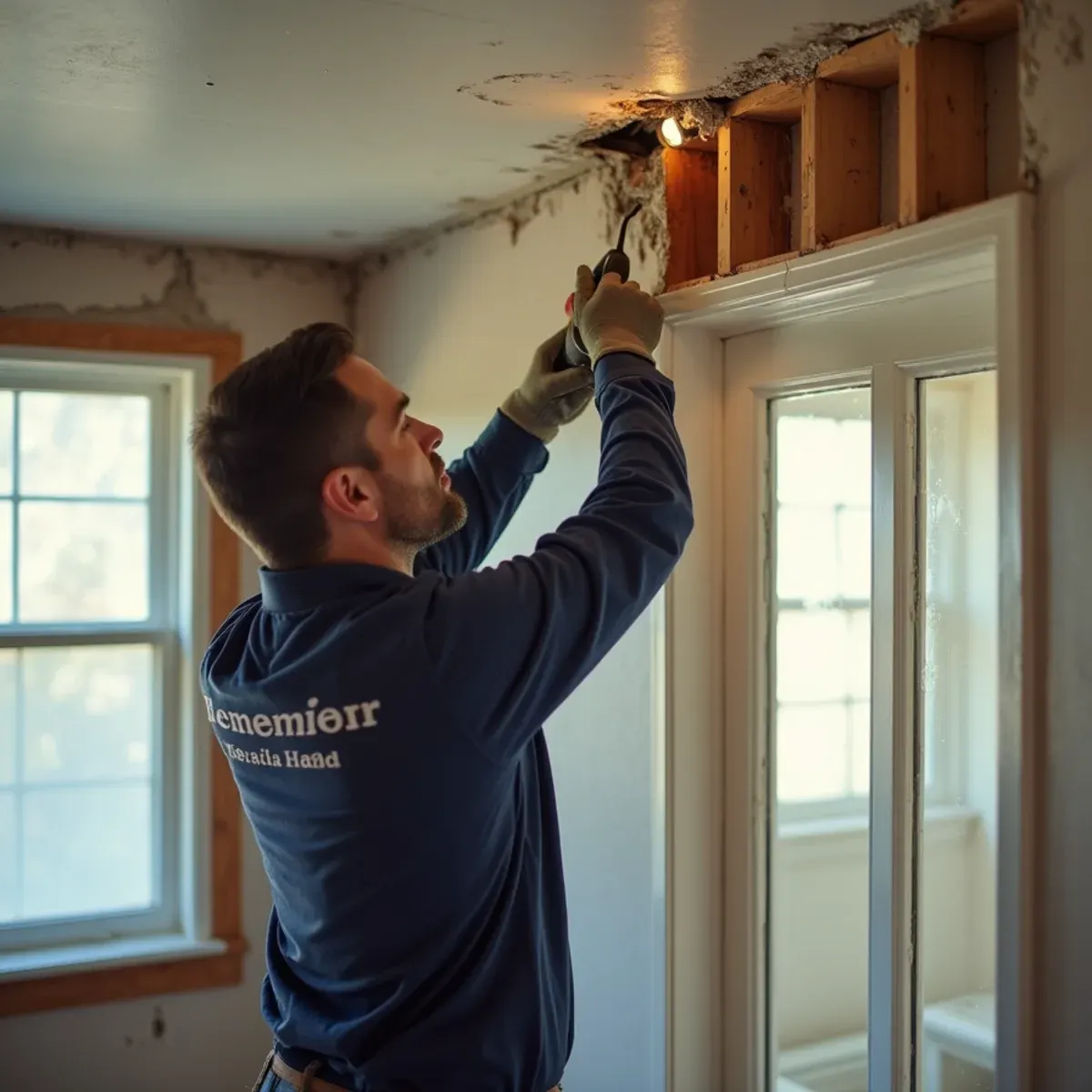
Santa Ana is the oldest city in Orange County and it has the building stock to prove it. The historic districts — Floral Park, French Park, Washington Square — contain homes from the 1900s through the 1930s with lath-and-plaster walls, original wood windows, and hardwood floors that are ninety years old and still the best floors in the house.
Those homes need a completely different restoration approach than a 1970s tract house. Plaster holds several times the water drywall does and releases it far more slowly. Old-growth hardwood is irreplaceable and, fortunately, one of the best drying candidates there is. And in a designated historic district, what you can and cannot remove may not be entirely your decision.
The rest of the city runs the full range — dense postwar apartment stock, mid-century tracts, and a substantial commercial and civic core downtown. Our Santa Ana work spans all of it, but the historic housing is where the specialized knowledge actually earns its keep.
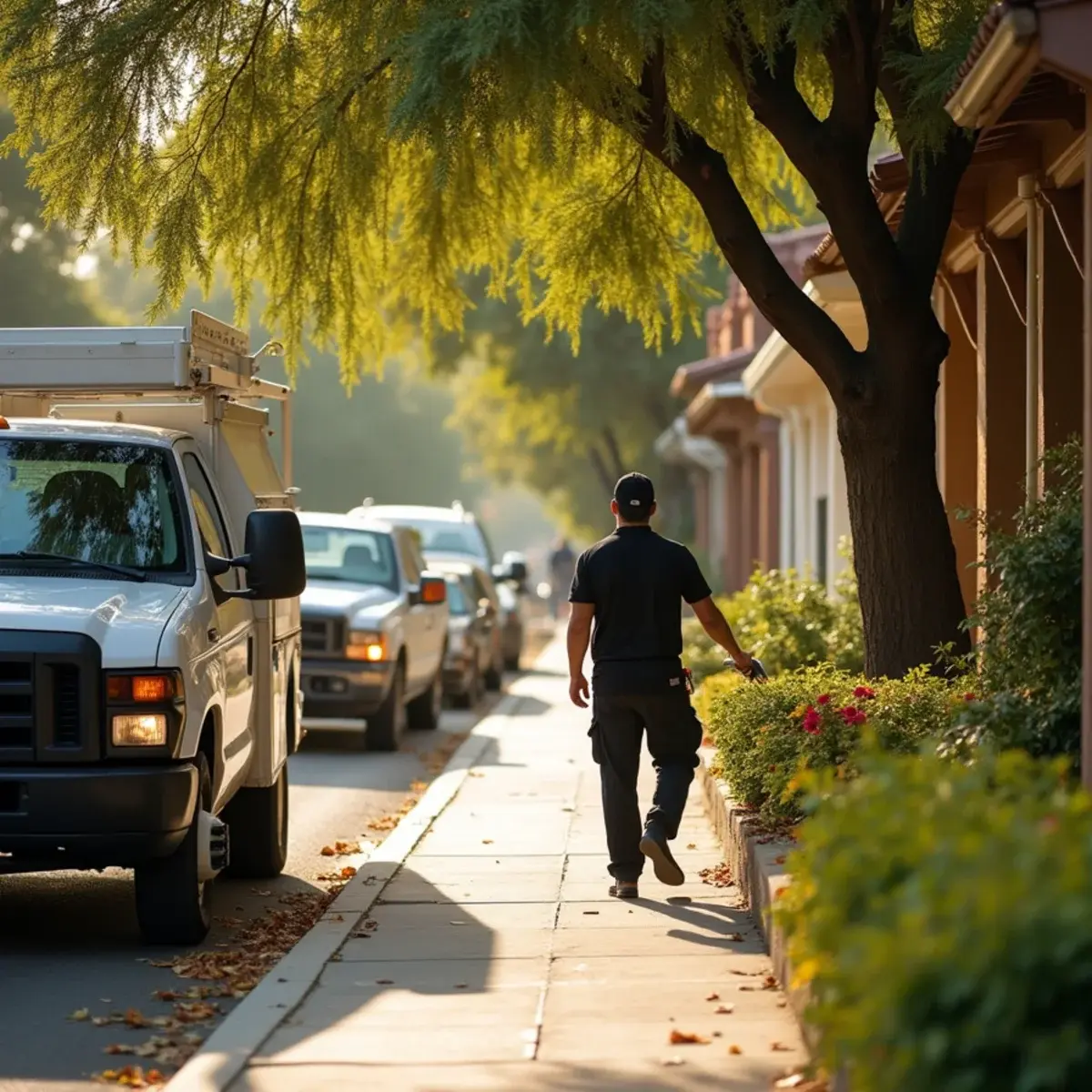
Drying Lath and Plaster Without Destroying It
Lath and plaster is wood strips nailed across the studs with several coats of plaster troweled over them. The plaster that squeezes through the gaps between lath forms keys that hook over the wood and hold the whole wall in place. That construction is why plaster walls last a century — and why they behave so differently from drywall when wet.
A plaster wall holds substantially more water than a drywall wall of the same size and releases it far more slowly, because the plaster is dense and the wood lath behind it holds moisture of its own. Under the IICRC framework this pushes a loss into a higher class requiring more equipment, and frequently desiccant dehumidification rather than refrigerant units.
The failure mode to avoid is key failure. If plaster stays wet long enough, the keys soften and release, and the wall separates from the lath — at which point it has to come off. Drying aggressively and early is what prevents that, and it is why a plaster loss should never wait for business hours. The upside is real: dried in time, a hundred-year-old plaster wall stays exactly what it was, and nothing you can buy replaces it.
Historic Districts and Documentation
In Floral Park, French Park, and the other designated districts, exterior alterations and some interior work fall under historic preservation review. That is worth knowing before a contractor starts cutting, because a repair that ignores the requirements can create a compliance problem on top of a water problem.
Practically, this means our default in these homes leans even further toward drying in place and preserving original material. Original windows, doors, trim profiles, and flooring are not replaceable with anything equivalent, and reproducing a period trim profile costs far more than saving the one that is there.
It also means documentation matters more. Photographs of original conditions before any work, detailed records of what was removed and why, and material samples where anything has to come out — all of it supports both the insurance claim and any preservation review. We build that into the file from the first visit rather than assembling it afterward.
Neighborhoods and Landmarks We Cover in Santa Ana
We work throughout Santa Ana — every neighborhood, every street, residential and commercial. If your address is in the city, we cover it.
Neighborhoods & corridors
- Floral Park
- French Park
- Washington Square
- Downtown / Artists Village
- South Coast Metro
- Willard
Landmarks nearby
- Downtown Santa Ana / Artists Village
- Bowers Museum
- Discovery Cube
- Santa Ana Zoo
- Floral Park Historic District
- MainPlace Mall
- Santa Ana River
Why Santa Ana Residents Call Us First
Any restoration company can put Santa Ana on a service-area list. What matters at 2 a.m. is how far the truck has to come and whether the crew has opened a wall in a house like yours before.
About 20 minutes southeast
We dispatch from 6122-6182 Katella Ave in Cypress — not from a regional depot and not from a call centre that sells your job to whoever bids for it. That is the whole reason the 60-minute commitment is one we can put in writing.
Plaster keys fail if you wait
Wet plaster softens and releases from the lath. On a Floral Park or French Park loss, aggressive drying within hours is what saves the wall.
Historic districts need low-demolition drying
The plaster and millwork are the house. We dry in place wherever the readings allow it.
- 20+ years restoring Orange County homes
- IICRC Certified Firm
- Licensed, Bonded & Insured
- We bill your insurance company directly
- IICRC S500:2025 compliant on every job
- 100% satisfaction guarantee — in writing, on every job
Santa Ana Water Damage Questions
Usually, if drying starts quickly. Plaster holds much more water than drywall and dries far more slowly, so it needs more equipment and often desiccant dehumidification. The risk is the plaster keys softening and releasing from the lath, which is why waiting is the one thing that genuinely costs you the wall.
Yes. In designated districts we lean heavily toward drying and preserving original material rather than removing it, and we document original conditions thoroughly from the first visit to support both the insurance claim and any preservation review.
Longer than a modern home — commonly seven to fourteen days for plaster assemblies versus three to five for drywall. That is not padding; dense plaster and wood lath simply release moisture slowly, and rushing it is what causes the wall to fail.
Significantly, and the timing matters more than anywhere else. Plaster holds several times the water drywall does and gives it up far more slowly, and as it stays wet the keys — the plaster that squeezed through the wood lath and hardened behind it — soften and release. Once that happens the wall comes off in sheets. On a Floral Park or French Park loss, aggressive drying within the first hours is the difference between keeping the original plaster and rebuilding it.