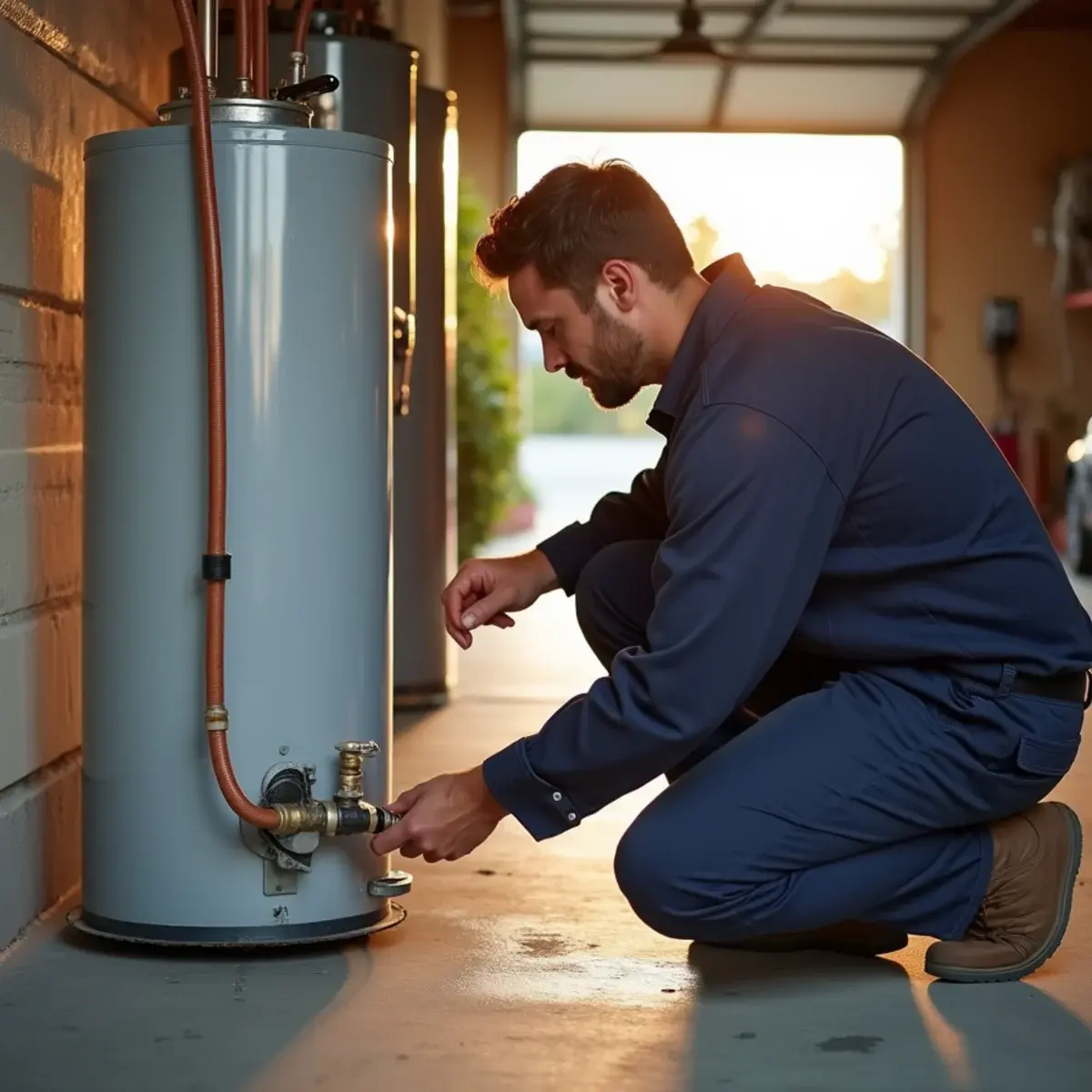
Southern California gets most of its annual rainfall in a handful of concentrated events, and that pattern is hard on buildings. Roofs, sealants, and drainage systems sit dry and UV-exposed for eight or nine months, then get asked to handle an atmospheric river dropping several inches in a day. The failures happen all at once, across the whole city, on the same night.
That is why storm response is a logistics problem as much as a restoration problem. When a system parks over Orange County, every restoration company in the county gets more calls in twelve hours than they normally get in a month. Homeowners who call early get a crew; homeowners who wait for the rain to stop get a waitlist.
Our priority in an active storm is straightforward: stop the water from getting in. Tarping, board-up, and diversion first. Extraction and drying begin as soon as the building envelope is closed, and reconstruction is scheduled after that.
What Storm Damage Looks Like Here
We do not get hurricanes. We get these instead, and they cause plenty of damage:
Wind-lifted or slipped roof tiles
Santa Ana winds lift and displace concrete tiles, exposing the underlayment. The leak often does not appear until the next rain, weeks later.
Failed pipe boots and flashing
Rubber boots around plumbing vents crack from years of UV exposure. They are the single most common roof leak source in Orange County and they fail silently.
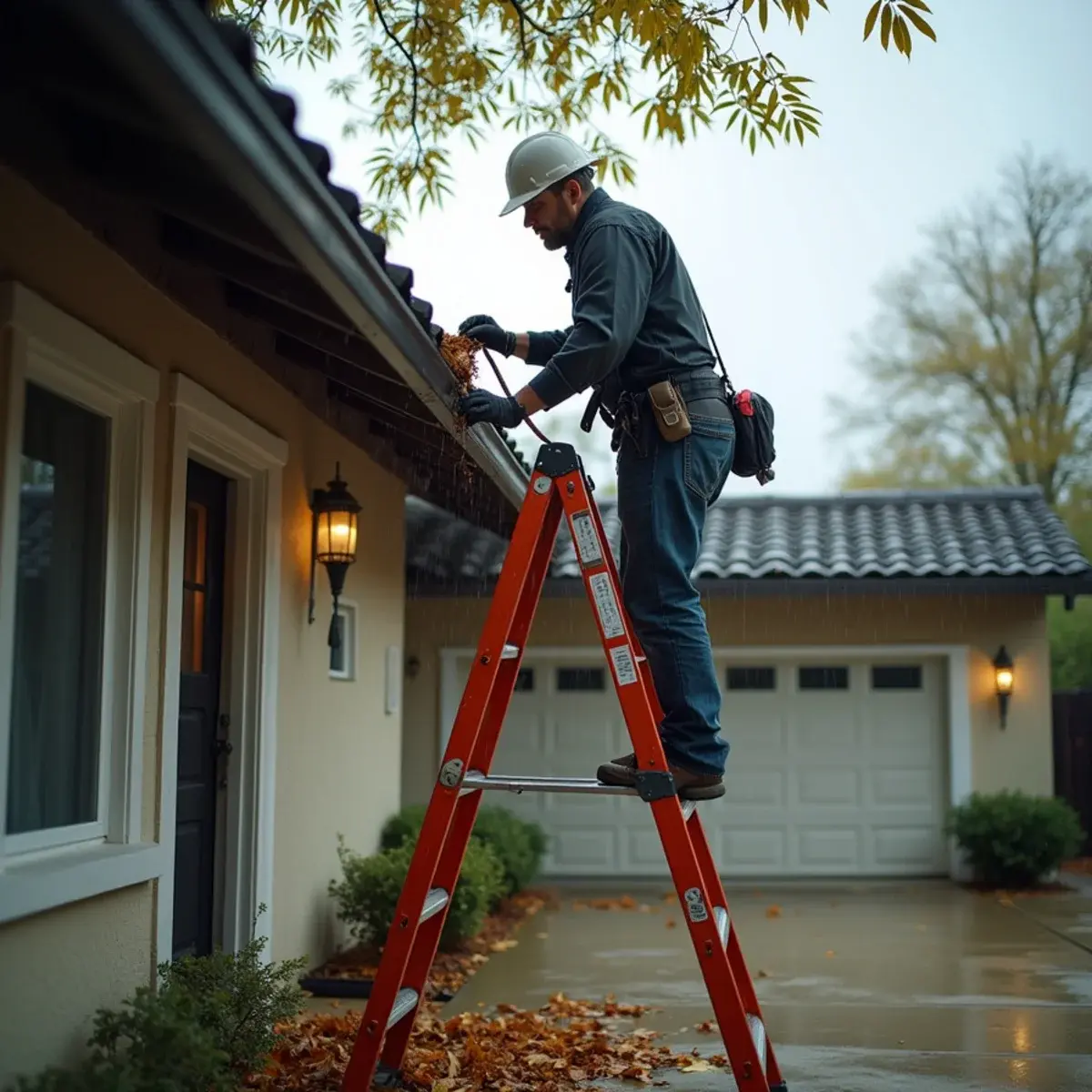
Overflowing or clogged gutters
Gutters full of leaves overflow at the fascia, sending water behind the gutter into the eave and down the exterior wall instead of away from the house.
Water intrusion at windows and sliders
Wind-driven rain finds failed perimeter caulking and gaps at window flashing. Damage shows on the interior wall below the sill.
Yard and area drains backing up
Drains that silted up over the dry season cannot take the volume, so water ponds against the foundation and enters at the slab edge or the garage.
Fallen limbs and structural impact
The mature trees that shade older Cypress neighborhoods drop limbs under wind and saturated-soil loading. Impact damage needs board-up before it needs anything else.
Patio cover and flat roof membrane failures
Aluminum and flat-membrane patio covers that tie into the house wall are a chronic leak point, and water entering there tracks straight into the wall assembly.
Our Storm Response Sequence
During an active event the order is fixed: secure the building, then assess, then dry.
- 1
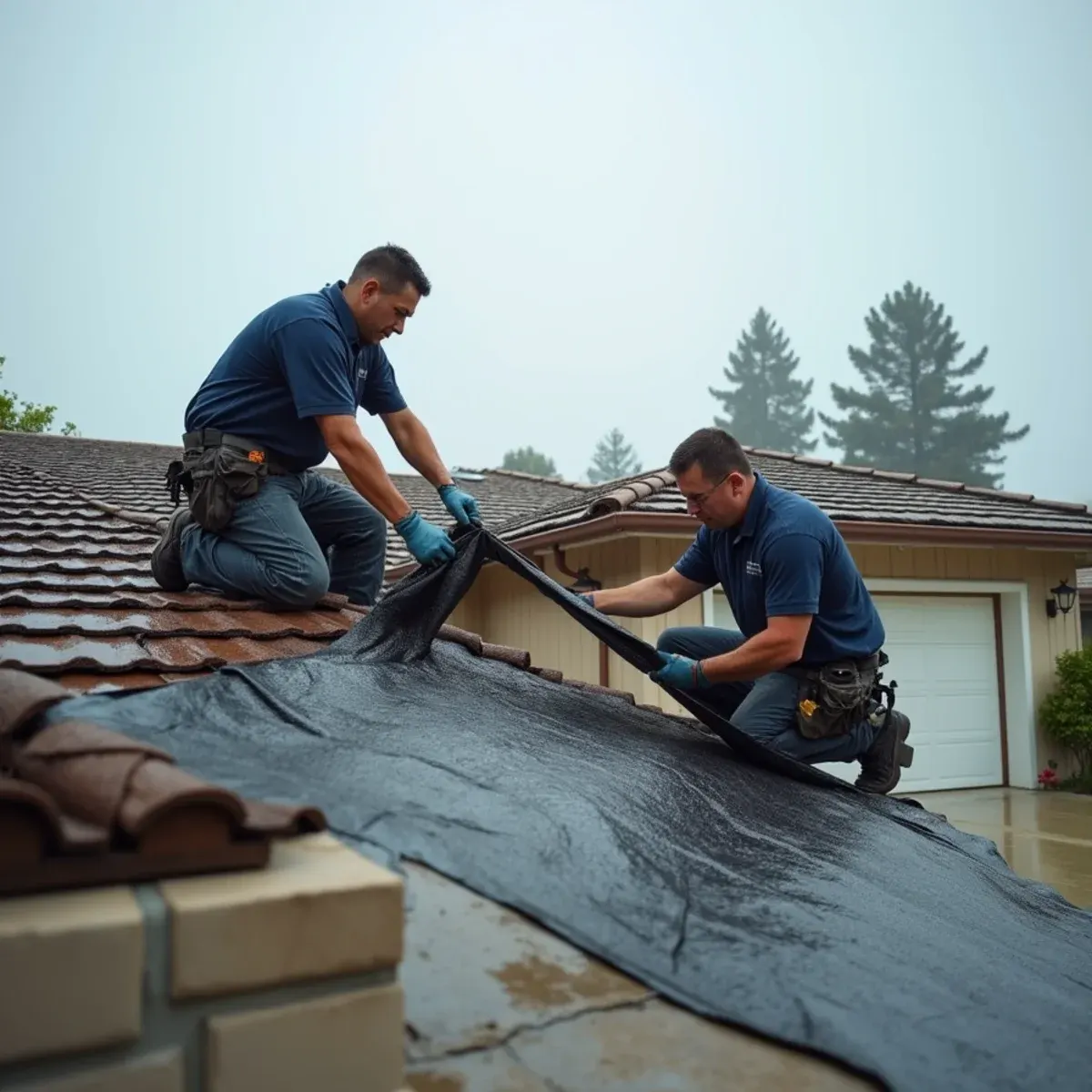
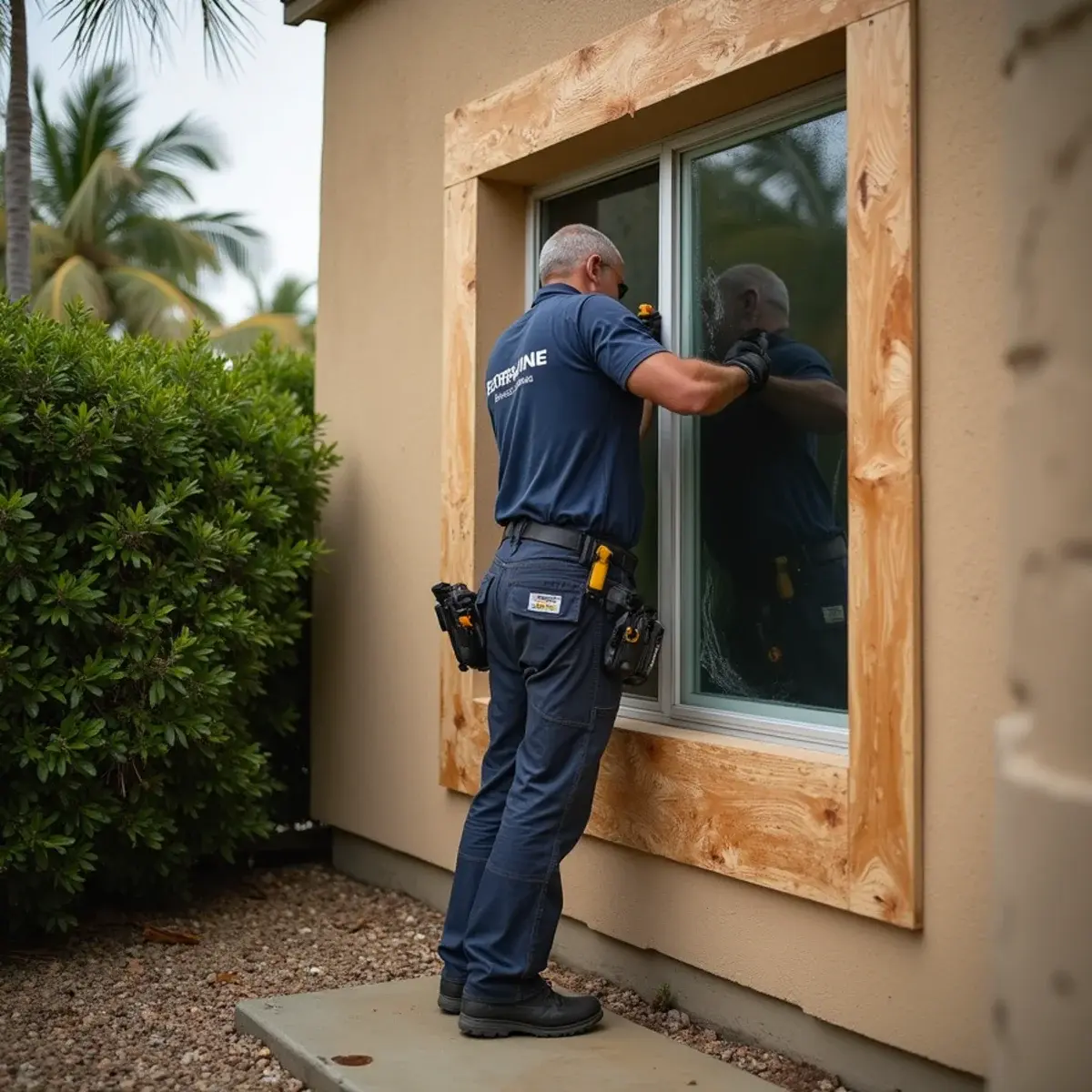
Emergency tarping and board-up
Reinforced tarps mechanically fastened over compromised roof sections, and plywood over broken openings. This is temporary by design and its only job is to stop further intrusion — which your policy requires you to do.
- 2
Water diversion and extraction
Standing water pumped out, active flows diverted away from the structure, and sandbagging where intrusion is ongoing at a threshold or garage door.
- 3
Full damage documentation
Photographs of the exterior damage, the intrusion path, and every affected interior area, dated to the storm event. This is the evidence that establishes the loss as sudden and storm-caused rather than gradual.
- 4
Interior mitigation
Wet insulation and unsalvageable material removed, drying chambers established, and Category assessment on the water — rain that entered through a roof is cleaner than water that came across the ground.
- 5
Structural drying to standard
Attic, ceiling assembly, wall cavities, and flooring dried and monitored daily until documented dry, with the whole log retained for the claim.
- 6
Permanent repairs
Roofing coordinated with a licensed roofer, then insulation, drywall, texture, paint, and flooring restored in-house so you have one schedule and one point of contact.
Why the Call You Make Tonight Matters More Than the One Tomorrow
During a significant rain event, our call volume goes up by an order of magnitude in a few hours, and so does every other restoration company's in Orange County. Crews get committed in the order calls come in.
The homeowner who calls at 9 p.m. when the ceiling first drips gets a tarp that night, which means one wet ceiling. The homeowner who waits until the rain stops Thursday morning has had water running into the attic for another eleven hours — that is a bigger claim, a longer dry-out, and a spot in a much longer queue.
So call while it is happening. Even if all we can do at midnight is tarp and set containment, that visit changes the size of everything that follows.
Getting Ready Before the Season
Almost every storm loss we respond to in Cypress traces back to something that could have been checked in an afternoon in October.
The high-value list: clear the gutters and downspouts and confirm they discharge well away from the foundation; snake out the yard and area drains, which silt up completely over a dry summer; have someone look at the rubber pipe boots on the roof, since they are cheap and they are the most common failure; check the perimeter caulking at windows and sliders; trim limbs that overhang the roof; and look at where your patio slab drains, because settled hardscape that ponds against the house is the reason a lot of garages flood.
If your home is in one of the older tracts near the Lincoln Avenue corridor or around Cypress College, add one more item: walk the perimeter during the first real rain and watch where water actually goes. Fifty years of added patios, planters, and landscaping have re-graded a lot of these lots, and the drainage problem is usually visible in about ten minutes if you are standing there while it rains.
What Storm Restoration Costs Depends On
Storm losses vary more than any other type because the damage is driven by where the envelope failed.
Size of the opening and duration of intrusion
A cracked pipe boot leaking through one storm is a modest repair. A roof section lifted off during a night of heavy rain saturates an entire attic plane and the ceilings below it.
Emergency mitigation scope
Tarping and board-up are priced by area and complexity. A steep tile roof in the dark and the wind takes longer and costs more than a flat patio section.
How many rooms the water reached
Water entering the attic spreads laterally across the ceiling plane, so a single roof failure regularly affects several rooms that share no wall with each other.
Roof condition and repair scope
The roofing repair is separate from the restoration. A localized repair on a sound roof is inexpensive. A roof already at end of life will often need replacement, and that is a roofing project.
Demand surge during a widespread event
During a major storm, materials and subcontractor availability tighten across the region. We hold our rates, but lead times on roofing and specialty materials genuinely stretch.
Insurance note: Storm damage is generally covered when it is sudden and wind- or rain-driven. What gets denied is damage attributed to deferred maintenance — a roof that was already failing, gutters that were never cleaned, or an unrepaired leak that got worse. Dated photographs from before and after the storm are the strongest thing you can have.
Why Cypress Homeowners Call Us for Storm Damage
Plenty of companies list this service. Fewer can tell you what equipment they will bring, what standard the work is measured against, or what happens if they are wrong. Here is what you are actually buying.
Water intrusion and wind damage documented separately
Policies treat them differently and adjusters look for the distinction. Separating the causes in the record protects the claim.
We stage before an atmospheric river lands
Equipment and crews are positioned ahead of a forecast event, which is why we can still respond when every restoration company in the county is committed.
Temporary protection first, restoration second
Stopping further intrusion is the first hour's work. Everything else can wait until the building is closed up.
- 20+ years restoring Orange County homes
- IICRC Certified Firm
- Licensed, Bonded & Insured
- We bill your insurance company directly
- IICRC S500:2025 compliant on every job
- 100% satisfaction guarantee — in writing, on every job
Frequently Asked Questions
During. Emergency tarping and board-up happen in the rain — that is the entire point of them. We triage by severity, so active intrusion into occupied living space goes to the front of the queue.
Sudden wind and rain damage is generally covered, including the resulting interior water damage. What gets excluded is damage from a roof that had already failed or from deferred maintenance, and flooding from water that came across the ground, which needs separate flood insurance.
A properly installed, mechanically fastened tarp holds for several weeks and will get you through the rest of the season's storms. It is a temporary measure, though — permanent roofing repair should follow as soon as it can be scheduled.
Not necessarily. Water that entered the attic soaks insulation and framing without necessarily staining the ceiling below. Getting the attic read after any leak is a twenty-minute check that regularly finds a wet insulation plane nobody knew about.
We tarp immediately and coordinate the roofing repair with a licensed roofer, then do all the interior restoration ourselves. One schedule, one point of contact, and one documentation file for the claim.
Related Reading
- Atmospheric River Prep: Getting Your Orange County Home Ready — Southern California gets a year of rain in a handful of storms. Here is the pre-season checklist that prevents most of what we get called out for.
- The Water Damage Prevention Checklist for Southern California Homes — Nearly every water loss we respond to was preventable for under two hundred dollars. Here is the whole list, by room and by season.