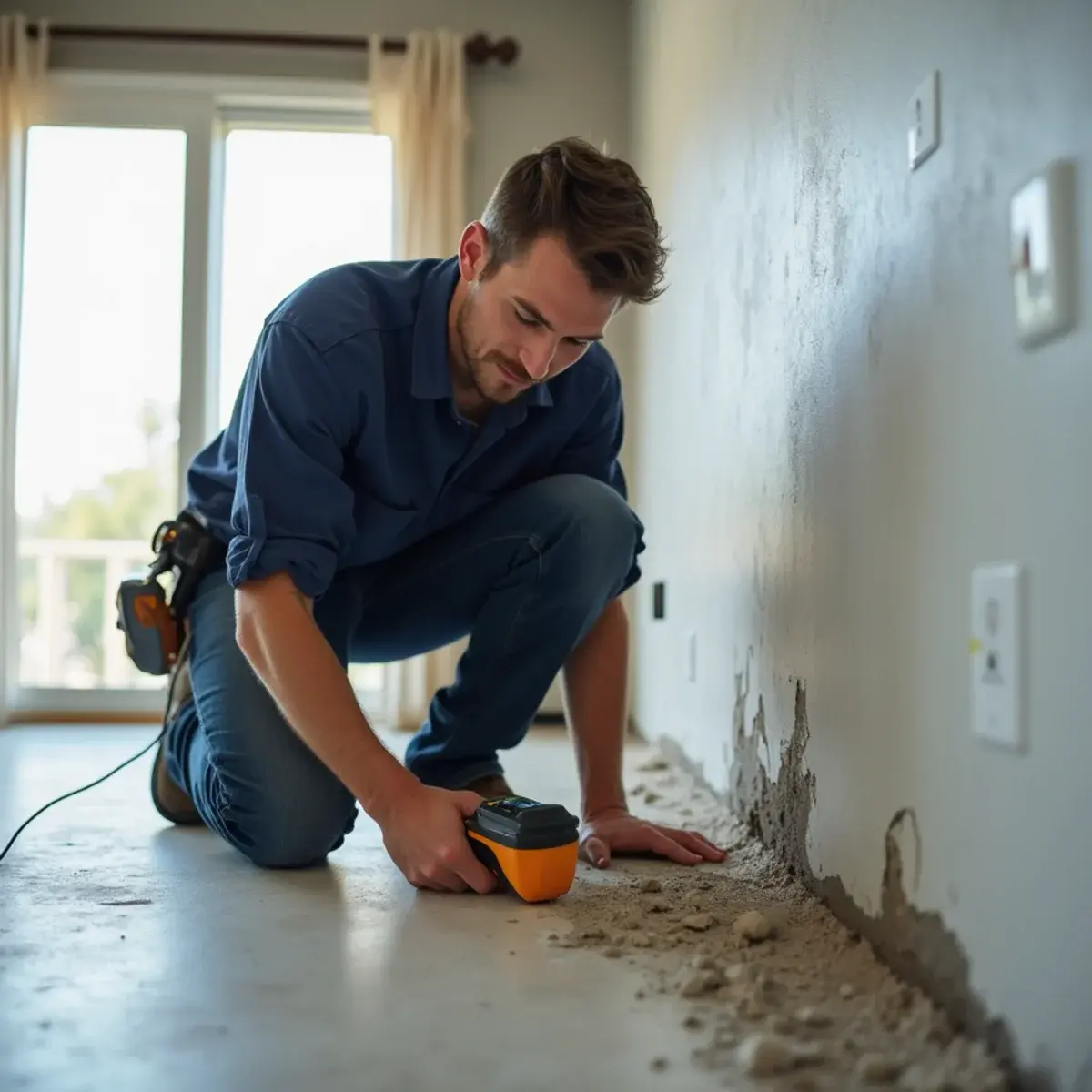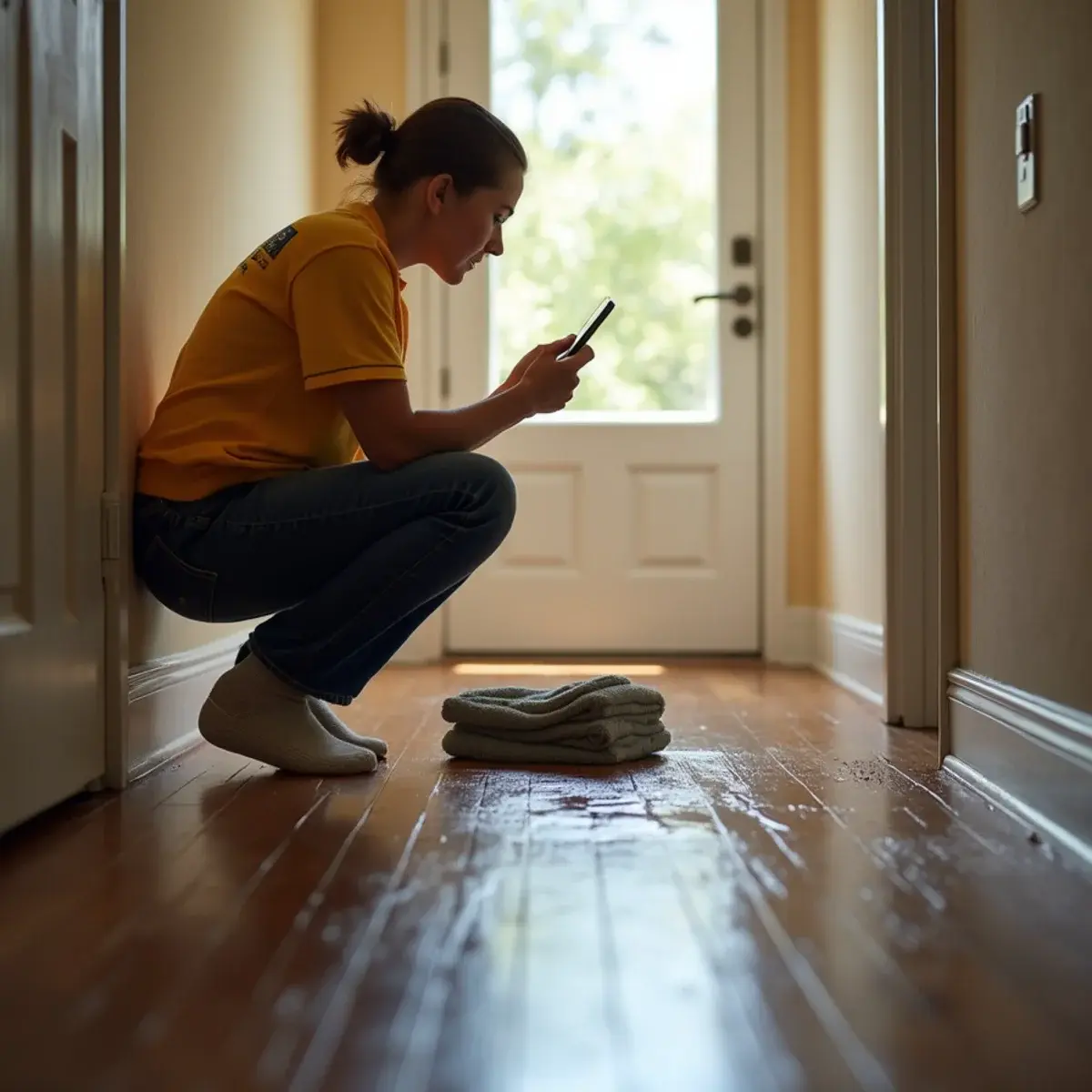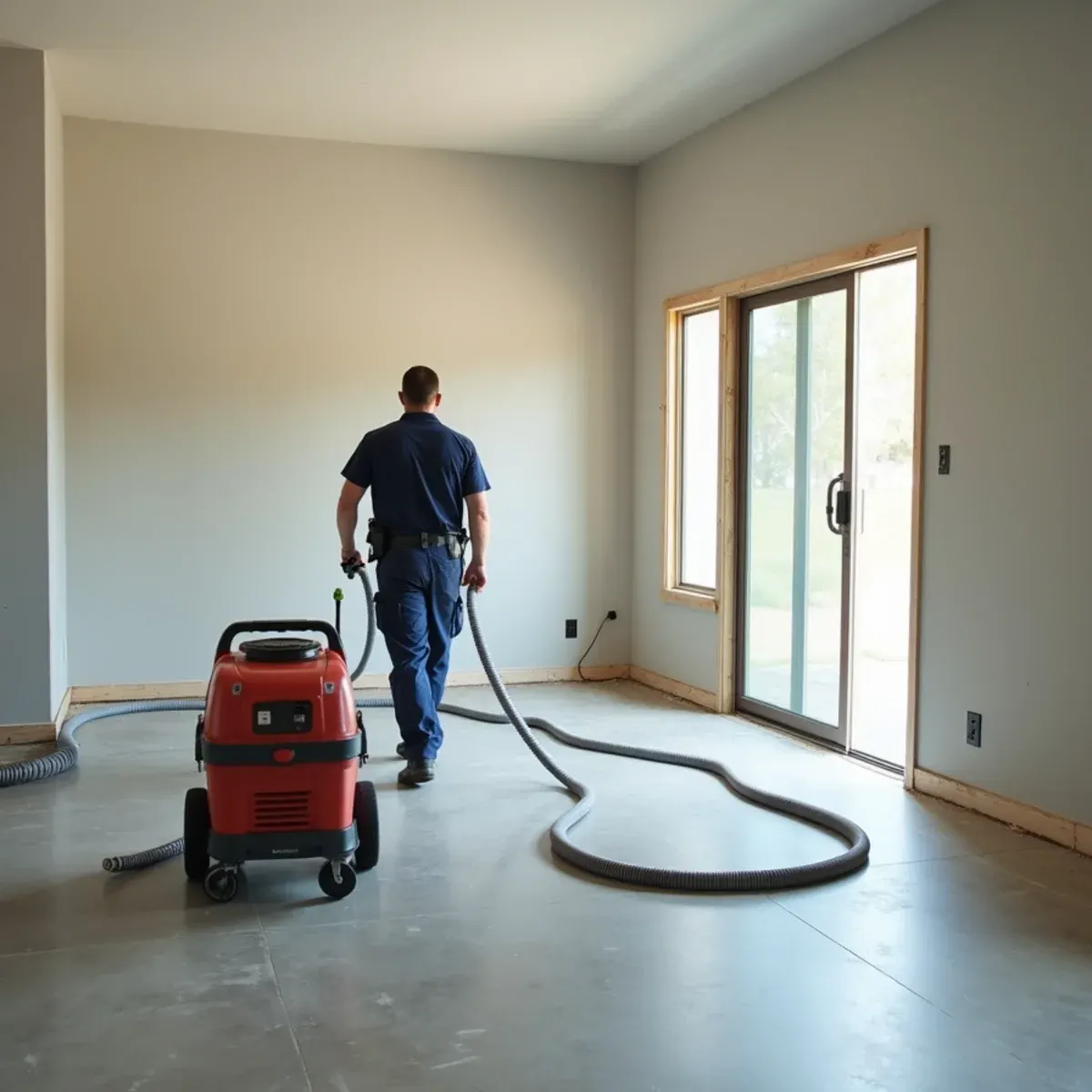
The call usually comes a few weeks after the job was signed off. New baseboard, fresh paint, the floors back down — and then one warm afternoon the smell is back. Faint at first. Strongest near a vent, or in one closet, or right when the air conditioning kicks on. Nothing looks wrong anywhere. Homeowners find that maddening, and it is also the most useful thing they can tell us. Odor is not a mood in a room. It is airborne chemistry coming off a physical residue still sitting somewhere in your home, and it keeps coming off until someone finds it and takes it out.
Deodorization gets mishandled because the consumer version of it is fragrance. Scented foggers, cherry-smelling counteractants, an ozone machine rented for the weekend — those change what you smell without changing what produces the smell. Some work for a day. Then the residue keeps volatilizing, your nose adjusts to the masking agent, and you are back where you started with less money. The honest framing is that odor is a diagnostic problem, not a fragrance problem. The question is never which product to spray. It is where the material sits that is still off-gassing, and what has to come apart to reach it.
IICRC S500:2025 draws a line most homeowners never hear about: drying and cleaning are separate requirements. A structure can meet every documented drying goal and still be unrestored, because the residue was never removed. So the sequence runs one direction. Take out the source material, filter the air, clean the surfaces that stay, seal only what genuinely cannot be cleaned, and treat the air last. We will also tell you when the smell is not ours to fix. A dry floor drain or new carpet off-gassing does not need a restoration crew, and we would rather say so on the phone.
Signs the Odor Is Coming From Residue, Not the Air
Recurring odor follows a pattern, and the pattern usually tells us where to look before we open anything up.
The smell arrives when the HVAC cycles on
The house is fine in the morning, the system kicks on, and the odor comes in with the air. That points at the duct interior, the air handler cabinet, or attic insulation the supply runs pass through — not the room you happen to be standing in.
One closet or one corner is always worse
Odor concentrates where air moves least: a closet on an exterior wall, the corner behind a sofa, the cabinet under a sink. Walk the house slowly and note where it intensifies. That gradient is a map, and it usually tightens to within a few feet of the residue.
Musty and earthy rather than dirty
That specific smell is microbial volatile organic compounds, the metabolic byproduct of active growth. It means something is still damp enough to feed it. A musty odor after a completed dry-out means a pocket of the assembly never actually reached dry standard.
Smoke odor that returns on humid days
Heat and humidity speed up how fast absorbed smoke residue off-gasses out of framing, insulation, and subfloor. A house that smells clean in January and smells like a fire in August has residue left in a cavity. No amount of filtration reaches that.
Sewer smell that changes with drain use
Intermittent sewer gas tied to running a washer or shower usually means a venting or trap issue rather than contamination. Constant sewer odor after a backup means contaminated material — pad, subfloor, wall base, cabinet toe kick — was left in place during cleanup.
Pet odor that got worse after cleaning
Urine salts pull moisture out of the air. Wetting them with a rental carpet machine, without full extraction and neutralization, rehydrates the deposit and pushes it deeper into pad and subfloor. Odor peaking a day after a cleaning means it reached the layer underneath.
How We Remove Odor at the Source
Every step exists to reduce how much residue is left behind, in the order that reaches the most of it.
- 1
Locate the residue
We work the house in sections by nose first, then confirm with instruments — moisture meters and thermal imaging for damp pockets, a borescope through a small hole to see inside wall cavities, direct inspection of the attic, duct interiors, and the subfloor under the pad. We do not propose treatment until we can point at what is making the smell.
- 2
Remove what holds it
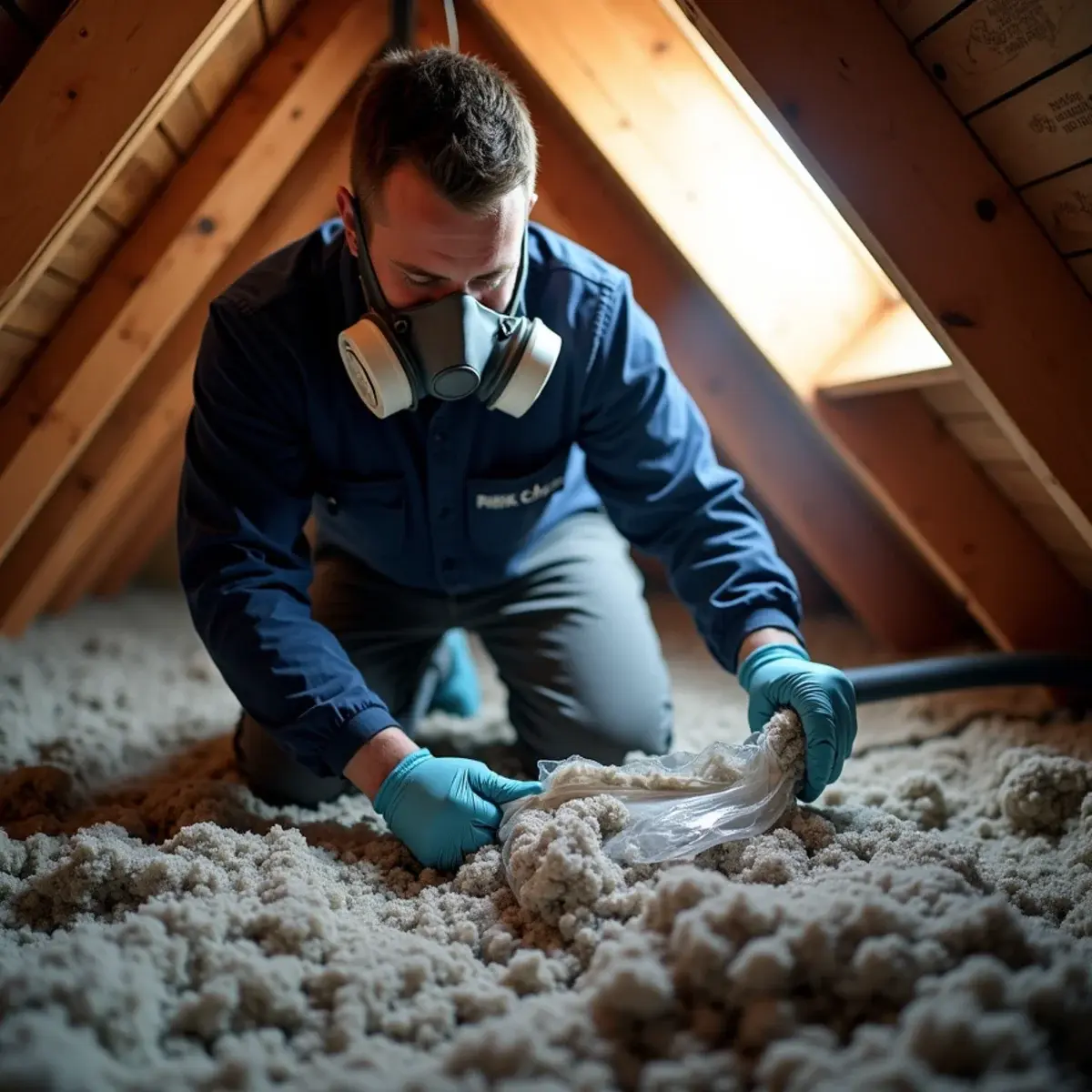
Porous material that has absorbed residue does not clean, it comes out: carpet pad, wet insulation, the bottom of contaminated drywall, saturated cabinet toe kicks, smoke-loaded attic batts. Where the interior of flex duct is coated, replacement is cheaper and more reliable than cleaning the liner. This step does more for odor than every machine we own.
- 3
Clean the surfaces that stay
Framing, subfloor, and hard surfaces get HEPA vacuumed first so nothing gets pushed into the air, then washed with chemistry matched to the source — detergent for soot, an enzyme digester for protein and urine, an oxidizer for sewage residue. Agitation and dwell time matter more than the name on the label.
- 4
Filter the air while we work
HEPA air scrubbers run in the work area from the first day, exchanging the air several times an hour and capturing the fine particulate that carries much of the odor. On sewage and smoke work we also set negative pressure, so nothing migrates into clean parts of the house while material is coming out.
- 5
Seal only what cannot be cleaned
Some surfaces hold residue permanently: old plank subfloor, charred or smoke-soaked framing, a stained slab. Those get a pigmented shellac-based sealer that locks what remains under a film. Sealing is a legitimate last resort on material that cannot come out, and a dishonest shortcut when it goes over material that should have been removed.
- 6
Treat the air, then verify
Hydroxyl generators run in occupied homes and alongside drying equipment. Ozone is stronger but only goes into a fully vacated structure, with a defined off-gas period before anyone comes back in. Then we leave it alone, run the HVAC a couple of days, and return on a warm afternoon — the conditions that bring odor back — to confirm it did not.
Hydroxyl Generators, Ozone, and What Each Does
Both machines work by oxidation. They break odor molecules apart chemically instead of covering them, which is why we use them and not a fragrance. The difference is strength and safety. A hydroxyl generator uses UV light to produce hydroxyl radicals in ambient air, and it is mild enough to run in an occupied home, around pets and houseplants, alongside drying equipment. So we can start it on day one instead of waiting. It works slowly, usually over several days, and it is most effective on airborne odor and lightly bound surface residue.
Ozone is a far stronger oxidizer and it is not safe to breathe. It goes into a fully vacated structure only — no people, no pets, no plants — and needs an off-gas period before reentry. It also attacks elastomers, so rubber seals, latex paint sheen, leather, and some adhesives can degrade during a long, heavy cycle. Used correctly on a vacant home it is effective and often the faster path. Used as a substitute for removing residue, it buys a few weeks and nothing more.
Neither one solves what it cannot reach. Gas does not meaningfully penetrate a sealed wall cavity, packed attic insulation, the back of a cabinet run, or the underside of a subfloor — the exact places residue hides. Run either machine over an unopened wall and you treat the air in the room while the source keeps feeding it. That is why source removal comes first and air treatment comes last, every time. Any proposal that leads with a machine is selling you the easy part of the job.
- Hydroxyl: safe in occupied homes, runs during drying, slower, treats air and exposed surfaces
- Ozone: vacant structures only, short aggressive cycles, off-gas period required before reentry
- Neither penetrates wall cavities, attic insulation, duct interiors, or the underside of a subfloor
- Neither is a substitute for removing the material that is actually producing the odor
When the Smell Is Not a Restoration Problem
A fair share of the odor calls we take do not need us, and we would rather say so on the phone than send a truck. The most common by far is a dry P-trap. A guest bathroom, a laundry standpipe, or a garage floor drain that has gone unused for weeks lets the water seal evaporate, and sewer gas comes straight up the pipe. Pour a gallon of water down it, add a splash of mineral oil to slow the next evaporation, and the smell is usually gone by evening.
Other odors have a specific fix that is not deodorization, and air treatment will not touch any of them. Matching the smell to its mechanism first is what keeps you from paying for the wrong service. A company that quotes an ozone cycle without asking when the odor shows up, whether it tracks with plumbing use, and whether the home has any water history is guessing. Twenty minutes on the phone narrowing it down costs nobody anything, and it is how we would want it handled at our own house.
- Sewer smell only near one toilet — usually a failed wax ring, which is a plumbing repair
- Sewer smell through the house on windy days — often a blocked or badly terminated vent stack
- Sharp chemical smell after new flooring — adhesive and carpet off-gassing, which fades with ventilation
- Sweet, rotting smell in a wall with no water history — commonly a dead rodent; call pest control
- Any rotten-egg smell you suspect is natural gas — leave the house and call the gas company or 911, not us
Attic Ductwork and the Whole-House Smell
Most of the 1950s through 1980s tract housing in Cypress, Lakewood, Cerritos, Norwalk, and La Palma is slab-on-grade with the furnace and flex duct sitting up in a vented attic. That layout is why a leak in one corner of a house so often produces a smell in every room. A roof leak or a failed supply line wets attic insulation, the insulation sits on and around the duct runs, and every cycle distributes that air to every register. Homeowners describe the whole house as smelling, which leads to whole-house treatment when the residue is in one part of one attic.
The pre-war raised-foundation homes in Old Towne Orange, Uptown Whittier, Old Town Tustin, and the Anaheim Colony hold odor differently. Residue ends up in crawl space soil and on the underside of a plank subfloor, where nothing done inside the living space reaches it. Along the coast — Seal Beach, Huntington Beach, Long Beach, Costa Mesa — the overnight marine layer pushes indoor humidity into the seventies for hours, which is exactly when absorbed residue off-gasses hardest. Hence the smell that returns at night and on the first humid week of summer.
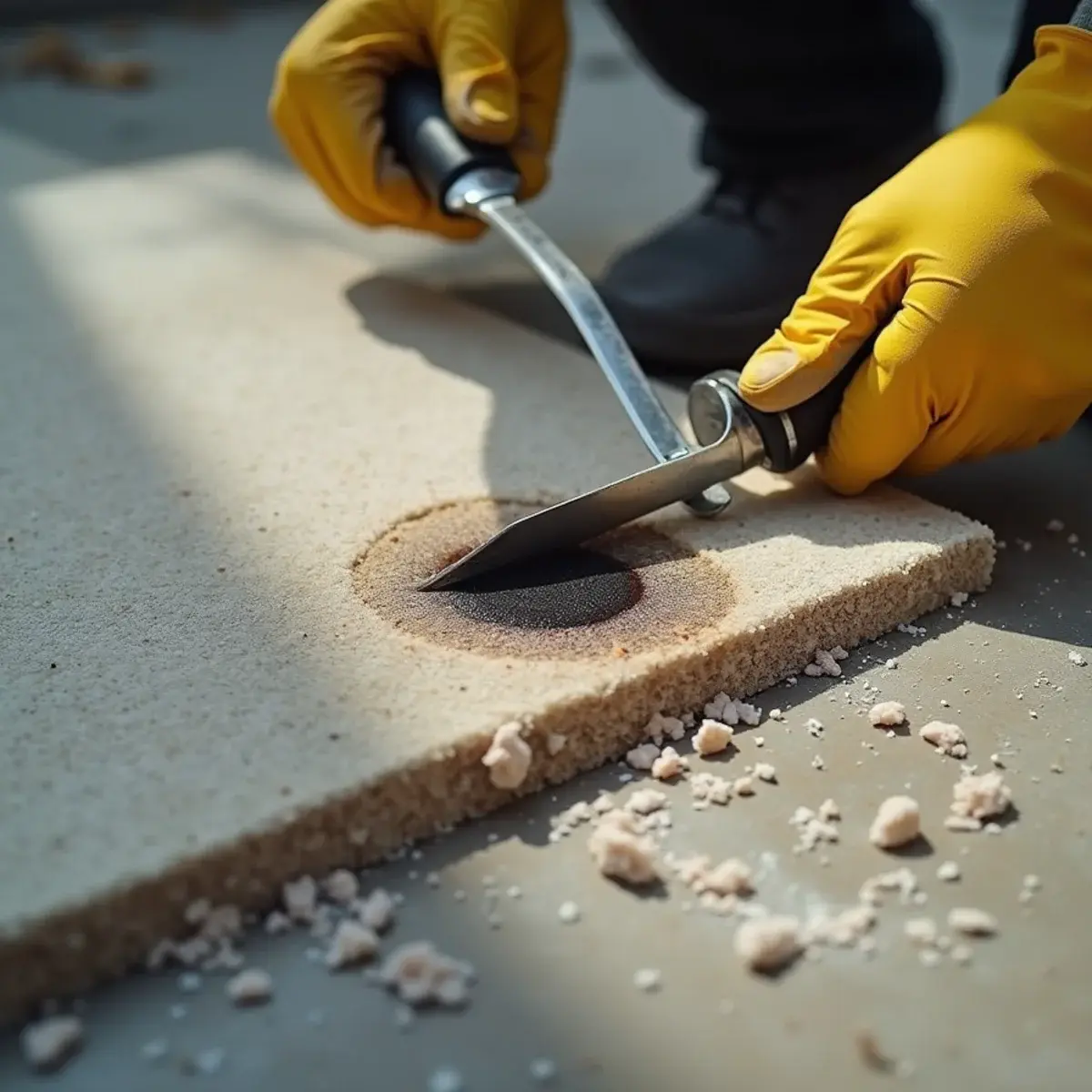
What Odor Removal Costs Depends On
Nearly all of the cost sits in reaching and removing residue; the air treatment itself is the smaller line.
How much material comes out
One room of pad and baseboard is a short job. Attic insulation across a whole house, wall cavities opened along three rooms, or a full duct replacement is a different scope, and the demolition plus disposal drives more of the total than any equipment on the estimate.
Where the residue ended up
Accessible drywall is straightforward. Residue in a cavity behind tile, under a run of kitchen cabinets, in a crawl space, or in an attic with low clearance and blown-in insulation costs hours before any cleaning starts. Access, not affected area, is the number that surprises people.
The type of odor involved
Musty MVOC odor often resolves once the assembly is genuinely dry. Protein, urine, and sewage residue need enzyme treatment and repeat passes. Smoke is the most labor-intensive of the four, because it went everywhere air went and usually needs sealing after the cleaning is done.
Occupied or vacant during treatment
A vacant home can take a short, aggressive ozone cycle. An occupied home runs hydroxyl generators instead, which are safe with people and pets in place but need more days on site to do the same work. Equipment days, rather than equipment type, is what shows up in the cost.
What gets rebuilt afterward
Odor work usually means opening finished surfaces. Drywall patching, texture matching, paint, new insulation, baseboard, and flooring are their own scope, and in the older housing around here, matching a 1960s wall texture or a discontinued floor is often more work than the removal was.
Insurance note: Deodorization is a standard line item on the estimating platforms carriers use, and it is generally covered when it follows a covered loss — a burst supply line, a sewage backup, a fire. It is not covered when the source is pet damage, smoking, cooking, or years of humidity, because those are maintenance, not sudden events. When odor returns after a claim closed, reopening the original loss is usually the right path, and we document where residue was found.
Why Cypress Homeowners Call Us for Odor Removal
Plenty of companies list this service. Fewer can tell you what equipment they will bring, what standard the work is measured against, or what happens if they are wrong. Here is what you are actually buying.
Source removal before any treatment
Odor is material. If the affected drywall, pad, or framing is still in place, deodorizing only covers it for a few weeks.
Hydroxyl over ozone in an occupied home
Hydroxyl generators work with people and pets in the building. Ozone requires the house to be emptied and can damage rubber and soft goods.
The HVAC is treated as part of the room
Ducting holds odor and recirculates it. Skipping the system is why a house smells fine on the day of completion and musty a week later.
- 20+ years restoring Orange County homes
- IICRC Certified Firm
- Licensed, Bonded & Insured
- We bill your insurance company directly
- IICRC S500:2025 compliant on every job
- 100% satisfaction guarantee — in writing, on every job
Frequently Asked Questions
It may mask it for a few weeks. Rental units are usually undersized for a whole structure, and they treat air rather than the material producing the odor. They also should not run with anyone home, and long heavy cycles can degrade rubber seals, leather, and paint sheen. If the residue sits in a wall cavity or under the flooring, no amount of ozone reaches it.
Because residue was left somewhere. That is the answer nearly every time. The usual spots are attic insulation, the inside of flex duct, the wall cavity behind drywall that was replaced but never cleaned, the subfloor under new flooring, and the back of a cabinet run. Drying a structure to standard does not remove residue, so a job dried correctly can still smell if cleaning stopped at visible surfaces.
Often, though not always, and we will tell you which before starting rather than after. Urine soaks through pad into plywood or plank and crystallizes there. We pull carpet and pad, extract and neutralize with an enzyme digester, give it real dwell time, then seal with a pigmented shellac where the deposit went deep. Where urine saturated sheathing over years, replacing that section is the honest recommendation.
Usually not. Hydroxyl generators are built to run in occupied spaces, which is why we reach for them first. You need to leave only if we run ozone, which requires a fully vacated structure including pets and houseplants, plus an off-gas window before anyone returns. Demolition phases on sewage or smoke work can also be reason to stay elsewhere a day or two, and we say so upfront.
Give it a warm, humid stretch with the HVAC running. Odor off-gasses fastest under heat and moisture, so a house can smell fine for two cool weeks and then tell the truth on the first hot afternoon. We run the system for a couple of days after treatment and come back to check under those conditions. If it reappears, we go back to hunting residue rather than adding another cycle.
Related Reading
- How Fast Does Mold Grow After Water Damage? — The commonly cited window is 24 to 48 hours. Here is what that actually means, what makes it faster, and where the real deadline sits.
- What to Do in the First 30 Minutes After Water Damage — The half hour after you find water on the floor determines a surprising amount of what the repair costs. Here is exactly what to do, in order.