
Ten minutes separates two completely different jobs in Brea. Downtown holds small houses from the 1920s oil-boom years, some on raised floors, with old framing and original plaster that absorb odor and cannot simply be torn out and replaced. Push north toward Carbon Canyon and it is 1990s and 2000s hillside tract on slab, with slope drainage, retaining walls and canyon runoff that arrives fast and concentrated during a storm. The smell a homeowner describes on the phone is similar in both. What has to come apart to end it is not.
In the canyon-adjacent tracts we see repeat exterior entry: water over a saturated slope, past a drain that could not keep up, into the base of a wall. That wall dries partway, wets again the next storm, and holds a musty MVOC odor that never fully clears. The Brea Olinda field shaped these northern hills, and the ground up there holds water differently than the flat cities south of here. A few blocks off Brea Boulevard, by contrast, the water is usually interior and old, and the framing has had years to absorb it.
What Brea Changes About Odor Removal
1Canyon storms deliver water in bursts
Runoff out of Carbon Canyon does not arrive gradually. A concentrated storm can overwhelm slope drainage in an hour and put water against the uphill side of a house that has never had a problem. Because the entry repeats every big storm, the wall never fully dries between events, and that is the condition that keeps odor coming back after new drywall goes in.
2Downtown stock cleans rather than demos
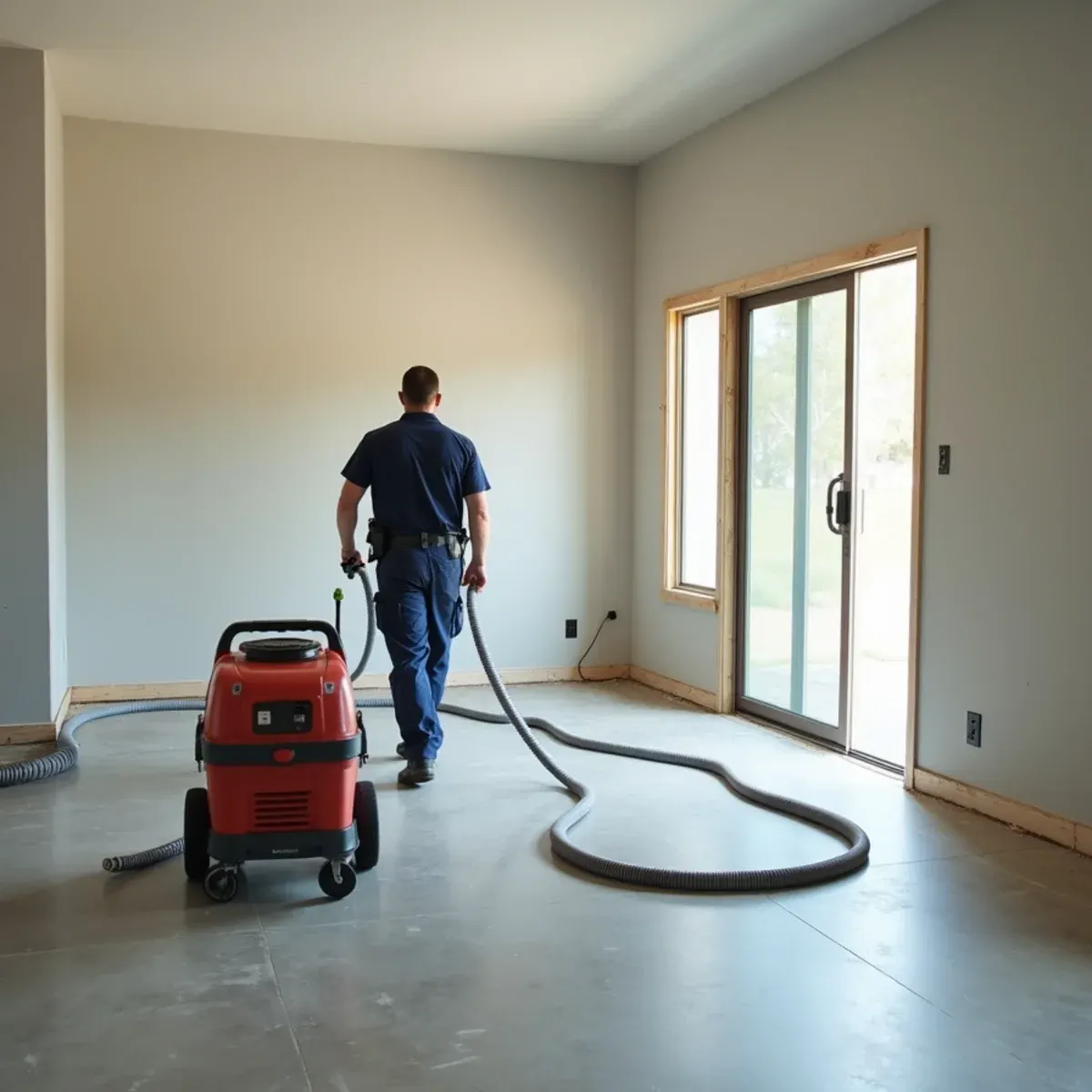
The small houses from the oil-town years have plaster, old-growth framing and trim that is no longer manufactured. We lean on HEPA vacuuming, detergent washing with real dwell time, and sealing only where material genuinely will not release the residue, instead of cutting out everything that smells. It costs more labor hours and saves finishes a homeowner cannot buy back.
3Not every earthy smell is mold
In the northern hills, soil and vegetation odors get drawn into a house under negative pressure from a running dryer or an unbalanced HVAC system, and they read as musty at the floor line. We check pressure and entry points before quoting removal. Telling a homeowner the smell is coming in from outside costs us a job and saves them a demolition.
How the Work Runs
The method is the same one we use on every odor removal job, documented to the IICRC S500:2025 standard. Here it is in short — the full odor removal & deodorization process explains each stage in detail.
- Locate the residue
- Remove what holds it
- Clean the surfaces that stay
- Filter the air while we work
- Seal only what cannot be cleaned
- Treat the air, then verify
The Brea Background Worth Knowing
Brea's hillside tracts were designed to handle rain. Terrace drains catch runoff partway up a slope, v-ditches carry it around the toe, area drains take the flat yard, and everything ties into a system that moves water past the house rather than through it. The design works. What fails is maintenance. Over a dry summer those inlets fill with eucalyptus leaf litter, decomposed granite, and whatever the wind brought down the canyon, and nobody looks at them because they sit on a slope behind a fence. The first hard storm of the season finds every one that is blocked.
There is more on the housing stock, drainage and plumbing history of this city on our water damage restoration in Brea page.
Brea at a glance
- Dominant construction era
- 1920–2005
- Foundation type
- mixed on grade
- Supply piping found here
- galvanized steel, under-slab copper, PEX in newer hillside tracts
- Drain line materials
- cast iron, clay, ABS
- Terrain and water table
- hillside-mixed, deep water table
- Most common local failure
- canyon and hillside runoff overwhelming slope drainage during concentrated storms
- Highest-value local prevention
- keeping Carbon Canyon-side slope drains, v-ditches and downspout extensions genuinely clear
What It Costs in Brea
We do not quote a number over the phone before seeing the property — anyone who does is guessing. The variables that actually move the price on a odor removal job are how much material comes out, where the residue ended up, the type of odor involved, and they are broken down in full on the odor removal & deodorization page. The assessment and the written estimate are free anywhere in Brea, day or night, with no obligation.
Odor Removal Questions from Brea Homeowners
Not on its own. If slope water is still entering at the same point, every storm re-wets the material we just cleaned and the odor returns within weeks. The order that works is drainage first, meaning clear terrace drains and wall weeps and correct the grade above the house, then open the wetted section, remove what absorbed the water, and treat. We will do the assessment any time of year, but we sequence the work that way.
It may mask it for a few weeks. Rental units are usually undersized for a whole structure, and they treat air rather than the material producing the odor. They also should not run with anyone home, and long heavy cycles can degrade rubber seals, leather, and paint sheen. If the residue sits in a wall cavity or under the flooring, no amount of ozone reaches it.
Because residue was left somewhere. That is the answer nearly every time. The usual spots are attic insulation, the inside of flex duct, the wall cavity behind drywall that was replaced but never cleaned, the subfloor under new flooring, and the back of a cabinet run. Drying a structure to standard does not remove residue, so a job dried correctly can still smell if cleaning stopped at visible surfaces.
Usually not under a standard homeowners policy. Water that runs across the ground and enters a building is surface water, and that is an excluded cause on nearly every form, whether it came off a Carbon Canyon slope or out of the street. Separate flood coverage handles it. Damage from a covered failure is a different story, so let us document the entry point and cause before anything gets cleaned up.