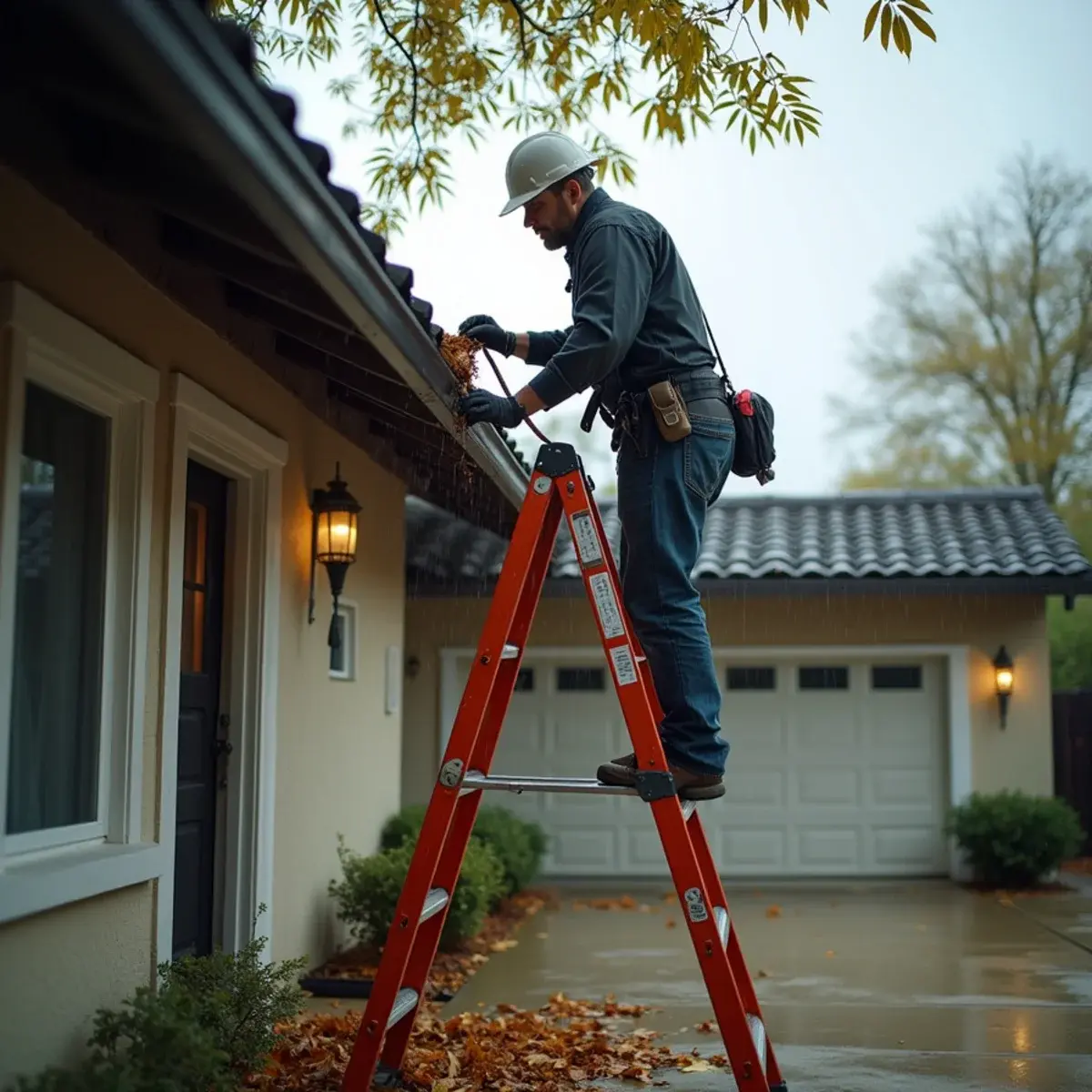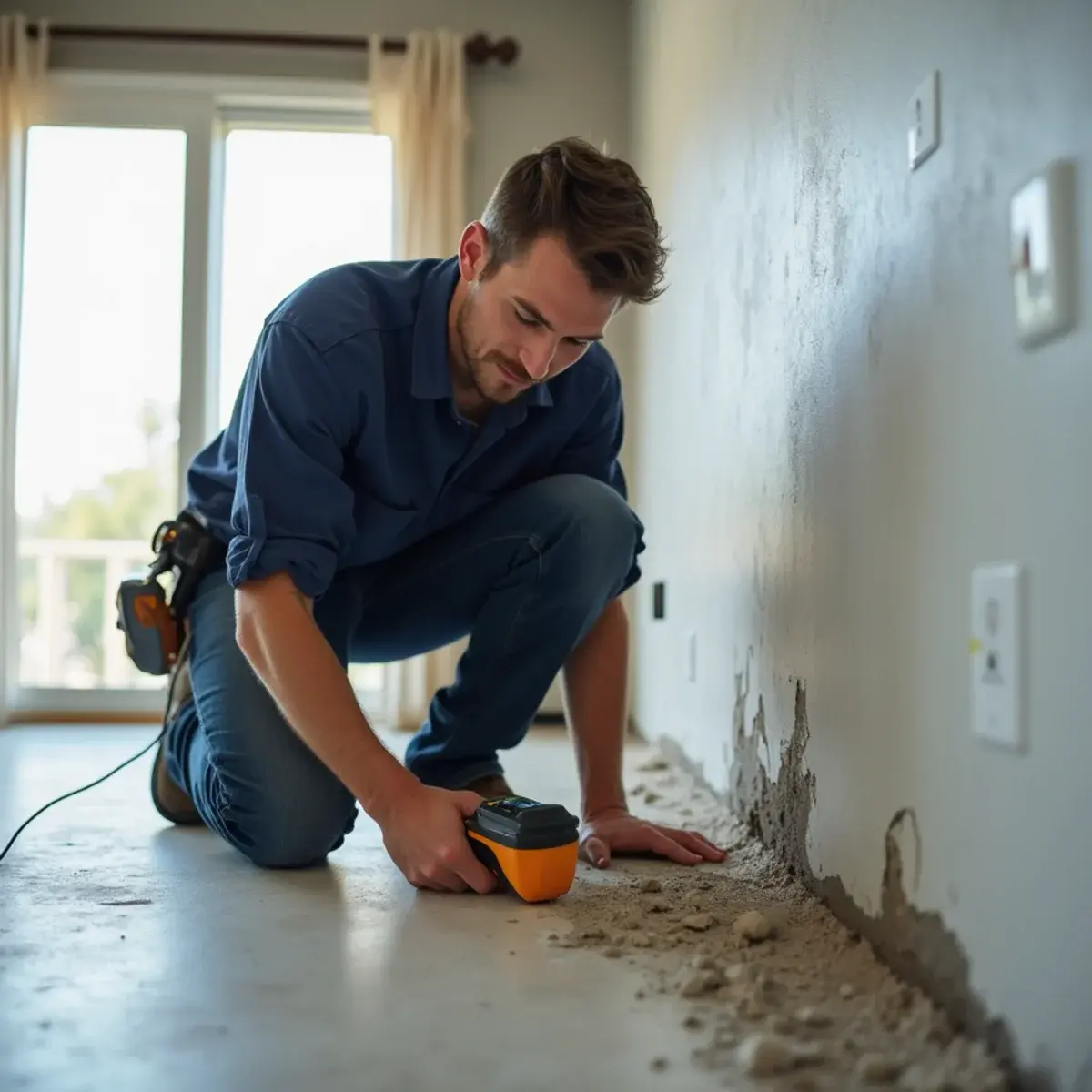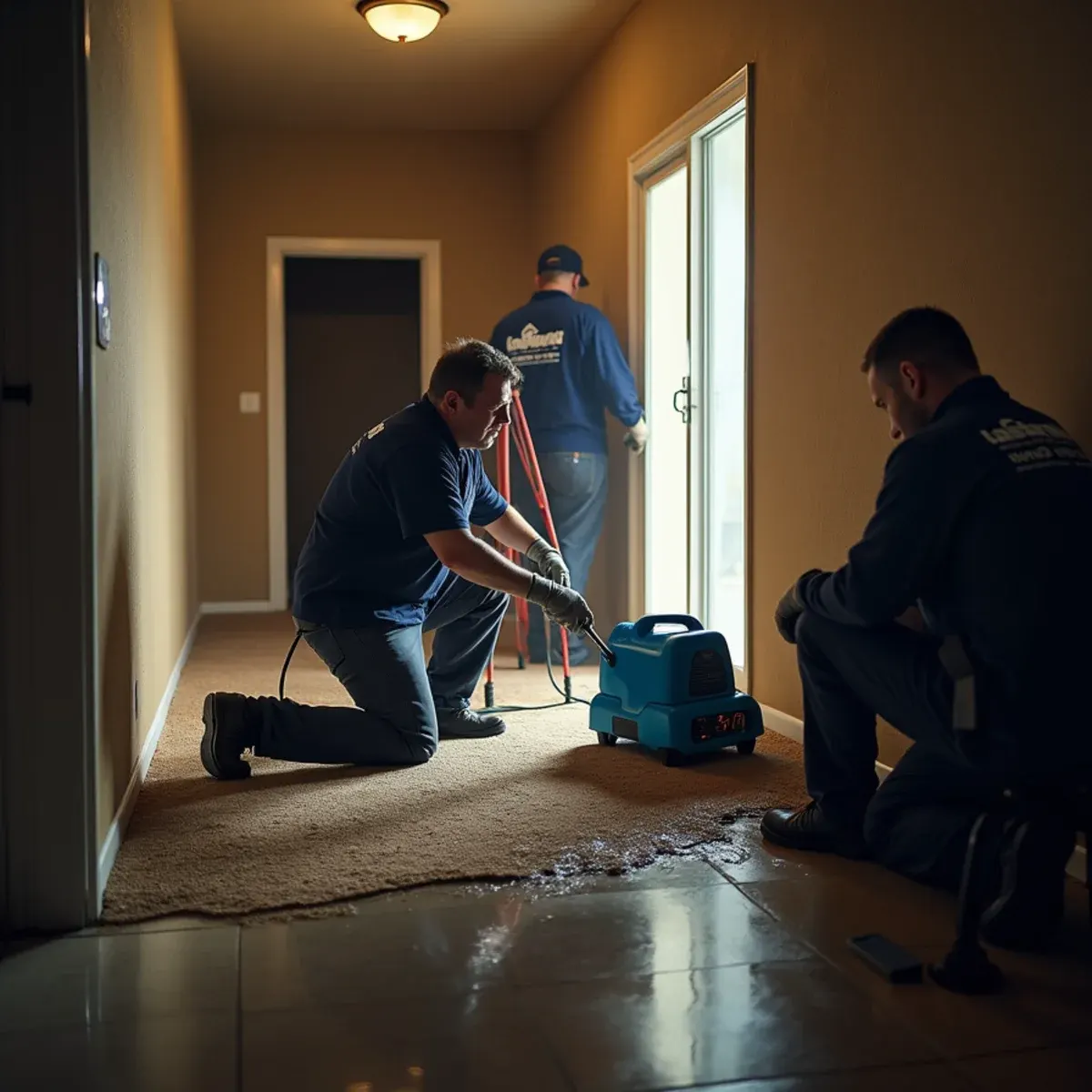
Restoration technicians extracting water from a Cypress home living room during a night emergency call

Cypress, CA · 24/7 Emergency Service

Water Damage Restoration in Cypress, CA

A burst pipe at 2 a.m. does not wait for business hours, and neither do we. Locally based on Katella Avenue with IICRC-certified crews, a written 60-minute response guarantee, and direct insurance billing.

  • 60-minute response
  • IICRC Certified Firm
  • Licensed, Bonded & Insured
  • We bill insurance direct
  • 60 min

    On-site response, guaranteed in writing

  • 20+ yrs

    Restoring Orange County homes

  • IICRC

    Certified crews · IICRC S500:2025

  • $0

    Upfront on covered claims — we bill insurance

Free, no obligation

Get Your Free Estimate

Tell us what happened and a project manager will call you back. If water is actively spreading right now, skip the form and call — we answer in three rings, day or night.

(201) 277-9344
  • On-site within 60 minutes of your confirmed emergency call anywhere in Cypress — or we credit $100 off your final invoice.
  • Free on-site estimates, 24/7
  • We bill your insurance company directly
  • 100% satisfaction guarantee — in writing, on every job

24/7 Emergency ServiceLicensed, Bonded & InsuredFree on-site estimates, 24/7

Before we get there

What to Do in the First 30 Minutes

What you do before a crew arrives changes how much of your home is saved and how much of your claim gets paid. Five things, in order.

  • We answer in 3 rings
  • Truck rolls in 30 minutes
  • On-site in 60 minutes
  • Or $100 off your invoice
  1. Step 1

    Shut off the water at the main

    If you can reach it safely, close the main supply valve before anything else. Every minute it stays open is more water in the wall cavity. Find that valve today, while nothing is wrong — most Cypress homes have it at the front of the house near the hose bib or in a box at the property line.

  2. Step 2

    Photograph everything before you touch it

    Wide shots of each affected room, then close-ups of the water line on the baseboards, the soaked carpet, the ceiling stain, and any damaged belongings. Video narrated as you walk works even better. Adjusters pay on evidence, and cleanup destroys evidence.

  3. Step 3

    Do not use a household or shop vacuum

    Standing water and a consumer vacuum is an electrocution risk, and it will not move a meaningful volume anyway. Leave the water where it is. Extraction is a fifteen-minute job for a truck-mounted unit and a genuine hazard for a shop vac.

  4. Step 4

    Move what is still dry to dry ground

    Electronics, paperwork, photographs, rugs, and anything with a fabric base. The first hour decides what is salvageable and what goes in the dumpster. Lift furniture legs onto foil or blocks so the stain does not bleed into wet carpet.

  5. Step 5

    Open windows — but leave the HVAC off

    Cross-ventilation helps if the weather is dry. Ceiling fans and the air handler do not: if water has reached vents, ducting, or anything electrical, running the system spreads moisture and contamination through the whole house. Switch it off at the thermostat and leave it off.

Water is still spreading while you read this. Call (201) 277-9344 and we will talk you through your specific situation while a truck is on the way.

What we do

Complete Water Damage Services in Cypress

Every phase of a water loss under one contract — from the first extraction at midnight to the final coat of paint. 30 services, all handled in-house.

How the job actually runs

From Your First Call to the Final Moisture Reading

Seven phases, every one of them measured against IICRC S500:2025 — the current standard for professional water damage restoration. Most companies will not show you this. Here is the whole thing.

  1. 01Minute 0

    Your call and our dispatch

    A real person answers — three rings, any hour. We take your address, what you think the source was, how many rooms are wet, and whether the water is still running. That last answer changes what goes on the truck before it leaves.

    • Truck rolls within 30 minutes
    • On-site within 60 minutes anywhere in Cypress
    • Safety instructions on the call, before we arrive
  2. 02Hour 1

    Assessment and moisture mapping

    An IICRC-certified technician walks the loss and finds the edge of it. Thermal imaging and pin and pinless moisture meters read what your eyes cannot — water travels under flooring and wicks up drywall well past the wet patch you found.

    • Water category and class established on arrival
    • Thermal images and readings logged room by room
    • A written scope before any equipment is set
  3. 03Hours 1–4

    Extraction

    Truck-mounted units and submersible pumps move hundreds of gallons an hour. We extract from carpet and pad with weighted wands, then pull the water sitting in the seams of hard flooring, which is where it hides.

    • Standing water gone the same visit
    • Carpet and pad extracted in place where they can be saved
    • Contents moved or blocked before drying starts
  4. 04Days 1–5

    Structural drying

    Air movers and low-grain refrigerant dehumidifiers, placed by calculation rather than by habit. We dry inside wall cavities and under hardwood with mat systems whenever the material can be saved, because drying in place beats cutting it out.

    • Daily moisture readings against a documented dry standard
    • Equipment adjusted as materials release water
    • Drying ends when the numbers say so, not on a schedule
  5. 05During drying

    Cleaning, sanitizing, odor

    Affected surfaces are cleaned and treated with EPA-registered antimicrobials. Category 2 and 3 losses get containment and HEPA air scrubbers running throughout. Odor is handled at the source — we do not spray something floral over a problem that is still there.

    • EPA-registered antimicrobial on affected surfaces
    • HEPA air scrubbers on contaminated losses
    • Containment and negative air where it is warranted
  6. 06Weeks 1–3

    Repairs and rebuild

    The crew that dried your home puts it back. Drywall, texture match, baseboard, flooring, cabinetry, and paint under one contract. Damaged contents can be inventoried and packed out for cleaning rather than written off.

    • One contractor from water to paint
    • Contents pack-out and restoration available
    • Scope agreed with your adjuster before work starts
  7. 07Final visit

    Verification and your file

    We re-read every material with the same meters from day one and confirm it is dry. Then you get the complete file — photographs, thermal images, daily drying logs, moisture readings, and the certificate of completion.

    • Final moisture verification, documented
    • Complete documentation package for your claim
    • Direct contact for anything that comes up later

Know what you are dealing with

Clean, Gray, and Black Water — and Why the Difference Matters

The IICRC sorts water damage into three categories by contamination. The category decides what can be saved, what has to go, and whether it is safe for you to be in the room at all.

Category 1

Clean water

Where it comes from
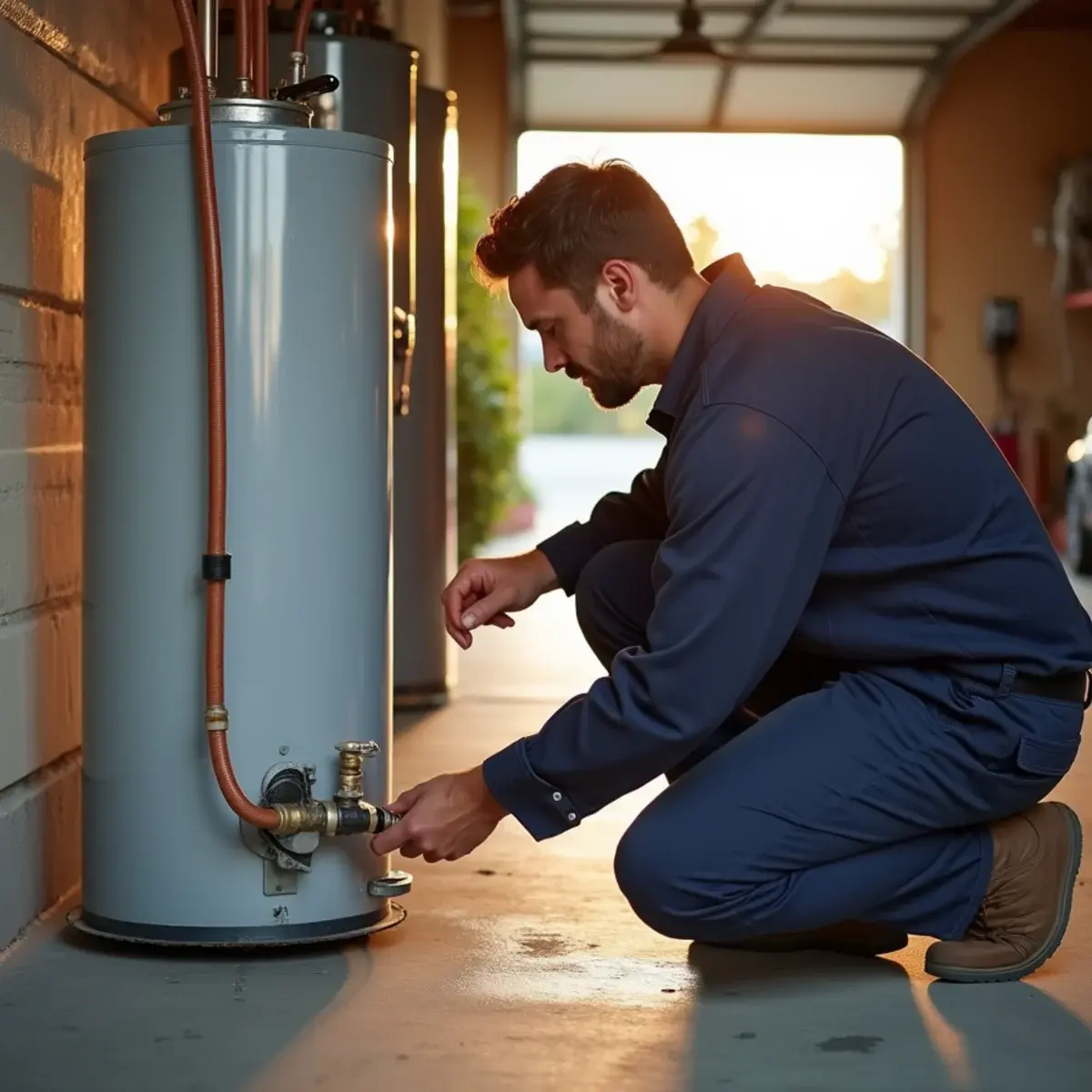
A broken supply line, a sink or tub left running, a failed water heater, rainwater entering through a roof or window.
Health risk
Low at first. The water itself carries no meaningful contamination when it leaves the pipe.
How we handle it
Fast extraction and drying. Most materials — including carpet, pad, and hardwood — can be saved if drying starts inside the first day.

Clean water does not stay clean. Sitting against drywall, subfloor, and dust, it degrades to Category 2 in about 48 hours. The clock is the reason we answer at 3 a.m.
Category 2

Gray water

Where it comes from
Washing machine or dishwasher discharge, a toilet overflow with urine only, a failed sump pump, water that has already sat and degraded.
Health risk
Meaningful contamination. It can make you ill through contact or ingestion, and it feeds microbial growth quickly.
How we handle it
Extraction, then cleaning and disinfection of every affected surface. Carpet pad and some soft goods usually come out; the carpet itself can often be saved.

This is not a mop-and-bucket job. The bacterial load is real, and cleaning it without proper protection puts you in contact with all of it.

Category 3

Black water

Where it comes from
Sewage backup, a toilet overflow containing waste, a collapsed cast-iron lateral, floodwater from outside the building, or any water left standing long enough to grow.
Health risk
Serious. Pathogens, bacteria, and viruses capable of causing significant illness.
How we handle it
Full containment and negative air, HEPA filtration, removal and disposal of porous materials, and disinfection of everything that stays. Our technicians work in PPE that meets OSHA requirements.

If you suspect sewage, leave the area and keep children and pets out of it. Do not start cleanup. Call us and we will handle the containment before anything else happens.

Not sure which one you have? Describe it to us on the phone — the source usually settles it in one question. More detail in our guide to the three water damage categories.

The long-term worry

How We Keep Mold From Starting — and What to Watch For After

Mold is the fear that outlasts the flood. It needs moisture, and it can start within 24 to 48 hours on material that stays wet. The entire drying process is built around closing that window.

What we do during the job

  • Standing water is gone in hours, not days — the single biggest factor in whether mold gets started.
  • Materials are dried to a documented dry standard, normally inside three to five days, well ahead of the 24 to 48 hour growth window closing on saturated material.
  • EPA-registered antimicrobial treatment on affected surfaces once they are clean.
  • HEPA air scrubbers running throughout on Category 2 and 3 losses, capturing airborne spores and bacteria.
  • Daily moisture readings logged, so the drying can be proven rather than assumed.

What to watch for after we leave

  • A musty smell that appears in the weeks after we leave, especially in a closed room
  • New discoloration or staining on a wall or ceiling
  • Flooring that cups or warps, or baseboard pulling away from the wall
  • Any dampness returning to an area we dried

See any of these in an area we dried? Call us. We come back and re-inspect at no charge — that is part of the written guarantee, not a favour.

Keeping it from happening again

  • Book a plumbing inspection once a year

    Especially on anything built before 1990. A small leak found early is a service call; the same leak found late is a rebuild.

  • Replace appliance hoses every five years

    Braided stainless steel on the washing machine and dishwasher. Rubber hoses are one of the most common causes of water damage we see, and they fail without warning.

  • Know your shut-off valve — and label it

    Find it, turn it to confirm it still moves, and label it so anyone in the house can close it. This is the highest-value ten minutes of prevention available to you.

  • Put leak detectors where water hides

    Under sinks, behind the washing machine, and at the water heater. The smart ones text you, which matters when the failure happens while you are at work.

More on the timeline in how fast mold grows after water damage.

Two-minute check

Do You Need Us Tonight, or Can It Wait Until Tomorrow?

An honest answer, including when the honest answer is that you probably do not need us. Tick anything that applies to what you are looking at right now.

Answer yes to any one of the five and you need emergency service.

If none of them apply, you can most likely book a standard inspection instead. Call anyway and describe it — a two-minute conversation is free, and it is the cheapest way to find out whether you have a problem worth opening a wall for.

Based on IICRC guidance and 20+ years of field work in Orange County. It is a starting point, not a substitute for someone reading your home with a moisture meter.

Why homeowners call us back

Six Reasons Cypress Trusts Us With Their Homes

We are not the biggest restoration company in Orange County. We are the one whose trucks are already in your city.

60 minutes, in writing

Our trucks stage on Katella Avenue here in Cypress. If we are not on-site within 60 minutes of your confirmed emergency call, we credit $100 off your invoice. No out-of-county dispatch, no answering service.

Documented to IICRC S500:2025

Daily moisture logs, thermal images, and a dry-standard target for every material. Drying ends when the readings say so — not when the schedule does. You get the complete file.

We bill your insurance directly

You pay your deductible, not the whole invoice up front. We document to the standard adjusters expect and handle the scope conversation so a covered claim gets paid as a covered claim.

We dry in place whenever we can

Cavity drying and floor mat systems save walls and hardwood that other companies cut out. Less demolition means less reconstruction, a shorter timeline, and a smaller bill.

One contractor from water to paint

The crew that dried it rebuilds it. Drywall, texture match, flooring, cabinetry, and paint under one contract — no handoff to a general contractor who has to re-scope your job.

We know these houses

Sixty-year-old galvanized near Lincoln Avenue. Under-slab copper around Cypress College. Rossmoor's four-year build-out. We have opened enough of these walls to know what is behind them.

Why it happens here

Cypress Homes Fail in Predictable Ways

Cypress was incorporated in 1956 and filled in with single-story slab tract housing over roughly twenty-five years. That is unusual, and it is useful: the plumbing in a given neighbourhood is largely one generation, so the age of your house is a genuine predictor of what will go wrong.

Built before 1970

Higher risk

The older tracts near Cypress High School and along the Lincoln Avenue corridor.

What fails

  • Galvanized steel supply lines at 55+ years — pinhole leaks, then sudden splits
  • Original cast-iron and clay drain laterals cracking under mature tree roots
  • Water heaters well past a 10–15 year service life

What to do: Worth a repipe consultation and annual leak detection. At this age the question is when a line fails, not whether.

Built 1970–1990

Moderate risk

The neighbourhoods around Cypress College and off Moody Street and Ball Road.

What fails

  • Under-slab copper developing pinhole leaks that run for months unseen
  • Original angle stops and supply risers under sinks and toilets
  • Second-generation water heaters approaching end of life

What to do: Read your water meter with every tap closed, twice a year. An under-slab leak gives you no visual warning — the meter is the only cue you get.

Built after 1990

Lower risk

The newer infill developments and multi-family properties.

What fails

  • Appliance supply hoses — washing machine and dishwasher lines are the common failure
  • Refrigerator ice-maker lines behind a cabinet nobody moves
  • Grading and downspouts that send storm runoff toward the slab

What to do: Braided stainless hoses on every appliance and a leak detector at the water heater covers most of what actually goes wrong at this age.

The signature Cypress failure is an under-slab copper pinhole leak that runs for months before anything shows inside the house. Read the full breakdown in why Cypress homes built before 1980 face higher water damage risk, or see what we handle across Cypress.

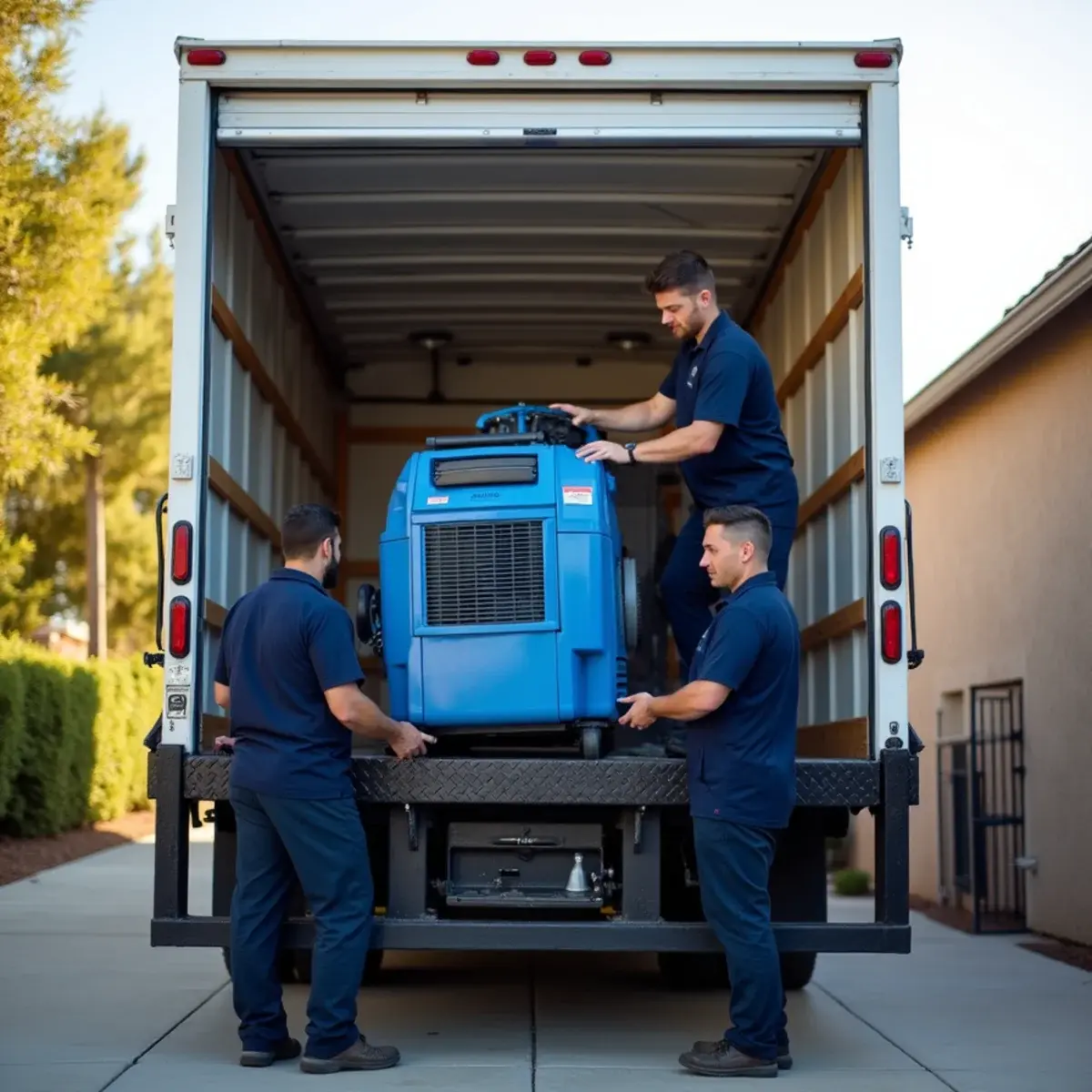
Three restoration technicians beside their equipment truck serving Cypress and north Orange County

Locally owned & operated

We Live Here. That Changes How We Work.

A lot of the companies that appear when you search for water damage in Cypress are not in Cypress. They are lead-generation services selling your call, or regional franchises dispatching from thirty miles away. On a normal Tuesday you might not notice the difference. At 2 a.m. during a storm, you will.

We answer our own phone, dispatch our own crews, and stage our equipment here on Katella Avenue. Our technicians live in these neighborhoods and run into our customers at the Civic Center farmers market. That is a real constraint on how a company behaves — and it is worth more than any badge on a website.

  • IICRC Certified Firm
  • Licensed, Bonded & Insured
  • IICRC S500:2025 compliant
  • 100% satisfaction guarantee — in writing, on every job

The other half of the job

We Bill Your Insurance and Document the Claim For You

Most people have never filed a water damage claim and will never file another. The paperwork decides what gets paid, and it is the part homeowners are least equipped to handle alone.

What gets documented, and when

  1. 1

    Before we arrive

    Photograph and film everything while it is still wet. Wide shots of each room, close-ups of the water line, the source if you can see it, and every damaged item. This is the only record of the loss at its worst.

  2. 2

    During our assessment

    We add thermal images, meter readings, a room-by-room moisture map, and a written scope of work. That package is what an adjuster needs to approve the job as scoped instead of trimming it.

  3. 3

    Throughout the work

    Daily drying logs and progress photographs. These prove the structure was dried to a documented standard — which is what closes the door on a mold dispute months later.

You pay your deductible. We invoice the carrier for the rest.

No fronting the full cost and waiting months for reimbursement. We agree the scope with your adjuster before the work starts, so there is no gap between what was approved and what was done.

Your policy, in plain language

Dwelling coverage
Pays to repair the structure itself — framing, drywall, flooring, cabinetry. This is the part of the policy most water damage work is billed against.
Personal property
Pays for your belongings: furniture, clothing, electronics. Usually a separate limit from the structure, and often the reason a contents pack-out is worth doing.
Additional living expenses (ALE)
Covers a hotel and meals if the loss makes your home unlivable during the work. Many homeowners never claim it because nobody told them it was there.
Exclusion
Something the policy does not cover. The two that matter here are gradual leaks (a slow drip that ran for months) and external flooding, which needs separate flood insurance.
Deductible
What you pay before coverage begins. On a covered claim that is normally your entire out-of-pocket cost, because we bill the carrier for the rest directly.

Step-by-step help in how to file a water damage insurance claim and what California homeowners policies actually cover.

An honest comparison

Us, a Typical Restoration Company, or Doing It Yourself

The middle column describes general patterns in this trade, not any particular competitor. If your situation is small enough for the third column, we will tell you that on the phone.

Comparison of Water Damage Cypress, a typical restoration company, and a do-it-yourself approach across eight service features
FeatureWater Damage CypressTypical companyDoing it yourself
Response timeOn-site within 60 minutes anywhere in Cypress, in writing, or $100 off24/7 phone line, but dispatch from out of area — longer during stormsImmediate, but limited to what you can physically do
Extraction equipmentTruck-mounted units and submersible pumps — hundreds of gallons an hourPortable extractors; slower on volumeShop vac (an electrocution risk) or buckets
Finding hidden moistureThermal imaging plus pin and pinless meters, mapped room by roomVisual inspection, sometimes a basic meter — wall cavities missedWhat you can see and touch
CredentialsIICRC Certified Firm, WRT and ASD technicians, licensed, bonded and insuredVaries — some carry no IICRC certification at allNone
InsuranceBilled direct to your carrier, with documentation built for adjustersMay require payment up front and reimbursement laterYou document it, and you carry the risk of being underpaid
Mold preventionDrying to a documented standard, EPA-registered antimicrobials, HEPA scrubbers on contaminated lossesOften ends when the surface feels dryNo professional antimicrobials; high risk if drying is incomplete
BelongingsPack-out, cleaning and contents restorationOften subcontracted or not offeredMost damaged items get thrown away unnecessarily
After the jobFinal moisture verification, full documentation package, free re-inspection if anything recursFollow-up variesYou are on your own if it comes back

How to check us out

Verify Us Before You Call Anyone

We would rather you checked than took our word for it. Everything below is something you can confirm independently, in a few minutes, before a truck is anywhere near your driveway.

Licensed, Bonded & InsuredIICRC Certified Firm100% satisfaction guarantee — in writing, on every jobFree on-site estimates, 24/7

Ask for our IICRC certification

Request the firm certification and the technicians' WRT and ASD numbers. Any restoration company that hesitates on this is one to keep walking past.

Check the contractor licence

Ask for the CSLB number and look it up yourself at cslb.ca.gov. It takes about a minute and tells you the licence is active and the bond is in place.

Ask to see a drying log

Ask any contractor to show you a completed job's daily moisture readings. It is the clearest signal of whether the work is measured or guessed at.

From our field notes

Practical Guides for Cypress Homeowners

Written by the crews who do the work — what to do in the first thirty minutes, what things cost, and what your insurance actually covers.

Visit or call

Right Here on Katella Avenue

Not a virtual office and not a call center. Our trucks and equipment stage in Cypress, which is how the 60-minute guarantee works.

Find Us in Cypress

Based on Katella Avenue in Cypress and dispatching across north Orange County and the southeast LA County line.

Address

6122-6182 Katella Ave
Cypress, CA 90630

Get Directions

24/7 Emergency Line

(201) 277-9344

Hours

Open 24 hours a day, 7 days a week — including holidays

Call Now (201) 277-9344

Questions we get every day

Water Damage Restoration FAQs

Straight answers about response times, cost, insurance, and what happens once a crew is on your property.

We commit to being on-site within 60 minutes of a confirmed emergency call anywhere in Cypress, and we credit $100 off your final invoice if we miss it. Our trucks stage on Katella Avenue here in the city, so most calls are answered in 30 to 45 minutes rather than dispatched from another county.

Still have a question? Call (201) 277-9344 or send us a message.

Every minute counts. We answer in three rings.

Open 24 hours a day, 7 days a week — including holidays. On-site within 60 minutes of your confirmed emergency call anywhere in Cypress — or we credit $100 off your final invoice.

  • 24/7 Emergency Service
  • IICRC Certified Firm
  • Licensed, Bonded & Insured
  • 20+ years restoring Orange County homes
Call (201) 277-9344Free Estimate