
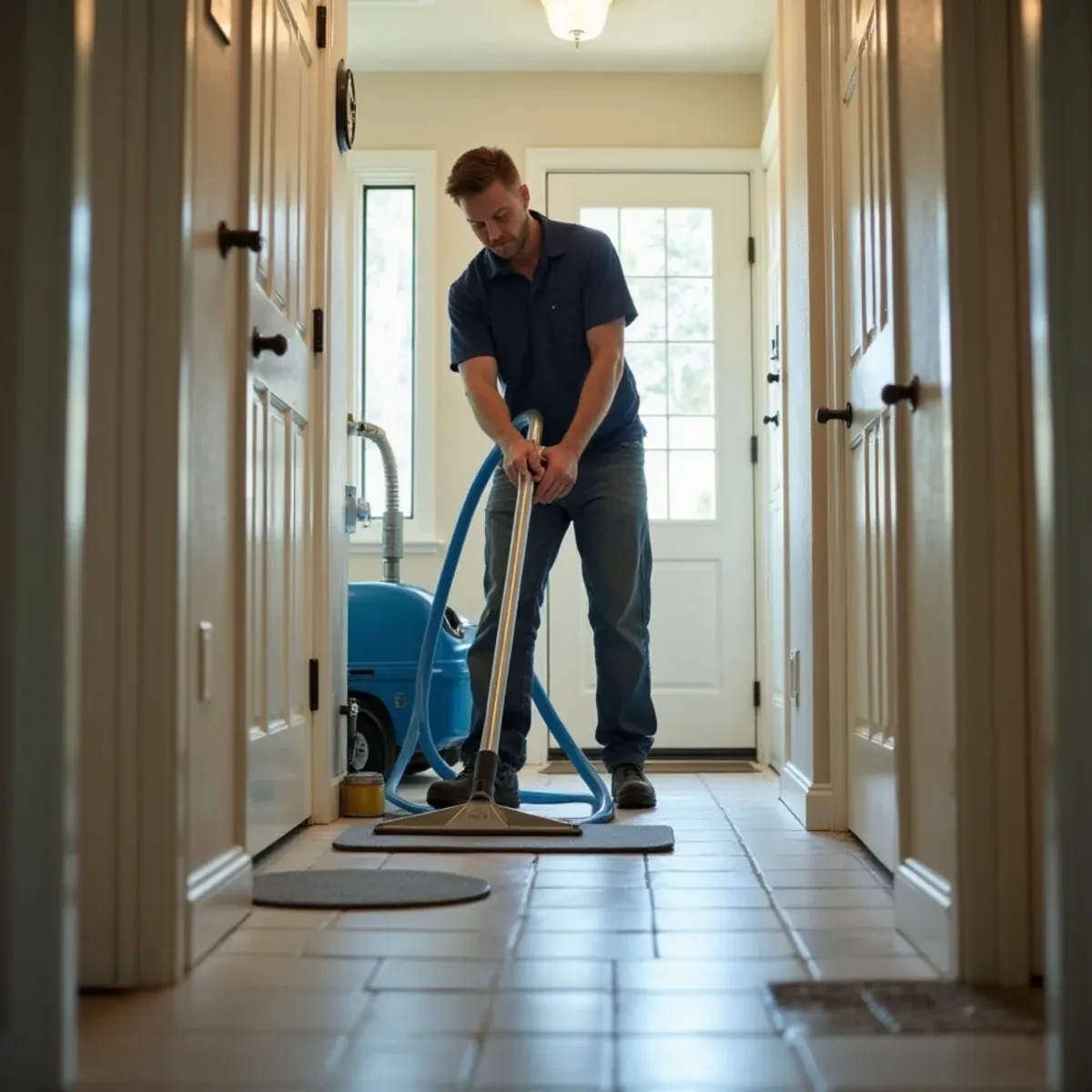
It usually starts with something that does not look like water damage. The water bill goes up by a third with nothing changed. A patch of hallway tile is warm underfoot. You shut every fixture off and the leak indicator on the meter keeps turning. In La Habra those three symptoms point the same direction more often than anywhere else we work, because most of this city was built slab-on-grade between 1950 and 1980 with copper supply lines run under the concrete, and that generation of copper is now well past the age where it begins opening up.
The uniformity is what makes La Habra predictable. Whole streets in the Westridge and Vista Grande areas went up in the same two or three years, from the same handful of plans, with the same pipe from the same supplier, buried in the same soil. So failures do not arrive randomly here. They arrive in waves, and when we get a slab leak on one block we are usually back on that block within the year. If several of your neighbors have been repiping lately, that is not a coincidence, and it is worth knowing about.
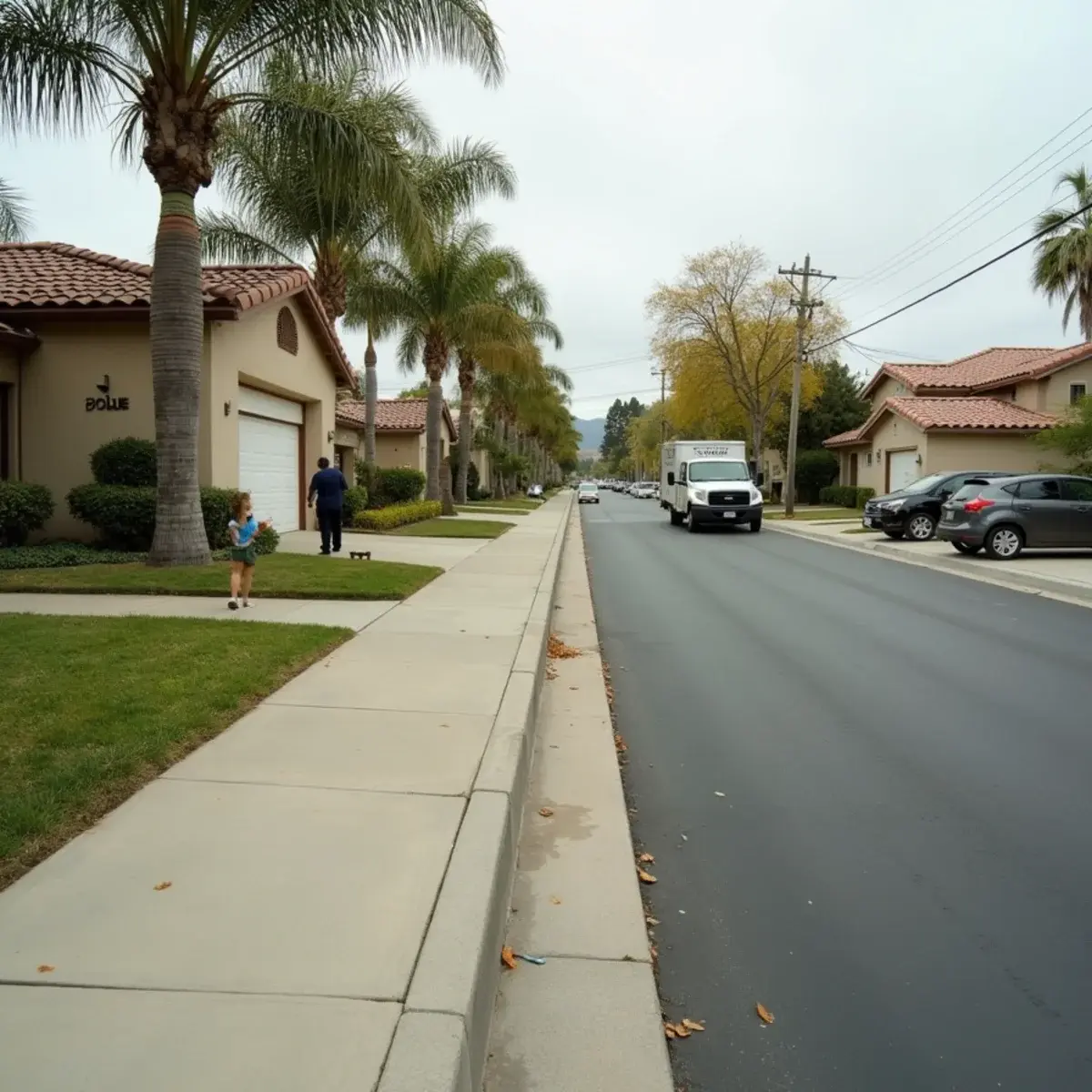
The other half of the picture is ground. La Habra sits at the head of the Coyote Creek watershed — the same creek that runs past our shop in Cypress, about seventeen minutes south of here — and the land is not flat. It rolls. Water leaving a La Habra yard is heading somewhere with real momentum, and sixty years of added patios, pool decks, driveway widenings and room additions have quietly changed where that somewhere is. Plenty of lots here now drain toward the house instead of the street, and nobody notices until a storm shows them.
How Under-Slab Copper Fails in La Habra Tracts
Copper is good pipe. What it is not is immortal, and the way it went in during this era shortened its life. Soft copper tubing was laid in the sand under the slab before the pour, sometimes in direct contact with aggregate, often with tight bends that thinned the wall on the outside of the curve. Add fifty to seventy years of water moving through the inside and soil chemistry working on the outside, and it develops pinholes. The hot line almost always goes first, because heat accelerates every part of that process.
That is why the first symptom is so often warmth rather than water. A hot-side pinhole under a slab heats the concrete above it, and people notice a patch of tile that stays warm, or the spot where the dog has started sleeping. Then comes the sound of running water with everything closed, then the bill, then finally dampness at the base of a wall. By that point water has been under the slab for weeks and has usually worked its way into the bottom plate and out under the flooring in the next room.
Locating it is straightforward work with honest limits. We isolate the irrigation, watch the meter, pressure test the hot and cold sides separately to establish which one is losing, then narrow the position with acoustic listening and thermal imaging. Thick mortar beds under original tile muffle sound, and a slab that has been wet for a while can produce misleading heat patterns, so occasionally we make a small access hole to confirm before anyone breaks concrete. We would rather say that plainly than pretend the equipment is never wrong.
- A warm patch of floor with no sun on it — usually the first sign of a hot-side leak.
- The sound of running water when every fixture in the house is off.
- A water bill that climbs month over month with no change in how you live.
- Baseboards or the bottom few inches of drywall that feel damp along one wall.
- New cracks running in a line across tile or grout in a hallway.
Rolling Ground and Sixty Years of Added Concrete
La Habra is not flat, which is easy to forget on a dry day. The ground rolls the whole way through — up toward Westridge, down through the Idaho Street area, and off the north edge toward the county line. Every lot has a high side and a low side, and rain leaving your yard moves with more energy than it would on the coastal plain south of here. Which direction it goes depends far less on the original grading plan than on everything that has been poured on the lot since.
That is the real issue in this city. These houses are sixty years into a life of improvements: a patio slab, then a wider driveway, then a pool deck, then an addition that took over half the side yard. Each one was poured level or sloped for comfort rather than for drainage, and together they can reverse the fall of a lot. We see plenty of La Habra homes where the finished grade now delivers roof water and yard runoff straight to the lowest opening in the building — a side door, a garage, or a slider onto a patio that has settled.
The fix is usually not dramatic. Cutting a shallow swale, adding a channel drain at the driveway apron, extending downspouts past the hardscape, or lifting a settled slab handles most of what we see in this city. Finding out what you have costs nothing. Put a jacket on the next time it really comes down and follow the water around your own lot — where it collects, which way it crosses the driveway, whether it stalls against a wall. On rolling ground that walk tells you things no grading plan ever will, and it takes about fifteen minutes.
Neighborhoods and Landmarks We Cover in La Habra
We work throughout La Habra — every neighborhood, every street, residential and commercial. If your address is in the city, we cover it.
Neighborhoods & corridors
- Downtown La Habra
- Westridge
- Vista Grande
- Idaho Street area
- Whittier Boulevard corridor
Landmarks nearby
- La Habra Children's Museum
- Portola Park
- La Bonita Park
- Westridge Golf Club
- El Centro Lions Park
Why La Habra Residents Call Us First
Any restoration company can put La Habra on a service-area list. What matters at 2 a.m. is how far the truck has to come and whether the crew has opened a wall in a house like yours before.
About 17 minutes north
We dispatch from 6122-6182 Katella Ave in Cypress — not from a regional depot and not from a call centre that sells your job to whoever bids for it. That is the whole reason the 60-minute commitment is one we can put in writing.
Decades of hardscape redirected the drainage
La Habra is not flat. Added patios, planters and walls have sent water back toward foundations it used to run away from.
1960s under-slab copper, tract by tract
Whole streets reach the failure window together. We locate without exploratory demolition.
- 20+ years restoring Orange County homes
- IICRC Certified Firm
- Licensed, Bonded & Insured
- We bill your insurance company directly
- IICRC S500:2025 compliant on every job
- 100% satisfaction guarantee — in writing, on every job
La Habra Water Damage Questions
Do a meter test. Shut off every fixture and the irrigation, note the leak indicator, and check it again a few hours later with nobody using water. If it moved, something is losing water. In 1960s La Habra tract homes that is most often the hot line under the slab, and the giveaway is a warm patch of floor or the sound of water running behind a closed system.
It might. La Habra streets were built in tight batches with identical plumbing in identical soil, so when one house on a block fails the rest are on a similar clock. That does not mean repiping today. It means that if you have already had two or more leaks, spot-repairing a third time is usually throwing money at a system that is finished. We will tell you which situation you are in.
Not for your coverage, but it can waste hours. La Habra addresses are Orange County and permits go through the city's own building division, while La Habra Heights and Whittier just over the line are Los Angeles County jurisdictions with their own requirements. Out-of-area dispatchers and adjusters mix this up regularly. Give us your cross streets when you call and we will sort out which side of the line you are on.
Photograph everything before you move it, notify the property manager in writing the same day, and check whether you carry renters coverage for your belongings. The building's policy typically handles the structure while yours handles your contents. We work these jobs regularly along the corridor, document each unit separately, and coordinate access so the drying equipment can run in both units at once.