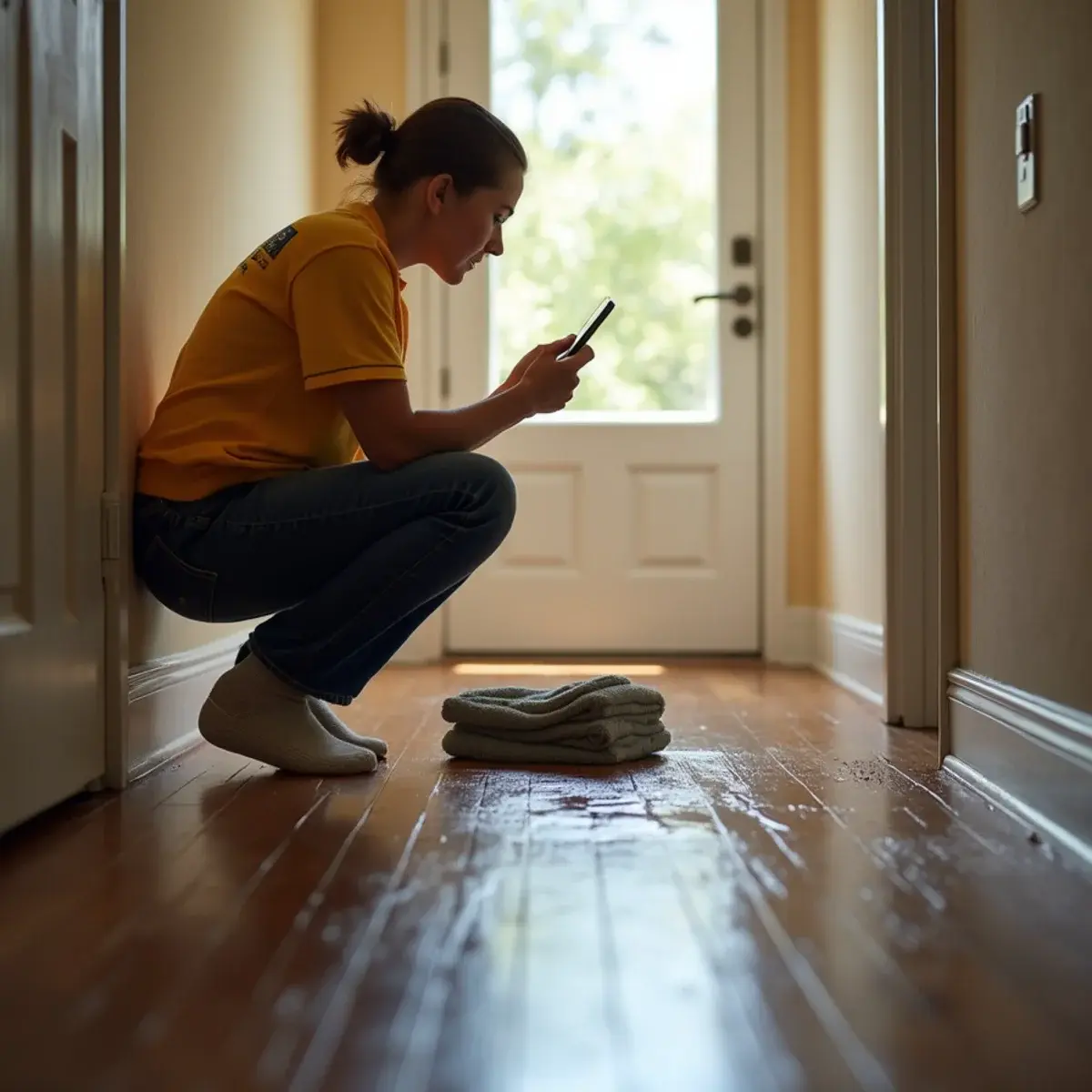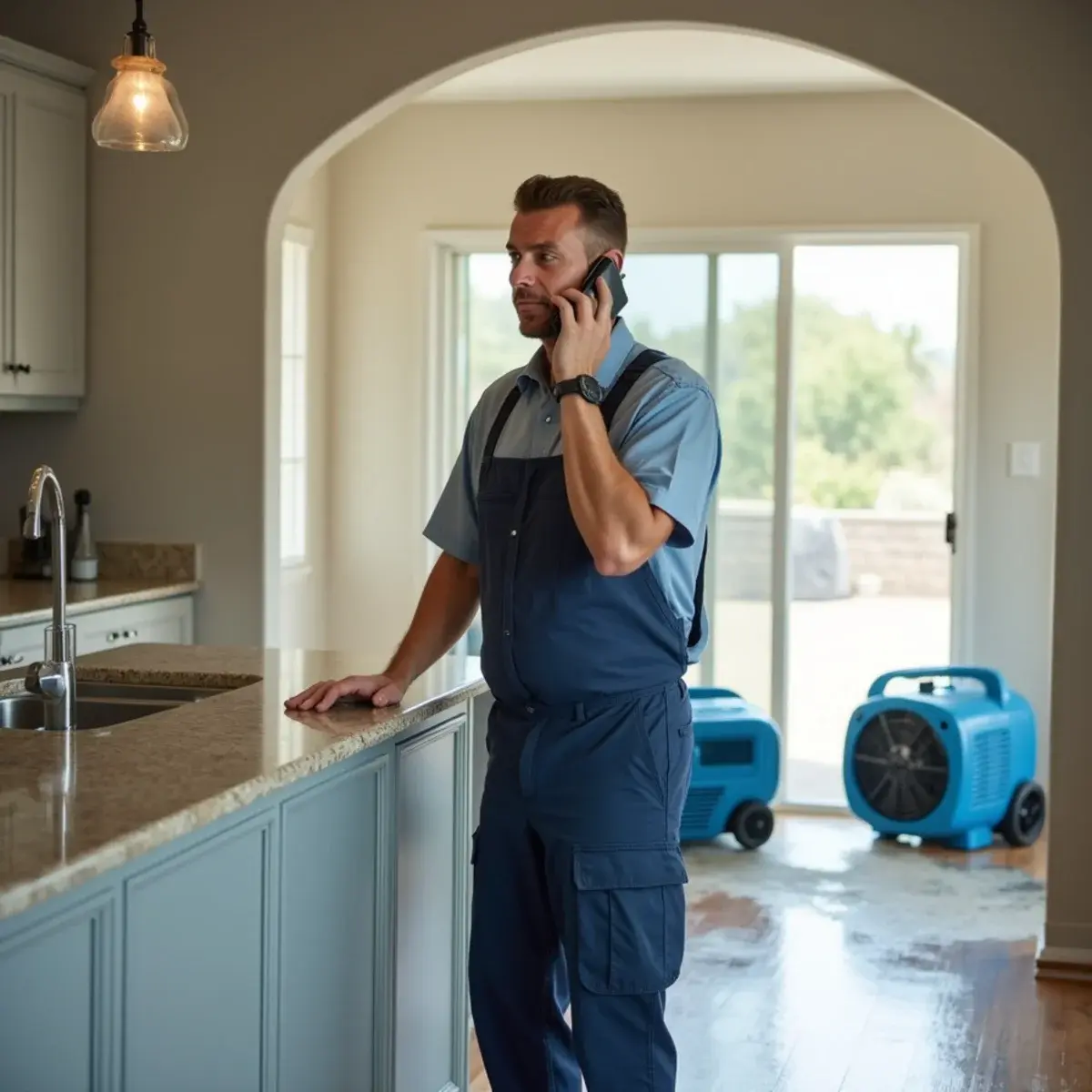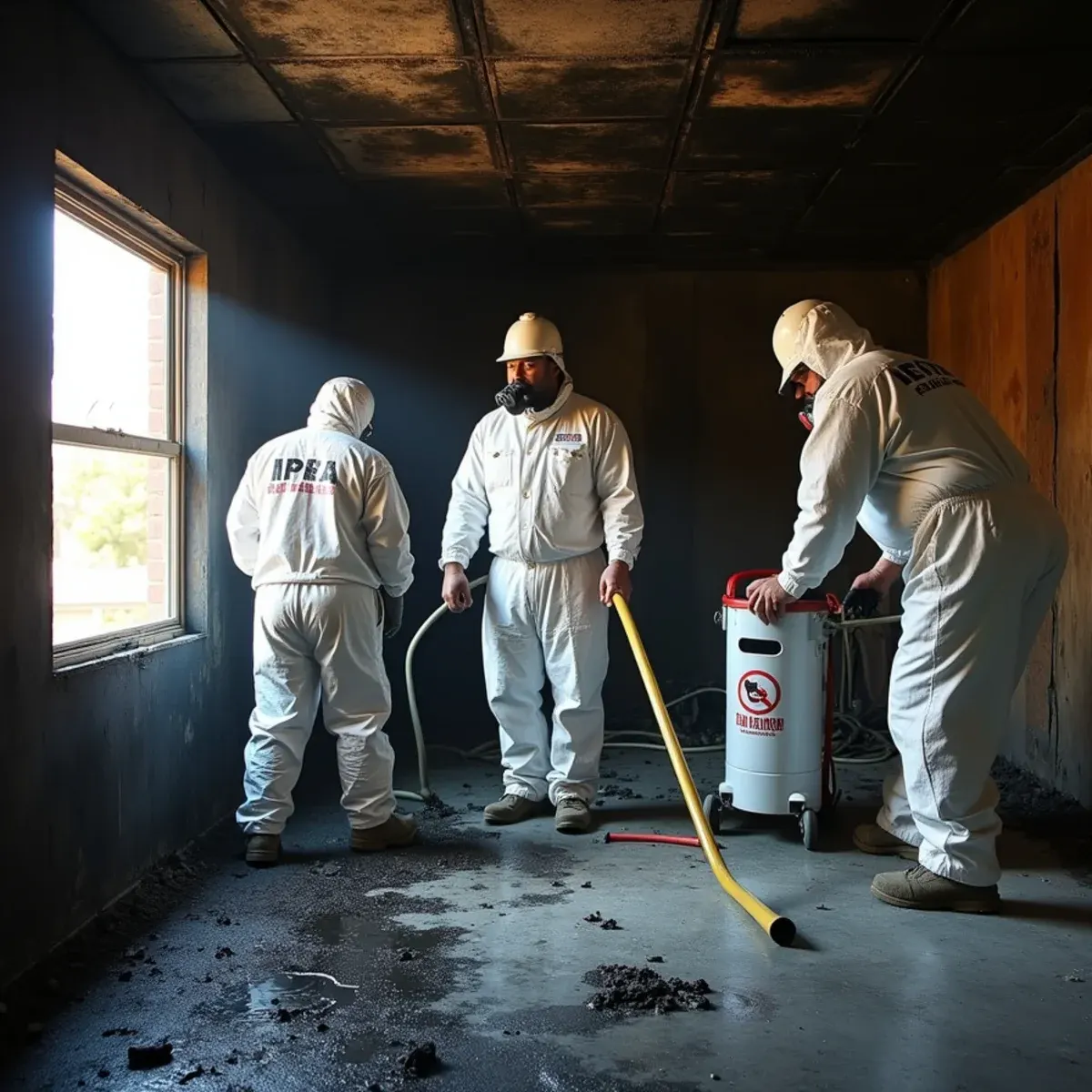
Almost every fire loss is also a water loss. A fire department response puts hundreds or thousands of gallons into a structure in a matter of minutes, and that water goes everywhere the fire did not — down through ceilings, into wall cavities, across floors on levels that never burned. Handling the fire damage without addressing the water is how a fire loss turns into a mold problem six weeks later.
That combination is exactly why we handle both. Fire restoration companies that subcontract the water mitigation and water companies that subcontract the smoke work both create seams in the job, and things fall through seams.
The other thing that surprises people is how far smoke travels. Smoke residue and odor migrate through the entire building, following air paths into closets, drawers, ductwork, and rooms on the other side of the house that show no visible damage at all. Cleaning what is visibly black is a fraction of the work.
What Fire and Smoke Damage Involves
The damage profile depends heavily on what burned, and that changes the cleaning approach entirely:
Dry smoke from fast, high-temperature fires
Produces a fine, powdery residue that is easier to remove but travels furthest, penetrating into cracks, cabinets, and wall cavities throughout the structure.
Wet smoke from slow, smoldering fires
Sticky, dense, strongly odorous residue that smears when wiped incorrectly. It requires solvent cleaning and is significantly harder to remove without spreading it.
Protein residue from kitchen fires
Nearly invisible, coats every surface in the home, and produces a powerful lingering odor. People frequently underestimate a kitchen fire because there is so little to see.
Soot on HVAC surfaces and in ductwork
If the system was running during the fire, the ducts distributed residue to every room. That system must be cleaned or the odor will keep returning every time it cycles on.
Corrosion on metal and electronics
Soot is acidic. Left in place it etches metal, chrome, and electronics contacts within days, turning a cleanable item into a replacement.
Water damage on every level below the fire
Suppression water saturates ceilings, insulation, and flooring far beyond the burn area, and it is the part most often underestimated in the first walkthrough.
How We Restore After a Fire
The order matters. Water first, then soot, then odor, then rebuild — doing it out of sequence means redoing work.
- 1
Secure the structure
Board-up of openings and tarping of any roof breach, both for weather and for security. Vacant fire-damaged properties are targets, and your policy expects the property to be secured.
- 2
Water extraction and drying first
Suppression water gets extracted and drying begins immediately, because moisture plus soot residue accelerates corrosion and starts the microbial clock on top of everything else.
- 3
Assess residue type room by room
Dry, wet, and protein residues each need a different cleaning method, and using the wrong one on wet smoke permanently drives it into the surface. We test in each area before choosing an approach.
- 4
Remove non-salvageable material and clean the rest
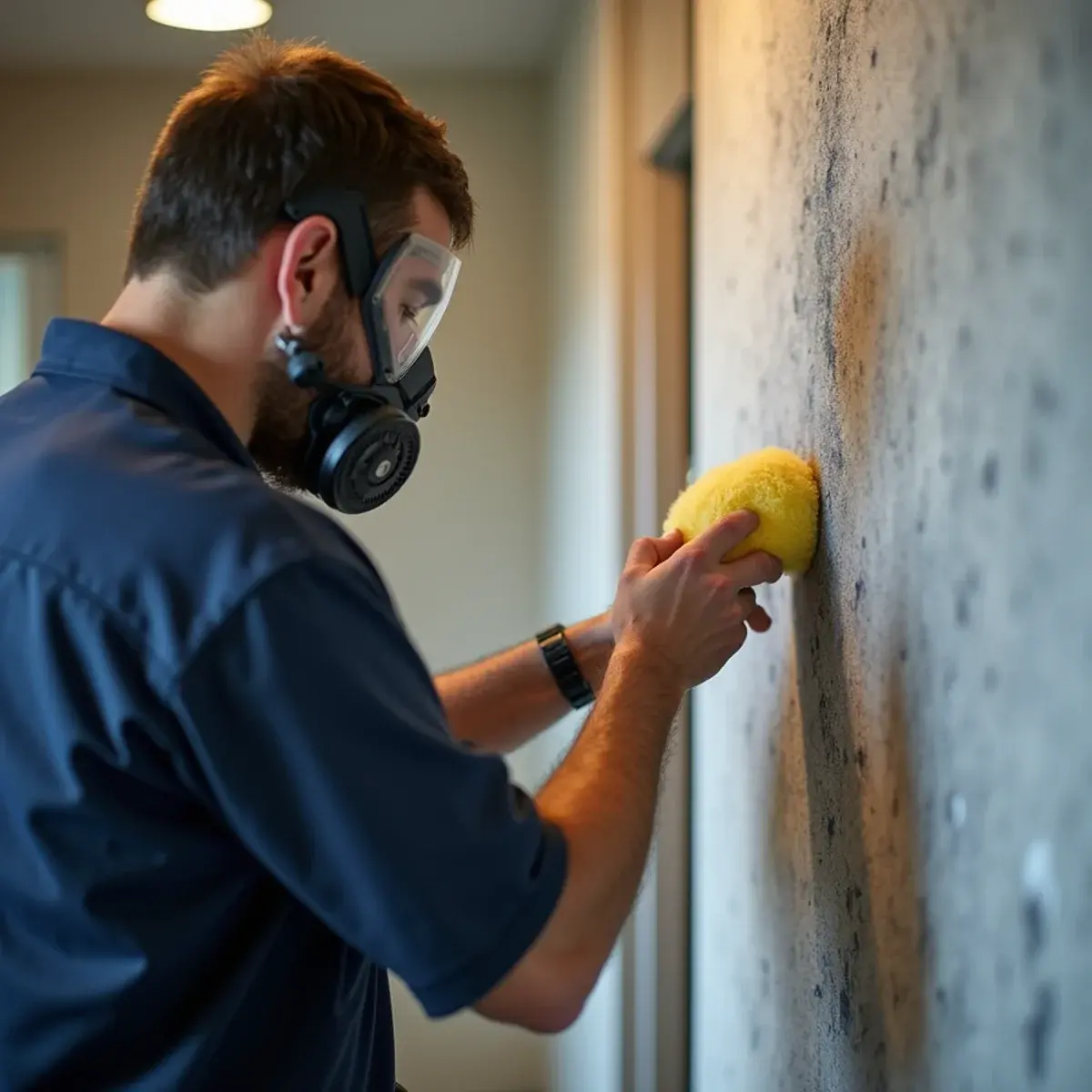
Charred material comes out. Remaining surfaces are HEPA vacuumed, then cleaned with the appropriate method — dry sponge, solvent, or abrasive — working top to bottom.
- 5
Deodorize at the source
Odor is removed by eliminating residue, sealing surfaces that cannot be fully cleaned, and treating the air with hydroxyl generators or thermal fogging. Masking agents are not part of this — they wear off and the smell comes back.
- 6
Contents restoration and rebuild
Belongings are packed out, cleaned by material type, and stored while the structure is rebuilt. Reconstruction from framing through final paint is handled in-house.
The First 24 Hours Decide What Can Be Saved
Soot is acidic, and its corrosive effect starts immediately. Within hours it discolors plastics and etches uncoated metal. Within a day or two it begins permanently staining fiberglass, marble, and grout. Within a week it can corrode electronics contacts and chrome plating beyond recovery.
That timeline is why we mobilize a fire loss the same day even when the structure is not habitable and reconstruction is months away. Getting corrosive residue off surfaces and stabilizing the environment early is what determines whether your appliances, fixtures, and electronics get cleaned or replaced.
What you can do while waiting: stay out until the fire department clears the structure, do not attempt to wipe soot yourself (dry wiping drives it into surfaces permanently), do not run the HVAC system, and do not power on any electronics that were exposed.
Why Odor Comes Back After a Bad Cleanup
Recurring smoke odor months after a restoration is the most common complaint about fire work, and it always traces to the same cause: residue was left somewhere.
The usual hiding places are inside wall cavities, in attic insulation, in the ductwork, on the back sides of cabinets and drawers, inside the framing behind removed drywall, and in the subfloor. Smoke penetrated all of those places during the fire. If the cleaning stopped at visible surfaces, the residue is still there, and every warm humid day drives the odor back into the living space.
Doing it properly means cleaning inside cavities where the drywall came off, replacing attic insulation that absorbed smoke, cleaning or replacing ductwork, sealing framing that cannot be fully cleaned, and treating the whole structure with hydroxyl or thermal fog rather than spot-treating rooms. It takes longer. It is also the difference between a house that smells clean and one that smells like a fire every August.
What Fire Restoration Costs Depends On
Fire losses have the widest cost range of anything we do, from a contained kitchen fire to a total rebuild.
Extent of structural burn
Cosmetic smoke damage in an otherwise intact home is a cleaning and odor job. Structural involvement means framing, electrical, and plumbing replacement, which is a full construction project.
How far the smoke traveled
Smoke cleaning is priced by the square footage that needs treatment, and that is almost always the entire house, not just the fire room.
Residue type
Protein and wet smoke require substantially more labor per square foot than dry smoke, and often require sealing surfaces that cannot be fully cleaned.
Volume of suppression water
The water mitigation portion of a fire loss is frequently as large as a standalone water claim, with its own extraction, equipment, and drying days.
Contents volume and salvageability
Fire losses generate the largest contents scopes of any claim type, and the pack-out, cleaning, storage, and inventory work is a significant portion of the total.
Insurance note: Fire is a covered peril on essentially every homeowners policy, including the water damage caused by firefighting. These are large, complex claims with dwelling, contents, and additional living expenses all in play — thorough documentation from day one is what keeps them moving.
Why Cypress Homeowners Call Us for Fire & Smoke Damage
Plenty of companies list this service. Fewer can tell you what equipment they will bring, what standard the work is measured against, or what happens if they are wrong. Here is what you are actually buying.
Fire losses are water losses too
Suppression water saturates everything below the fire. Treating smoke without drying the structure leaves the second problem in place.
Soot type drives the cleaning method
Protein, wet, and dry soot each need different chemistry. Using the wrong one sets the staining permanently into the surface.
Odor addressed at the source
Sealing and removal rather than masking. If the smell is still in the framing, no amount of deodorizing spray keeps it out of the room.
- 20+ years restoring Orange County homes
- IICRC Certified Firm
- Licensed, Bonded & Insured
- We bill your insurance company directly
- IICRC S500:2025 compliant on every job
- 100% satisfaction guarantee — in writing, on every job
Frequently Asked Questions
Fire suppression uses enormous volumes of water in a short time — often thousands of gallons. That water saturates ceilings, insulation, walls, and floors well beyond the burned area, and it has to be extracted and dried like any other water loss, on top of the fire work.
Yes, when the residue is removed completely — including inside wall cavities, ductwork, attic insulation, and behind cabinetry. Odor that returns later always means residue was left somewhere. Masking agents and ozone alone do not solve it.
Please do not. Dry wiping soot drives it permanently into painted surfaces, and improper cleaning of wet or protein residue smears it into a much harder problem. Soot is also acidic and irritating to skin and lungs. Leave it until a crew with the right materials arrives.
A contained kitchen fire with smoke damage is typically two to four weeks including cleaning and repairs. Significant structural fires run several months, since it is effectively a construction project with permits and inspections. We give you a phased timeline after the initial assessment.
Most hard goods and many textiles restore fully with proper cleaning — ozone or hydroxyl chambers for hard items, specialized textile processing for clothing and soft goods. Some heavily saturated porous items cannot be recovered, and we itemize those for your claim rather than returning something that still smells.
Related Reading
- What to Do in the First 30 Minutes After Water Damage — The half hour after you find water on the floor determines a surprising amount of what the repair costs. Here is exactly what to do, in order.
- How to File a Water Damage Insurance Claim (Step by Step) — Most people file exactly one water damage claim in their life, while doing it under stress. Here is the process, in order, with the mistakes flagged.