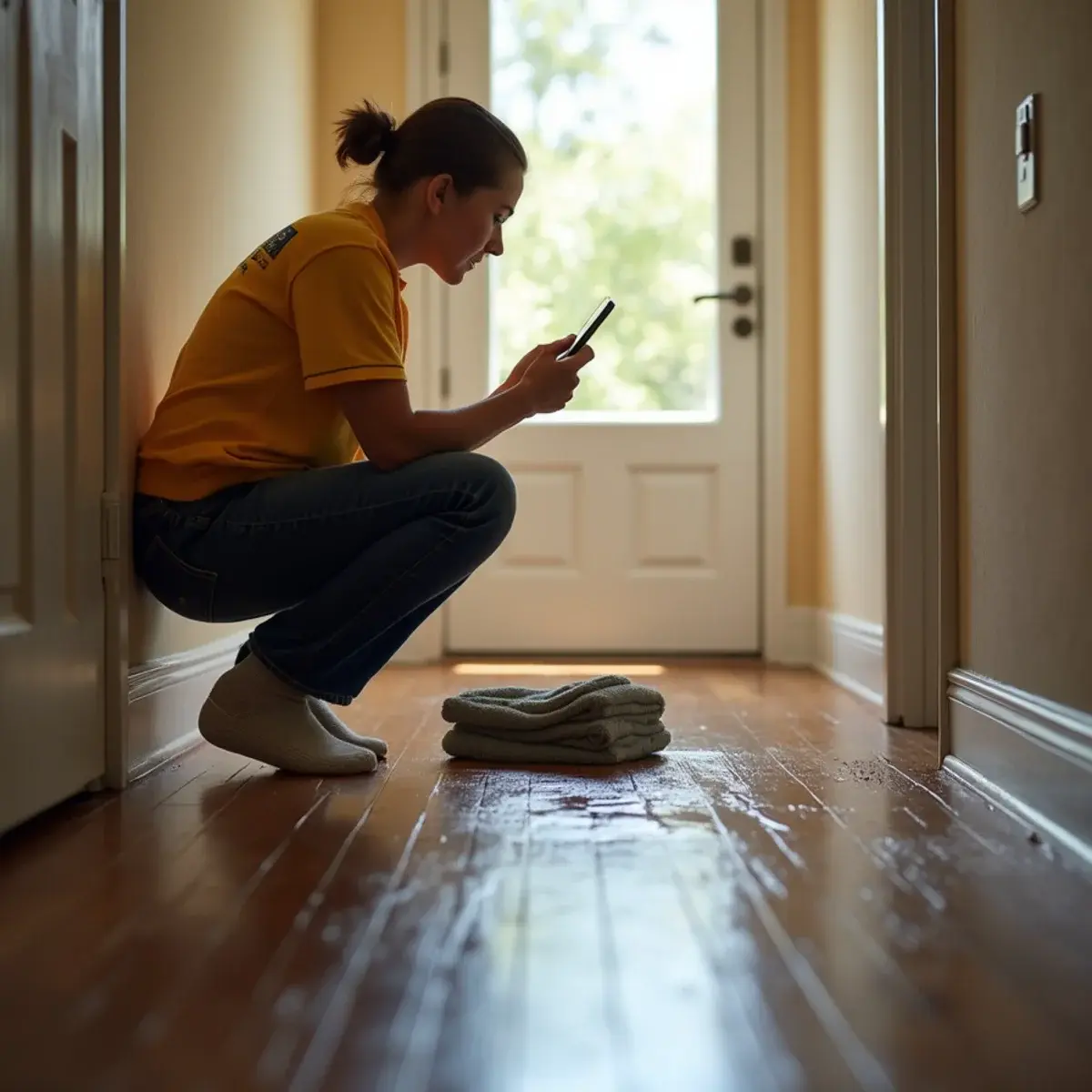
Water does not politely wait for business hours. Most of the calls we take in Cypress come in between 10 p.m. and 6 a.m. — a supply line that let go under a bathroom sink, a water heater that finally gave out in the garage, a toilet supply valve that split while the family slept. By the time anyone notices, water has already found the path of least resistance: down the wall cavity, under the baseboard, and out across the slab.
That is why our emergency line is staffed around the clock by people, not an answering service. When you call, you speak with someone who can dispatch a truck immediately and walk you through the two or three things that matter most in the next five minutes — usually shutting the water off and staying away from anything electrical.
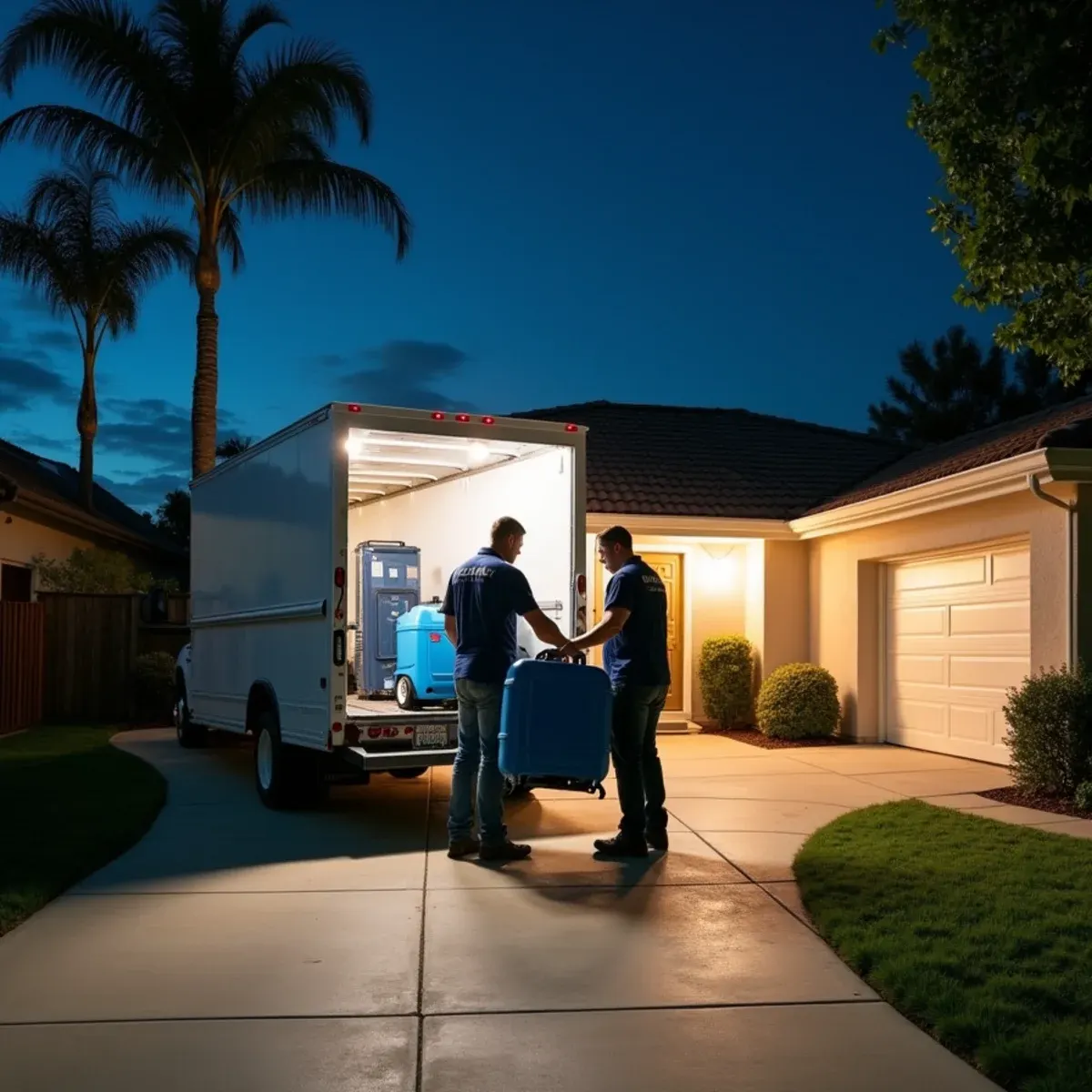
We are based on Katella Avenue here in Cypress. That is not a mailbox address for a company that dispatches from an hour away; it is where our trucks are staged, which is how we can commit to being on your property within 60 minutes of a confirmed emergency call anywhere in the city.
When You Need Emergency Service Instead of a Scheduled Appointment
Not every leak is a 2 a.m. emergency. These situations are — and waiting until morning will measurably increase what the repair costs and what your insurer disputes.
The water is still running
An active source means the damage is still growing every minute. If you cannot find or turn the main shutoff, call us and we will talk you to it over the phone while a crew is already rolling.
Standing water covers more than one room
Once water crosses a doorway threshold it has almost certainly wicked into the drywall on both sides and traveled under the flooring. That requires extraction equipment, not towels.
The water came from a toilet, sewer line, or washing machine
That is Category 2 or Category 3 water carrying bacteria. It needs containment and disinfection, and every hour it sits raises the odds that porous materials have to be thrown out instead of dried.
Water is near outlets, the panel, or recessed lighting
Do not walk into that room. Water in a ceiling above can-lights is a genuine electrocution and fire risk. Call us and your utility from outside the affected area.
The ceiling is sagging or bulging
A bulging drywall ceiling is holding pounds of water and can come down without warning. Clear the room, keep pets and children out, and let us relieve it in a controlled way.
You smell must within a day or two of a leak
That odor means microbial growth has already started somewhere you cannot see. The window to dry materials in place is closing.
What Happens From the Moment You Call
Every step below follows the IICRC S500:2025 standard for professional water damage restoration. We will tell you what we are doing and why at each stage — no surprises, no jargon.
- 1
Call answered and crew dispatched
We take your address, what you think the source is, and roughly how much water you are looking at. A project manager calls back within five minutes with immediate safety instructions while the truck is already loading the right equipment for your situation.
- 2
Arrival, safety check, and moisture mapping
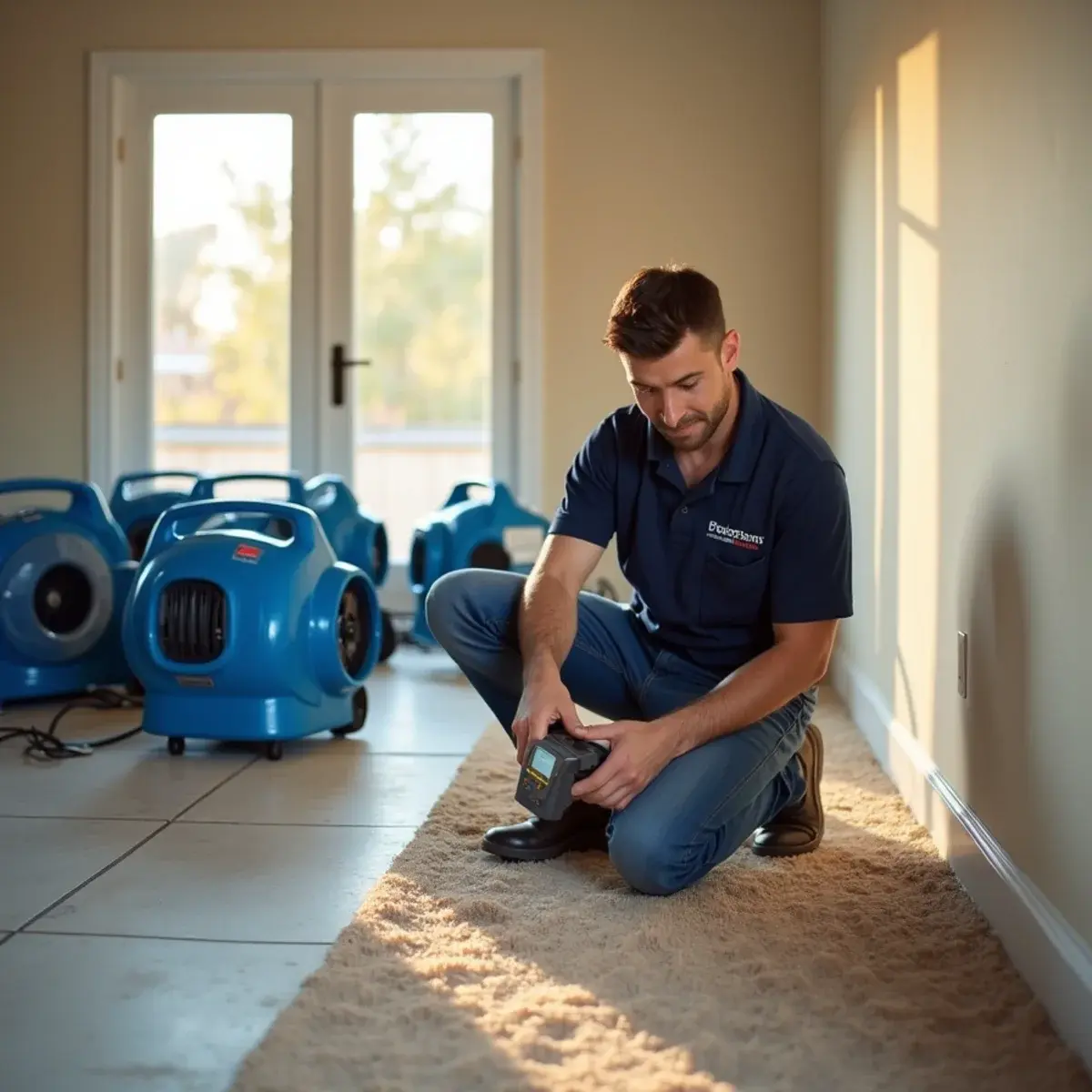
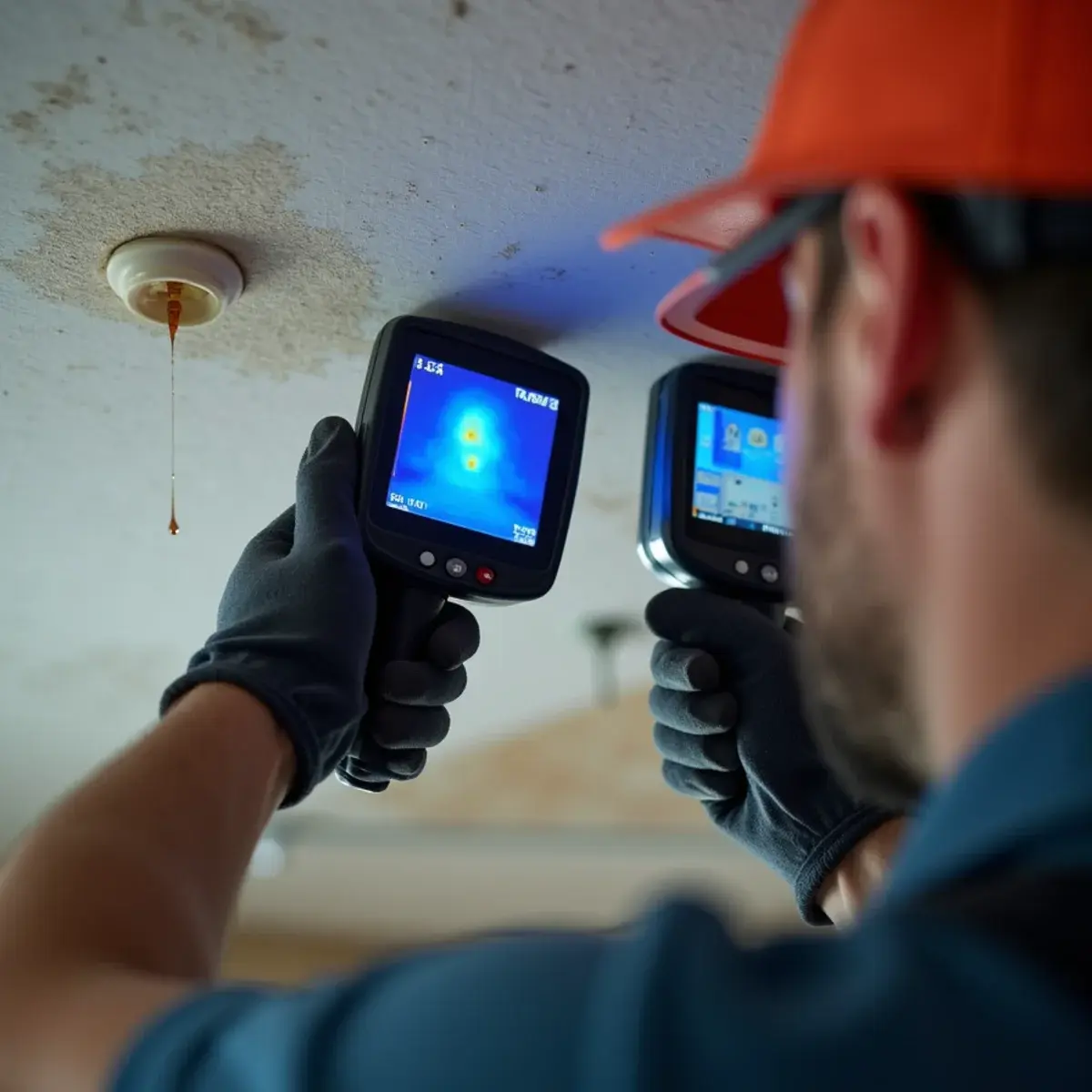
The first thing our technician does is confirm the area is electrically safe. Then we map the damage with a thermal imaging camera and pin-type moisture meters, which shows us water inside wall cavities and under cabinets that is invisible from the room.
- 3
Documentation before anything is touched
Wide shots, close-ups, moisture readings, and a written scope — captured before we move a single piece of furniture. This is the file your adjuster will be working from, and it is the single biggest factor in whether a claim gets paid in full.
- 4
Extraction
Truck-mounted units and submersible pumps pull standing water out fast. Weighted extraction tools press water up out of carpet pad rather than just skimming the surface.
- 5
Controlled structural drying
Air movers and low-grain refrigerant dehumidifiers are placed to a calculated load — not scattered around and hoped for. We read moisture content daily and adjust until every material hits its documented dry standard.
- 6
Cleaning, sanitizing, and final verification
EPA-registered antimicrobials on affected surfaces, HEPA air scrubbers where the water was contaminated, then a final moisture verification with the same instruments we started with. You get the complete photo, log, and reading package for your records.
Our 60-Minute Response Guarantee, in Writing
Speed is the single largest variable in what water damage ends up costing. Materials that are dried within the first 24 hours can usually be saved. Materials that sit for 48 hours usually cannot.
So we put the commitment in writing: if we do not have a technician on-site within 60 minutes of your confirmed emergency call to any Cypress address, we credit $100 off your final invoice. We can make that promise because our trucks stage locally, not because we are optimistic about the 405.
What to Do Before We Get There
The five minutes before our truck arrives matter. Keep it simple and keep it safe:
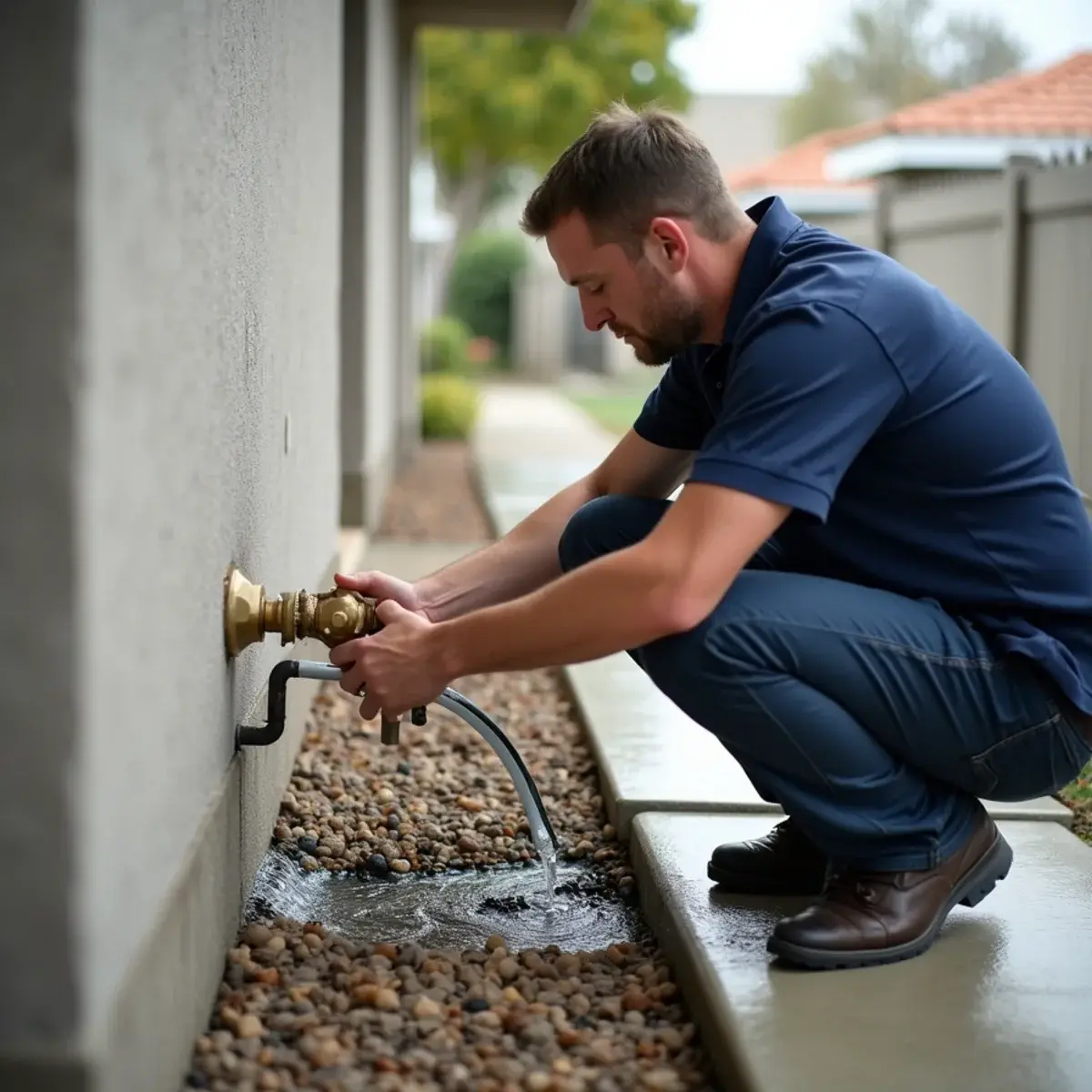
- Shut off the main water valve if you can reach it safely. In most Cypress homes it is at the front of the house near the hose bib or in a box at the sidewalk.
- Photograph and video everything before you move anything — wide shots of each room and close-ups of the damage and the source.
- Do not use a household or shop vacuum on standing water. That is a serious electrocution risk.
- Lift what you can: move electronics, documents, and anything with sentimental value to a dry room.
- Put aluminum foil or wood blocks under furniture legs sitting on wet carpet to stop stain transfer.
- Leave the ceiling fans and HVAC off if water reached vents, ductwork, or electrical.
Working Directly With Your Insurance Carrier
Most homeowners have filed exactly one water damage claim in their life, and they are doing it while their floor is wet. We have filed thousands. We document to the standard adjusters expect, we speak their scope language, and we bill the carrier directly so you are not fronting the full cost and waiting on reimbursement.
If your carrier pushes back on a line item, our daily drying logs and moisture readings are the evidence that the work was necessary and completed to the S500 standard. That paperwork is also what protects you years later if anyone claims the area was never properly dried.
What Drives the Cost of Emergency Restoration
We will not quote a number over the phone before seeing the property — anyone who does is guessing. Here is what actually moves the price, so you can judge an estimate for yourself.
Water category
Clean supply-line water is the least expensive to handle. Gray water requires disinfection and often the removal of carpet pad. Category 3 sewage water requires containment, PPE, disposal of most porous materials, and costs substantially more per square foot.
Affected square footage and number of rooms
Cost scales with the drying chamber, not the puddle. A hallway leak that wicked into four adjoining rooms is a four-room job even if you only saw water in the hall.
How many days of equipment
Drying is billed per piece of equipment per day. A tight, well-sealed chamber dries in three days; an open floor plan with saturated hardwood can run five to seven.
Materials that have to come out
Drywall cuts, baseboard removal, cabinet toe-kick removal, and insulation disposal each add labor and dump fees. Saving material where we honestly can is what keeps this number down.
Time of day and access
After-hours emergency mobilization carries a call-out rate. Second-floor or tight-access properties take longer to set up and break down.
Insurance note: On a covered insurance claim you generally pay your deductible and we bill the carrier directly for the rest. We will tell you honestly, before we start, whether we think your situation is worth filing on at all — sometimes a small clean-water loss costs less than the deductible.
Why Cypress Homeowners Call Us for Emergency Restoration
Plenty of companies list this service. Fewer can tell you what equipment they will bring, what standard the work is measured against, or what happens if they are wrong. Here is what you are actually buying.
Our trucks stage in Cypress, not another county
The 60-minute guarantee only works because the equipment is already here on Katella Avenue. Companies dispatching from Anaheim or Long Beach cannot make that promise honestly during a storm, when every crew in the county is already committed.
A real person, three rings, any hour
No answering service taking a message for the morning. The person who picks up can tell you where your shut-off valve probably is and what to move first, while the truck is already rolling.
We load the truck before we leave, based on your answers
Clean supply-line break and sewage backup need completely different equipment. Asking the right questions on the phone is why we arrive with what the job actually needs instead of coming back a second time.
- 20+ years restoring Orange County homes
- IICRC Certified Firm
- Licensed, Bonded & Insured
- We bill your insurance company directly
- IICRC S500:2025 compliant on every job
- 100% satisfaction guarantee — in writing, on every job
Frequently Asked Questions
We commit to being on-site within 60 minutes of a confirmed emergency call anywhere in Cypress, and we credit $100 off your invoice if we miss it. Most of the time we are there in 30 to 45 minutes because our trucks stage on Katella Avenue, right here in the city.
No. The emergency assessment and written estimate are free, 24 hours a day. You are not obligated to hire us after we walk the property, and we will tell you plainly if we think the damage is small enough to handle yourself.
Call us first. Your policy requires you to mitigate further damage, and getting extraction started immediately is exactly that. We will document everything from minute one, which makes the claim you file afterward much stronger.
Usually yes. Air movers and dehumidifiers are loud and the affected rooms will be warm, but the rest of the house stays livable. If the loss involves sewage or the drying chamber includes bedrooms, we may recommend a few nights elsewhere — which most policies cover under additional living expenses.
Still call. Surface water is the visible part of the problem. What matters is the moisture that wicked up the drywall and traveled under the flooring, and that only shows up on a meter. A free moisture inspection takes twenty minutes and tells you definitively whether you are done.
Related Reading
- What to Do in the First 30 Minutes After Water Damage — The half hour after you find water on the floor determines a surprising amount of what the repair costs. Here is exactly what to do, in order.
- How Long Does Water Damage Restoration Actually Take? — Extraction is measured in hours, drying in days, and reconstruction in weeks. Here is what each phase actually involves and what stretches it.