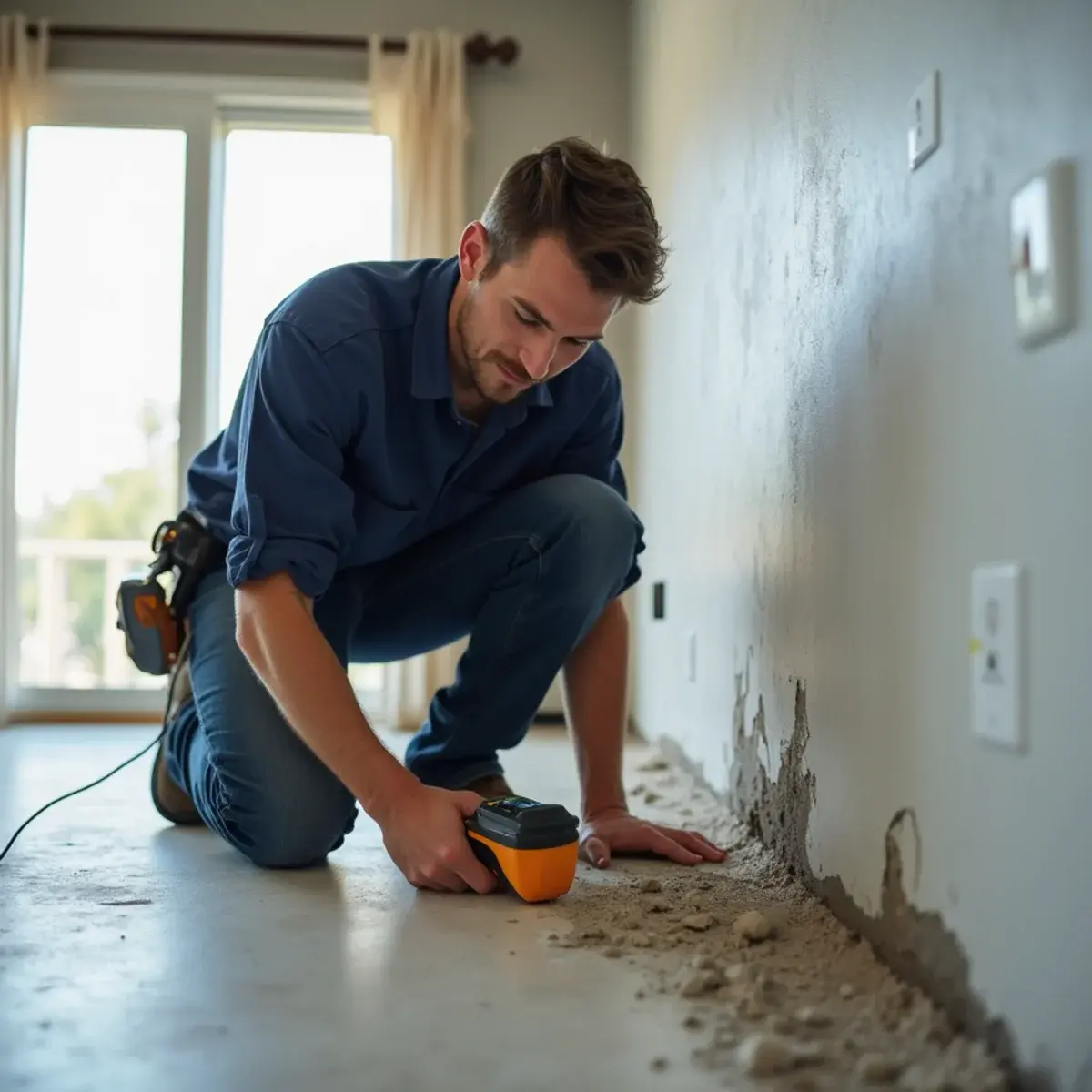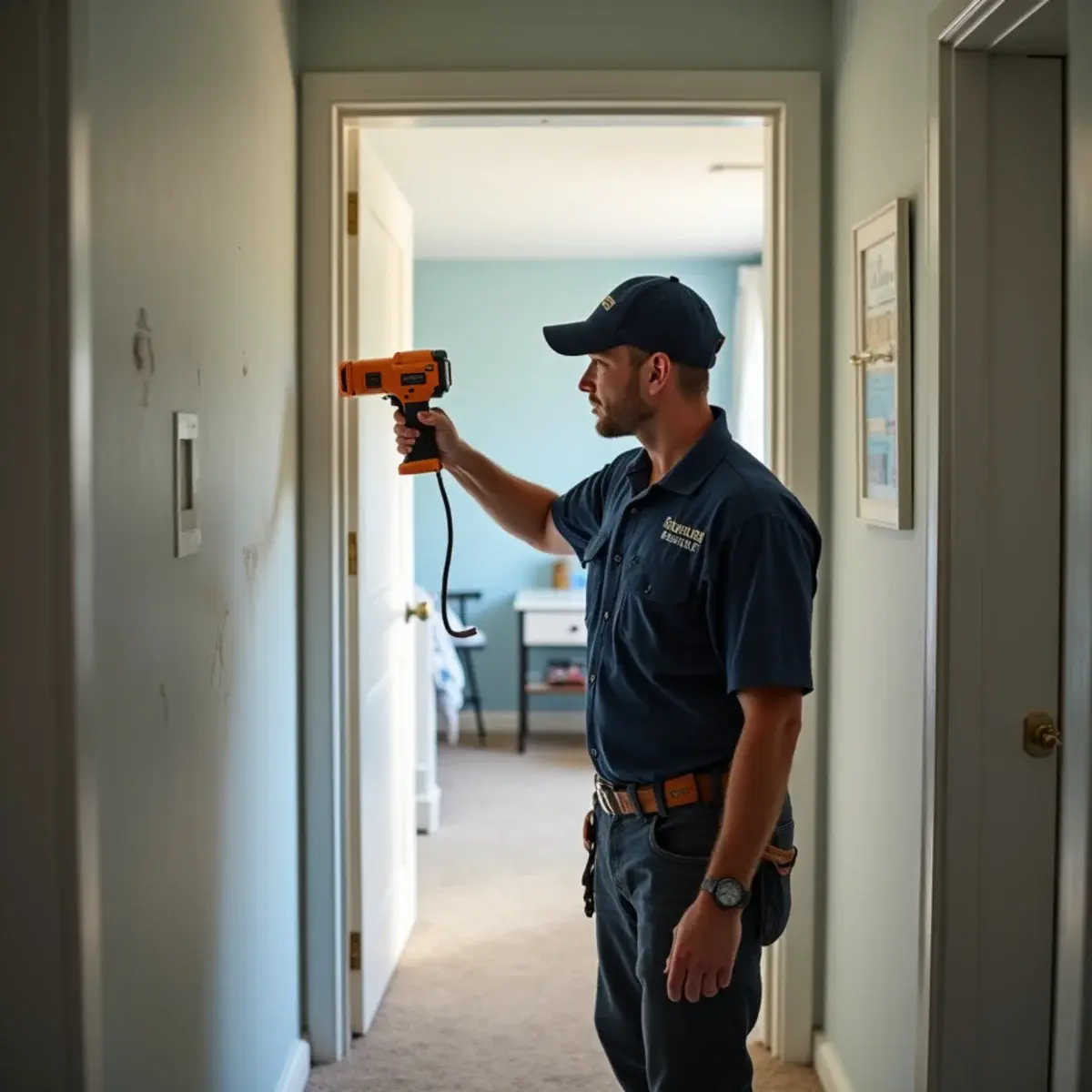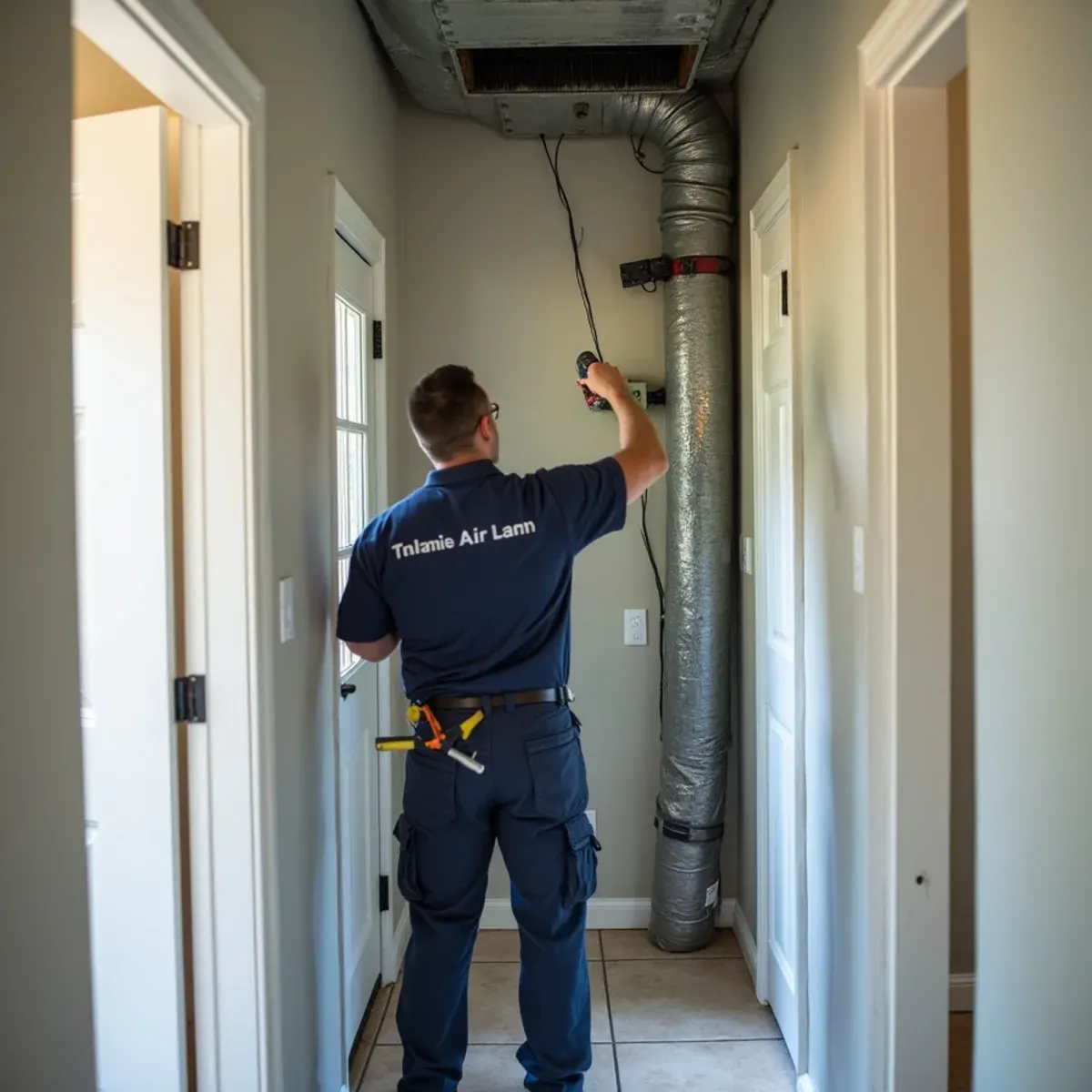
A house can be dried, demoed, cleaned, and repainted and still smell wrong the first week the air conditioning runs. Almost every time we get that call, the answer is in the ducts. The HVAC system is the one thing in the building that touches every room, and during a loss it pulls whatever is in the air — spores, sewage aerosol, soot, that damp attic smell — into the return, through the coil, and back out into bedrooms that never got wet. Then it sits there. The cleanup ends, the crews leave, and the system waits for the first warm week to hand all of it back.
Duct cleaning has a bad reputation in Southern California, and it earned it. The coupon outfits that vacuum a few registers for a flat fee and leave are not doing restoration work, and they are why a lot of homeowners assume the whole category is a scam. Post-loss HVAC restoration is a different job held to a different standard. It is a containment and decontamination task on a system that got contaminated by a specific event, and the deliverable is a system that is verifiably clean — plus an honest word on which parts cannot be cleaned and have to be replaced instead.
The other thing that makes this local is where the ducting lives. In the 1950s through 1980s slab tracts across Cypress, Lakewood, La Palma, and Cerritos, nearly all of it runs through the attic in insulated flex duct, sitting on or under blown insulation. Flex duct is a plastic inner liner wrapped in fiberglass inside a vapor jacket, and once that jacket is wet or torn, the insulation inside it holds moisture for months. IICRC S500:2025 treats the HVAC system as a contamination pathway that has to be assessed on a Category 2 or 3 loss, not as an optional add-on at the end. We agree, and we check it on every job.
Signs Your Duct System Is Still Carrying the Loss
These show up after the visible work is finished, usually the first time the system runs for a full day.
The smell comes back when the AC runs
The house is fine in the morning and wrong by afternoon. That pattern is the giveaway. If the odor tracks the thermostat rather than the weather or the time since cleaning, it is coming out of the supply registers, not out of the walls or the flooring.
A musty draft at the supply vents
Stand under a ceiling or floor register with the system running and smell the air right at the grille. A damp, earthy, cellar-like smell there is different from general household odor, and it means something in the duct run, the plenum, or the coil is holding moisture.
Dark streaking on grilles and ceilings
Gray or black feathering on the ceiling paint around a supply register is deposited particulate the system has been pushing through. After a fire it is soot. After a water loss it is usually dust bound up with moisture. Either way, the inside of that duct is dirty.
Dust and grit returning days after cleaning
You clean every surface in the house, and a week later there is fine dust on the nightstands again. A system holding demolition debris — drywall dust, insulation fibers, soot — reloads the house every cycle. It is the most common reason people think the cleaning crew did a poor job.
Sagging or crushed flex duct in the attic
Look up through the attic hatch with a flashlight. Flex duct that is compressed, drooping between supports, torn at a collar, or has insulation matted flat and darkened on top has been wet. Wet fiberglass loses its loft, stays damp under the vapor jacket, and grows in the dark.
Symptoms that follow the heating season
Someone in the house starts coughing or wakes up congested, and it lines up with heating or cooling season rather than with pollen. We are not doctors and we will not diagnose anything, but a system distributing microbial growth is a plausible mechanism, and it is testable by simply looking inside the ducts.
Rust or staining at the air handler
Rust streaks on the cabinet, a stained platform, or standing water in the secondary drain pan mean the unit itself got wet — from above, from a condensate backup, or from the loss. A wet air handler contaminates every foot of duct downstream of it, so cleaning the branches alone accomplishes nothing.
How We Restore an HVAC System
The order matters, because cleaning a duct before you clean the equipment feeding it just recontaminates what you finished.
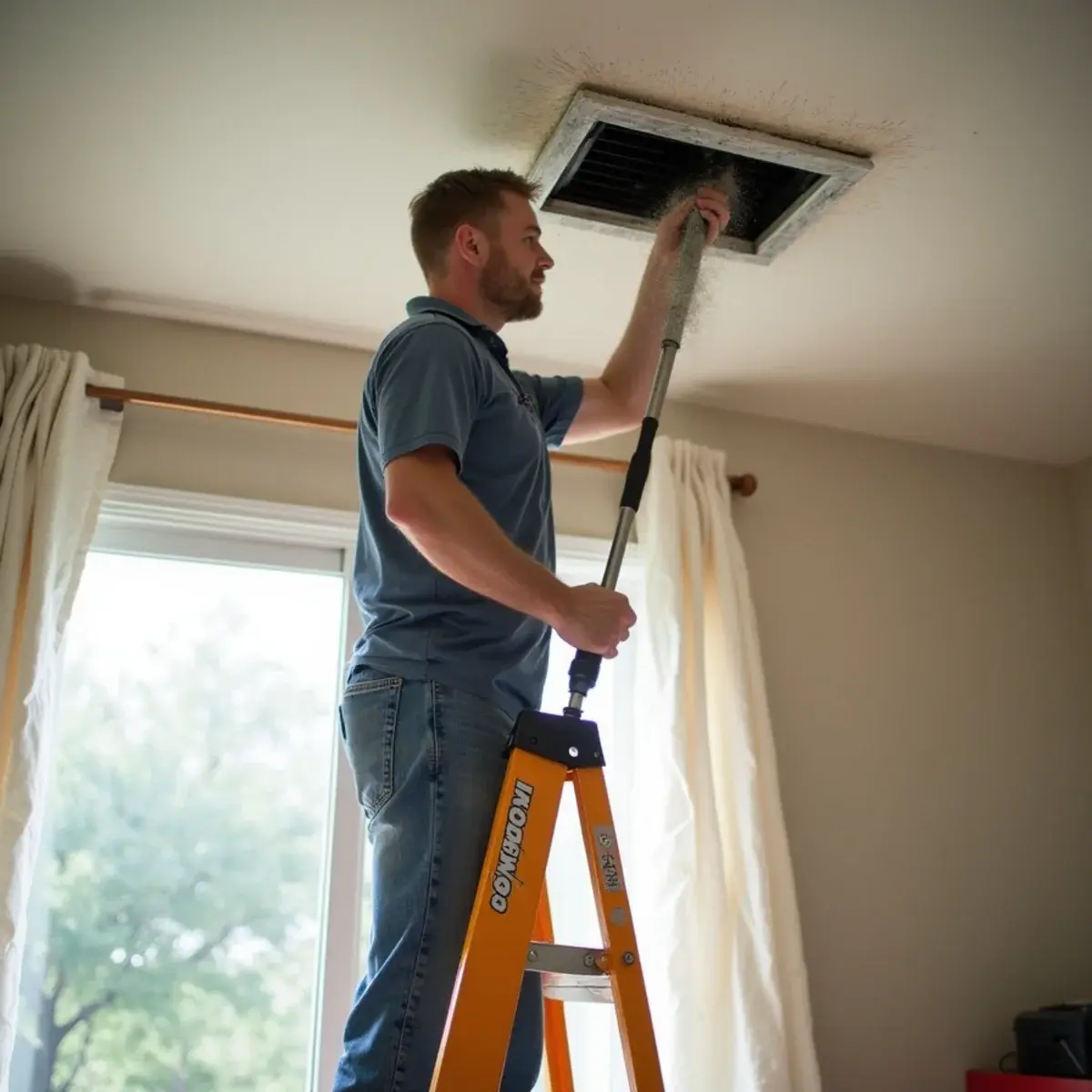
- 1
Inspect before we quote
We open the air handler, pull register grilles, and run a camera into the trunk and branch runs before anyone gives you a number. That inspection decides whether the system needs cleaning, partial replacement, or nothing at all. Photographs from inside your ducts go in the file, and you see them. Some systems we look at do not need the work, and we say so.
- 2
Contain and seal the system
Every register and return gets sealed off and the equipment is shut down before cleaning starts, so nothing we dislodge blows into the living space. Where the loss was Category 3 or there is active growth, we set negative pressure on the work area and run HEPA filtration, the same way we would for mold remediation. Containment is what keeps this from becoming a second loss.
- 3
Clean or replace the ducting
Sheet metal trunks and rigid boots clean well with contact brushing and HEPA vacuum under negative pressure. Flex duct is different. If the inner liner is torn, the fiberglass is wet, or growth is on the insulation rather than the liner, it cannot be cleaned to a standard we would sign off on, and we replace that run instead of pretending otherwise.
- 4
Clean the air handler and coil
The blower wheel, the cabinet, the plenum, and both faces of the evaporator coil get cleaned by hand. A loaded coil is the single most common odor source we find, and it is also the part most duct-cleaning outfits skip, because it takes an hour, a coil comb, and a willingness to get uncomfortable. We photograph it before and after.
- 5
Replace filters and treat surfaces
New filters at the correct MERV rating for your equipment, then a fresh set again once the drying equipment comes out, because dehumidifiers and air scrubbers load filters fast. On surfaces that stay in place, we apply an EPA-registered antimicrobial where it is warranted — never as a substitute for physical removal, which is the part that actually does the work.
- 6
Seal, balance, and verify
Duct connections and plenum seams get sealed with mastic, not tape, because tape lets go in a hot attic within a couple of seasons. Then we run the system, confirm airflow at every register, and do a final visual and odor check with the house closed up and the unit running for an hour. That verification goes in your file.
When You Do Not Need Your Ducts Cleaned
We turn this job down regularly, and it is worth saying why. A clean-water supply line break in a kitchen, extracted the same day, dried in four days, with the HVAC shut off from the start, does not contaminate the duct system. Neither does a bathroom overflow contained to a tile floor. If the system was off, the water never reached the attic or the air handler, and there is no odor and no visible debris at the registers, cleaning the ducts is money spent on a good feeling rather than on a problem.
The threshold we use is contact and category. Did contaminated air or water actually reach the system — through a wet attic plane, a running return during demolition, a sewage backup, or smoke — and was the loss Category 2 or 3? If yes, the system is in scope. If no, we will look, show you what the camera sees, and tell you it is fine. That inspection is part of the free assessment, and there is no charge for a look that ends in us saying you do not need us.
Attic Flex Duct in Cypress-Area Tract Homes
Nearly every slab-on-grade tract home built here between the 1950s and the 1980s puts its ducting in the attic. That was cheap and sensible at the time, and it means your air distribution system spends its life in the hottest, dustiest, least-inspected space in the house. Original systems were sheet metal or wrapped rigid duct. Most have since been swapped to flex duct during a re-pipe or an HVAC upgrade, and a lot of that flex is now old enough to have brittle liner, sagging runs, and insulation that has settled off the top of the duct.
That matters after a roof leak or an attic-side pipe failure, because the duct jacket is the first thing the water lands on. The vapor jacket sheds the initial soak, then water runs to the low point of the sag and gets in through a torn seam or a loose collar. From there the fiberglass wicks it in both directions. You can have four feet of soaked duct insulation above a completely dry ceiling, and it will keep the house smelling like a wet attic for a year.
Raised-foundation homes in Old Towne Orange, Uptown Whittier, Eastside Costa Mesa, and the Anaheim Colony are a different problem. Ducting there often runs in the crawl space, sometimes in original sheet metal boots under the floor, and a subfloor flood puts water straight into the bottom of the system. Manufactured homes in Stanton and Midway City are different again — belly ducting under the floor is close to impossible to clean properly and usually has to be replaced once it gets wet.
The Step That Gets Skipped, and the Bill That Follows
The sequence that costs people money looks like this. The water gets extracted, the drywall gets cut, the structure gets dried, the mold gets remediated, and the reconstruction goes in — new baseboard, new paint, new flooring. Nobody opens the air handler. Six weeks later the first hot week arrives, the AC runs for two days straight, and the smell is back in a house that was just finished. Now the finishes are in the way, the claim is closed, and containment has to be rebuilt inside a restored home.
Doing it during mitigation instead costs a fraction. The containment is already up, the ceilings are already open in the rooms that matter, the attic already has a path cleared, and the duct work is documented on the same claim as everything else while the adjuster is still engaged. Sequencing is most of the savings here, and it is why we raise this on day one rather than as an add-on at the end.
- Ask whether the HVAC was running during the loss or during demolition — if it was, the system is in scope.
- Get the ducts inspected before the drywall goes back up, not after.
- Have the inspection photographed and filed with the same claim as the mitigation.
- Change filters when the drying equipment comes out, then again about a month later.
- If flex duct got wet, ask specifically whether the insulation inside the jacket is dry, not whether the liner looks clean.
What Drives the Cost of HVAC Restoration
No two systems price the same, and the biggest swing is whether the ducting can be cleaned or has to come out.
Cleaning versus replacing flex duct
Cleaning an intact system is labor. Replacing runs is labor plus material plus attic time, and attic time in July is slow, hot work. We price both when both are genuinely on the table, and we will tell you which runs are borderline rather than replacing the whole system by default because it is easier to quote.
Number of supply runs and returns
A three-ton system in a 1,400-square-foot tract house might have eight supply runs and one return. A larger home with two zones can have twenty-five runs, two air handlers, and two coils. The work scales with the number of terminations and the length of the runs, not with the square footage of the house.
What kind of contamination it is
Construction dust cleans out. Soot takes solvent work and often gets into the blower motor. Sewage aerosol and heavy microbial growth on porous liner usually mean replacement rather than cleaning, because there is no way to verify a porous surface is clean. The category of the original loss largely sets the scope before we ever get on a ladder.
Attic access and working conditions
A full walkboard, decent clearance, and a hallway hatch make this straightforward. A 24-inch scuttle in a bedroom closet, low heel height at the eaves, dense blown-in insulation, and 130-degree attic air in August do not. Access is the single most underestimated cost driver on duct work in this housing stock.
Equipment condition and age
If the air handler is twenty years old, corroded, and the coil is on its way out, cleaning it is money spent on something you will replace soon anyway. We will say that out loud. Coordinating with an HVAC contractor and cleaning the ductwork around new equipment is often the better sequence, and we will lay out both either way.
Insurance note: Carriers usually cover HVAC cleaning when it is documented as part of a covered loss — most reliably on Category 3 water, fire, and confirmed mold claims. It gets pushed back on when it reads as general maintenance. What wins the argument is evidence: photographs from inside the ducts, the category determination on the original loss, and a clear line showing contamination reached the system. We build that file before anyone asks for it.
Why Cypress Homeowners Call Us for Air Ducts & HVAC
Plenty of companies list this service. Fewer can tell you what equipment they will bring, what standard the work is measured against, or what happens if they are wrong. Here is what you are actually buying.
We only recommend it when the system was actually affected
Duct cleaning is over-sold in this trade. If water never reached the system, we tell you it does not need doing.
Negative-air source removal, not a brush and a shop vac
The system is put under negative pressure and agitated so debris leaves the building rather than being redistributed through it.
Coil, plenum, and blower, not just the runs
Contamination collects at the air handler. Cleaning the visible ducting and leaving the coil is why the smell comes back.
- 20+ years restoring Orange County homes
- IICRC Certified Firm
- Licensed, Bonded & Insured
- We bill your insurance company directly
- IICRC S500:2025 compliant on every job
- 100% satisfaction guarantee — in writing, on every job
Frequently Asked Questions
Fair question, and often it is an upsell. The honest answer depends on whether contamination actually reached the system. If the HVAC ran during the loss or the demolition, if water got into the attic where the ducting lives, or if the loss involved sewage or fire, the system is in scope. If none of that happened, it probably is not. We run a camera and show you before you decide anything.
It depends on where the moisture is. If the inner liner got damp and the fiberglass behind it stayed dry, cleaning and drying the run works. If water got through a torn jacket into the insulation, that fiberglass is porous, it holds moisture and growth, and there is no reliable way to clean it or verify it is clean. Those runs get replaced. We show you which is which rather than guessing on your behalf.
Not on its own. The ducts are one of several places smoke residue hides — wall cavities, attic insulation, the backs of cabinets, and bare framing hold it too. Cleaning the system removes a major source and stops it from being redistributed every cycle, but if odor is still coming out of the structure, the ducts will simply pick it up again. Odor work has to address every reservoir or it comes back.
A single-system home with intact ducting is usually a one-day job. Replacing attic runs adds a day or two depending on access and how many runs come out. You can stay, though you will be without heating or cooling while we work. In summer we schedule attic work early in the morning, because the space becomes genuinely unsafe to work in by midday.
Generally no, not until the system has been checked. Running it during mitigation pulls airborne debris and spores into the return and spreads them to rooms that were never affected, which is exactly how a contained loss becomes a whole-house problem. Our drying equipment controls temperature and humidity in the work area without the HVAC. If the house needs conditioning for comfort, tell us and we will find a way that does not involve the ducts.
Related Reading
- How Fast Does Mold Grow After Water Damage? — The commonly cited window is 24 to 48 hours. Here is what that actually means, what makes it faster, and where the real deadline sits.
- 9 Signs of Hidden Water Damage Behind Your Walls — Most expensive water losses start as small leaks nobody could see. These are the nine signals that something is wet inside your walls.