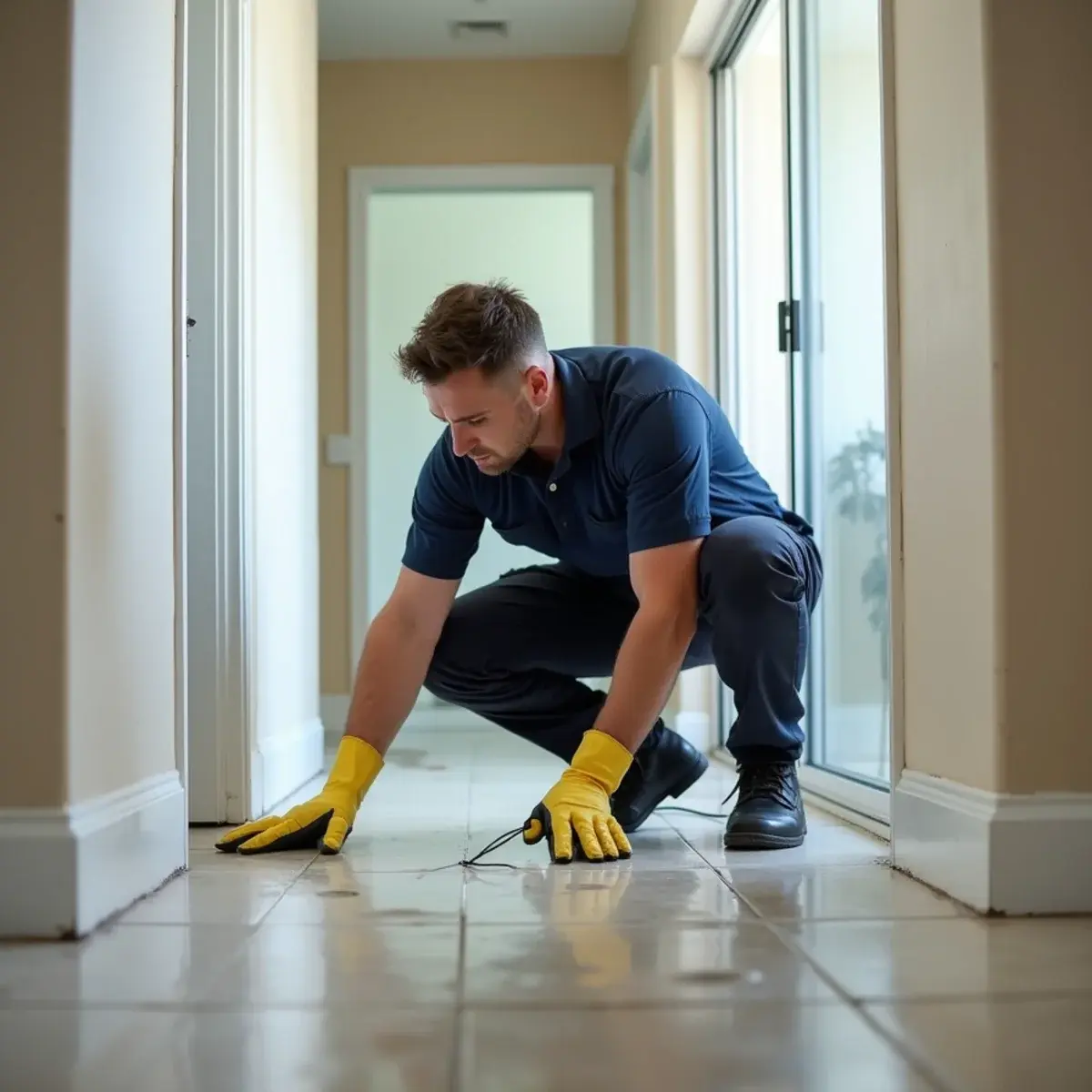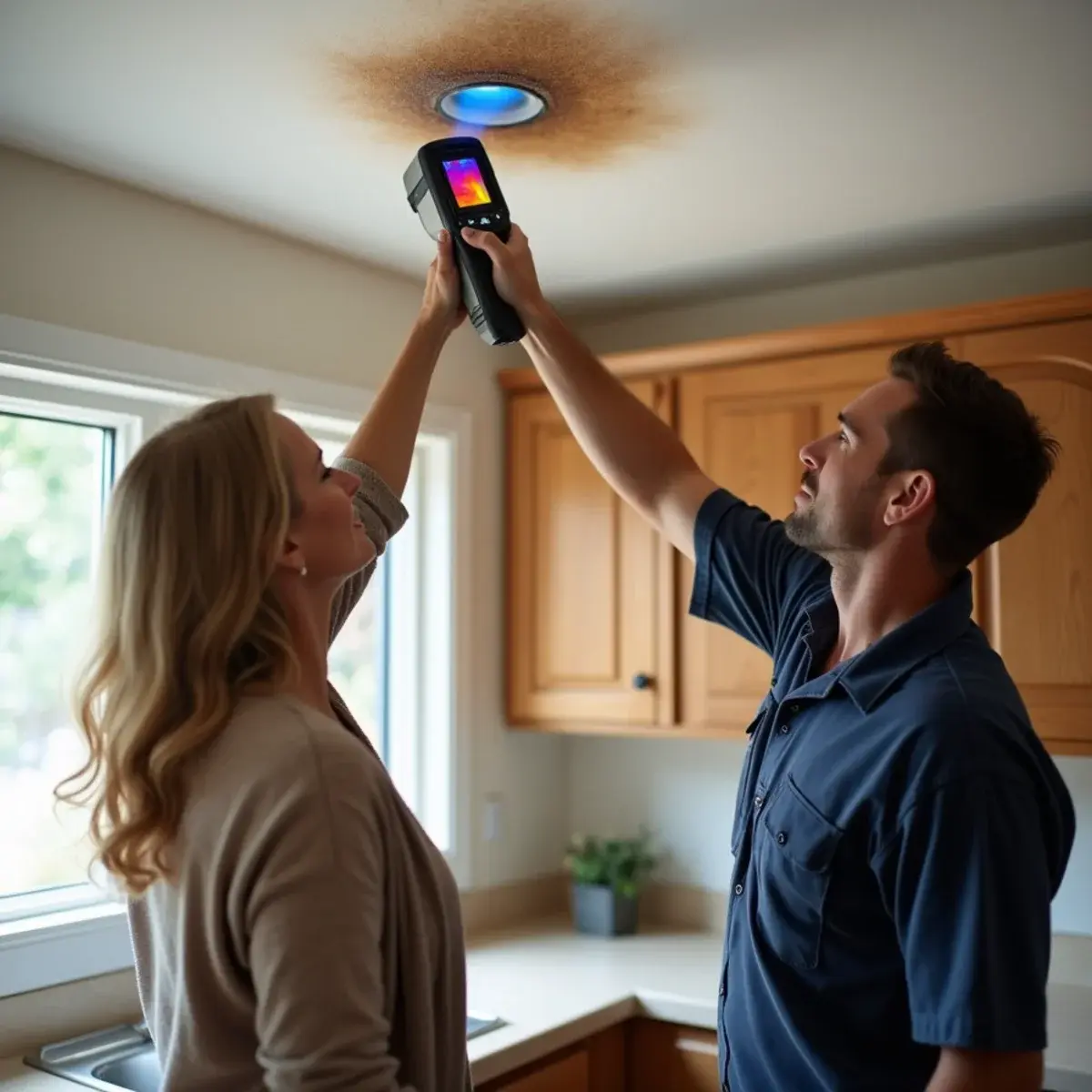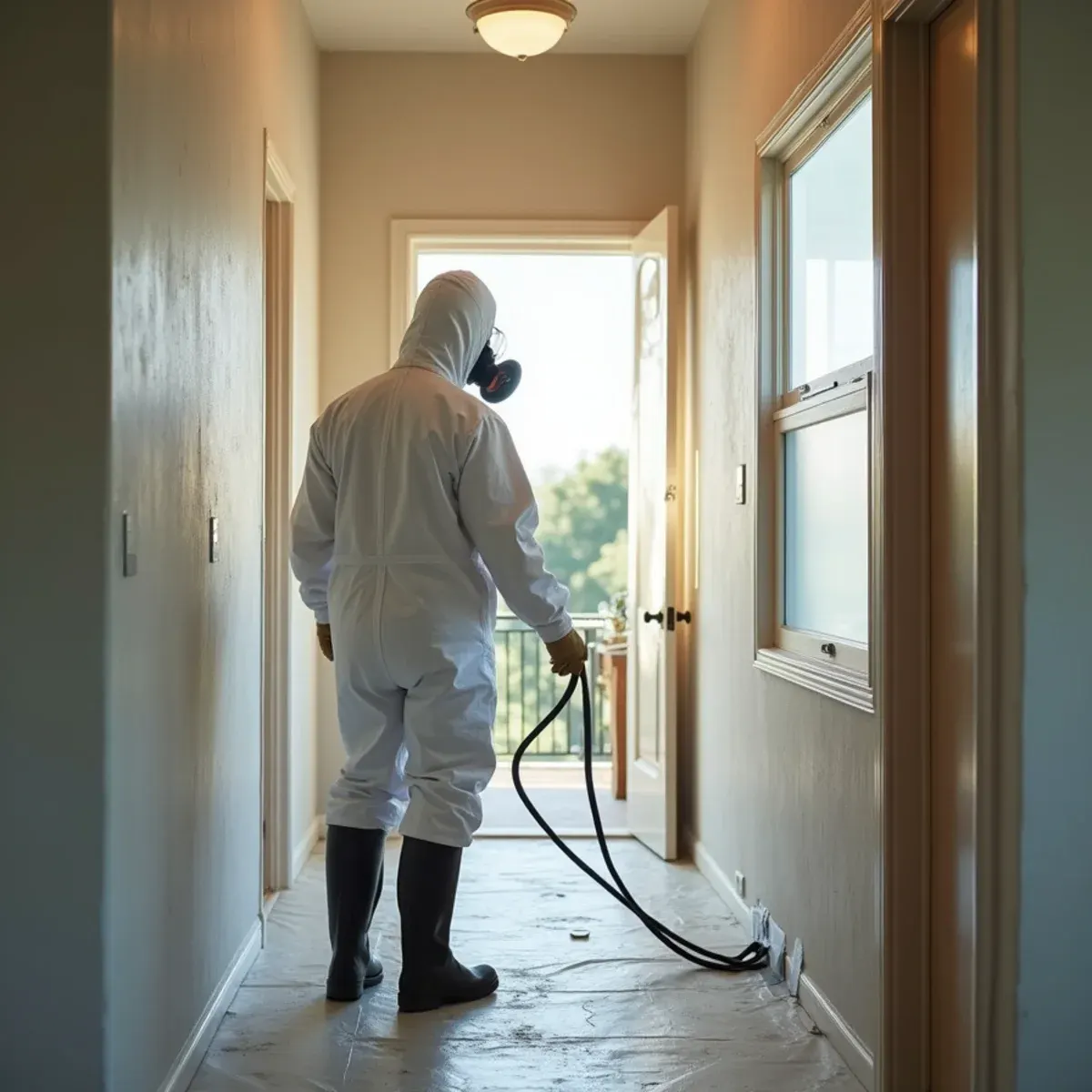
A sewage backup is not a cleaning job. It is a biohazard job that happens to be in your house. Raw sewage carries E. coli, hepatitis A, salmonella, rotavirus, and parasites, and the aerosols generated when it is disturbed are a genuine inhalation risk. This is the one water loss where doing it yourself is not just inefficient — it is unsafe.
Under IICRC classification, sewage is Category 3 water. That designation drives everything: full personal protective equipment, physical containment of the affected zone, HEPA-filtered negative air, disposal of essentially all porous materials the water contacted, and hospital-grade disinfection of everything that remains.
In Cypress, the two causes we see most are cast-iron lateral lines from the 1960s and 1970s that have corroded or cracked, and root intrusion from the mature street trees that line so much of this city. Both produce the same result — the lowest fixture in the house becomes the relief point when the line blocks.
Signs of a Sewage Problem Before It Backs Up
Main line failures usually give warning. Recognizing it early is the difference between a plumbing service call and a biohazard remediation:
Multiple drains slow at the same time
One slow sink is a clog in that fixture. Several fixtures slowing together means the blockage is in the main line serving all of them.
Gurgling from a toilet when you run the washer or shower
Air being forced back through the trap means the main line cannot carry the flow. This is a reliable early warning of a partial blockage.
Water rising in a tub or shower when a toilet flushes
The blockage is downstream of both fixtures. At this point a backup is imminent — stop using water and call a plumber immediately.
Sewer odor in or around the home
Persistent sewage smell means gases are escaping the system through a crack, a dry trap, or a failed seal.
Unusually lush or sunken patches in the yard
A cracked lateral leaking into the soil fertilizes the grass above it and can cause the ground to settle. Both point to a line that is going to fail.
Repeated clogs in the same fixture
A fixture that clogs every few weeks despite clearing is not a habits problem. It is a structural problem in the line, often root intrusion.
Our Sewage Cleanup Protocol
Every step here exists for a health reason. We follow IICRC S500 Category 3 protocols and OSHA requirements without shortcuts.
- 1
Secure the area and set containment
The affected zone is isolated with poly barriers and HEPA-filtered negative air machines, so contaminated aerosols cannot migrate into the rest of the home. Occupants and pets are kept out entirely until clearance.
- 2
Full PPE and safe extraction
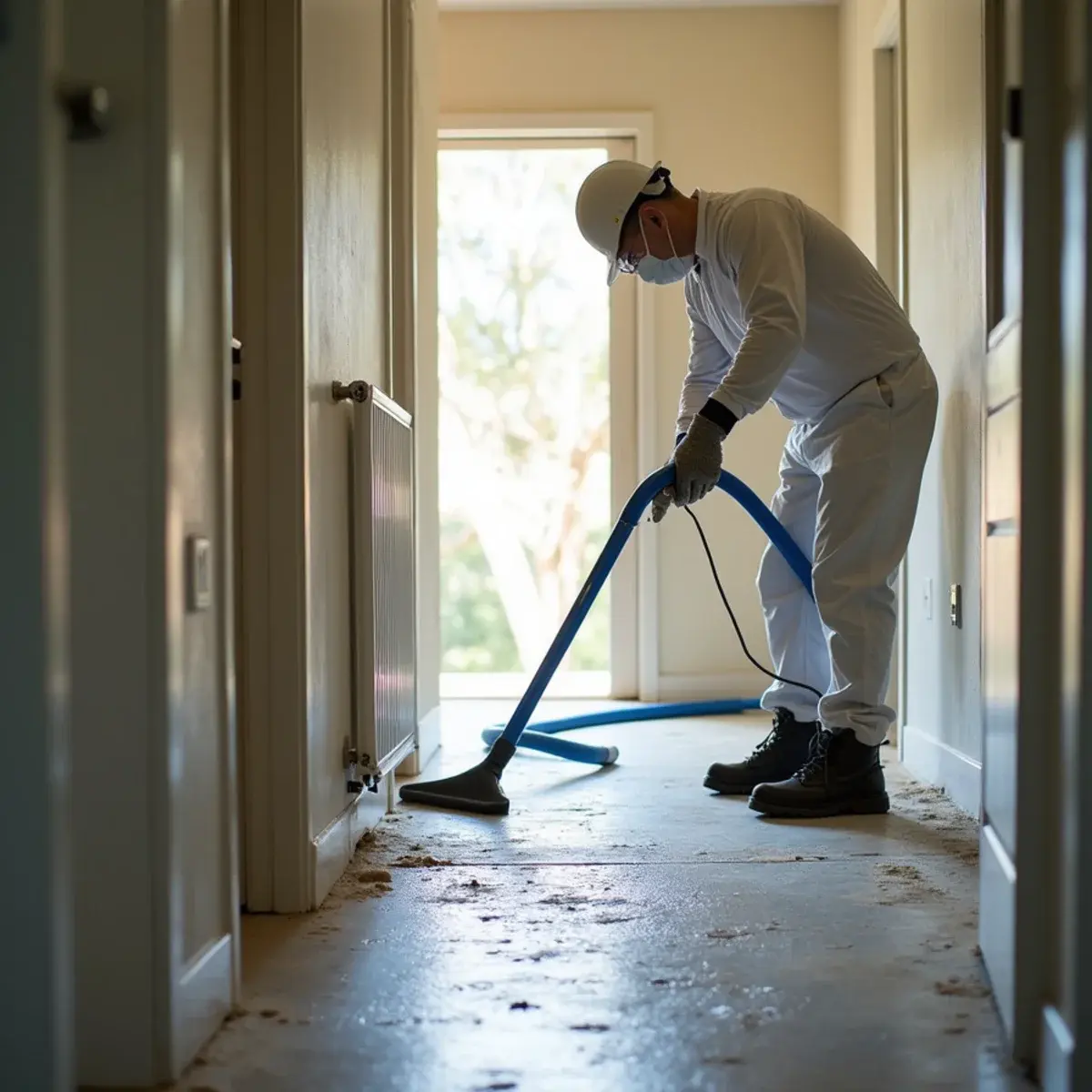
Crews work in full protective equipment meeting OSHA standards. Contaminated water is extracted with dedicated equipment that is never used on clean-water losses.
- 3
Remove contaminated porous materials
Carpet, pad, wet insulation, particle board, and drywall contacted by sewage come out and are bagged for disposal. Porous materials cannot be reliably disinfected — attempting it is the most common failure we see in incomplete jobs.
- 4
Clean and disinfect all remaining surfaces
Framing, subfloor, slab, and hard surfaces are cleaned to remove the soil load and then treated with EPA-registered antimicrobials rated for Category 3. Cleaning must come first; disinfectants do not work through organic material.
- 5
Deodorize at the source
Odor comes from the residue, not the air, so we treat the source. Where odor persists in the structure, hydroxyl or ozone treatment follows — never a masking fragrance over untreated contamination.
- 6
Dry, verify, and clear
The structure is dried to standard with HEPA scrubbers running throughout, then verified with moisture readings and, where appropriate, post-remediation surface testing before we release the space.
Why You Cannot Clean This Up Yourself
We say this plainly because people get hurt. Raw sewage contains pathogens that cause serious illness through skin contact, ingestion, and inhalation of aerosols. Household bleach does not reliably inactivate all of them, does not penetrate porous material, and produces dangerous gas when mixed with ammonia compounds present in sewage.
There is also a containment problem no consumer setup solves. Walking through the affected area, running a household vacuum, or opening the door to air it out tracks and aerosolizes contamination into the clean parts of your home. Without negative air pressure and physical barriers, cleanup spreads the problem rather than solving it.
If you have already been in the area: wash thoroughly with soap and water, launder the clothing separately in hot water, and watch for gastrointestinal symptoms. Then stay out of the space until a crew with proper equipment has cleared it.
Cast Iron and Tree Roots: The Cypress Pattern
The sewer laterals under most older Cypress homes are cast iron or clay, installed when the tracts were built. Cast iron corrodes from the inside over decades until the bottom of the pipe channels out; clay joints separate as the soil moves. Either way, the line develops openings.
Then there are the trees. The mature ficus, liquidambar, and pepper trees that make the older neighborhoods here so pleasant have aggressive root systems that seek exactly the moisture and nutrients a leaking sewer line provides. Roots enter through a joint or corrosion hole, grow into a mass inside the pipe, and catch everything that passes.
A camera inspection of your lateral costs a fraction of a sewage remediation and tells you definitively what condition the line is in. If your home is more than forty years old and you have never had the line scoped, that is the highest-value plumbing dollar you can spend.
What Sewage Cleanup Costs Depends On
Category 3 work costs more per square foot than any other water loss because of the containment, PPE, disposal, and disinfection requirements.
Affected square footage
A contained bathroom overflow is a different job from sewage that reached a hallway, bedroom carpet, and a living room. Every additional room adds containment and disposal.
Volume of porous material removed
Carpet, pad, drywall, insulation, and cabinetry that contacted sewage all get removed and disposed of. Demolition labor and dump fees are a significant share of the total.
Contents in the affected area
Soft goods and porous items generally cannot be salvaged. Hard goods can be cleaned and disinfected but require individual handling, which is labor-intensive.
How long it sat
Contamination spreads and penetrates deeper over time. Same-day response keeps the removal scope tight; a backup that sat for two days while a family was away expands it considerably.
Whether HVAC was affected
If sewage reached ductwork or the air handler, duct cleaning and possible component replacement is added to the scope — and it is not optional, since the system will otherwise distribute contamination through the whole house.
Insurance note: Most homeowners policies cover sudden sewage backup only if you carry a sewer or water backup endorsement — it is commonly a low-cost add-on that many people do not realize is separate. Check your declarations page now rather than during a loss. Backups caused by municipal main issues may also be a claim against the city or district.
Why Cypress Homeowners Call Us for Sewage Cleanup
Plenty of companies list this service. Fewer can tell you what equipment they will bring, what standard the work is measured against, or what happens if they are wrong. Here is what you are actually buying.
Full containment, negative air, HEPA filtration
Category 3 work is defined by what you stop from spreading, not just what you remove. Barriers, negative pressure, and HEPA scrubbing run for the whole job.
Porous material goes, and we tell you which
Carpet, pad, and saturated drywall below the water line come out — that is not upselling, it is the standard. We show you the line and explain what stays.
Cast-iron laterals are the local cause
Original cast iron and clay under mature trees is what backs up in these neighbourhoods. We coordinate with your plumber on the line repair so the cleanup is not undone a month later.
- 20+ years restoring Orange County homes
- IICRC Certified Firm
- Licensed, Bonded & Insured
- We bill your insurance company directly
- IICRC S500:2025 compliant on every job
- 100% satisfaction guarantee — in writing, on every job
Frequently Asked Questions
It depends on the source. A toilet that overflows with clean bowl water because of a stuck fill valve is Category 1 or 2 and is far less serious. A toilet that backs up from the main line is carrying waste from the whole system, and that is Category 3 — it needs the full protocol.
No. Standard practice for Category 3 water is removal and disposal of carpet and pad that were contacted. Porous materials cannot be reliably disinfected all the way through, and the health risk of leaving them is not worth the savings.
The cleanup and disinfection phase typically runs one to three days depending on area, then structural drying adds another three to five. Reconstruction of removed drywall, flooring, and cabinetry follows and is scheduled separately.
You need to stay out of the contained area. Whether you can remain elsewhere in the house depends on how much of it is affected and whether the HVAC system was involved. If relocation is warranted, we will say so — and additional living expenses are commonly covered when the loss itself is covered.
Only if you carry a water or sewer backup endorsement, which is separate from standard coverage on most policies. It is usually inexpensive to add. Check your declarations page today — this is the single most common coverage gap we encounter.
Related Reading
- Water Damage Categories 1, 2, and 3 Explained — The category of the water decides what can be saved, what has to be thrown out, and whether it is safe to be in the room. Here is how to tell them apart.
- Does Homeowners Insurance Cover Water Damage in California? — The answer is usually yes, with four specific exclusions that account for nearly every denied claim we see. Here they are.