Most California homeowners policies do cover water damage — that is the short answer, and it is true for the great majority of losses we handle.
But coverage turns almost entirely on where the water came from, and there are four exclusions that between them account for nearly every denied water claim we encounter. Understanding those four is worth more than reading the rest of your policy.
This is general guidance, not a reading of your specific policy. Your declarations page is the document that governs, and it is worth pulling out and looking at before you ever need it.
The General Rule: Sudden and Accidental
Standard California homeowners policies — typically HO-3 form — cover water damage that is sudden and accidental from a source inside your home.
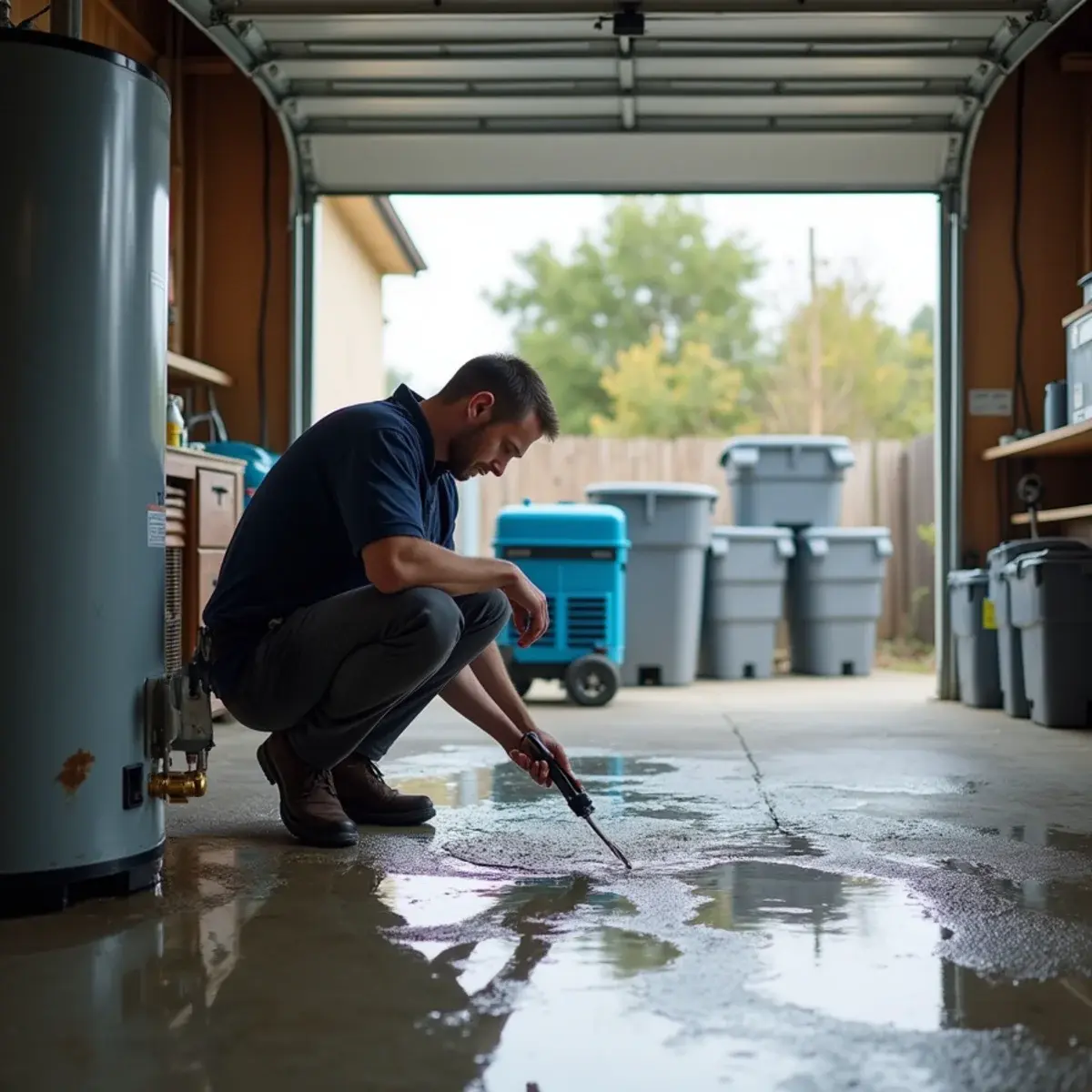
That covers the great majority of what actually happens to people: a burst supply line, a failed washing machine hose, a water heater that ruptures, a dishwasher that lets go, an overflowing tub, a fire sprinkler discharge, or rain entering through damage that a storm just caused.
Both phases are covered. The mitigation — extraction, equipment, drying — and the reconstruction. Additional living expenses are covered too if the damage makes the home uninhabitable.
Exclusion 1: Flooding From Outside
This is the biggest one and the one that surprises people most.
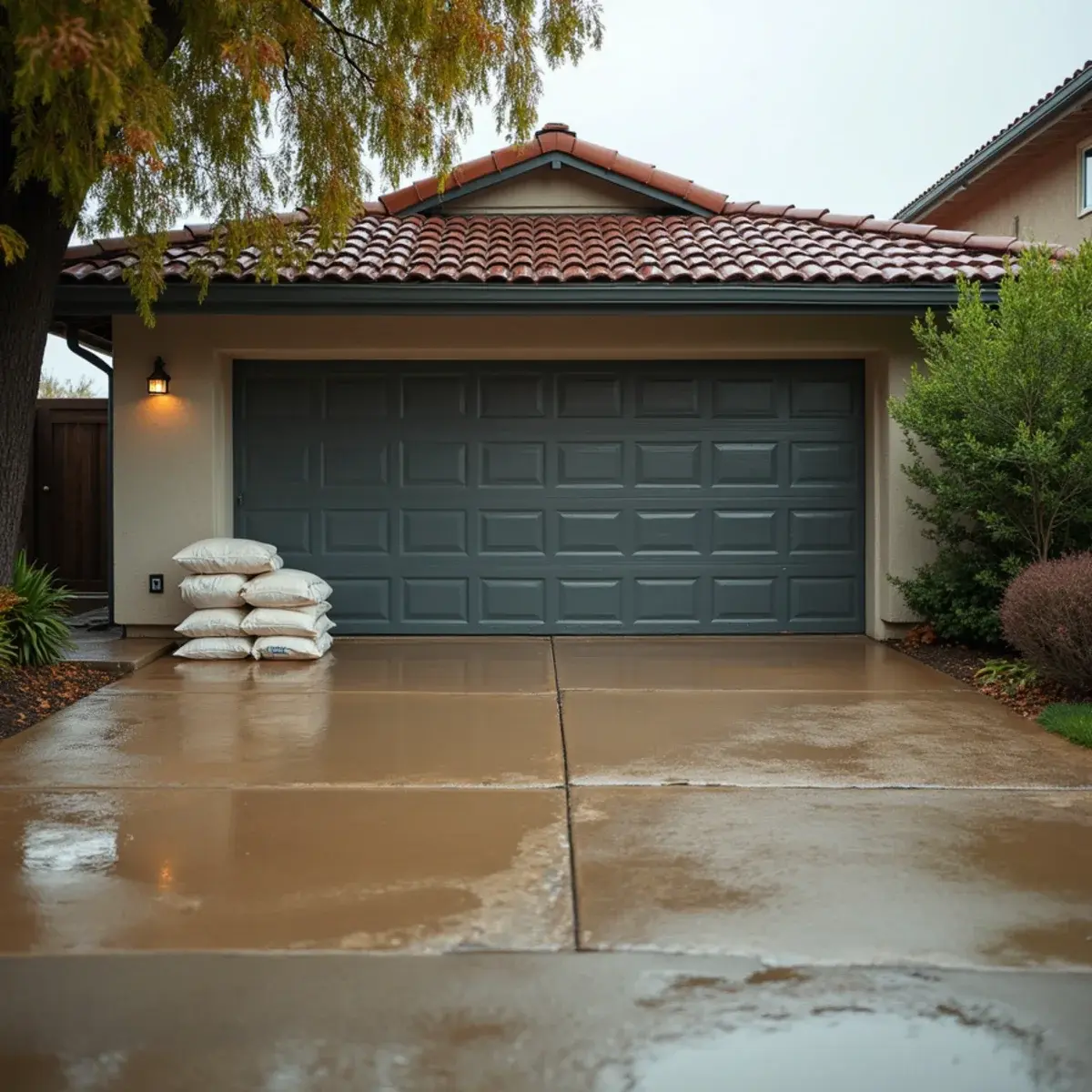
Water that reaches your home from outside across the ground is a flood, and flood is excluded from every standard homeowners policy in the country. It does not matter that it was rain, that it came off the street, or that it entered through your garage door. If it traveled across the ground to get to you, homeowners insurance does not cover it.
Flood coverage is separate — either an NFIP policy or private flood insurance. Critically, NFIP policies carry a 30-day waiting period, so buying one when a storm is in the forecast does not help.
The distinction matters enormously in Cypress, where the most common storm-season loss is water under a garage door. That is a flood. The same volume of water from a burst pipe in the same garage is a covered claim.
Exclusion 2: Gradual Leaks and Long-Term Seepage
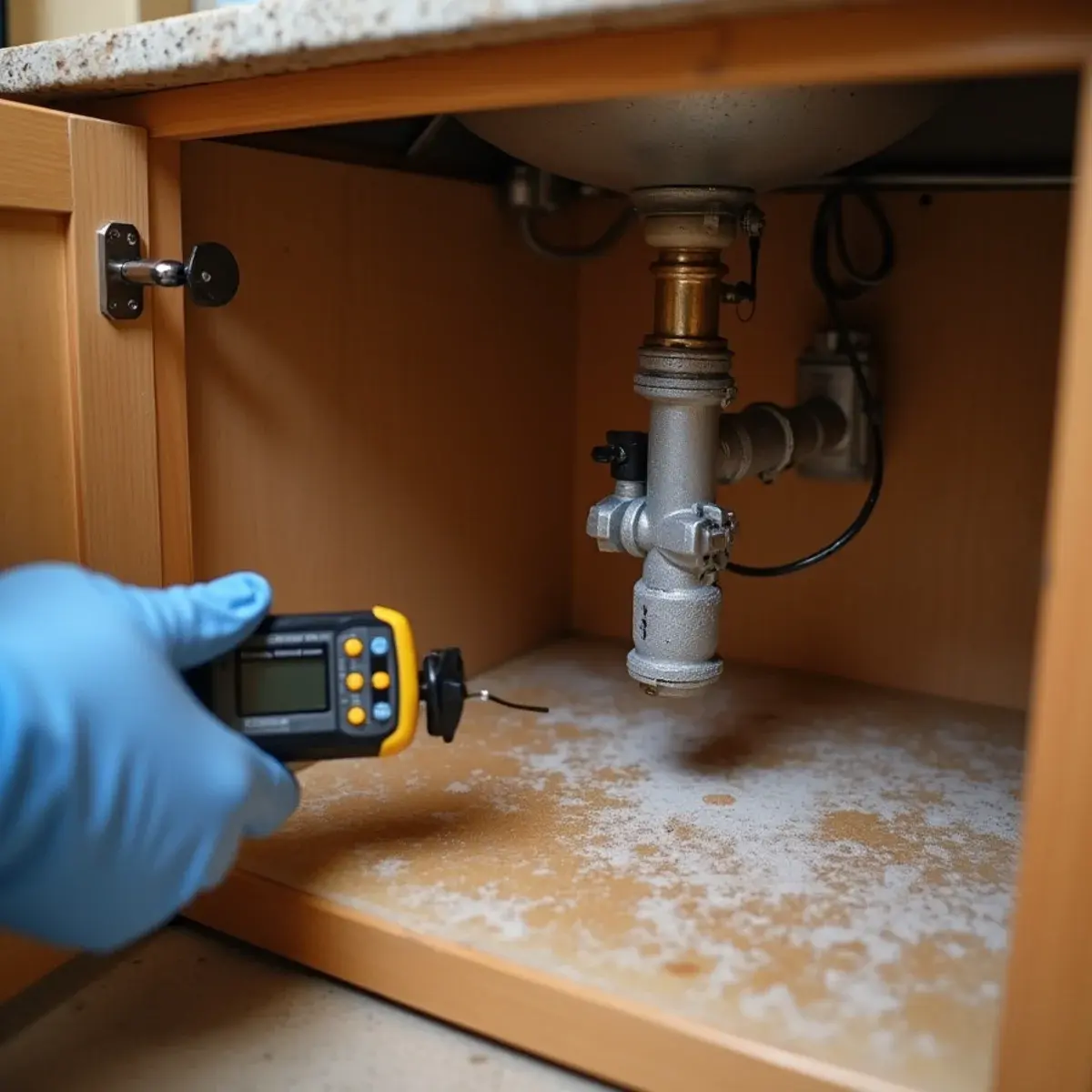
Policies cover sudden events. They exclude damage that developed over weeks or months.
This is the exclusion that catches slab leaks, slow appliance leaks, failed shower pans, and pinholes weeping inside walls. A carrier can reasonably argue that a leak which ran for eight months was not sudden, and that maintaining your plumbing was your responsibility.
Where it gets contested is that most gradual leaks are invisible by definition — nobody chose to ignore a slab leak they had no way of knowing about. Some policies include limited coverage for hidden seepage, and the outcome often depends on documentation showing when the damage was discovered and that it was reported immediately.
The practical protection is the annual water meter test. Fifteen minutes, every fixture off, watch the low-flow indicator. Catching a leak in month one keeps it firmly in sudden territory.
Exclusion 3: Sewer and Drain Backup
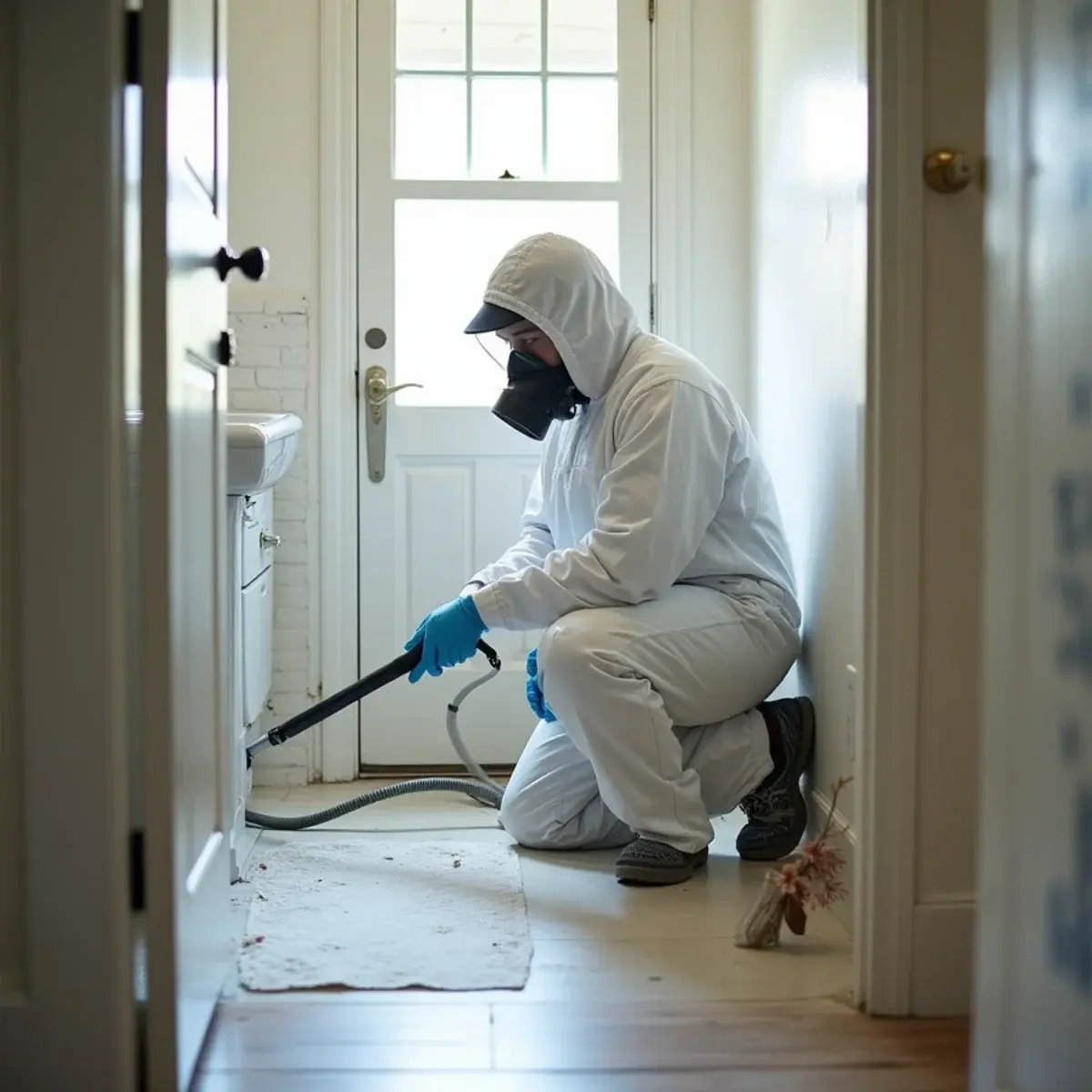
Sewage backing up into your home through a drain or toilet is excluded from standard coverage. It requires a separate water backup or sewer backup endorsement.
This is the single most common coverage gap we see, and it is frustrating because the endorsement is usually inexpensive — often a modest annual amount for meaningful coverage. Most people simply do not know it is separate.
It matters especially in the older neighborhoods across Cypress, Los Alamitos, Lakewood, and Norwalk, where original cast-iron sewer laterals combined with mature street trees produce root intrusion and backups regularly. Category 3 remediation is among the most expensive work in this industry, and going into it uninsured is a serious financial event.
Pull your declarations page today and look for water backup or sewer backup coverage. If it is not listed, call your agent this week.
Exclusion 4: Neglect and Deferred Maintenance
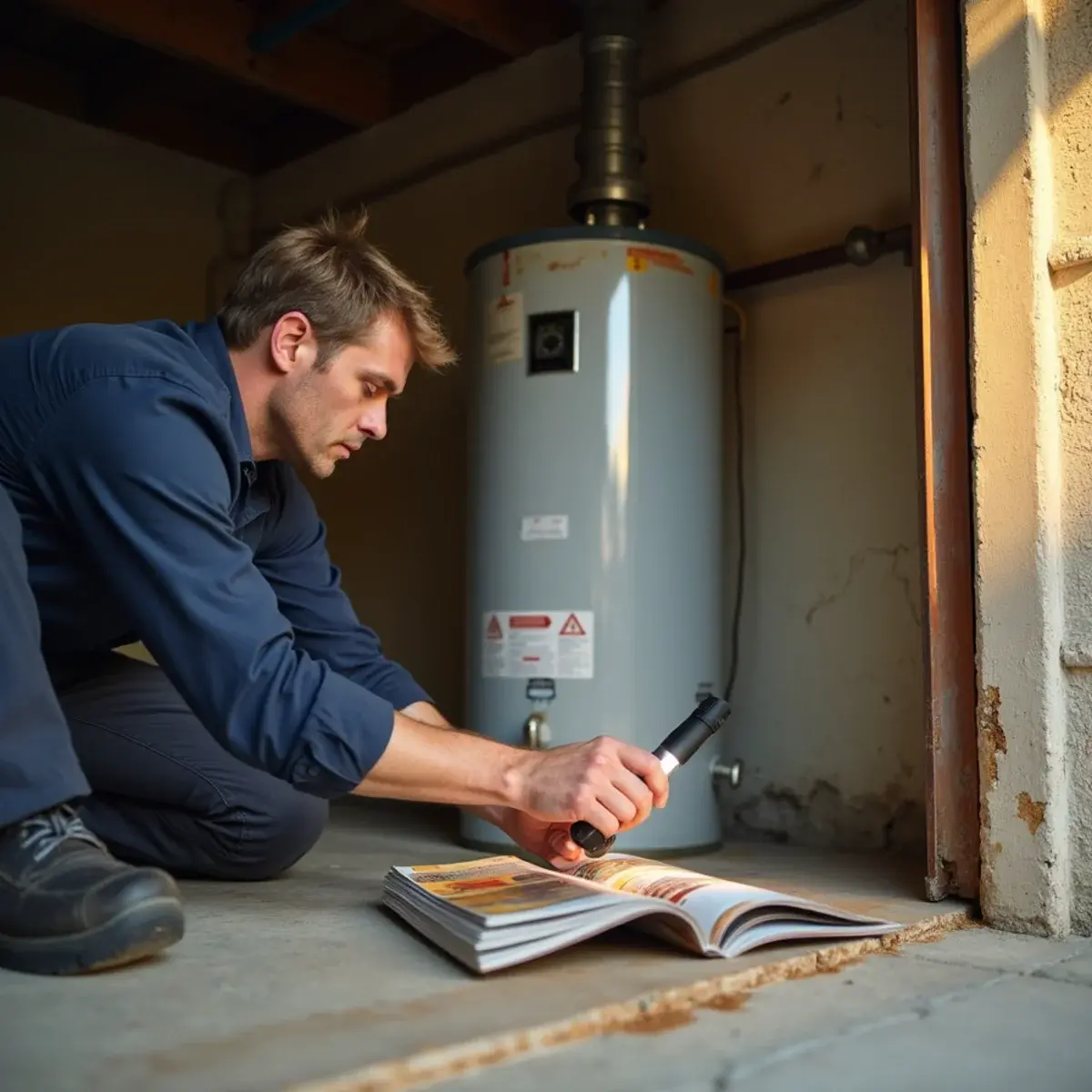
Policies exclude damage resulting from your failure to maintain the property or to mitigate a loss once it happens.
In practice this shows up as: a roof that had visibly been failing for years, a water heater that had been rusting and weeping before it ruptured, gutters that were never cleared, or a leak that was known about and left. It also covers failure to act after a loss — if water sat for three days before anyone called, a carrier can decline the mold portion of the claim.
Two protections. First, actually do the maintenance — and keep receipts, because a service record is the direct rebuttal to a neglect argument. Second, act immediately when something happens. Mitigating promptly is a policy obligation and the documented start time is part of your file.
Mold Coverage: Limited and Conditional
Mold gets its own treatment in most California policies and it is worth understanding before you need it.
Typically, mold is covered only when it results directly from a covered sudden water loss — and even then it is frequently capped, commonly at $5,000 or $10,000. Mold from a gradual leak, from humidity, or from deferred maintenance is generally excluded outright.
Given that a significant mold remediation can exceed those caps, the practical takeaway is that prevention is the real coverage. Fast, complete, documented drying after any water event is what keeps mold from developing in the first place — and the drying logs are what demonstrate the loss was handled properly if a question arises later.
Endorsements Worth Adding
Three additions that are usually inexpensive relative to what they cover:
- Water backup / sewer backup — covers the sewage backup exclusion. The most commonly missing and most commonly needed.
- Service line coverage — covers the buried water and sewer lines from the street to your house, which are your responsibility and are not otherwise covered.
- Ordinance and law — covers the cost of bringing work up to current code when a repair triggers it. Valuable on any home built before roughly 1980.
- Flood insurance — if you are in a low-lying area near a channel, worth pricing even outside a mapped flood zone. Remember the 30-day waiting period.
Where These Claims Actually Get Denied
From our crews in the field
Almost never on the question of whether water damage is covered in principle. The denials we see turn on two things: whether the loss was sudden and accidental, and whether the homeowner met their duty to mitigate. A pipe that burst is sudden. A pipe that wept behind a cabinet for eight months is a maintenance issue, and the fact that you only discovered it yesterday does not make it sudden.
The mitigation piece catches more people. Policies require you to take reasonable steps to stop further damage. Waiting a week to start drying because you were getting three quotes is, to an adjuster, a failure to mitigate — and any additional damage in that week can be excluded. Starting extraction immediately is not just good practice, it protects the claim.
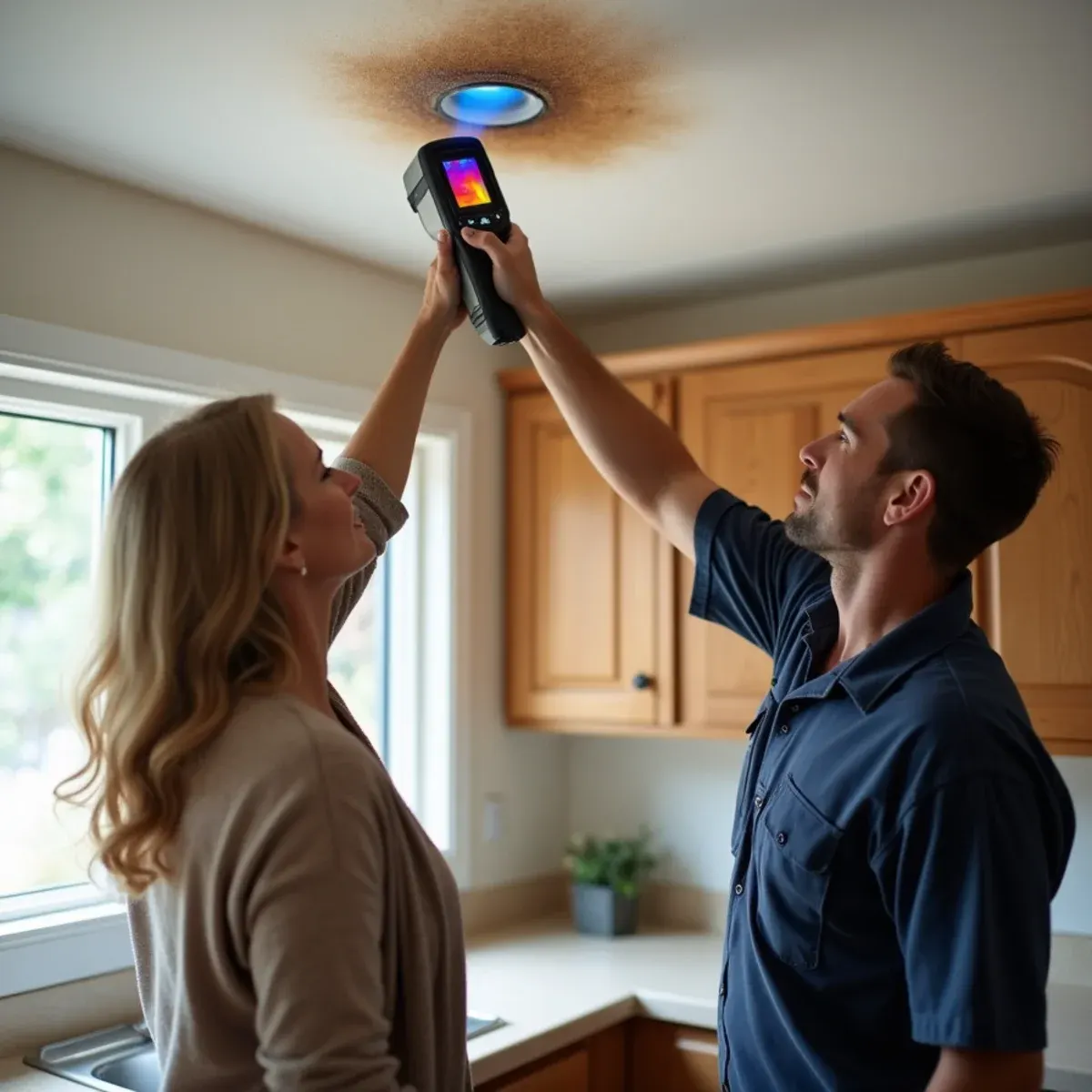
The honest limitation: none of this is legal advice and we are not your adjuster. What we can do is produce documentation that makes the sudden-and-accidental argument evidentially rather than rhetorically — which is a much better position than a phone photograph and a description.
- Sudden and accidental is covered; gradual and long-running generally is not
- External flooding needs separate flood insurance — a standard policy will not cover it
- Delaying mitigation to collect quotes can cost you the additional damage
- Ask your carrier specifically about ALE — most people never claim it
Services Mentioned in This Guide
- Emergency Water Damage Restoration in Cypress, CA — A live person answers in three rings and a truck rolls in 30 minutes — any hour, any day, anywhere in Cypress.
- Sewage Backup Cleanup in Cypress, CA — Category 3 water handled the way it must be: contained, HEPA-filtered, disinfected, and documented.
- Flood Damage Cleanup in Cypress, CA — Floodwater is contaminated water. We handle it with containment, disinfection, and full documentation for your claim.
- Water Damage Restoration in Cypress, CA — Predominantly single-story slab-on-grade tract homes built between 1960 and 1980, with a newer band of construction from the 1990s onward on the west side.
- Water Damage Restoration in Lakewood, CA — One of the most famous postwar developments in America — roughly 17,500 homes built between 1950 and 1953, which means an entire city's plumbing shares a single installation date.
Frequently Asked Questions
Generally yes — a sudden pipe failure is the textbook covered peril, including the resulting water damage and the reconstruction. The repair of the pipe itself is often excluded as a maintenance item, but the damage it caused is covered.
If the water came from outside across the ground, it is a flood, and flood is excluded from every standard homeowners policy. That requires separate flood insurance. If the water came from a burst pipe or a failed water heater inside the garage, it is usually covered — which is why documenting the source precisely matters so much.
Especially then. City sewer connections are exactly where backups occur, and the endorsement is separate from standard coverage on almost every policy. In older neighborhoods with cast-iron laterals and mature street trees, it is among the best-value additions available.
They can, and California's current homeowners market is weighting claim history more heavily at renewal than it did a few years ago. For a small loss, get a written estimate first and compare it to your deductible before opening a claim.
Pull Your Declarations Page This Week
The best fifteen minutes you can spend on this topic is not reading an article — it is finding your declarations page and checking three things: your deductible, whether you have water backup coverage, and whether you have flood coverage if you are in a low-lying area.
If any of those surprises you, call your agent now rather than during a loss. And if you are already dealing with damage in Cypress or the surrounding cities, call us — we document losses to the standard adjusters expect and bill carriers directly.
Open 24 hours a day, 7 days a week — including holidays
On-site within 60 minutes of your confirmed emergency call anywhere in Cypress — or we credit $100 off your final invoice.