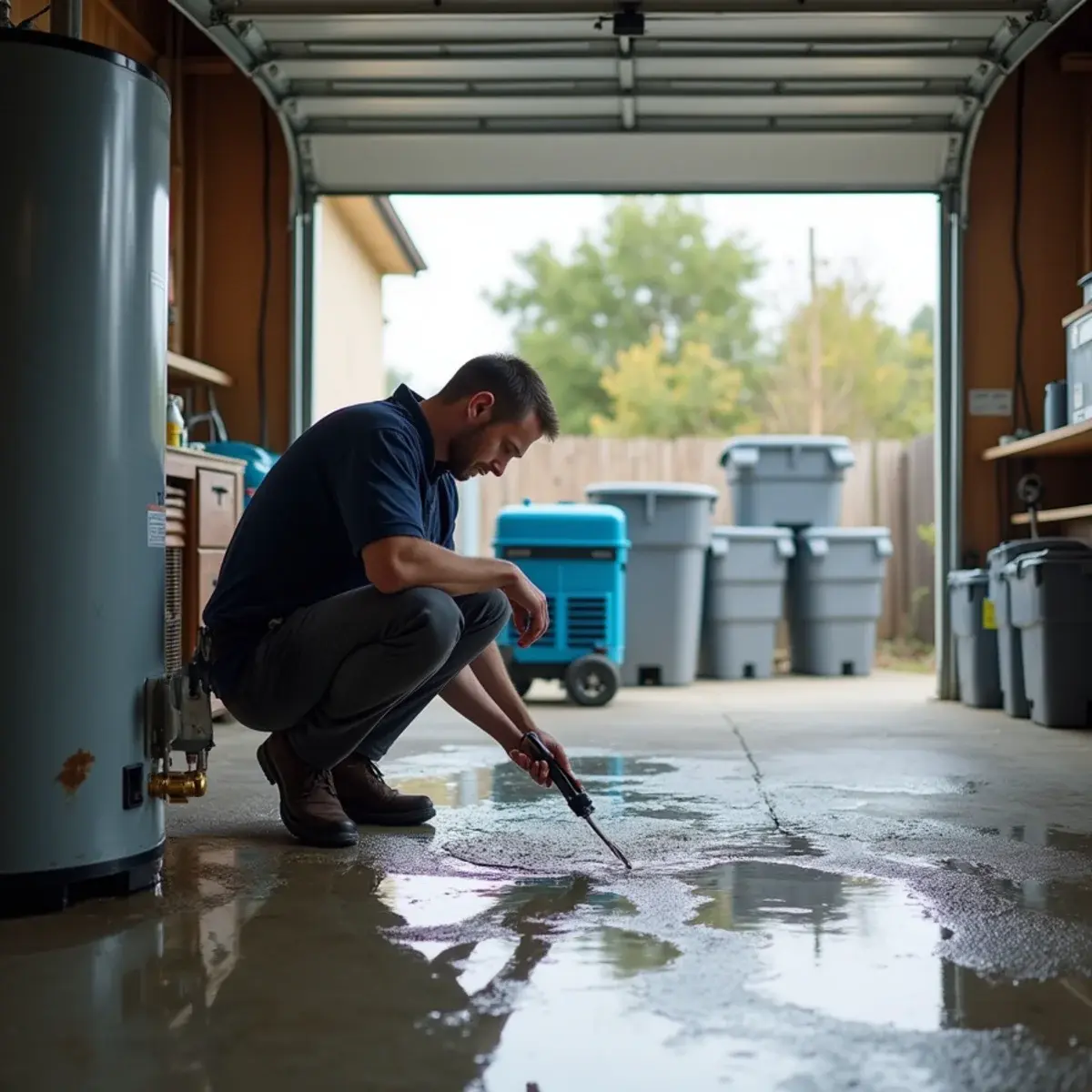
Usually only when the mold is the direct consequence of something sudden and already covered — a burst supply line, a failed water heater, an appliance that let go. In that situation most California homeowners policies will pay to remove the mold, but often only up to a separate mold sublimit that is far smaller than your dwelling limit.
What is almost never covered is mold that grew because something leaked slowly for months, because a roof was past its service life, or because a previous loss was never dried properly. Insurers treat those as maintenance, and maintenance is the one thing a policy is not for.
This is the distinction that decides the claim, and it is decided largely by what you can document. Below is how the coverage actually works, where the caps sit, what gets claims denied, and what to do in the first day to keep the sudden-and-accidental argument available to you.
The rule that decides almost every mold claim
Mold is not an insured peril in its own right. It is treated as a consequence. The question your adjuster is answering is not "is there mold?" but "what caused the water that the mold grew on, and was that cause covered?"
If the answer is a sudden, accidental, covered event, the mold that followed is normally covered too — subject to the cap in the next section. If the answer is time, wear, or neglect, it is excluded, and no amount of photographs of the mold itself will change that.
- Burst supply line, split angle stop, failed water heater — sudden, normally covered
- Washing machine or dishwasher hose failure — sudden, normally covered
- A slow drip under a sink that ran for eight months — gradual, normally excluded
- Roof that has been past its service life for years — maintenance, normally excluded
- Flooding from outside the building — excluded unless you carry separate flood insurance
The sublimit nobody mentions until it matters
Most California policies carry a specific mold cap, written separately from the dwelling limit. It is common to see figures in the low thousands even on a policy with a dwelling limit in the hundreds of thousands. That cap is the number that actually governs a mold claim.
Read your declarations page and look for wording like "fungi, wet or dry rot, or bacteria". The figure next to it is your real ceiling for mold work. Some carriers sell a buy-up endorsement that raises it; most homeowners have never been asked whether they want one.
This is why the sequence matters so much. Water damage caught and dried inside the first day is handled under your normal water-damage coverage. The same loss left for a week becomes a mold claim, and a mold claim runs into a cap that the drying work never would have.
Why mold claims get denied
In our experience the denials cluster into a small number of patterns, and most of them are about evidence rather than about the mold.
- No proof the cause was sudden — nothing dated from the day it happened
- A long-running leak that the homeowner had noticed but not reported
- Failure to mitigate: the loss sat for days before anyone started drying
- Demolition or cleanup done before anything was photographed
- Mold found during a real-estate inspection with no identifiable triggering event
- The underlying cause is itself excluded — groundwater, surface flooding, sewer backup without the endorsement
What to do in the first 24 hours to protect the claim
The work that protects a mold claim happens before there is any visible mold. Once you can see it, the argument about when it started has already become harder.
- Photograph and film everything while it is still wet, before any cleanup
- Note the date and time you discovered it and what you were doing — contemporaneous detail carries weight
- Stop the source and start drying immediately; delay is the most common reason additional damage is excluded
- Keep the failed part — the split hose or corroded valve is physical evidence that the cause was sudden
- Ask your contractor for daily moisture readings, not just a final invoice
Selling a house in California after mold work
California requires sellers to disclose known material facts about a property, and past mold damage generally qualifies. That is not a reason to avoid having the work done properly — it is a reason to have it documented properly.
A remediation with containment records, post-work verification and a clearance result is a disclosure you can stand behind. Work done informally, with no paperwork, is the version that makes buyers nervous and gives them room to renegotiate.
What We See on Mold Claims That Actually Get Paid
From our crews in the field
The claims that go smoothly nearly always have one thing in common: somebody started drying on day one and kept a record of it. The mold either never developed, or it was small enough to stay well inside the sublimit. The claims that go badly are almost always the ones where the homeowner waited to see whether it would dry out on its own.
The second pattern is about who writes the scope. An adjuster reading a line item that says "mold remediation — $8,000" has nothing to evaluate. An adjuster reading a room-by-room moisture map, daily readings against a documented dry standard, and a containment plan is being asked to approve something specific. The second one gets approved far more often, and it is the same work either way.
One honest limitation: we are a restoration contractor, not your adjuster and not a lawyer. We can document the loss to the standard carriers expect and explain what we found. If a claim is being handled unfairly, that is the point at which a public adjuster or an attorney is the right call, and we will say so rather than pretend otherwise.
- Find the "fungi, wet or dry rot, or bacteria" line on your declarations page — that is your real mold limit
- Dry in the first 24 hours and the loss usually stays a water claim, not a mold claim
- Keep the failed part; it is the clearest evidence the cause was sudden
- Ask whether your carrier sells a mold buy-up endorsement before you need one
Services Mentioned in This Guide
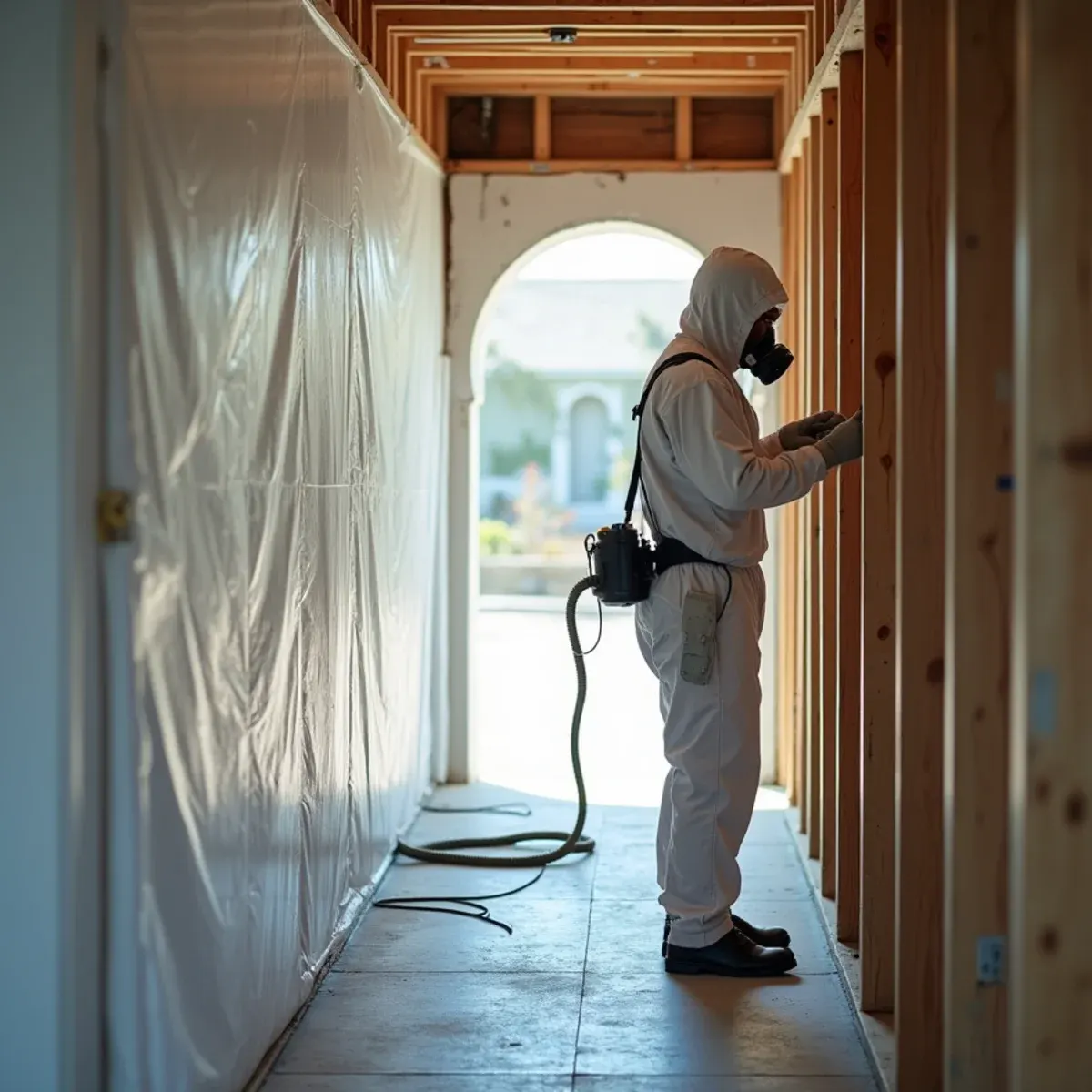
- Mold Remediation & Removal in Cypress, CA — We fix the moisture source first — because remediation without correcting the cause is a temporary result.
- Water Damage Insurance Claim Assistance in Cypress, CA — We document your loss the way adjusters need it, bill your carrier directly, and argue the scope so you don't have to.
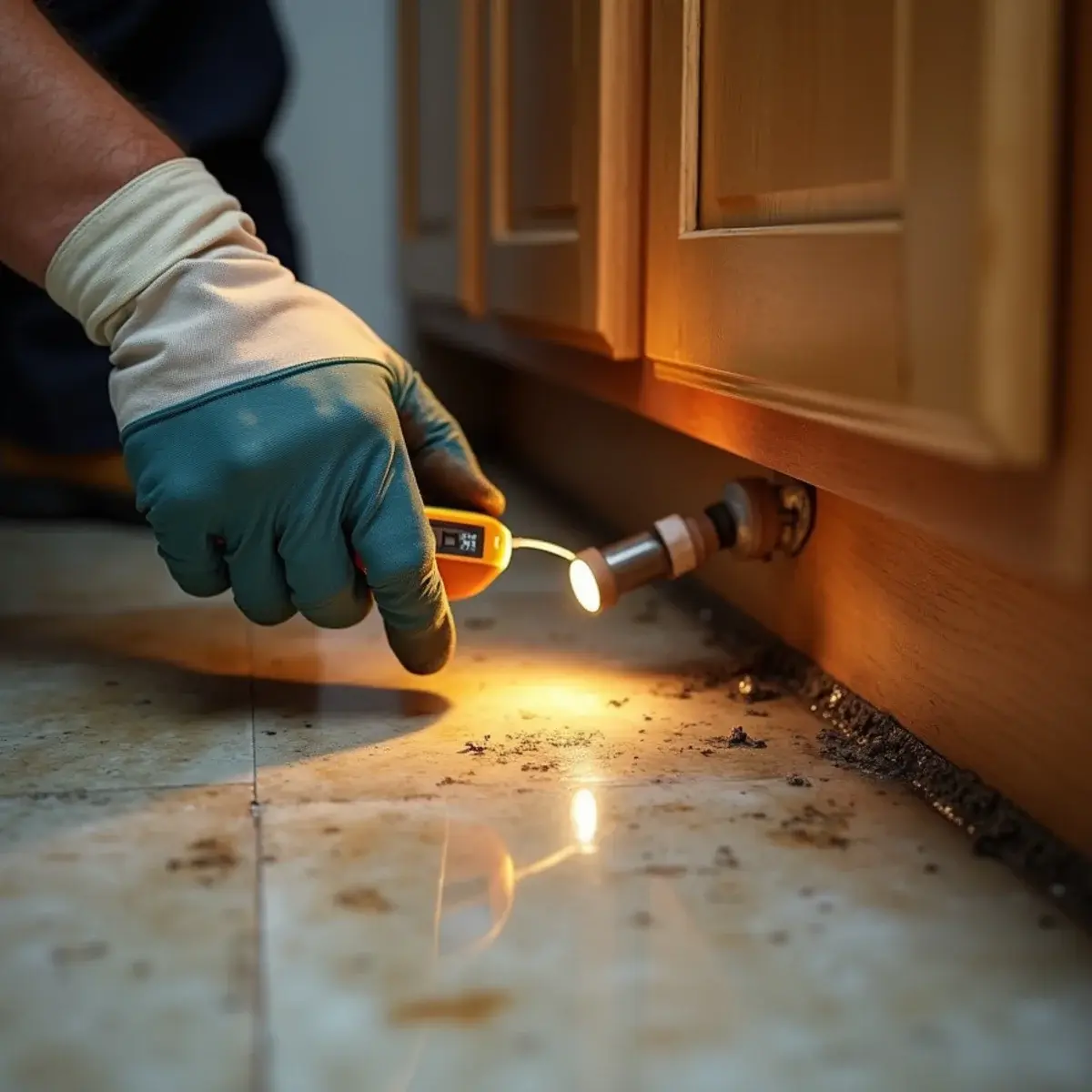
- Water Damage Inspection & Leak Detection in Cypress, CA — Thermal imaging and moisture meters that find what a visual inspection cannot — free, and with no obligation.
- Water Damage Restoration in Cypress, CA — Predominantly single-story slab-on-grade tract homes built between 1960 and 1980, with a newer band of construction from the 1990s onward on the west side.
- Water Damage Restoration in Anaheim, CA — The county's largest city, spanning 1900s-era historic homes in the Colony District, vast postwar tracts in West Anaheim, and hillside construction from the 1970s onward in Anaheim Hills.
Frequently Asked Questions
Not necessarily. Most policies exclude mold as a peril but still cover mold that results from a covered water loss, up to a separate sublimit. The exclusion and the sublimit are different pieces of wording and they often sit in different parts of the policy, which is why homeowners read the exclusion and assume the answer is no. Send us your declarations page and we will tell you what we see before you file anything.
It varies widely by carrier and by policy, and it is not something we can quote for you — the figure is specific to your declarations page. What we can tell you is that the mold sublimit is routinely a small fraction of the dwelling limit, and that most homeowners are surprised by it. Look for the "fungi, wet or dry rot, or bacteria" wording and check whether a buy-up endorsement was offered.
Usually not first. Immediately after a loss, spore counts are elevated everywhere, so a test taken in the first days often tells you nothing useful and costs you money. Testing earns its keep when there is a specific question to answer — a smell that persists after drying, a health concern, or a real-estate transaction. Start with a moisture inspection, which is free, and test only if the readings justify it.
It depends on the wording and on how the leak behaved. Some policies draw the line at whether the leak was hidden and could not reasonably have been discovered, which is a different test from whether it was sudden. A slow leak inside a wall cavity with no visible sign is arguable; a stain under a sink that was there for a year generally is not. Document what was and was not visible before anything is opened up.
The short version
Mold is covered when it follows something sudden and covered, capped by a sublimit most homeowners have never read, and denied when the cause looks like time rather than an event. Everything that improves your position happens in the first day, before there is anything visible to photograph.
If you have water in your home right now, the useful move is not to research coverage — it is to stop the source and start drying, because that is what keeps this a water claim instead of a mold claim. We will document it either way.
Open 24 hours a day, 7 days a week — including holidays
On-site within 60 minutes of your confirmed emergency call anywhere in Cypress — or we credit $100 off your final invoice.