The standard advice after a hardwood floor gets wet is to replace it. That advice is convenient for the contractor giving it — replacement is straightforward labor with a large materials line, while drying requires specialized equipment, daily monitoring, and patience for a smaller invoice.
It is also frequently wrong. Wood that has been wet for less than about 48 hours from clean water, over a subfloor that can be dried, has a genuinely good chance of coming back with nothing more than a refinish.
The honest version is that it depends on four things, and they are measurable rather than a matter of opinion.
Factor 1: How Long It Was Wet
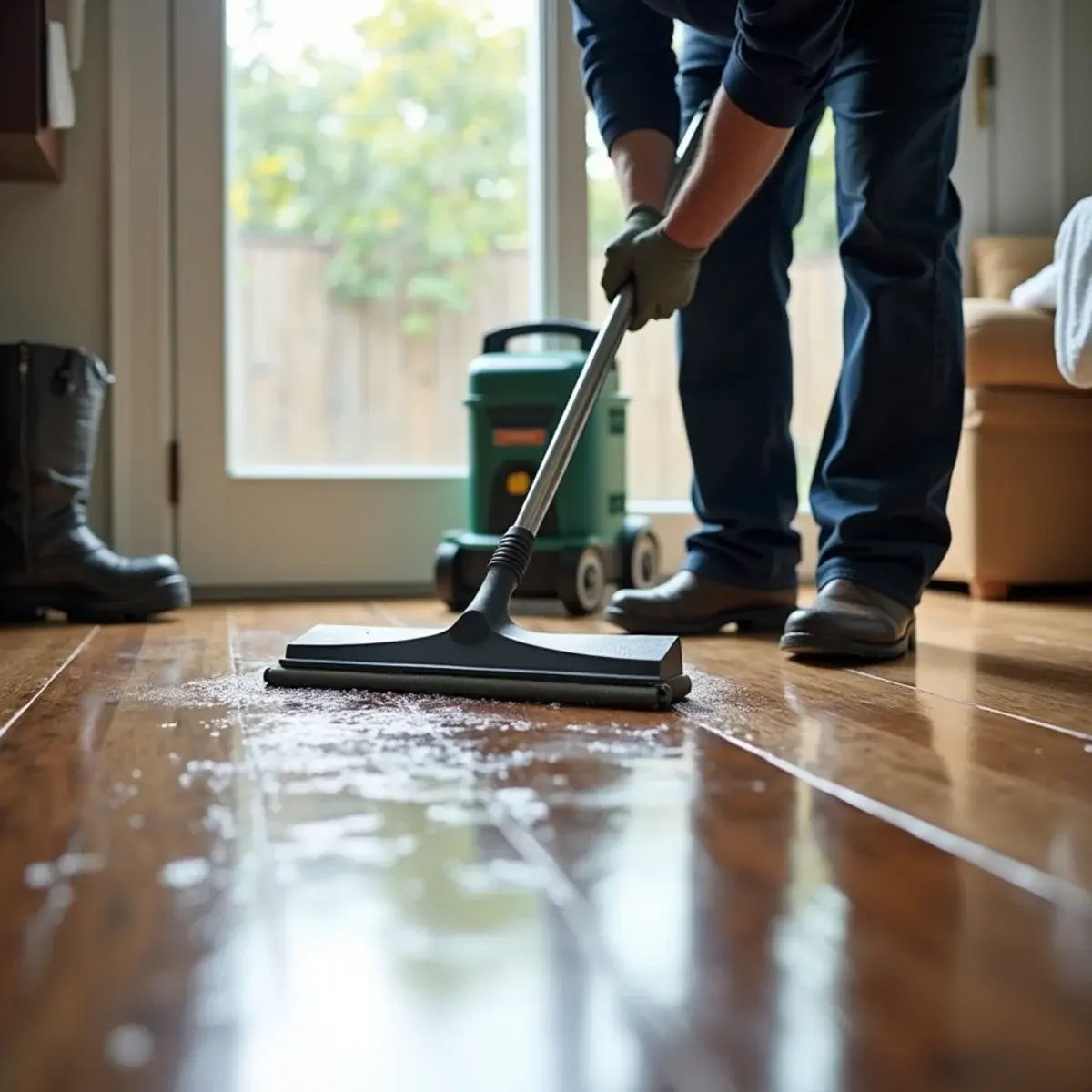
This is the dominant variable and the one you have the most control over.
Wood exposed for under 24 hours: excellent drying candidate. Under 48 hours: good. Beyond 72 hours, the odds drop steadily as adhesive bonds fail, the subfloor saturates, and microbial growth begins underneath where it cannot be reached without removal.
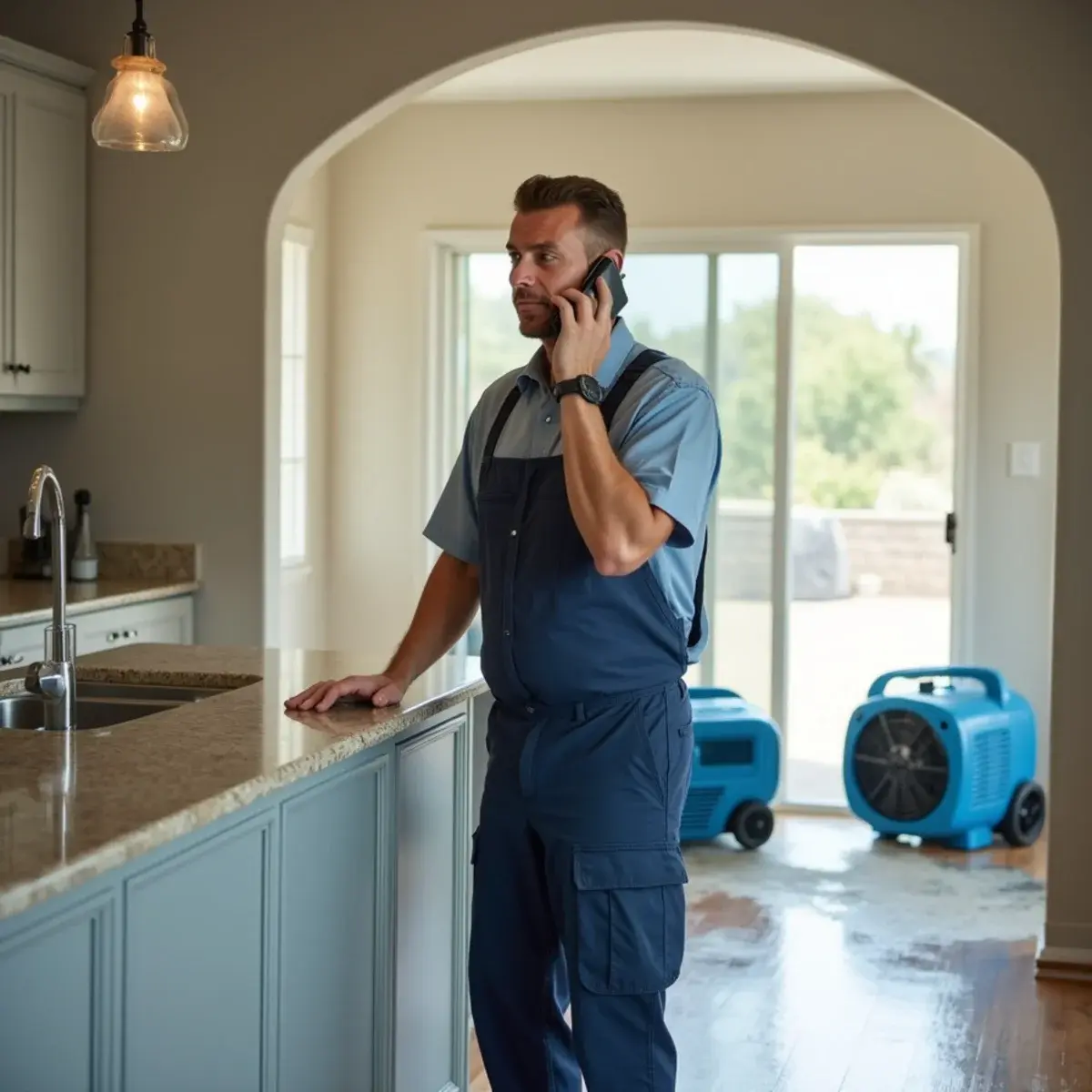
This is why the phone call matters more than anything else in this article. A homeowner who calls the same day is having a conversation about drying. A homeowner who calls the following week is usually having a conversation about replacement, with the same floor.
Factor 2: Solid or Engineered
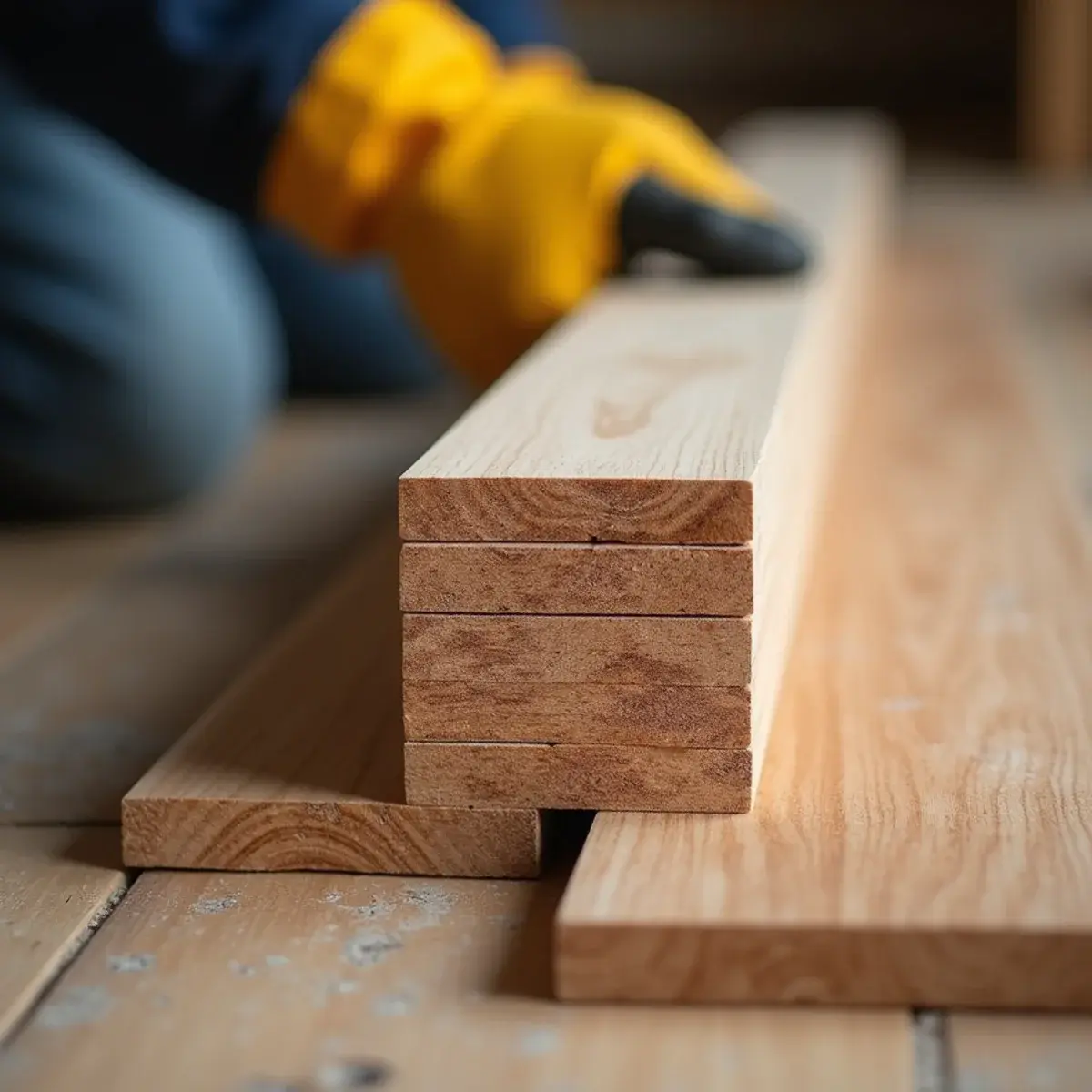
Solid hardwood is a strong drying candidate. It is thick, it is a single homogeneous material, and it can be sanded several times over its life, so even a floor that dries with some residual unevenness can be brought flat.
Engineered wood is a much harder case. It is a thin veneer over a plywood or composite core, and that core delaminates when saturated — the layers separate and the board is finished regardless of what you do to it. The wear layer is also usually too thin to sand more than once, so residual cupping cannot be corrected.
Some higher-quality engineered products with thicker cores and wear layers dry acceptably, so it is still worth measuring rather than assuming. But the base rate is considerably lower.
Factor 3: What Is Underneath
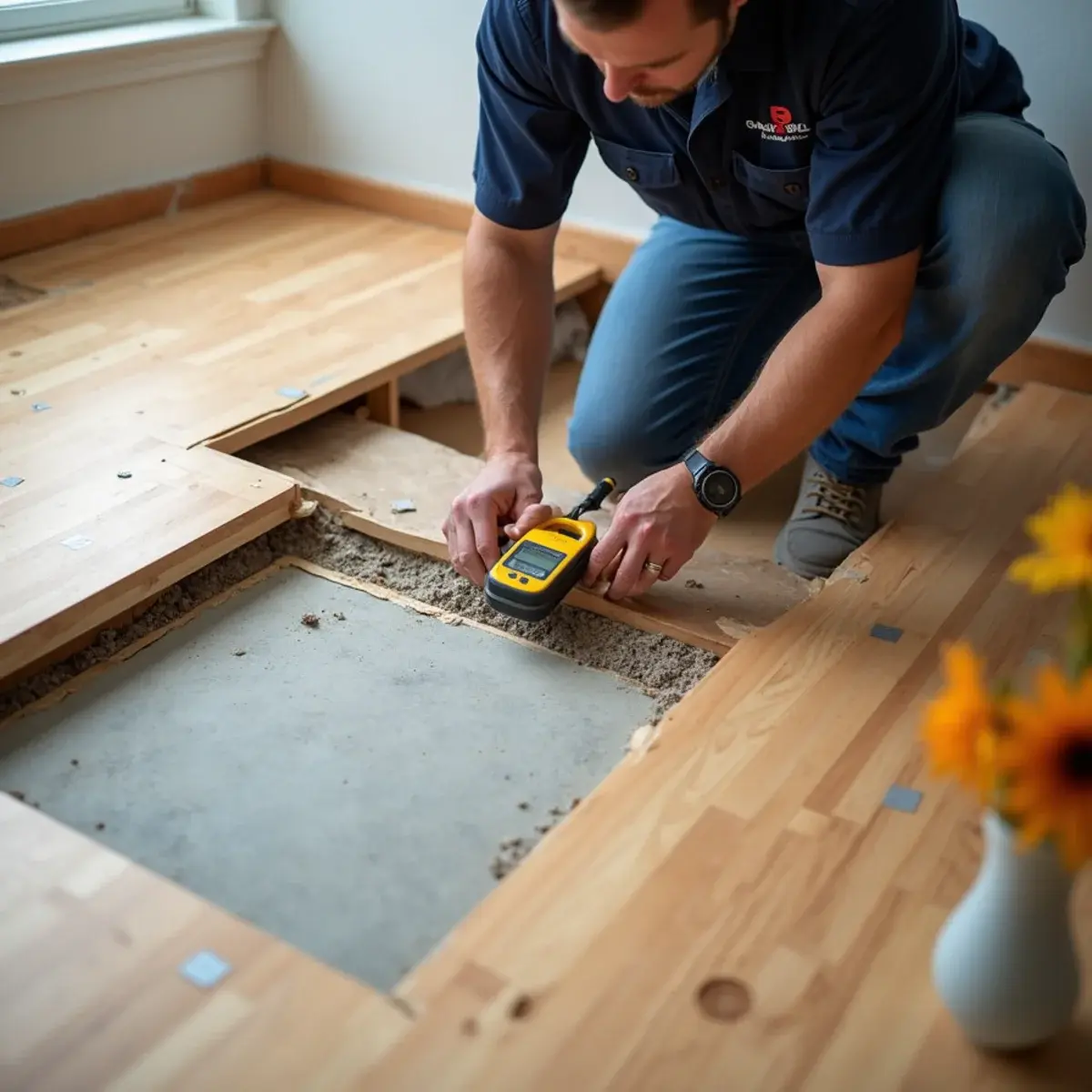
Wood over a plywood subfloor with a ventilated crawl space below is the best scenario. It can dry from both sides, air moves, and moisture has somewhere to go.
Wood over a plywood subfloor on a raised foundation without much ventilation is next best — drying is slower but workable.
Wood glued directly to a concrete slab is the hardest case, and it is unfortunately the most common construction in Orange County's slab-on-grade housing. Concrete holds enormous amounts of water, releases it very slowly, and the adhesive bond fails when saturated. Even where the wood itself dries, a slab that is still releasing vapor will destroy the reinstalled floor.
Factor 4: Water Category
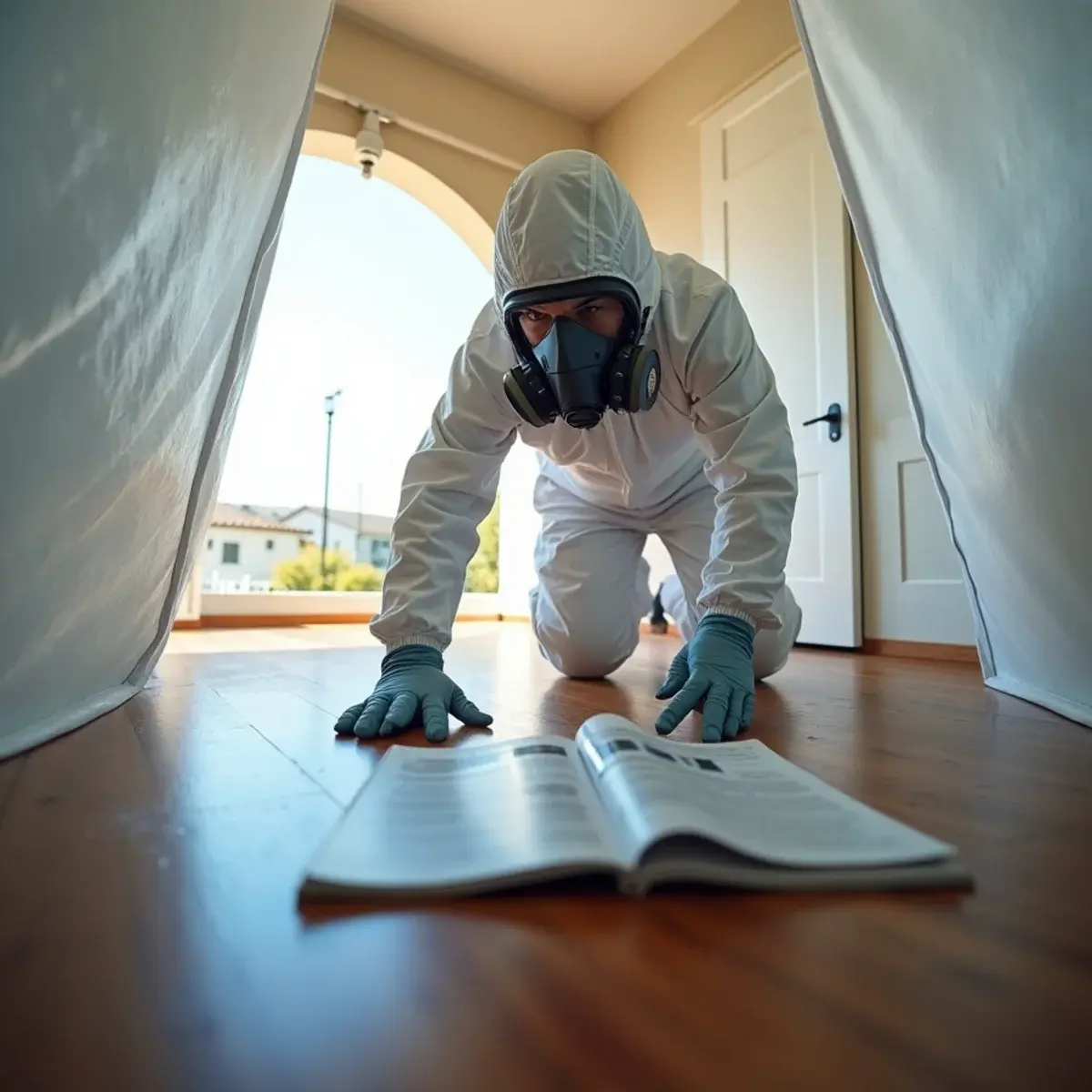
Clean water from a supply line is the only category with a strong drying prognosis.
Gray water — from a dishwasher, washing machine, or a toilet overflow with urine only — is a judgment call that depends heavily on elapsed time and whether the water got below the boards.
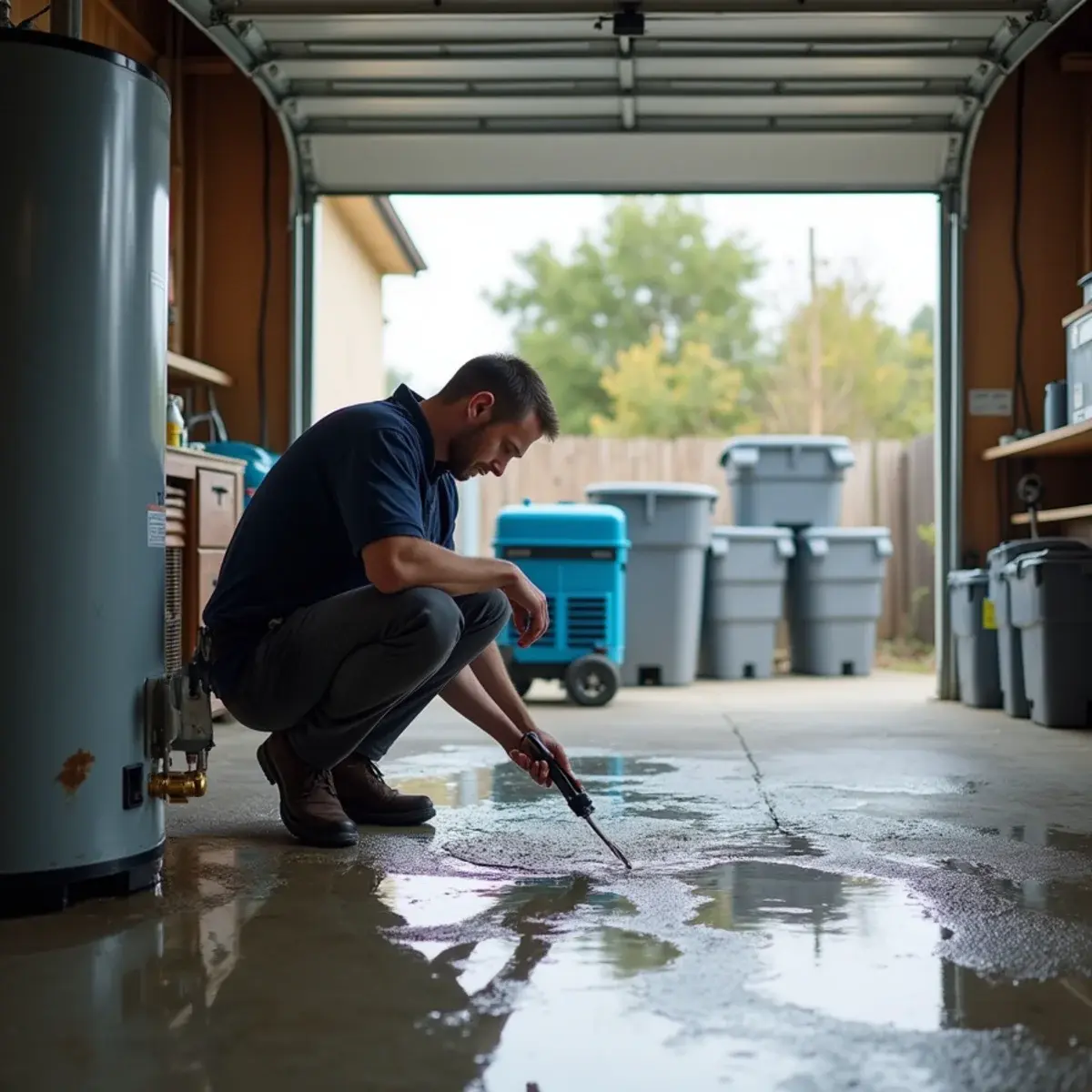
Category 3 water is the end of the conversation. Sewage or ground floodwater under a wood floor means removal, because there is no way to clean and disinfect the underside of an installed floor or the subfloor beneath it.
How Mat Drying Actually Works
The technology that makes saving these floors possible is a floor mat drying system, and it is worth understanding because it explains the timeline.
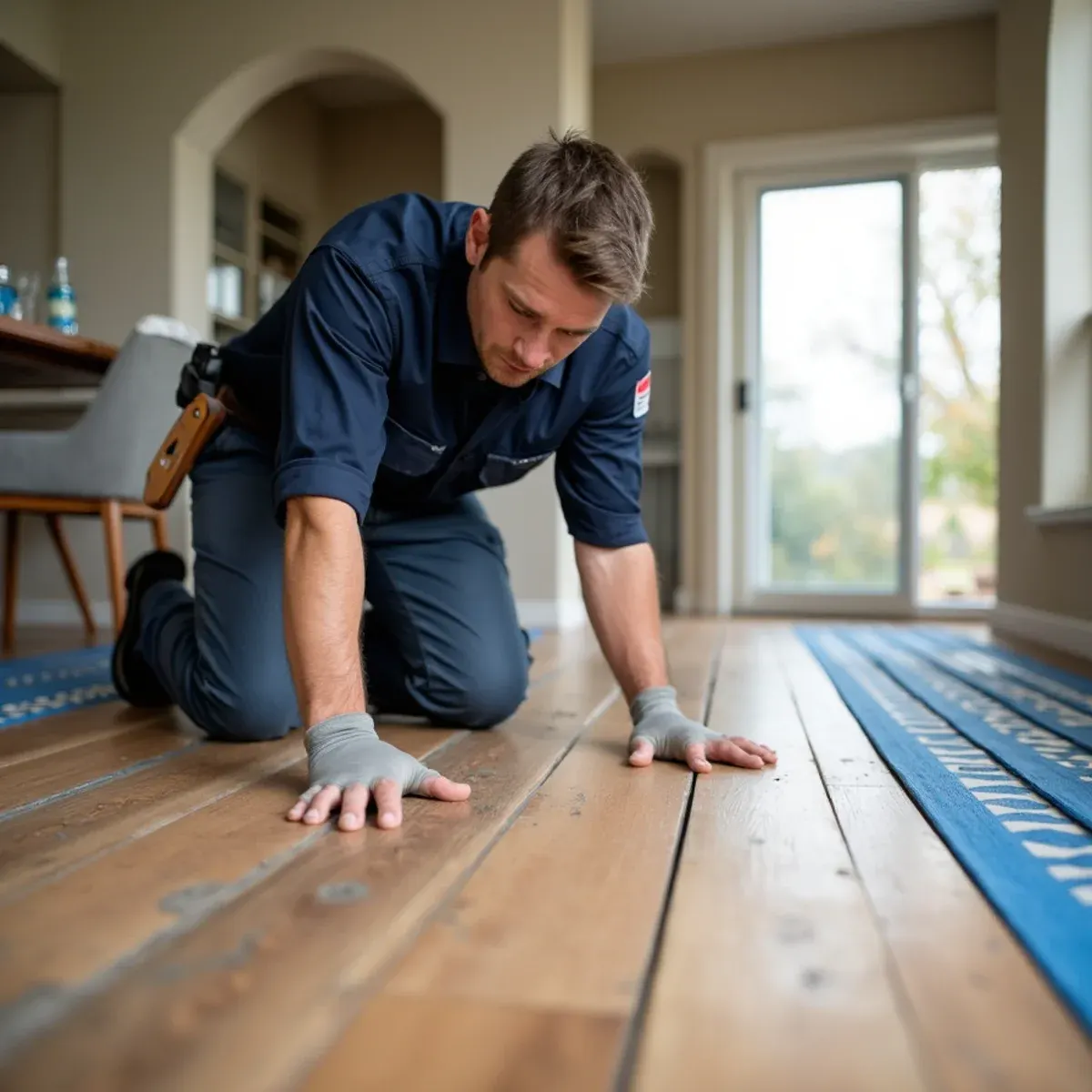
Sealed mats are placed on the floor surface and connected to a vacuum unit that creates negative pressure beneath them. That pressure pulls moisture up through the seams between the boards from underneath — the reverse of the path the water took getting in. Air movers and dehumidifiers manage the room conditions while the mats work the floor.
The critical part is the rate. Wood dried too aggressively splits, checks, and gaps permanently, so chamber humidity is managed to bring moisture content down at a pace the wood can tolerate. That is why hardwood takes five to ten days when drywall takes three — it is not slower equipment, it is a deliberately controlled rate.
Cupping Is Not the Verdict
The single most common mistake is judging a floor while it is still cupped and concluding it is ruined.
Cupping means the underside of each board absorbed moisture and swelled, lifting the edges. When moisture equalizes through the board during controlled drying, much of that deformation reverses on its own — and it keeps reversing for two to four weeks after the equipment comes out, as the floor acclimates to normal indoor conditions.
Which is why sanding immediately after drying is the wrong move. Sand a floor flat while it is still cupped and, once it finishes equalizing, the boards will crown — centers higher than edges — which is a considerably harder problem than the cupping was. Patience here is not passivity; it is the technique.
What It Looks Like When It Works
A successful hardwood save follows a fairly consistent arc.
Days one to two: extraction and mat system installed, floor looks bad. Days three to seven: moisture content dropping daily, cupping still visible. Days seven to ten: readings approach the dry standard, cupping noticeably reduced. Equipment out. Weeks two through five: floor acclimates and continues flattening. Week five or six: assess, then a light sand and refinish if needed.
The result is your original floor with a new finish, at a fraction of replacement cost, and — for older homes with original oak or fir — a floor that simply cannot be bought today at any price.
The Honest Odds on Saving a Wood Floor
From our crews in the field
Solid hardwood caught within a day or two, over a subfloor that is not itself saturated, has good odds with mat drying. Solid hardwood that sat for a week, or that is over a slab which is still releasing moisture from underneath, has poor odds no matter what equipment goes on it. We would rather tell you that at the start than after you have paid for five days of drying.
Engineered plank is the harder conversation. If the core has delaminated — you can usually feel it as a hollow softness underfoot — it does not come back, because the failure is in the adhesive layer rather than the wood. Some engineered products with a thick wear layer do recover well. Which one you have matters more than how quickly we arrived.
The part that requires patience: cupping often looks alarming and frequently relaxes substantially as moisture equalises over several weeks. Sanding a cupped floor too early is the most expensive mistake in this category, because material removed from a high edge cannot be put back when the board flattens.
- Solid hardwood caught in the first 48 hours has genuinely good odds
- Delaminated engineered core does not recover — feel for hollow softness
- Never sand a cupped floor until moisture has stabilised for weeks
- The subfloor reading matters as much as the reading on the boards
Services Mentioned in This Guide
- Hardwood Floor Water Damage Drying in Cypress, CA — Floor mat drying systems that pull moisture up through the seams — saving floors other companies would tear out.
- Structural Drying & Dehumidification in Cypress, CA — LGR dehumidifiers, calculated air-mover placement, and a daily moisture log that proves the structure actually dried.
- Water Extraction & Removal in Cypress, CA — Truck-mounted units and submersible pumps that move hundreds of gallons an hour — not a rented shop vac.
- Water Damage Restoration in Cypress, CA — Predominantly single-story slab-on-grade tract homes built between 1960 and 1980, with a newer band of construction from the 1990s onward on the west side.
- Water Damage Restoration in Santa Ana, CA — The county seat and its oldest city, spanning 1900s-1930s historic districts with lath-and-plaster construction, dense postwar apartments, and a large commercial and civic core.
Frequently Asked Questions
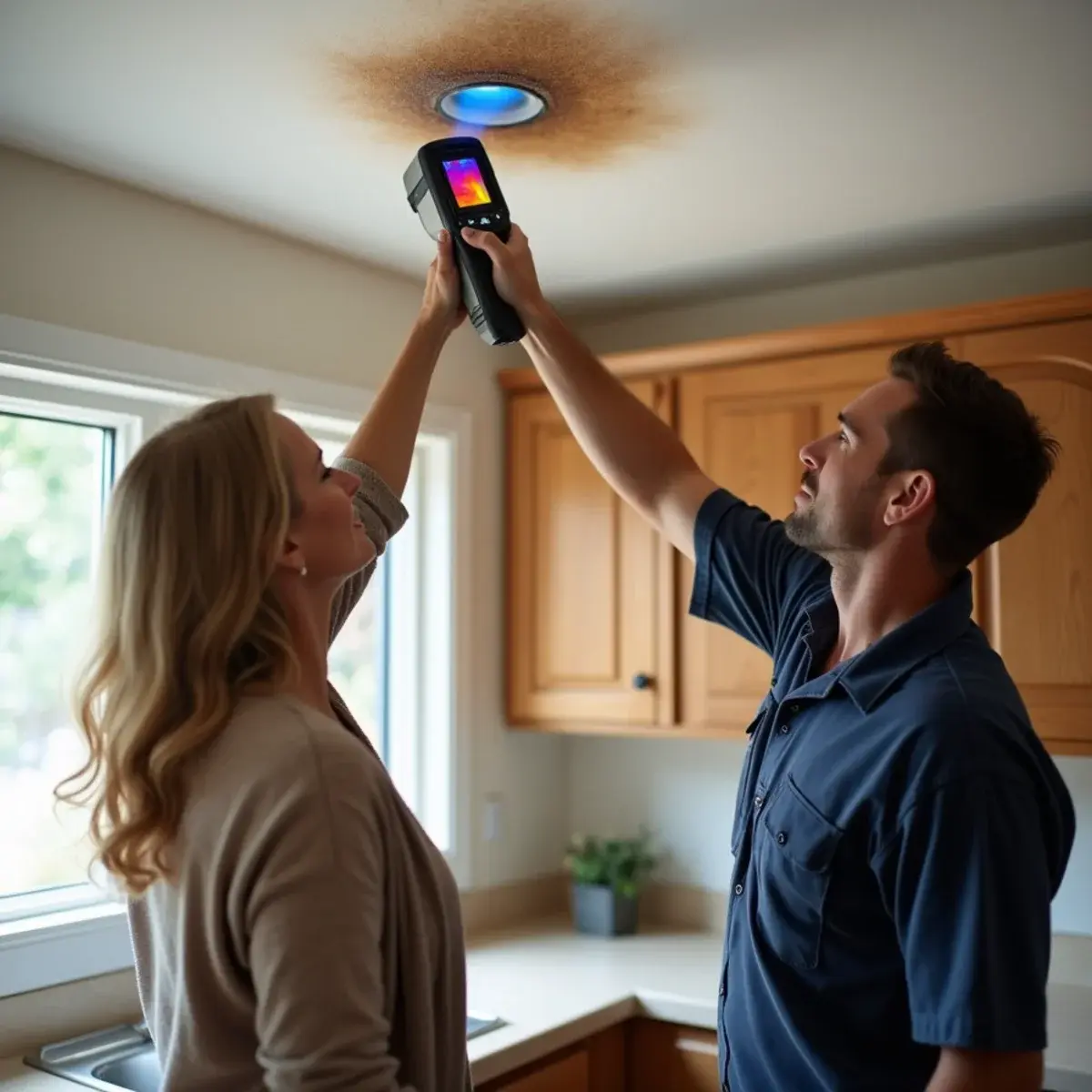
It comes down to moisture readings, water category, elapsed time, and construction type. We take those readings free, compare them to unaffected wood of the same species elsewhere in your home, and tell you honestly which way it points — including when the answer is replacement.
Generally yes, and often preferentially, because drying costs the carrier less than replacement. Documented moisture readings showing the floor is a viable drying candidate is usually all the justification an adjuster needs to approve the mat system.
Refinishing usually has to run to a natural break — a doorway or transition strip — because a partial refinish within a continuous field always shows as a difference in color and sheen. So the refinished area is typically larger than the damaged area, though still far cheaper than replacement.
Get it read before assuming so. Wood can look normal on top while the subfloor below still holds moisture, and the consequences — delayed cupping, adhesive failure, or growth underneath — surface weeks later. A meter reading is free and takes twenty minutes.
Measure First, Then Decide
If a contractor recommends tearing out your hardwood without taking a single moisture reading, get a second opinion. That is a decision that should follow from measurements, not from what is easier to schedule.
We take those readings free anywhere in Cypress and the surrounding cities, and we will tell you when a floor is not worth saving — because billing for a week of mats and then recommending replacement anyway helps nobody.
Open 24 hours a day, 7 days a week — including holidays
On-site within 60 minutes of your confirmed emergency call anywhere in Cypress — or we credit $100 off your final invoice.