There is no useful average, and anyone who gives you one over the phone is guessing. Mold remediation is priced from the affected area, the containment the job requires, whether the HVAC system is involved, and — the item people forget — whether the thing that caused the moisture has been fixed.
Homeowners comparing quotes routinely see numbers that differ by a factor of ten for what looks like the same job. Sometimes that is one contractor padding. More often the two quotes describe genuinely different scopes, and only one of them includes fixing the cause.
Rather than invent a figure, this explains what actually moves the number, what belongs on a legitimate invoice, and the questions that make two quotes comparable.
What actually drives the number
In rough order of impact on the final figure.
- Affected square footage — and more precisely, how many separate areas need isolating, since each one needs its own containment
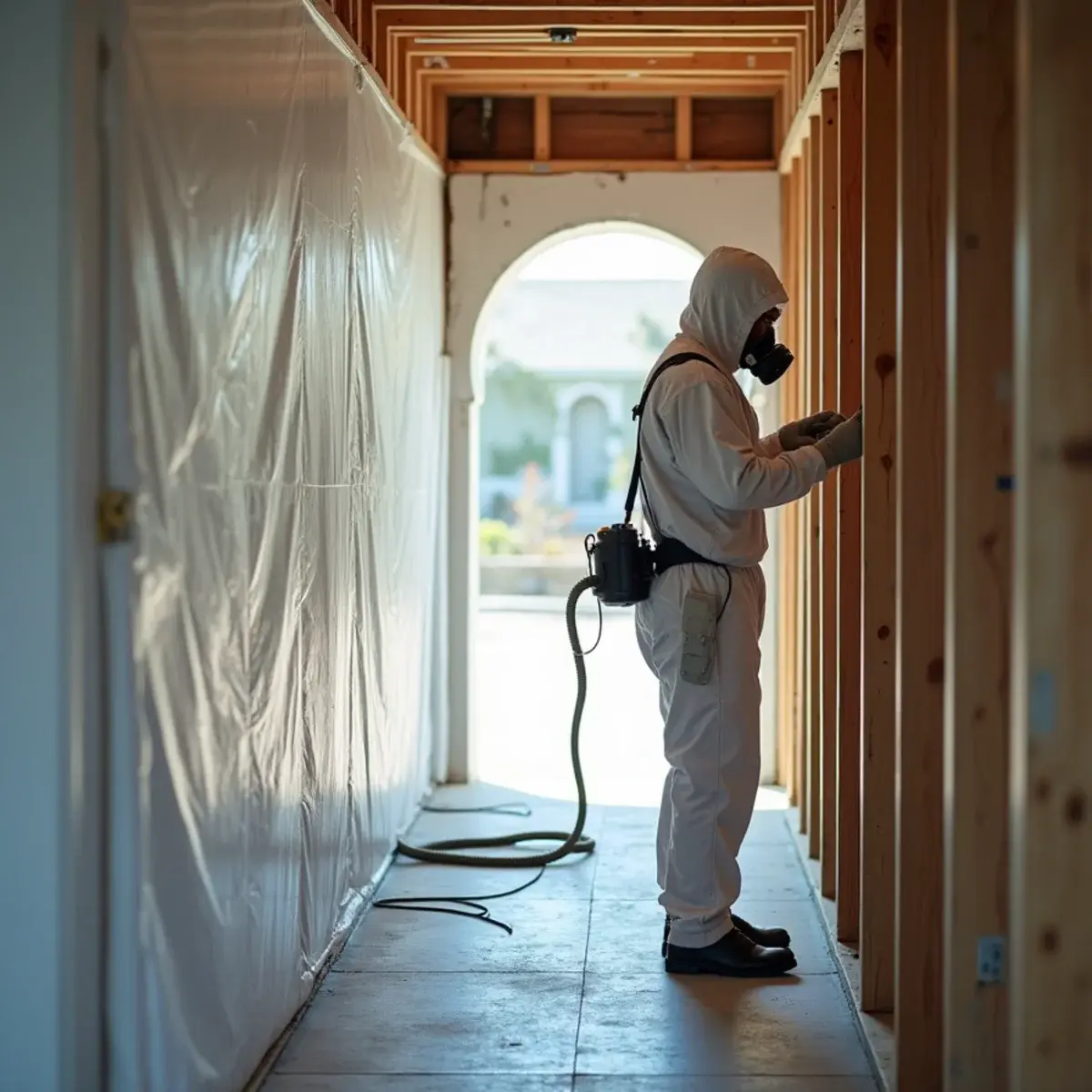
- Containment and negative air: barriers, a negative-pressure machine and HEPA filtration add equipment days and labour
- Whether the HVAC system is involved — contaminated ducting changes the job substantially
- How much porous material has to be removed and rebuilt: drywall, insulation, carpet, cabinetry
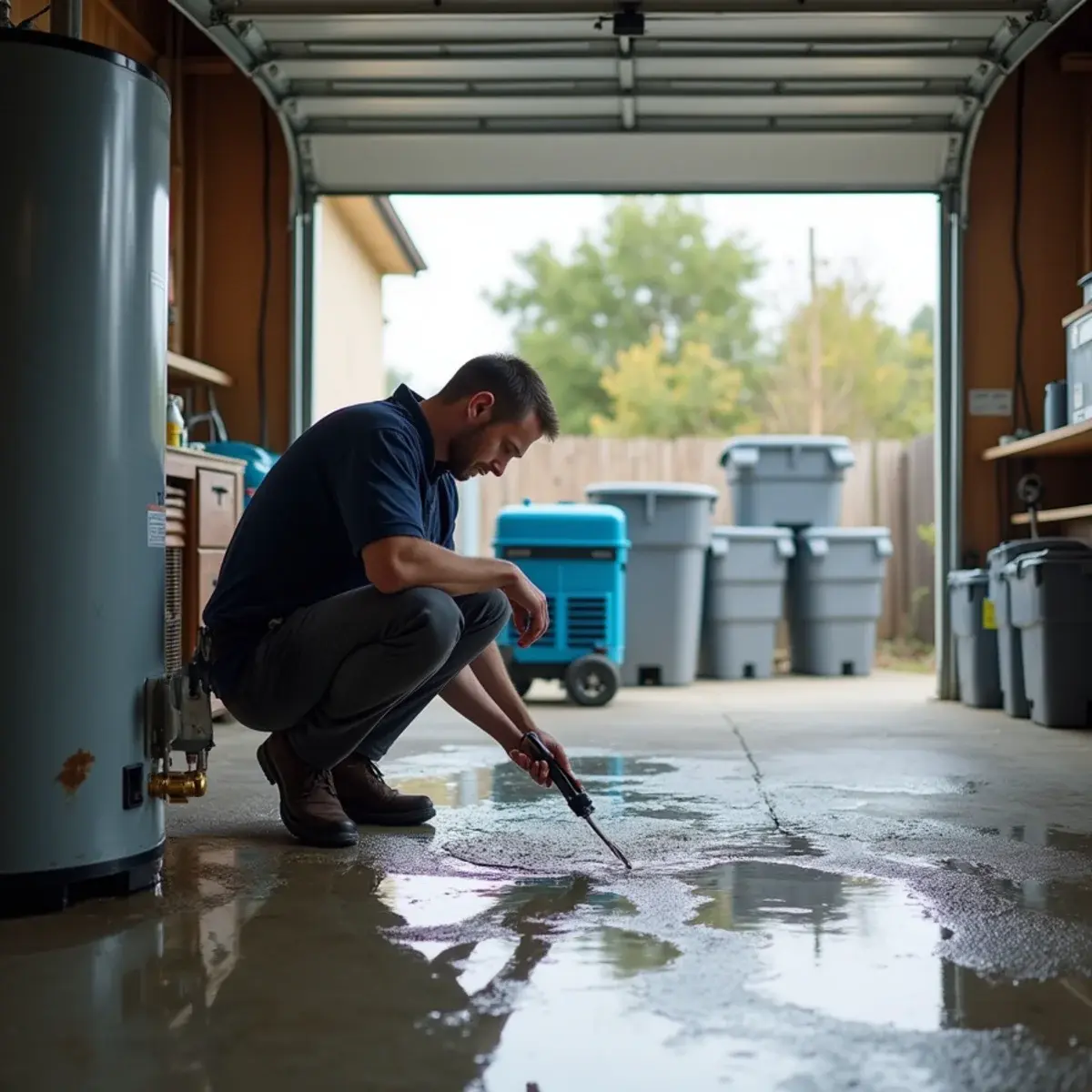
- Whether the moisture source has been repaired, and whether that repair is in this contractor's scope or someone else's
- Access — a crawl space or an attic costs more per square foot than an open room
- Post-work verification and, where it is warranted, independent clearance testing
Why two quotes for the same house differ so much
When we are asked to look at a competing quote, the gap almost always comes down to scope rather than margin.
The cheaper quote frequently covers cleaning and treating the visible growth and nothing else — no containment, no source repair, no verification. It is not fraudulent; it is answering a narrower question. The problem is that mold which grows back because the leak was never fixed is not a warranty issue, it is a new job.
The expensive quote sometimes includes reconstruction that the homeowner assumed was separate, or it has priced for a worst case because nobody opened a wall before quoting. Ask both contractors to show you which line items are remediation and which are rebuild, and the two numbers usually move much closer together.
What should and should not be on the invoice
Legitimate line items you should expect to see, and the ones that deserve a question.
Reasonable to see
- Containment setup and negative air equipment, priced per area
- HEPA air scrubbing, priced per machine per day
- Controlled removal and disposal of affected porous material
- EPA-registered antimicrobial treatment on surfaces that remain
- Daily monitoring and final verification readings
- Reconstruction, clearly separated from the remediation line items
Worth questioning
- Ozone treatment in an occupied home — it requires the house to be empty and can damage rubber and soft goods
- Whole-house duct cleaning when the water never reached the HVAC system
- Mold testing performed by the same company that will do the removal, used to justify the removal
- A flat per-square-foot price applied to the whole house rather than the affected area
- "Mold remediation" as a single undifferentiated line with no scope attached
Where insurance fits
If the mold followed a sudden covered loss, your policy will often pay — up to a mold sublimit that is usually far smaller than people expect, and which is the real ceiling on the job.
That cap changes how you should think about the quote. On a job that will exceed the sublimit, the question is not only what the work costs but which parts your policy will fund and which you will carry yourself. A contractor who bills your carrier directly and documents to the standard adjusters expect is worth more here than one offering a slightly lower headline number.
How to make two quotes comparable
Ask every contractor the same four questions and the spread usually collapses.
- What is the affected area in square feet, and how did you measure it?
- How many containment zones does this job need, and is each one priced?
- Is repairing the moisture source inside this scope, or is that a separate trade?
- What verification will you give me at the end, and does the price include clearance testing?
The Cheapest Quote Is Sometimes Right
From our crews in the field
A surprising share of the mold we get called to look at does not need a formal remediation at all. A small patch of surface growth on a non-porous surface, from a one-off spill that has since dried, is a cleaning job. Saying so costs us the work, and we say it fairly often — the inspection that finds nothing is a perfectly good outcome.
Where we push back is on the opposite failure. If the moisture source is still active, the cheapest quote is not cheap — it is a down payment on doing the job twice. We would rather quote the source repair and the remediation together, even when that makes our number the higher one, than hand you a result that comes back.
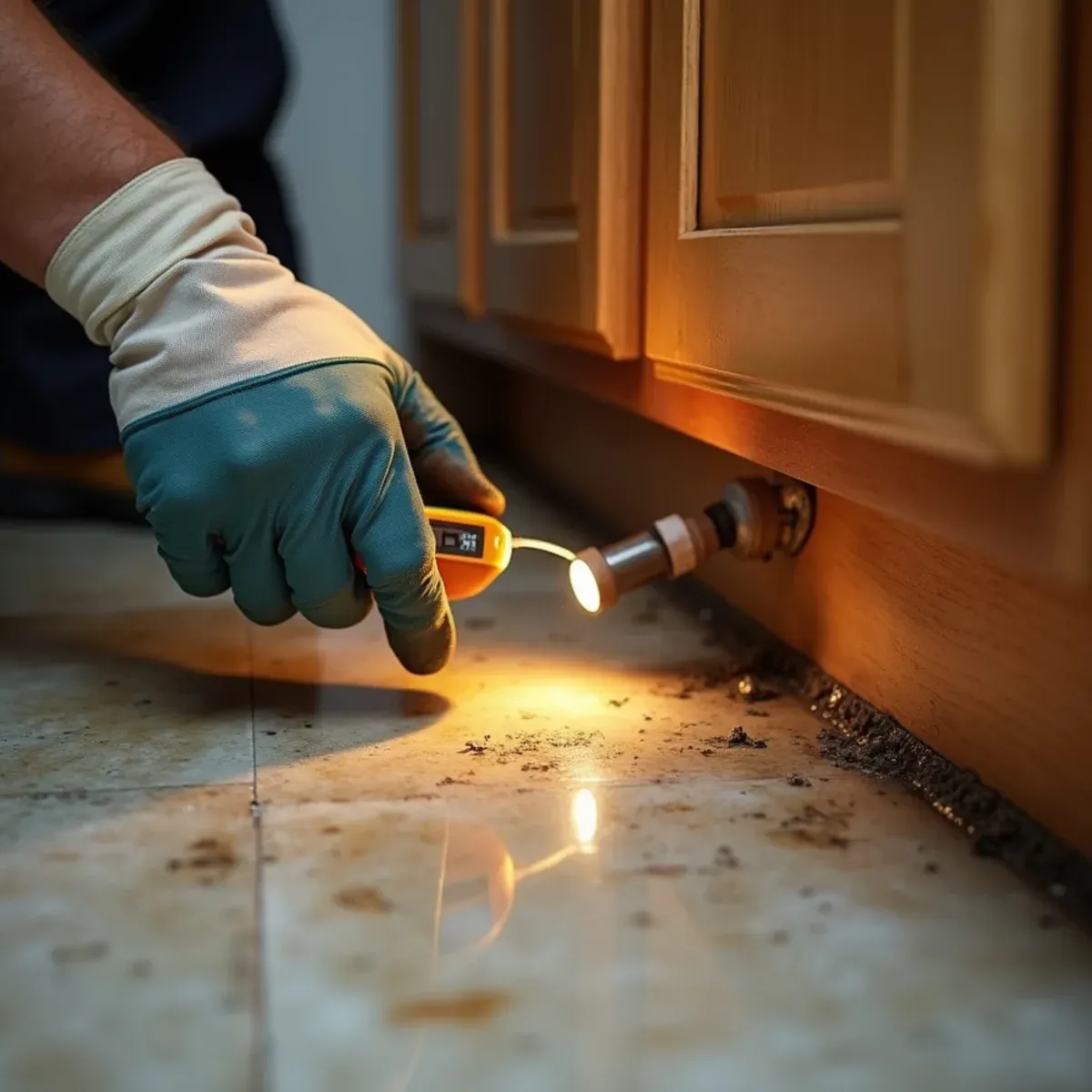
The honest limitation on all of this: nobody can price mold work accurately over the phone, including us. Anyone who does is either guessing or protecting themselves with a cushion. A free inspection with a meter and a camera takes about half an hour and turns the conversation into something specific.
- There is no meaningful average price — the affected area and containment count drive the number
- A quote that excludes the moisture source repair is not comparable to one that includes it
- Be wary of testing performed by the same firm that will do the removal
- Check your policy's mold sublimit before comparing quotes; it may be the real ceiling
Services Mentioned in This Guide
- Mold Remediation & Removal in Cypress, CA — We fix the moisture source first — because remediation without correcting the cause is a temporary result.
- Water Damage Inspection & Leak Detection in Cypress, CA — Thermal imaging and moisture meters that find what a visual inspection cannot — free, and with no obligation.
- Water Damage Insurance Claim Assistance in Cypress, CA — We document your loss the way adjusters need it, bill your carrier directly, and argue the scope so you don't have to.
- Water Damage Restoration in Cypress, CA — Predominantly single-story slab-on-grade tract homes built between 1960 and 1980, with a newer band of construction from the 1990s onward on the west side.
- Water Damage Restoration in Huntington Beach, CA — A large coastal city where housing ranges from dense downtown lots and waterfront Huntington Harbour properties to inland tracts from the 1960s and 1970s.
Frequently Asked Questions
Because the two things that drive the price — how much material is actually affected and how many areas need isolating — cannot be established without a meter and a look behind the surface. A phone quote is either a guess that will change, or a number padded enough to cover the worst case. What you should be able to get on the phone is a range and an explanation of what would move you within it.
Sometimes, but less often than it is sold. If you can already see growth and you know what caused the moisture, testing mostly confirms what is in front of you. Testing earns its cost when there is a real question — an unexplained smell, a health concern, a dispute, or a property transaction. Be cautious when the company proposing the test is also the company that would perform the removal.
Not proportionally. A large area of growth in one open room can be cheaper to handle than several small patches in separate rooms, because each separate area needs its own containment, its own negative air and its own set-up time. Area matters, but the number of zones often matters more.
If the mold resulted from something sudden and covered, usually yes, but capped by a mold sublimit written separately on your declarations page — and that figure is commonly much lower than people expect. Mold that grew from a long-running leak or from maintenance issues is generally excluded. Our guide to mold coverage in California goes through where the line falls.
Make the scopes comparable, then compare the prices
A mold quote is only meaningful alongside the scope it describes. Ask for the affected area, the containment count, whether the source repair is included, and what verification you get at the end. Two quotes answered against those four questions are usually far closer than they first appeared.
If you want a specific number for your house rather than a range, the inspection is free and takes about half an hour.
Open 24 hours a day, 7 days a week — including holidays
On-site within 60 minutes of your confirmed emergency call anywhere in Cypress — or we credit $100 off your final invoice.