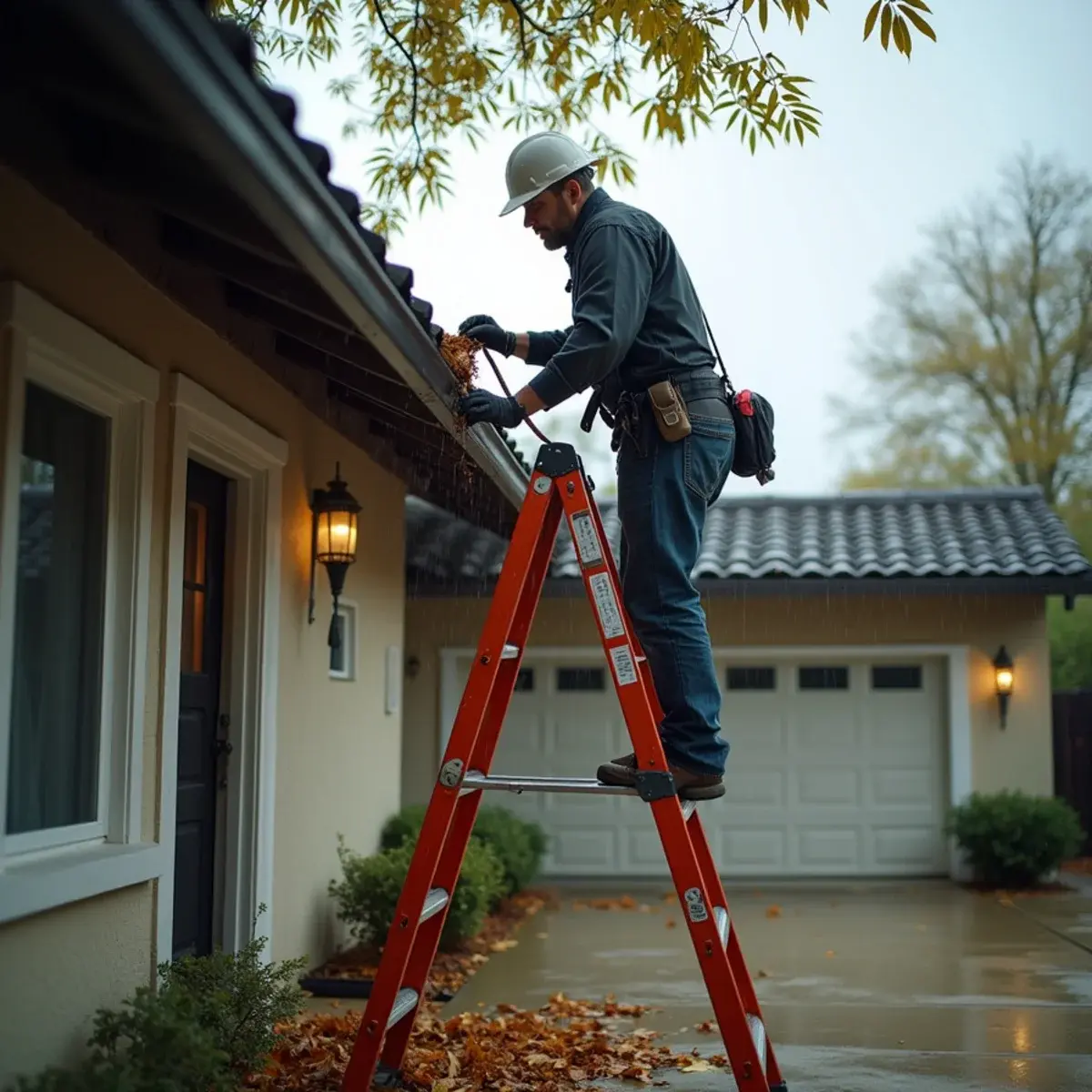
The hatch comes off, the flashlight goes up, and the insulation under the leak is dark, flattened, and holding water like a sponge. That is the real damage from most roof and upper-floor leaks. The ceiling stain everyone is staring at from the hallway is the cheapest thing in the assembly, a sheet of drywall and a coat of texture. Above it sits the insulation that controls your cooling bill, the framing that carries the roof, and in nearly every Cypress-area tract home, the ductwork that feeds every room in the house. Water reaches all of it before it ever shows on your ceiling.
Attics are their own drying problem, and they do not behave like a bedroom. The space is vented to the outside on purpose, so a dehumidifier set loose in the middle of it is fighting the whole neighborhood's air. Clearance at the eaves is often a foot or less. Wet blown-in insulation packs down against the top plate and the drywall and stays wet for weeks, because nothing moves air through a material designed to stop air movement. And unlike framing or a subfloor, insulation is not something we dry and hand back to you. Once it has been saturated, the loft that made it work is gone for good.
The sequence we see go wrong is always the same. The roof gets patched, the ceiling gets cut out and re-textured, and nobody opens the attic. Six months later there is a musty smell every time the air conditioner runs, or a fresh stain appears two feet from the old one. The water was never really in the drywall. It was in the insulation, in the deck above it, and in the top plate the drywall is screwed to. IICRC S500:2025 treats an attic as its own drying environment with its own documented dry standard, and that is the honest way to close this out.
What Attic Water Damage Actually Looks Like
Almost nobody notices attic damage from inside the attic — you notice it in the rooms below, usually in this order.
A ceiling stain that comes back
The roof is repaired, the ceiling is primed and painted, and weeks later a brown edge shows up a foot or two from the original mark. Wet insulation is still releasing water into the drywall from above. The roof was the source. The attic became the reservoir.
A musty smell when the air conditioner runs
Most homes here have the air handler and the duct trunk sitting in the attic. If the system pulls air across damp insulation or a growing roof deck, you smell the attic in every room within a minute of the blower starting, then it fades once it shuts off.
One room that suddenly will not cool
Saturated insulation compresses to a fraction of its depth, and the ceiling under it loses most of its thermal resistance. A bedroom that used to hold temperature and now runs warm every afternoon is often telling you the insulation above it collapsed months ago.
Dark, matted insulation visible from the hatch
Healthy blown fiberglass looks light, even, and fluffy. Wet insulation reads darker, sits noticeably lower than the surrounding field, and shows a defined edge where the water spread. From the hatch you can usually see that boundary without going in.
Rust on nail points and dark roof sheathing
Look up at the underside of the deck. Rust rings around the nail tips and gray or black blotching on the plywood mean that surface has been wet more than once. On north-facing planes this can build for years before anything shows on the ceiling below.
Insulation fibers or dust around ceiling fixtures
Recessed can lights, bath fans, and register boots are open paths between the attic and your rooms. Fibers collecting on a light trim, or gritty dust on a bathroom counter under a fan, means material above is breaking down and moving.
How We Handle a Wet Attic
The order matters here, because everything we take out has to leave without shedding through your house.
- 1
Map the wet area before touching it
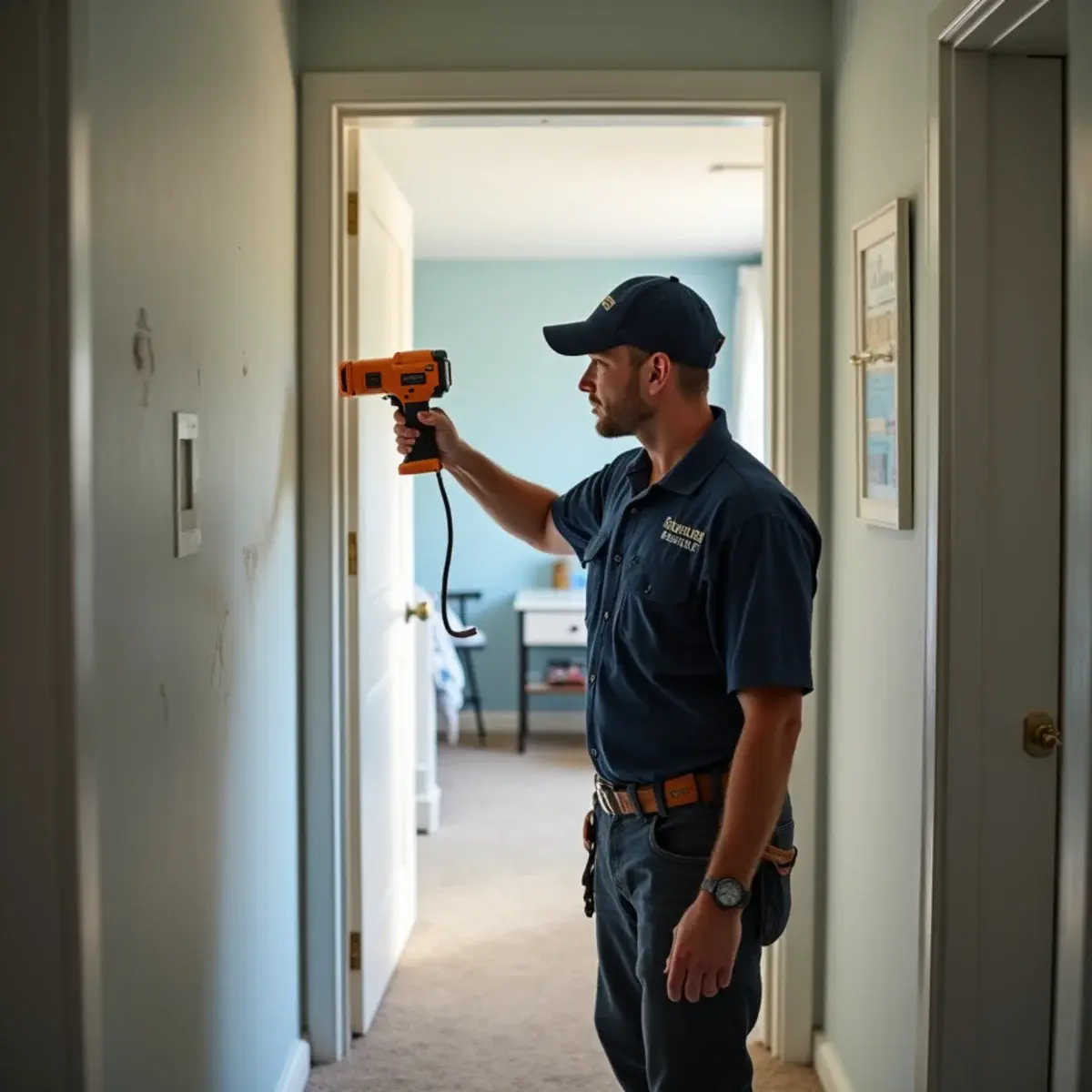
We probe the insulation depth, read the deck and joists with a pin meter, and scan the ceiling plane from below with thermal imaging to mark the real boundary. We also confirm the source, because an attic can be wet from a roof penetration, a failed HVAC condensate line, or a supply pipe running through the space, and those are three different repairs.
- 2
Contain the hatch and protect the path
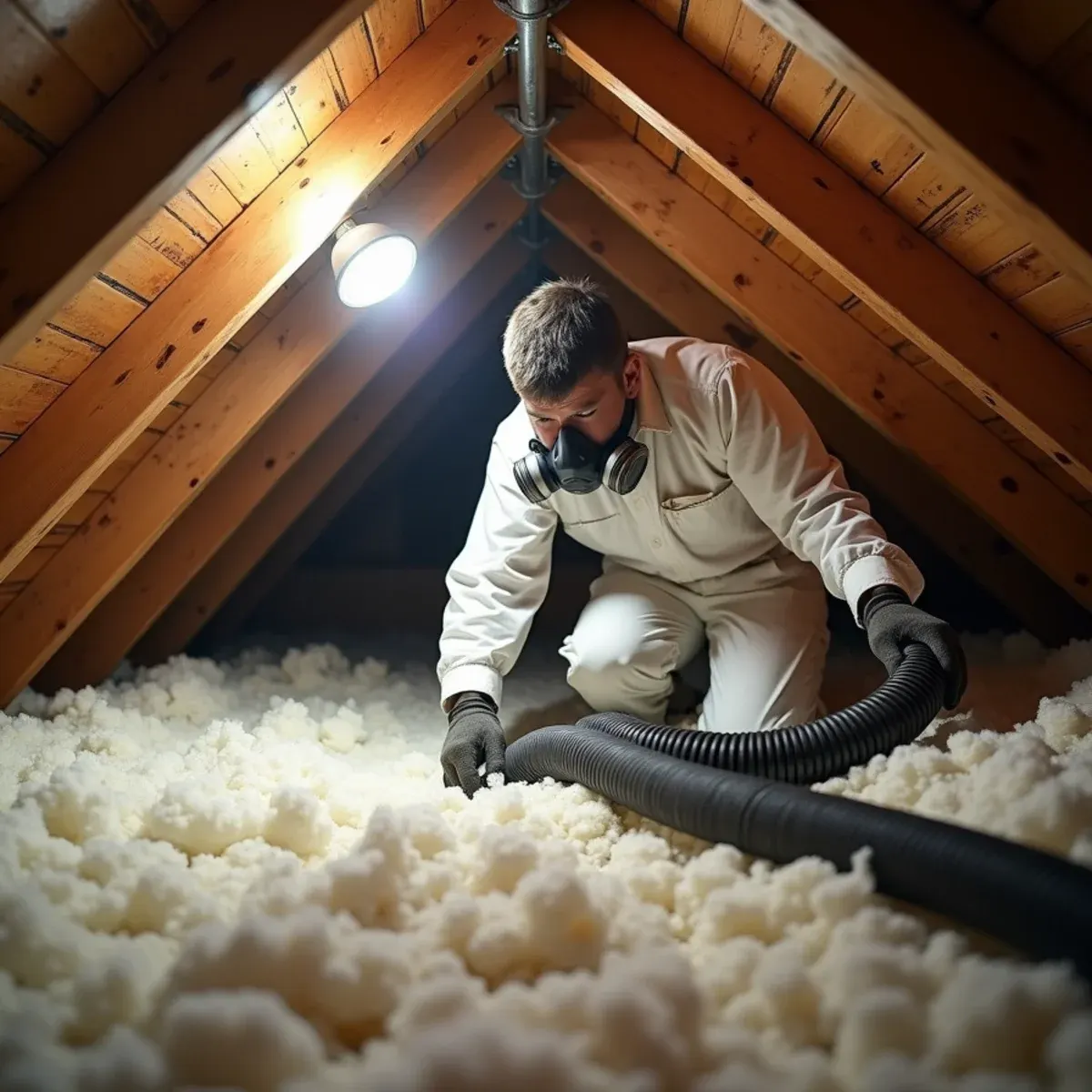
Attic work generates an enormous amount of airborne fiber and dust. We seal the opening with poly, run a HEPA negative air machine so the attic stays under lower pressure than the room, and lay floor and stair protection along the route out. Done right, you are not finding fiberglass on your furniture a week later.
- 3
Vacuum out the saturated insulation
Wet insulation comes out through an insulation vacuum running a hose to a bagging unit outside, not in buckets carried down a ladder through your hallway. We remove back to material that is dry, lofted, and clean, then photograph the bare ceiling plane and the deck so you can see exactly what was underneath it.
- 4
HEPA vacuum and treat the plane
With the insulation gone we HEPA vacuum the joists, the top plates, and the underside of the deck, then physically remove any established growth rather than painting over it. An antimicrobial goes down after the surface is clean. Coating dirty wood traps the problem instead of solving it, and it shows up in a home inspection later.
- 5
Dry the deck, joists, and top plates
We direct airflow across the wet surfaces and dehumidify the space, isolating the attic from outside air where the framing allows it. Readings on the deck, the joists, and the top plate are logged daily against unaffected material in the same attic, per IICRC S500:2025, and equipment stays until the numbers agree rather than until the schedule says so.
- 6
Reinstall insulation and check the details
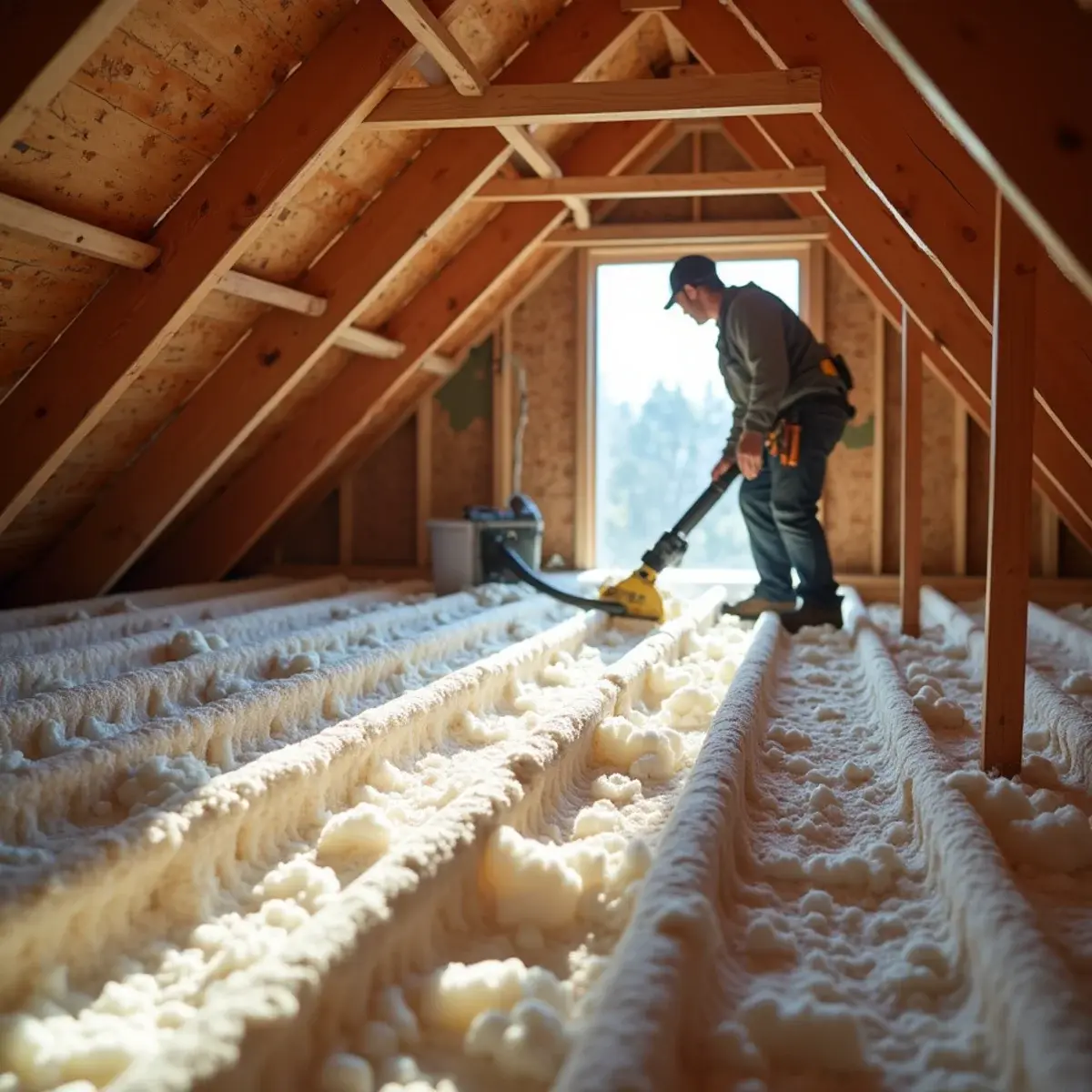
New insulation goes back to the specified depth and R-value, blown evenly instead of piled near the hatch. We keep the baffles open at the eaves so soffit venting still works, set depth markers, insulate and weatherstrip the hatch itself, and re-inspect the ductwork and air handler before we call the job finished.
Why Wet Insulation Never Returns to Full R-Value
Insulation does not stop heat because of what it is made of. It stops heat by holding millions of pockets of still air inside a lofted structure. Water collapses that structure. The fibers mat down under the weight, press against the drywall, and stay compressed after the moisture is gone, because nothing in the material springs back. You can measure eight inches of depth in one bay and four in the bay that got wet, and the compressed one is not performing at half — matted fiber loses more than the lost depth alone would suggest.
People reasonably ask why we cannot just dry it in place. You could bring the moisture content down given enough equipment and enough days. But you would be pushing air through a material engineered to resist air movement, inside a space vented to the outdoors, and at the end you would still have flattened insulation and a roof deck you never actually looked at. Pulling it is faster, cheaper in labor hours, and it is the only way to inspect and dry the wood the water was really sitting against.
- Blown fiberglass — loses loft where it was saturated and stays compressed after it dries
- Cellulose — mats, sags between joists, and holds water against the ceiling drywall for weeks
- Kraft-faced batts — the facing traps water on the ceiling side, the worst place for it to sit
- Vermiculite in some pre-1980 attics — not disturbed by anyone until it has been tested
When the Insulation Does Not Need to Come Out
Not every attic leak turns into an insulation project, and we would rather say so on the first visit than sell you one. A supply line that let go and was caught the same morning, a splash pattern across one or two truss bays, batts that took water on the face while the material underneath stayed dry — those get metered, lifted, and looked at honestly. If the loft is intact, the deck reads dry, the wet boundary is small, and there is no odor, we dry it, document it, and leave your insulation where it is.
The limits on that are firm, though, because the mistake that makes people pay twice is leaving marginal material up there and then buying the same ceiling over again nine months later. Once insulation has been wet long enough to mat down, or long enough to smell, no amount of drying gives it back what it lost, and it will keep the framing above your drywall damp while it decides what to do next. The categories below come out regardless of how they look from the hatch, and we will show you why while you are standing there with the flashlight.
- Cellulose that has been wet — it holds water and stays matted, so it gets no benefit of the doubt
- Anything wet for more than about two days, whatever it looks like
- Any material carrying an odor, because that odor is active growth
- Insulation above a ceiling we are already opening for other repairs
What Cypress-Area Attics Make Harder Than Most
The tract housing built across Cypress, Rossmoor, Lakewood, La Palma, Cerritos, and Norwalk between the fifties and the eighties shares a set of attic traits. Shallow-pitch truss roofs with very little headroom. One small hatch, usually in a hall closet or the garage. Ductwork running straight through the middle of the working area. And very often two generations of insulation stacked up, original batts with blown fiberglass added later during an energy retrofit. Two layers means twice the removal, and the buried lower layer is almost always the wetter one.
Closer to the water — Seal Beach, Huntington Beach, Long Beach, Costa Mesa — the marine layer keeps attic humidity elevated on summer mornings, so a wet attic there dries slower and starts growing sooner than the same attic inland. The older raised-foundation homes in Old Towne Orange, Uptown Whittier, Old Town Tustin, and the Anaheim Colony are a different animal again: real walk-in attic space, plank sheathing instead of plywood, knee walls, and sometimes no soffit venting or baffles at all. That last detail changes how insulation can be put back, and it is worth talking through before anyone blows a single bag.
What Drives the Cost of an Attic Insulation Replacement
No two attics take the same amount of labor, and these are the things that move the number.
How much of the attic got wet
A single truss bay under a failed pipe boot is a short day. Water that traveled along a truss chord and soaked a third of the ceiling plane is a removal, drying, and reinstallation project across that entire area, because you cannot blow new insulation over wet material and call it done.
Clearance, access, and layout
A shallow-pitch truss roof with two feet of headroom at the ridge is slow, uncomfortable work. One small hatch in a bedroom closet, a second-story attic, or ductwork run straight through the working area all add hours. A generous attic with a walkway is the cheapest kind to work in.
The type of insulation up there
Blown fiberglass vacuums out quickly. Cellulose is heavier, holds far more water, and takes longer to clear. Two layers — original batts with blown insulation added later during an energy retrofit — means removing both. Vermiculite in an older attic has to be tested before anyone disturbs it, which changes the entire scope.
Whether growth has taken hold
Surface growth on a small section of deck gets cleaned and treated during normal removal. Established growth across a plane means full containment, more labor in respirators, and often independent verification before insulation goes back. The time between the leak and the phone call is what decides which of those you are buying.
Ductwork and air handler involvement
If flex duct sat in water or the air handler cabinet took water, that equipment is evaluated separately. Sometimes it is a cleaning. Sometimes a run of duct is replaced. Either way it has to be settled before the system runs again, or an attic problem turns into a whole-house air quality problem.
Insurance note: When the leak itself is covered — sudden and accidental — carriers generally pay to remove and replace insulation as part of the water loss. Expect like-for-like replacement at the R-value you had, not an upgrade. If current energy code requires more depth than the home originally carried, that difference falls under ordinance-or-law coverage, which not every policy includes. Mold treatment is frequently capped by a separate sublimit regardless of the water limit.
Why Cypress Homeowners Call Us for Attic & Insulation
Plenty of companies list this service. Fewer can tell you what equipment they will bring, what standard the work is measured against, or what happens if they are wrong. Here is what you are actually buying.
Wet insulation is measured, not eyeballed
Blown-in fiberglass can look fine and still be holding water at the ceiling plane. Compressed, matted insulation has lost its R-value permanently.
Ventilation checked while we are up there
Blocked soffit vents turn a one-time leak into a chronic moisture problem. It is a cheap fix at the time and an expensive one later.
Ceiling drywall dried from above where possible
Working from the attic side often saves the ceiling below, which is the finish nobody wants to repaint.
- 20+ years restoring Orange County homes
- IICRC Certified Firm
- Licensed, Bonded & Insured
- We bill your insurance company directly
- IICRC S500:2025 compliant on every job
- 100% satisfaction guarantee — in writing, on every job
Frequently Asked Questions
Only the affected area plus a margin back to dry, lofted material. If the wet section covers a small part of the attic, that is all that comes out. Once it reaches roughly half the plane, replacing the whole field usually costs less than blending old and new to an even depth, and it leaves you with one consistent R-value instead of a patchwork ceiling that performs unevenly room to room.
Most attics take a few days once the wet insulation is out, but we will not promise a number on day one, and you should be careful with anyone who does. Plywood sheathing dries at a different rate than old plank decking, a sealed attic dries faster than a heavily vented one, and marine-layer mornings slow everything down. The daily readings decide when equipment leaves, not the calendar.
In almost every case, yes. The attic is sealed off at the hatch and held under negative pressure with HEPA filtration, so the work stays contained. The room with the access point is off limits during removal. If your air handler sits in the attic, the HVAC system is shut down while we are up there, which in July is genuinely uncomfortable, so we plan the schedule around it.
If a meaningful share of the attic was compressed or missing, yes, and you will feel it in the rooms underneath before you see it on a bill. If we are replacing two truss bays, the change is small and we will say so. Replace wet insulation because it holds moisture against your framing and feeds growth. Efficiency you get back is a real benefit, but it is not the reason to do the work.
Sometimes, and sometimes it is old and inactive. Dark blotching on north-facing sheathing is common in this climate and can predate your leak by years. We sample or test when the answer actually matters to the scope. Where growth is active, it gets physically removed and the surface treated. Even after proper remediation, wood often keeps a gray shadow — clean does not always mean the original color comes back.
Related Reading
- Atmospheric River Prep: Getting Your Orange County Home Ready — Southern California gets a year of rain in a handful of storms. Here is the pre-season checklist that prevents most of what we get called out for.
- 9 Signs of Hidden Water Damage Behind Your Walls — Most expensive water losses start as small leaks nobody could see. These are the nine signals that something is wet inside your walls.