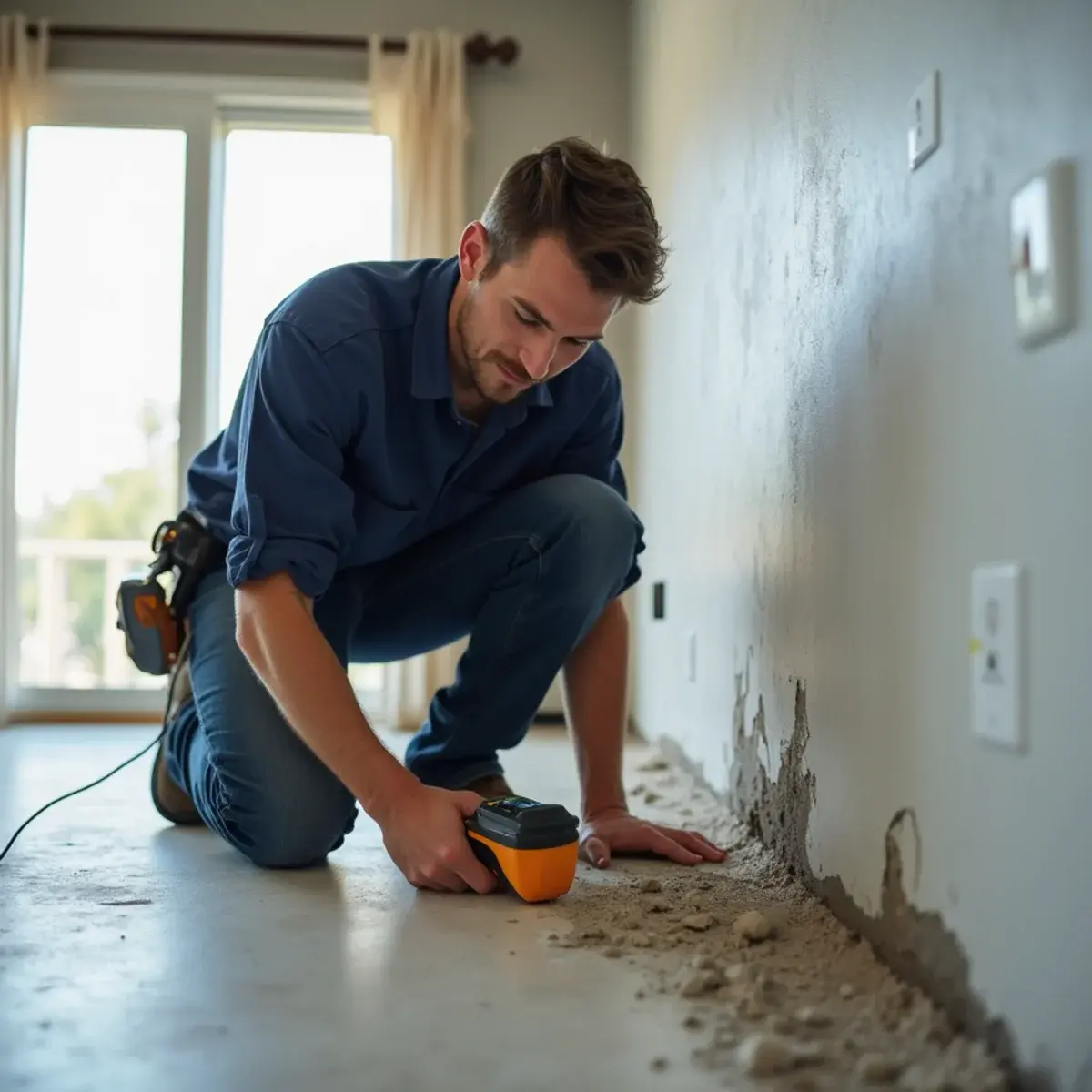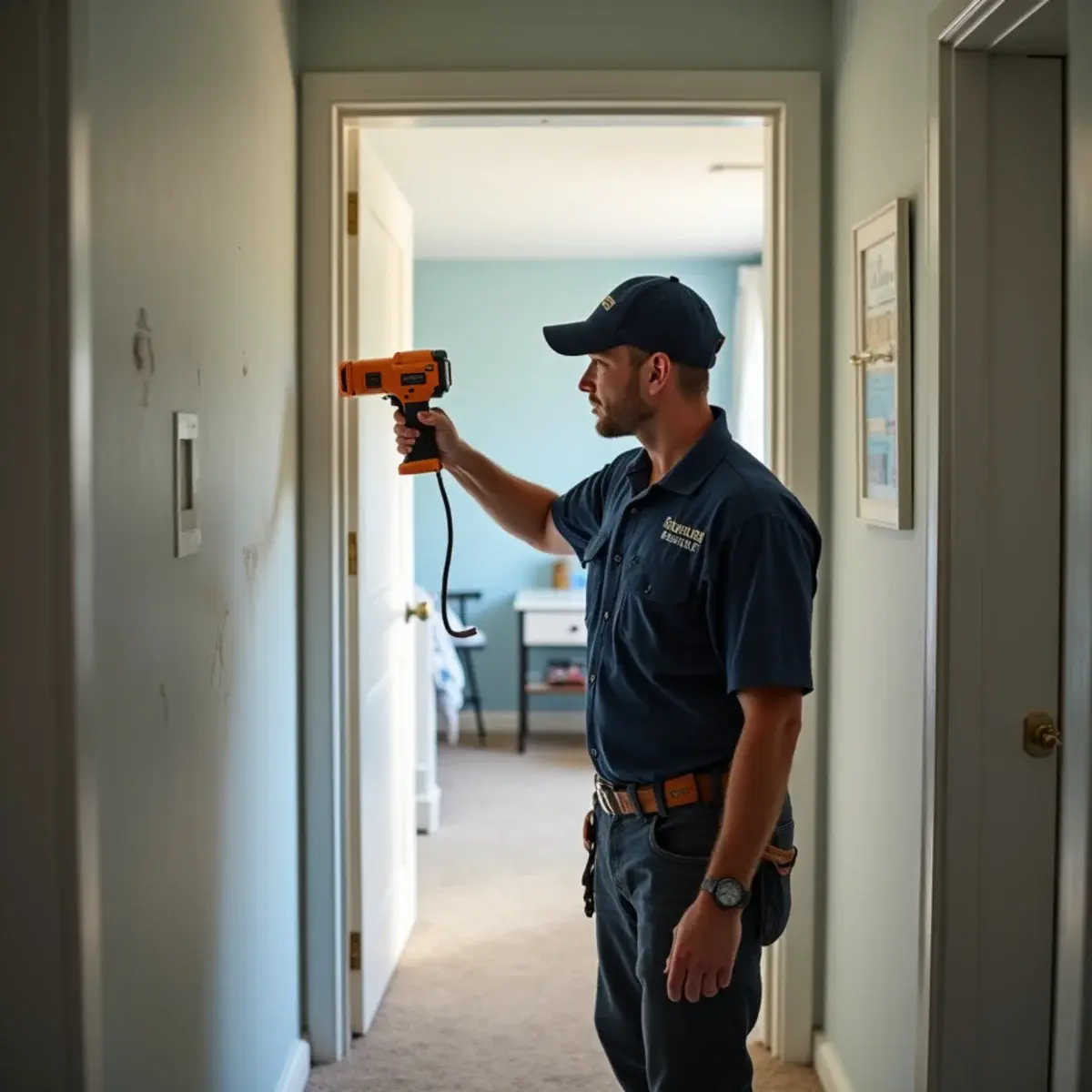
Mold is not a mystery. It requires four things — spores, an organic food source, moderate temperature, and moisture — and three of those are permanently present in every building in Southern California. Moisture is the only variable you control, which is why every legitimate remediation starts by identifying and correcting where the water is coming from.
This matters because there is a version of this service that consists of spraying a wall, charging for it, and leaving. It looks like a solution for about three months. If the leak or the humidity source is still there, the growth returns, and you have paid twice.
Our approach is straightforward: find the moisture source and stop it, contain the work area so spores do not spread through the house, physically remove contaminated material rather than trying to sterilize it in place, HEPA filter the air throughout, and verify the result before we take the containment down.
How to Tell If You Have a Mold Problem
Visible growth is only one of the ways this presents. These are the others we investigate:
A persistent musty or earthy odor
That smell is microbial volatile organic compounds — the actual metabolic byproduct of active growth. If you smell it, something is growing, even if nothing is visible.
Symptoms that improve when you leave the house
Congestion, itchy eyes, headaches, or asthma flare-ups that ease within hours of leaving and return when you come home are a meaningful indoor air quality signal.
Discoloration on drywall, ceilings, or baseboard
Black, green, brown, or fuzzy white patches — particularly along the bottom of a wall, on a ceiling under a bathroom, or behind furniture on an exterior wall.
Any prior water damage that was not professionally dried
This is the single strongest predictor. A leak that was mopped up and left to air dry has a high probability of growth in the wall assembly.
Condensation or dampness that keeps returning
Chronic window condensation, a bathroom that stays damp for hours after a shower, or a closet on an exterior wall that feels humid all point to conditions that will eventually support growth.
Peeling paint or wallpaper on one wall
Moisture pushing from behind lifts the finish. Wallpaper is particularly problematic because it traps moisture in the wall and creates ideal conditions on the back side.
Our Mold Remediation Process
Remediation follows a defined sequence, and the order is what makes it work.
- 1
Inspection and moisture source identification
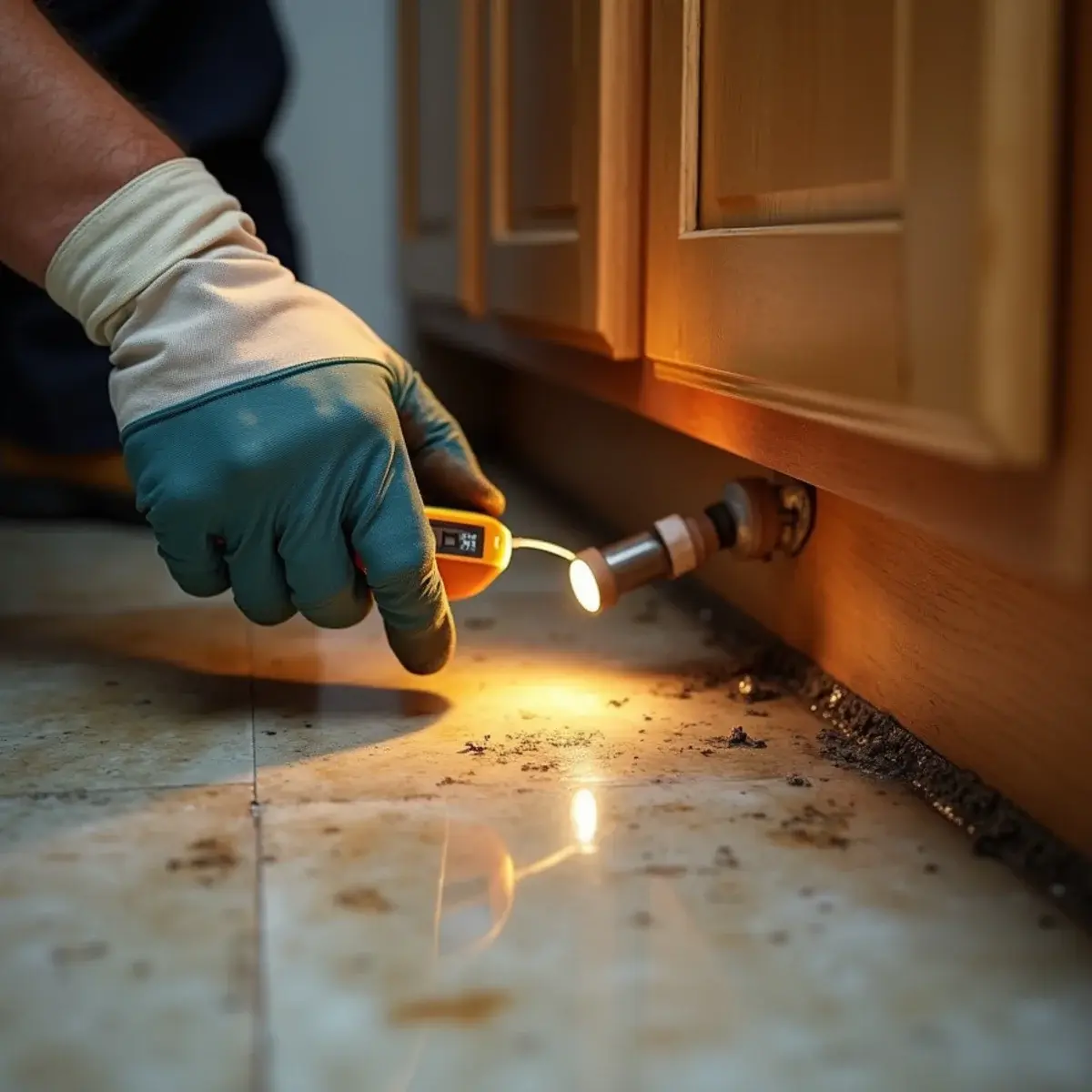
We map the extent of growth with visual inspection, moisture meters, and thermal imaging, and we do not stop until we know where the water is coming from. Remediating without correcting the source guarantees a repeat.
- 2
Testing where it is warranted
Air and surface sampling through an independent lab is useful for establishing a baseline, documenting a claim, or verifying a completed job. We will tell you honestly when testing adds value and when it is an unnecessary expense on obvious visible growth.
- 3
Containment and negative pressure
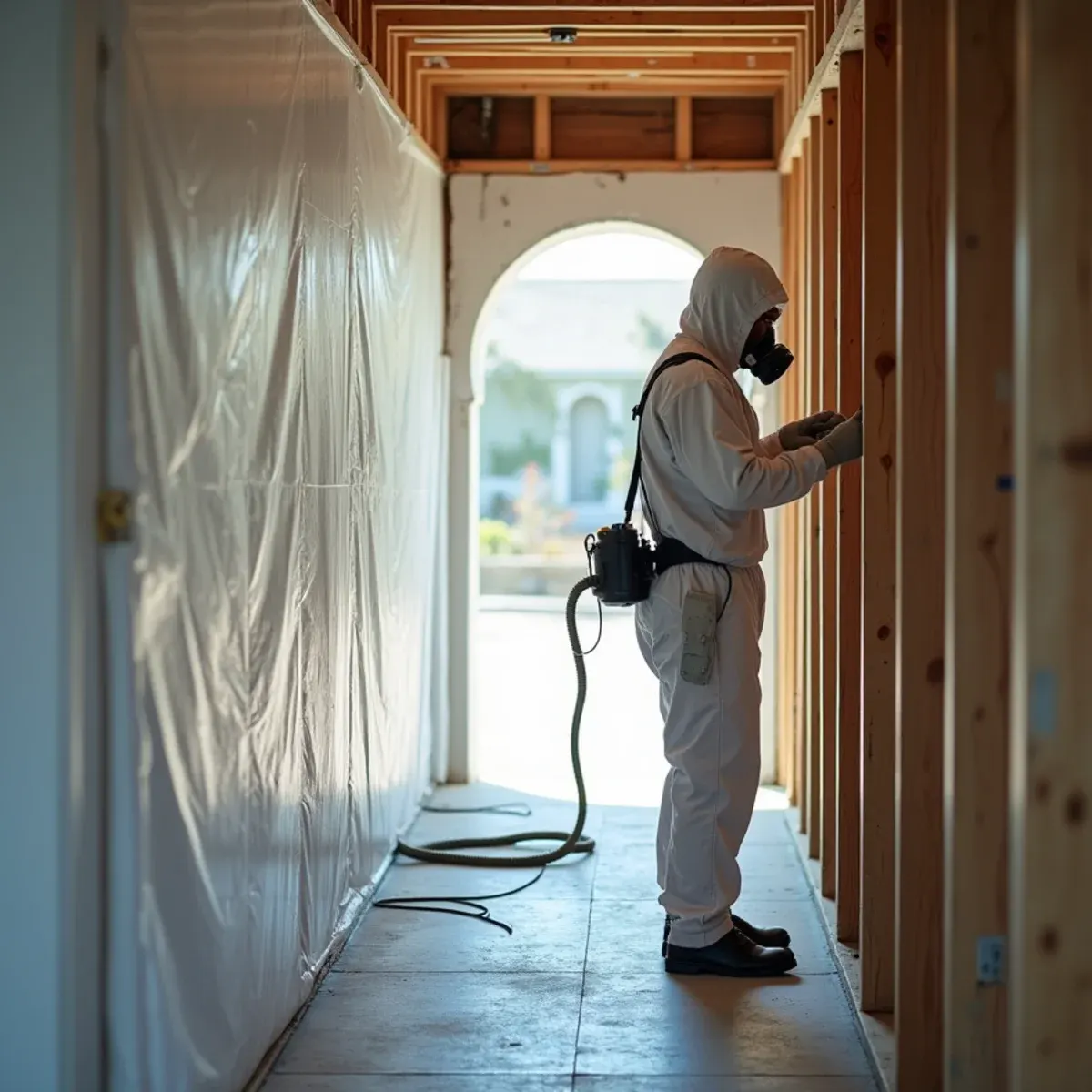
The work area is sealed with poly barriers and, on larger jobs, a decontamination chamber. HEPA-filtered negative air machines exhaust outside so spores disturbed during removal cannot travel into the rest of the home.
- 4
Removal of contaminated material
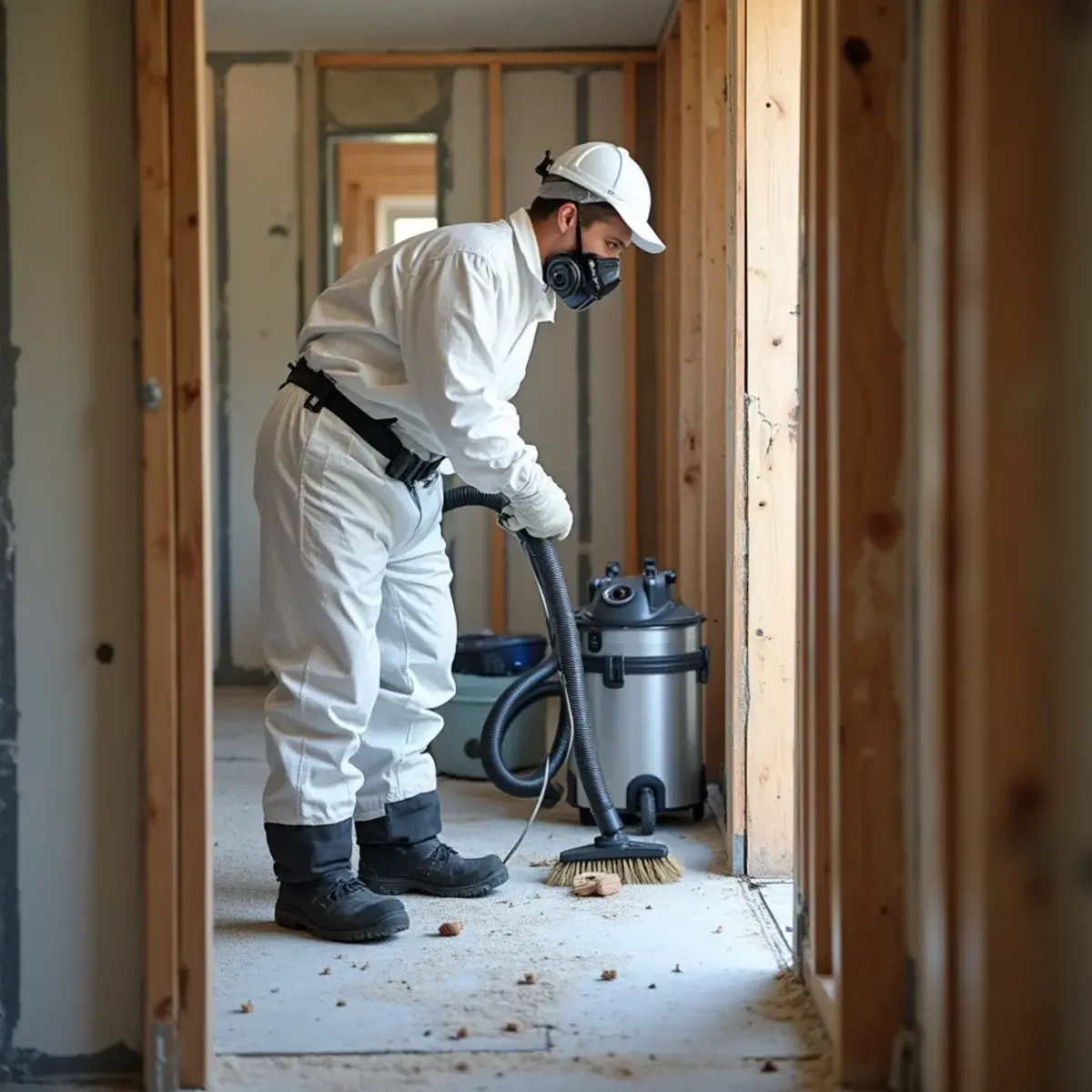
Affected porous material is cut out and bagged inside containment. Semi-porous framing is HEPA vacuumed and, where growth has penetrated the surface, abrasively cleaned rather than merely coated.
- 5
HEPA cleaning and antimicrobial application
All surfaces within containment are HEPA vacuumed and damp-wiped, then treated with an EPA-registered antimicrobial. Air scrubbers run continuously through this phase and afterward.
- 6
Verification before containment comes down
We confirm the area is visibly clean, dry to standard, and — where the situation calls for it — cleared by independent post-remediation verification sampling. Only then does the containment come down and reconstruction begin.
"Black Mold" and What Actually Matters
The term gets used loosely and it causes a lot of unnecessary fear. Stachybotrys chartarum, the species most people mean, is one of many molds that can grow indoors, and it does prefer chronically wet cellulose material like drywall paper. But color is not a reliable identifier — plenty of harmless species are black, and Stachybotrys is not always black.
The practical point is that remediation does not change based on species. Any significant indoor growth gets removed the same way, with the same containment, regardless of what it turns out to be. Paying for species identification before remediation rarely changes the work.
Where testing genuinely earns its cost is in three situations: establishing whether a problem exists at all when there is odor but nothing visible, documenting conditions for a legal or insurance dispute, and verifying afterward that the job was completed properly. In those cases we recommend an independent hygienist, not our own lab — third-party verification is worth more than a self-graded test.
The Cypress Humidity Factor
Coastal Orange County has a specific mold profile that differs from the rest of the country. We do not get the sustained summer humidity of the Southeast, but we do get consistent overnight marine layer that pushes indoor relative humidity into the seventies and eighties for hours at a time, most of the year.
That is not enough to cause growth on its own in a well-ventilated house. It is very much enough to sustain growth once a leak has started, and it slows natural drying dramatically — which is why the do-it-yourself approach of opening a window and running a box fan works far worse here than people expect.
It also explains why bathroom and closet mold is so common in older Cypress homes. Bathrooms from the 1960s and 1970s were frequently built with undersized fans or none at all, and an interior closet on an exterior wall with a wet coastal night has no mechanism to dry out. An upgraded, properly ducted exhaust fan on a humidity-sensing switch solves more mold problems in this city than any product you can spray.
What Mold Remediation Costs Depends On
Size matters, but the bigger cost drivers are usually access and the underlying moisture problem.
Square footage of affected material
A small area under a sink is a contained half-day job. Growth across an entire wall assembly, into an attic, or through a crawl space is a substantially larger scope.
Where it is
Accessible drywall is straightforward. Growth in an attic, inside a cabinet run, behind tile, or in an HVAC system requires specialized access and takes considerably longer.
Containment complexity
A sealed room with negative air is standard. A multi-room containment with a decon chamber and separate clean routes for occupants adds setup labor and materials.
The moisture source repair
The remediation is only half the job. Fixing the roof leak, the plumbing failure, the failed shower pan, or the ventilation problem that caused it is its own scope and cost.
Testing and clearance
Independent pre- and post-remediation sampling adds lab cost but provides third-party documentation — valuable for real estate transactions, tenant disputes, and insurance claims.
Insurance note: Insurance is inconsistent on mold. Most California policies cover mold only when it results directly from a covered sudden water loss, and many cap that coverage at $5,000 or $10,000. Mold from a long-term leak, deferred maintenance, or humidity is generally excluded. We document the origin carefully because that determination decides coverage.
Why Cypress Homeowners Call Us for Mold Remediation
Plenty of companies list this service. Fewer can tell you what equipment they will bring, what standard the work is measured against, or what happens if they are wrong. Here is what you are actually buying.
We fix the moisture source first
Remediation without correcting the cause is a temporary result. If we cannot identify what kept the material wet, we say so before quoting the cleanup.
Containment sized to the affected area
Small areas do not need whole-house containment, and large ones need more than a taped sheet. Scoping honestly keeps the price down and the spores where they are.
Post-work verification you can hand to a buyer
Clearance documentation matters when you sell, refinance, or argue a claim. We leave a record rather than an assurance.
- 20+ years restoring Orange County homes
- IICRC Certified Firm
- Licensed, Bonded & Insured
- We bill your insurance company directly
- IICRC S500:2025 compliant on every job
- 100% satisfaction guarantee — in writing, on every job
Frequently Asked Questions
On a hard, non-porous surface like tile or glass, bleach handles surface growth. On drywall, wood, or anything porous it does not — the water content soaks in and can feed further growth while the chlorine stays on the surface. Porous material with real growth needs to be removed, not treated.
Usually not for visible growth with an obvious cause — you can see the problem and the work would be identical regardless of species. Testing is worthwhile when there is odor but nothing visible, when you need documentation for a claim or dispute, or when you want independent verification that the job was done right.
A small contained area is often a single day. A typical bathroom or bedroom wall assembly runs two to three days including drying. Larger multi-room jobs or attic and crawl space work can take a week or more, plus reconstruction afterward.
In most cases yes, because containment and negative air keep the work isolated. If the affected area includes the primary living space or bedrooms, or if anyone in the household has asthma, a compromised immune system, or significant allergies, we will recommend staying elsewhere while the containment is up.
Not if the moisture source is corrected. That is the entire point — remediation removes what grew, but the moisture is what caused it. Any remediation proposal that does not identify and address the source is incomplete, and you should ask directly what the plan is for the water.
Related Reading
- How Fast Does Mold Grow After Water Damage? — The commonly cited window is 24 to 48 hours. Here is what that actually means, what makes it faster, and where the real deadline sits.
- 9 Signs of Hidden Water Damage Behind Your Walls — Most expensive water losses start as small leaks nobody could see. These are the nine signals that something is wet inside your walls.