
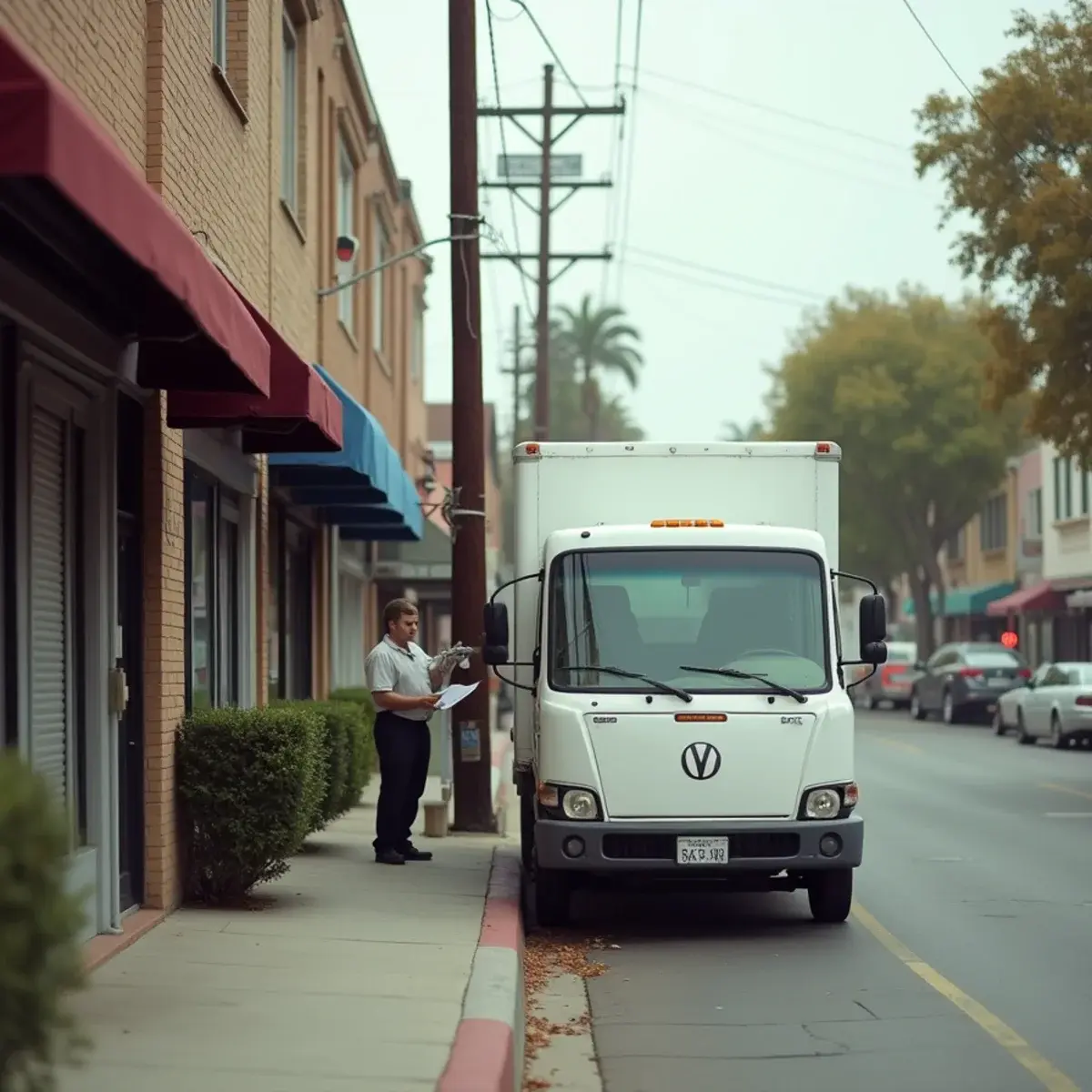
Artesia is small — about a square and a half of city with roughly 16,500 residents — and it packs a lot into that. The Pioneer Boulevard district, widely known as Little India, is one of the densest concentrations of independent retail and restaurants in the region, most of it in older buildings that were not designed for what they now house.
That commercial density shapes our work here. A restaurant kitchen operating in a building from the 1950s puts far more demand on plumbing and drainage than the original design contemplated, and grease-laden drain lines in aging cast iron are a reliable path to a backup. Retail spaces subdivided over the decades often have plumbing added in stages, with the seams between eras being where things fail.
The residential side is more straightforward: modest postwar homes and older multi-family buildings with the aging-plumbing profile common to everything built in this region in the 1950s and 1960s.
Pioneer Boulevard: Restaurants in Buildings That Were Not Built for Them
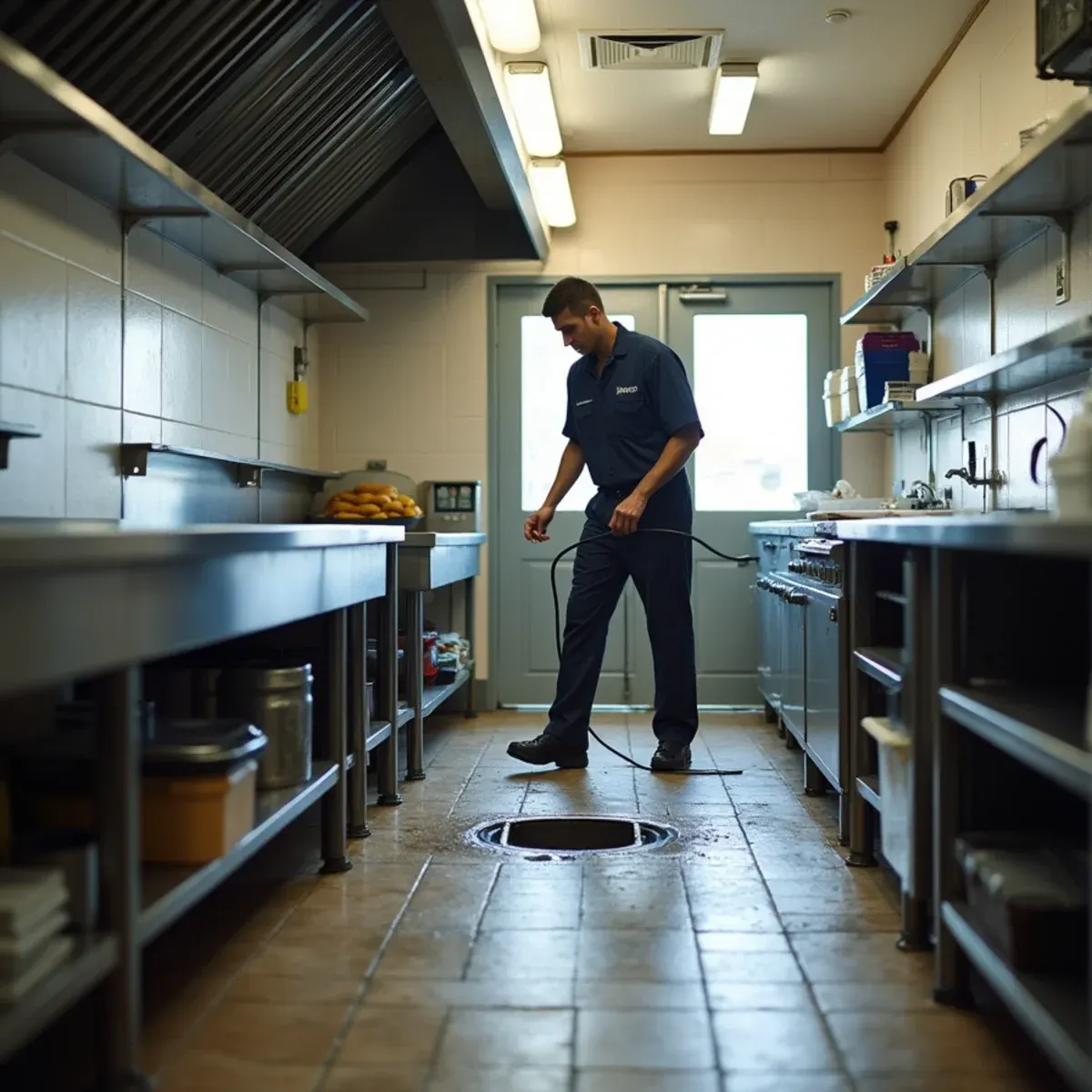
A commercial kitchen is one of the hardest things you can ask a building to accommodate. High water use, continuous drainage, grease loading, floor drains, and equipment connections that get added and modified over the years. When that kitchen is in a building from the 1950s with original cast-iron waste lines, the failure is a matter of time.
Grease is the main culprit. It cools and solidifies on the interior of the drain line, gradually narrowing it, and cast iron's rough corroded interior gives it plenty to hold onto. Once the line is restricted, a backup follows — and a backup in a food service space is Category 3 water in a food preparation area, which means health department involvement and mandatory closure.
For Pioneer Boulevard operators the prevention is straightforward: keep the grease interceptor on a real service schedule rather than an optimistic one, have the waste line hydro-jetted rather than snaked so the walls actually get cleaned, and get an old cast-iron line camera-inspected. All of that costs less than one closed week.
Fast Reopening for Small Independent Businesses
Almost every business on Pioneer Boulevard is independently owned, and for those owners a water loss is not a line item — it is the month. There is no corporate reserve covering three closed weeks and no other location absorbing the customers.
That reality drives how we schedule. We work nights so kitchens and retail floors are available during operating hours where the scope allows it. We contain tightly so an adjacent tenant is not shut down by someone else's loss. And we prioritize the documentation the health department will require, because on a Category 3 loss it is the paperwork, not the drying, that actually reopens the doors.
We also give a specific reopening date and update it daily. An owner can make decisions around a real timeline — reschedule staff, notify suppliers, warn regular customers. Nobody can plan around a contractor who will not commit to one.
Neighborhoods and Landmarks We Cover in Artesia
We work throughout Artesia — every neighborhood, every street, residential and commercial. If your address is in the city, we cover it.
Neighborhoods & corridors
- Pioneer Boulevard district
- South Street area
- Alburtis Avenue area
- 183rd Street corridor
Landmarks nearby
- Little India / Pioneer Boulevard
- AJ Padelford Park
- Artesia Park
- Artesia Historical Museum
- South Street corridor
Why Artesia Residents Call Us First
Any restoration company can put Artesia on a service-area list. What matters at 2 a.m. is how far the truck has to come and whether the crew has opened a wall in a house like yours before.
About 11 minutes northwest
We dispatch from 6122-6182 Katella Ave in Cypress — not from a regional depot and not from a call centre that sells your job to whoever bids for it. That is the whole reason the 60-minute commitment is one we can put in writing.
Commercial kitchens along Pioneer Boulevard
Grease-loaded cast-iron waste lines restrict until they back up mid-service. We contain, clean and document without closing the room longer than we have to.
Hydro-jetting beats snaking on these lines
A snake punches a hole through the grease; jetting cleans the pipe wall. We coordinate with your plumber so the cleanup is not undone in a month.
- 20+ years restoring Orange County homes
- IICRC Certified Firm
- Licensed, Bonded & Insured
- We bill your insurance company directly
- IICRC S500:2025 compliant on every job
- 100% satisfaction guarantee — in writing, on every job
Artesia Water Damage Questions
Yes, and on Pioneer Boulevard that is usually how we schedule it. Overnight crews cost somewhat more in labor and almost always cost dramatically less than lost revenue from closing during operating hours.
It depends on the affected area, but the limiting factor is usually documentation rather than drying. We prioritize food service calls, follow the applicable Category 3 protocols, and produce exactly the cleaning and clearance records the health inspector will ask for.
Original cast-iron waste lines with decades of grease loading. The interior corrodes rough, grease adheres and narrows the line, and eventually it restricts entirely. Regular hydro-jetting rather than snaking, a real grease interceptor service schedule, and a camera inspection are what prevent it.
Yes, and it is a large share of what we do along the Pioneer Boulevard corridor. Grease-loaded cast-iron waste lines are the usual cause, and the priority is containing and disinfecting the affected area without shutting the room down any longer than necessary. We work around service hours where the layout allows it, coordinate with your plumber on the line repair so the same backup does not happen again, and document everything per-suite for the building's insurer as well as yours.