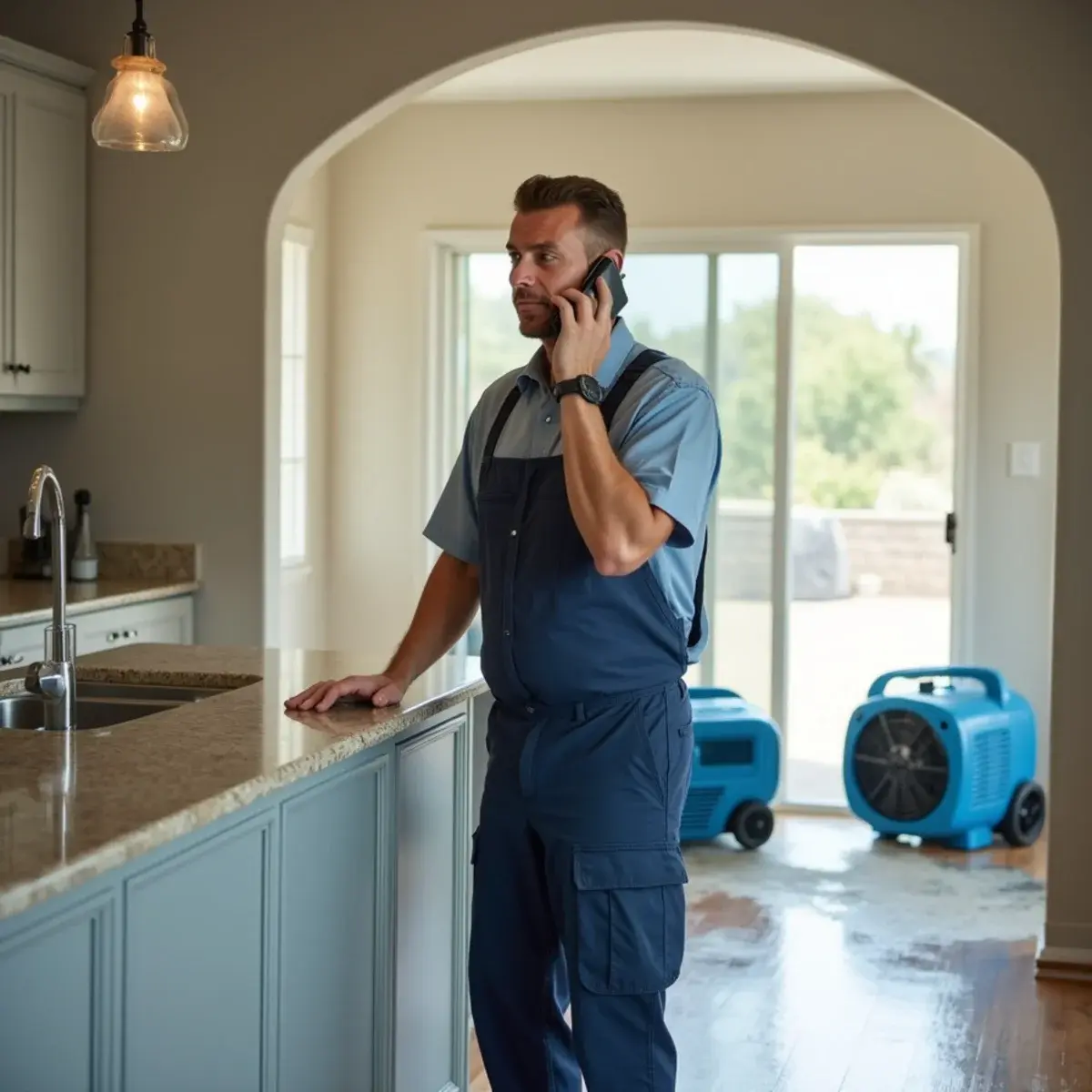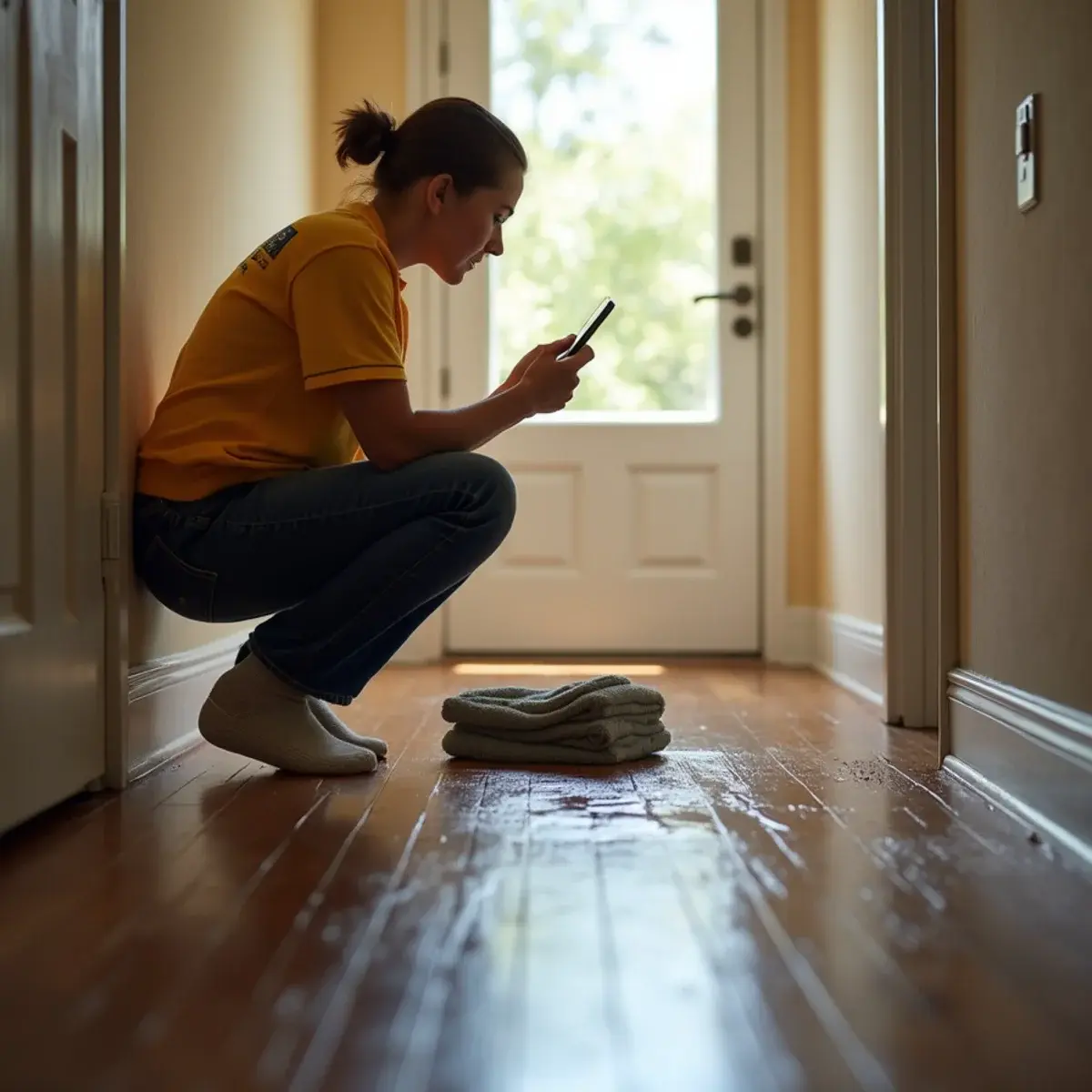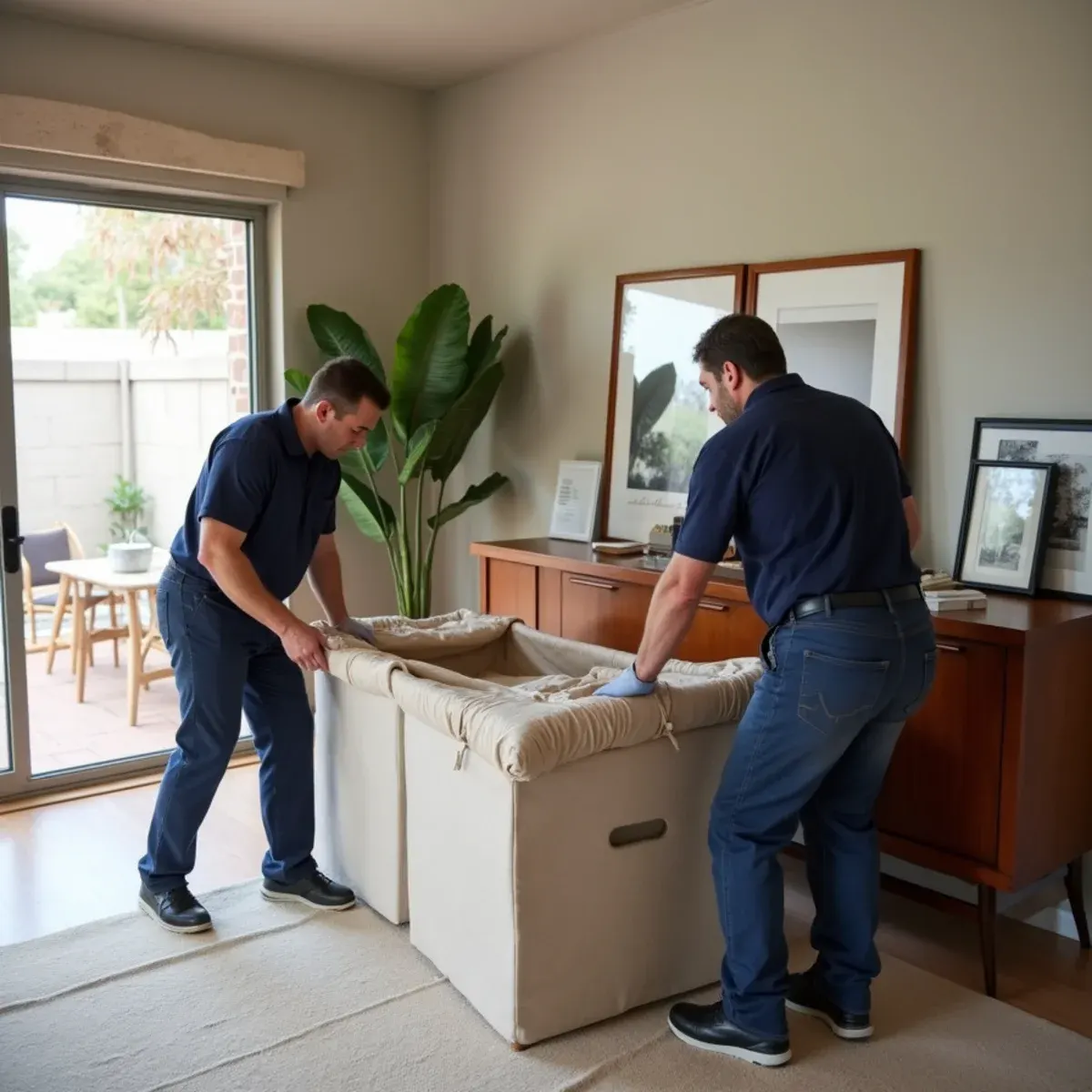
The structure is replaceable. Your grandmother's photographs are not. In almost every water loss we handle, the thing the homeowner is most worried about is not the drywall — it is a box of documents, a piece of furniture that has been in the family for three generations, or the hard drive with fifteen years of photos on it.
Contents restoration is the part of this work that gets skipped most often, because it is labor-intensive and requires a facility. It is also where the most value is recovered. Items that look ruined the day of a loss are frequently restorable, and items that are genuinely salvageable get thrown away every day because nobody offered another option.
The other reason to do this properly is the claim. A contents inventory documented item by item, with photographs and condition notes, is what gets personal property paid at what it is actually worth rather than at whatever number an adjuster estimates from a walkthrough.
When a Pack-Out Makes Sense
Not every loss needs one. These situations do:
The drying chamber includes rooms full of belongings
Contents in an active drying area get in the way of airflow and slow the whole job. Removing them shortens the equipment run, which usually offsets much of the pack-out cost.
Reconstruction will take more than a few days
If drywall, flooring, or cabinetry is coming out, belongings need to be somewhere else. On-site storage in a sealed portion of the home works for small jobs; larger ones need off-site storage.
The water was Category 2 or 3
Contaminated water contact means every item needs individual evaluation and cleaning. That cannot be done properly in the affected room.
There are high-value or irreplaceable items
Artwork, antiques, musical instruments, documents, and photographs need specialized handling and, in some cases, specialist subcontractors. Leaving them on site in a humid environment causes ongoing damage.
Electronics were exposed to water or humidity
Corrosion continues after the water is gone. Electronics need to be moved to a controlled environment quickly, and some can be professionally decontaminated.
You need the house habitable during repairs
Sometimes the practical answer is moving contents out so you can live in the unaffected part of the home while the work happens.
How a Pack-Out Works
The chain of custody matters as much as the cleaning. Everything is tracked from your house and back.
- 1
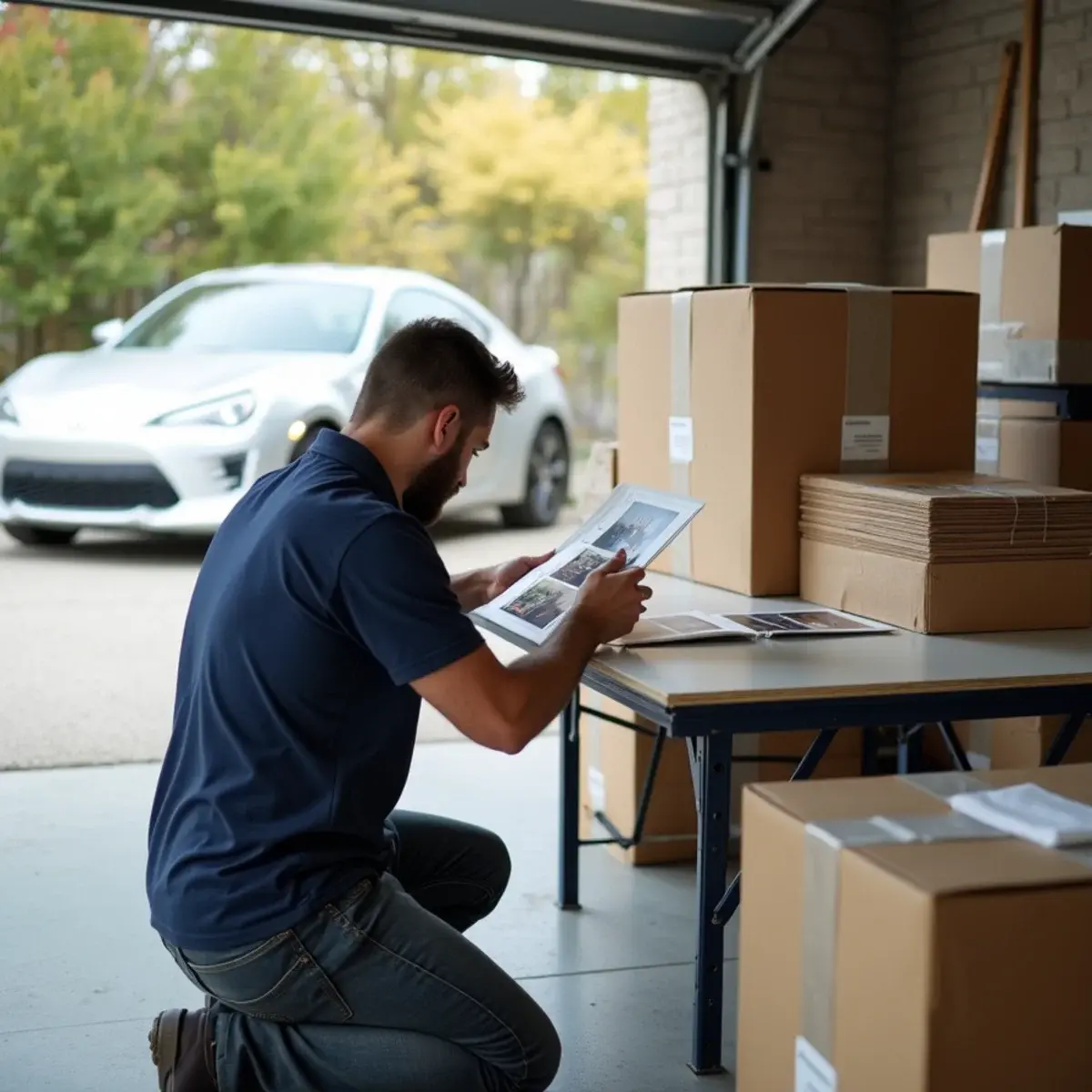
Room-by-room photographic inventory
Before anything moves, every item is photographed in place and logged with its condition. This is both your record and the documentation your adjuster needs for the personal property portion of the claim.
- 2
Triage into three categories
Salvageable and cleanable, restorable with specialized treatment, and non-salvageable. We document why each item landed where it did, and we err toward attempting restoration rather than writing things off.
- 3
Careful packing and transport
Items are wrapped, boxed, barcoded, and loaded. Fragile, high-value, and specialty items are handled separately from general household goods.
- 4
Cleaning and restoration by material type
Ultrasonic cleaning for hard goods and non-porous items, textile cleaning for soft goods, specialized treatment for electronics, and freeze-drying for documents and photographs that are still wet.
- 5
Climate-controlled storage
Restored items are stored in a controlled environment until your home is ready. You can request access to specific items while they are in storage — people always need something they did not expect to.
- 6
Delivery and placement back
When reconstruction is complete, everything comes back and goes to the room it came from, with the inventory reconciled item by item so nothing is unaccounted for.
What Can Usually Be Saved — and What Cannot
People are consistently surprised in both directions, so here is a realistic accounting.
Usually salvageable: solid wood furniture, metal and glass items, ceramics, most hard-surface goods, leather with prompt treatment, clothing and most textiles from clean water, books and documents if frozen quickly, and photographs if handled within about 48 hours. Electronics are a maybe — often restorable if powered down immediately and professionally decontaminated before corrosion sets in.
Usually not salvageable: upholstered furniture and mattresses exposed to Category 2 or 3 water, particleboard and MDF furniture of any kind, anything porous that contacted sewage, and items where the restoration cost genuinely exceeds replacement value. We will tell you when that math does not work rather than billing for a restoration that does not make sense.
Photographs and Documents: Freeze Them Now
This is the single most useful thing we can tell a homeowner during a water loss, and it costs nothing.
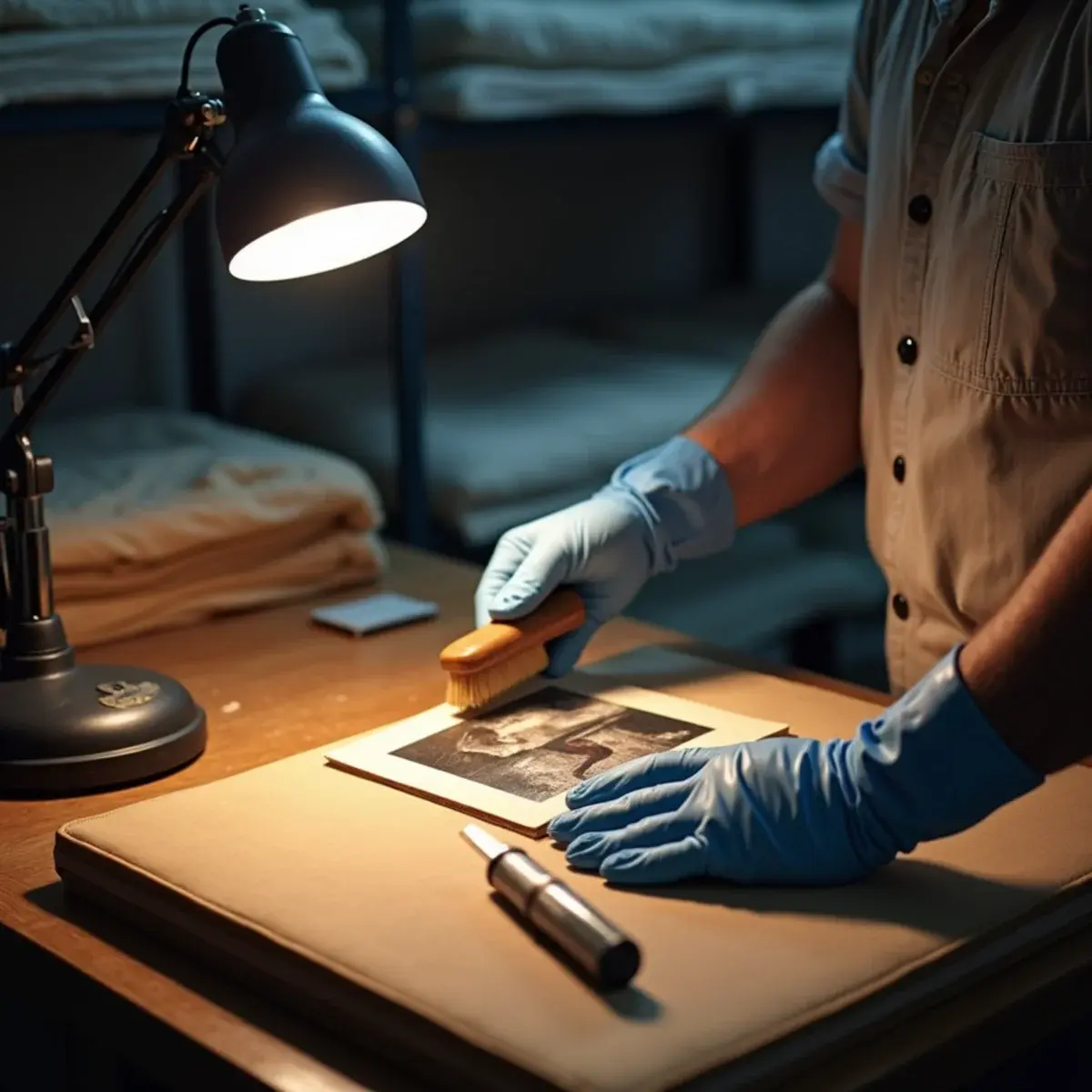
Wet photographs, documents, and books are on a clock — mold begins within about 48 hours and the emulsion on photographs begins to fuse as it dries, which permanently destroys the image. But freezing stops both processes cold. Put wet photographs and papers in freezer bags, separated by wax paper where you can, and put them in your freezer immediately.
Frozen items can wait. Once the emergency is under control, they can be professionally vacuum freeze-dried, a process that removes ice directly to vapor without the material passing back through a wet phase. We have seen family photographs recovered this way months after a loss because someone had the presence of mind to open the freezer door.
What Contents Restoration Costs Depends On
This is priced by volume, handling complexity, and storage duration.
Volume of contents
Packing, transport, and storage all scale with cubic footage. A single flooded bedroom is a small pack-out; a whole-home loss is a moving job with restoration attached.
Proportion of specialty items
General household goods clean efficiently in batches. Artwork, antiques, electronics, textiles, and documents each need individual handling and sometimes outside specialists.
Storage duration
Storage is billed monthly, so the reconstruction timeline drives this directly. Faster repairs mean lower storage cost, which is one more reason not to let a rebuild drift.
Contamination level
Category 3 exposure means more items are non-salvageable and everything that is kept requires more intensive decontamination.
Whether documents or photos need freeze-drying
Wet paper and photographs can be stabilized by freezing and then vacuum freeze-dried. It is a specialized service with real cost, and for irreplaceable material it is almost always worth it.
Insurance note: Contents restoration is typically paid under the personal property portion of your policy, which is separate from the dwelling coverage paying for the structure. Restoring an item usually costs the carrier less than replacing it, so this work is generally straightforward to get approved when it is documented properly.
Why Cypress Homeowners Call Us for Contents & Pack-Out
Plenty of companies list this service. Fewer can tell you what equipment they will bring, what standard the work is measured against, or what happens if they are wrong. Here is what you are actually buying.
Inventoried and photographed before anything moves
Every item is logged with condition and location. That inventory is what your personal-property claim is paid against.
Restoring is usually cheaper than replacing
Carriers know this, which is why contents restoration is normally approved. Upholstery, documents, and electronics that were not powered on are far more recoverable than people assume.
Climate-controlled storage while the house dries
Belongings come out of the drying chamber rather than sitting in the heat and humidity of one for five days.
- 20+ years restoring Orange County homes
- IICRC Certified Firm
- Licensed, Bonded & Insured
- We bill your insurance company directly
- IICRC S500:2025 compliant on every job
- 100% satisfaction guarantee — in writing, on every job
Frequently Asked Questions
It depends on the scope. For a contained single-room loss we often move contents to an unaffected part of the home and block furniture in place. When the drying chamber covers most of the living area or reconstruction is extensive, off-site pack-out is usually both safer and faster.
Every item is photographed and barcoded at your home and tracked through cleaning, storage, and delivery. You receive the inventory, and at delivery we reconcile it with you item by item before we leave.
Sometimes, and the deciding factor is what happens in the first hours. Do not power anything on — that is what usually destroys it. Unplug it, do not try to dry it with heat, and get it to us quickly. Professional decontamination can arrest corrosion on boards that would otherwise fail weeks later.
They are photographed, itemized on a non-salvageable list with the reason documented, and disposed of only with your approval. That list is what supports the personal property portion of your claim, so nothing gets thrown out casually.
As long as the reconstruction takes — commonly two to six weeks for a moderate loss. You can request access to specific items during storage, and we schedule delivery back to align with the completion of the repairs.
Related Reading
- How to File a Water Damage Insurance Claim (Step by Step) — Most people file exactly one water damage claim in their life, while doing it under stress. Here is the process, in order, with the mistakes flagged.
- What to Do in the First 30 Minutes After Water Damage — The half hour after you find water on the floor determines a surprising amount of what the repair costs. Here is exactly what to do, in order.