You are going to file this claim once. The adjuster handling it has done several thousand. That asymmetry is not malicious, but it does mean the process rewards preparation, and most homeowners walk into it without any.
The good news is that a water damage claim is mostly mechanical. Document thoroughly, report promptly, mitigate immediately, and keep records. Do those four things well and the great majority of claims resolve without difficulty.
Here is the sequence, with the specific mistakes marked.
Step 1: Document Before You Touch Anything
This happens before you call anybody, and it is the highest-value ten minutes of the entire process.
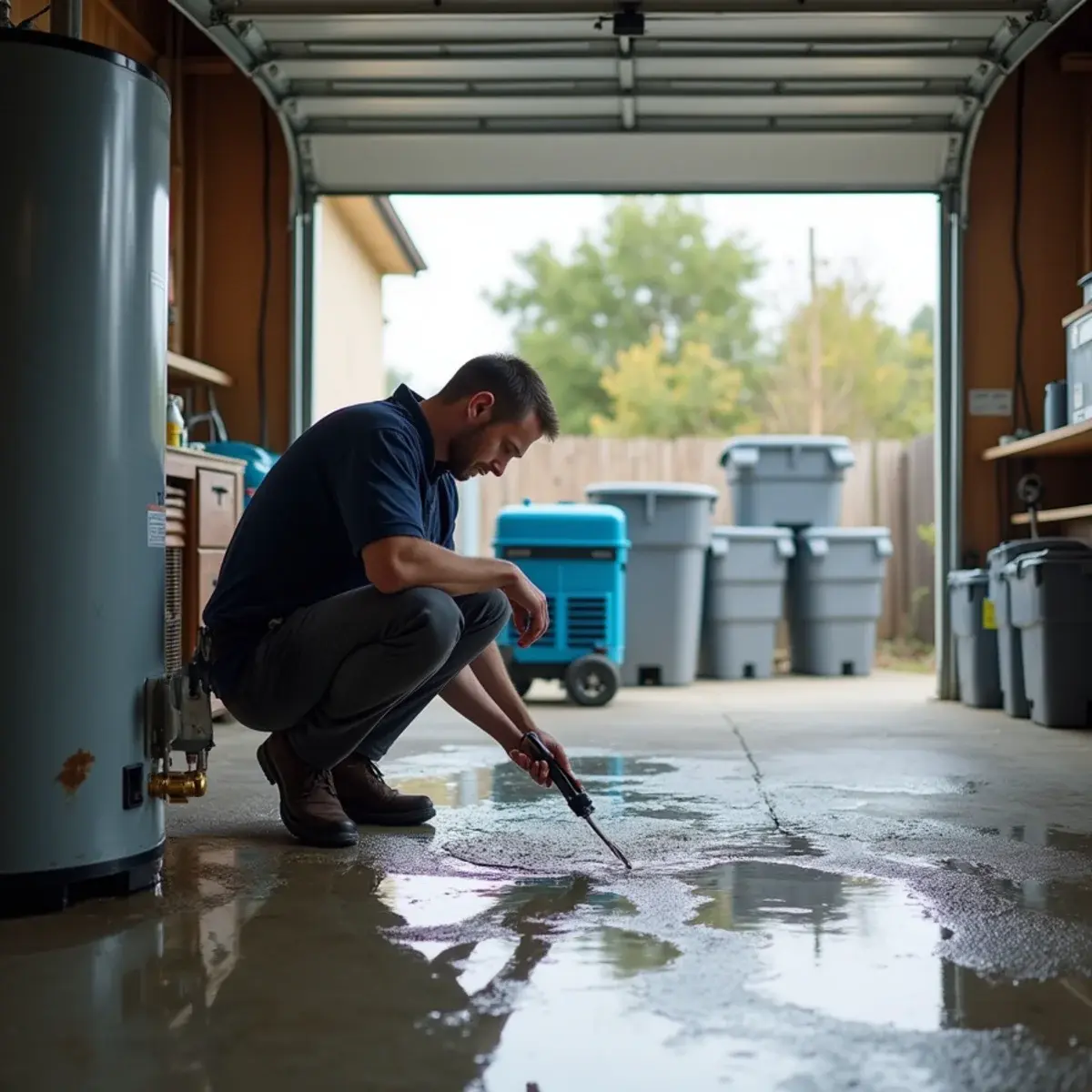
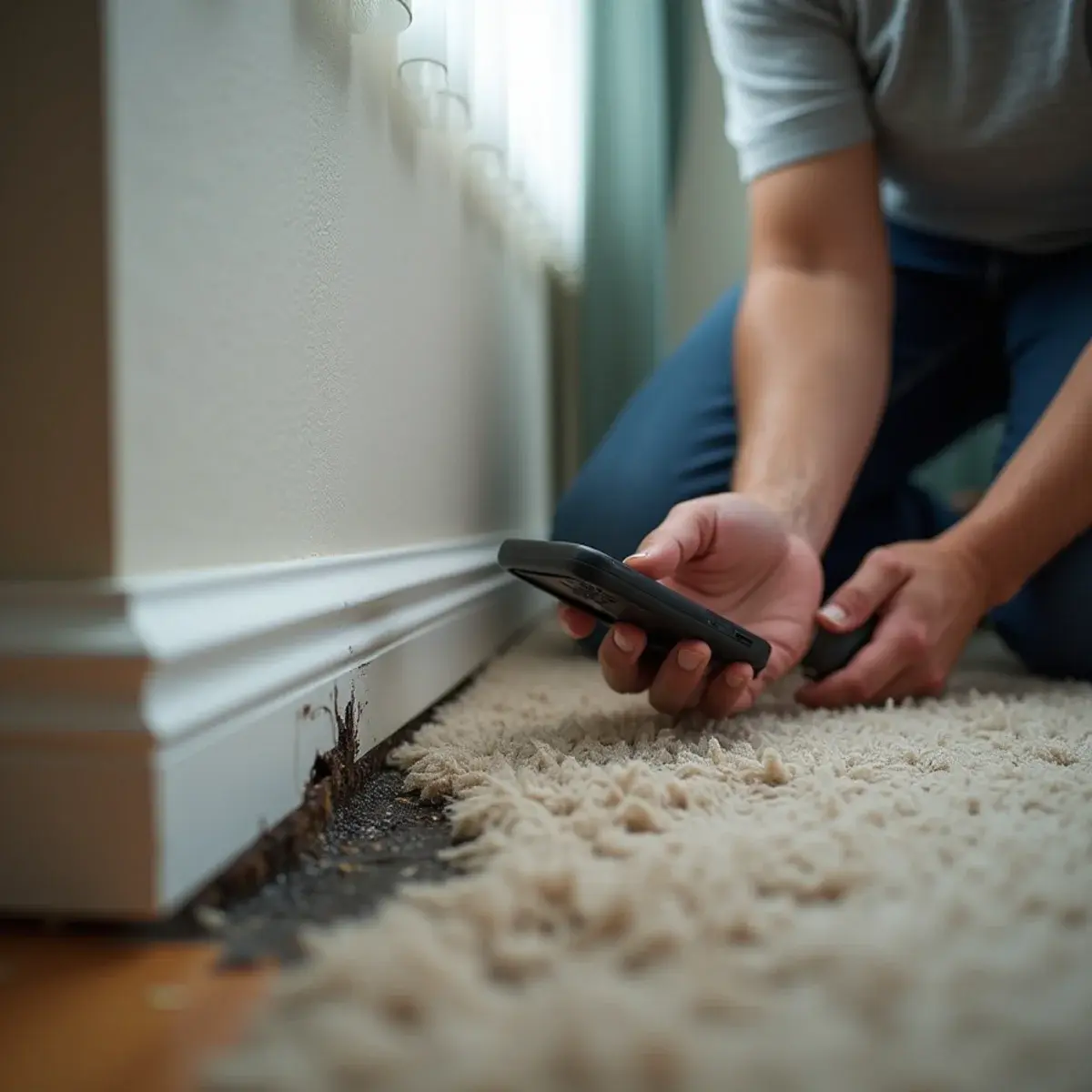
Photograph every affected room with wide shots that establish extent and water level. Take close-ups of every damaged material. Photograph the source if visible. Photograph every belonging that got wet, in place. Shoot a video walkthrough narrating what you see and saying the date out loud.
The mistake: cleaning up first. Once you have moved the furniture, pulled the carpet, and mopped the floor, the evidence of how bad it was exists only in your description. That is a materially weaker position, and it cannot be undone.
Step 2: Mitigate Immediately
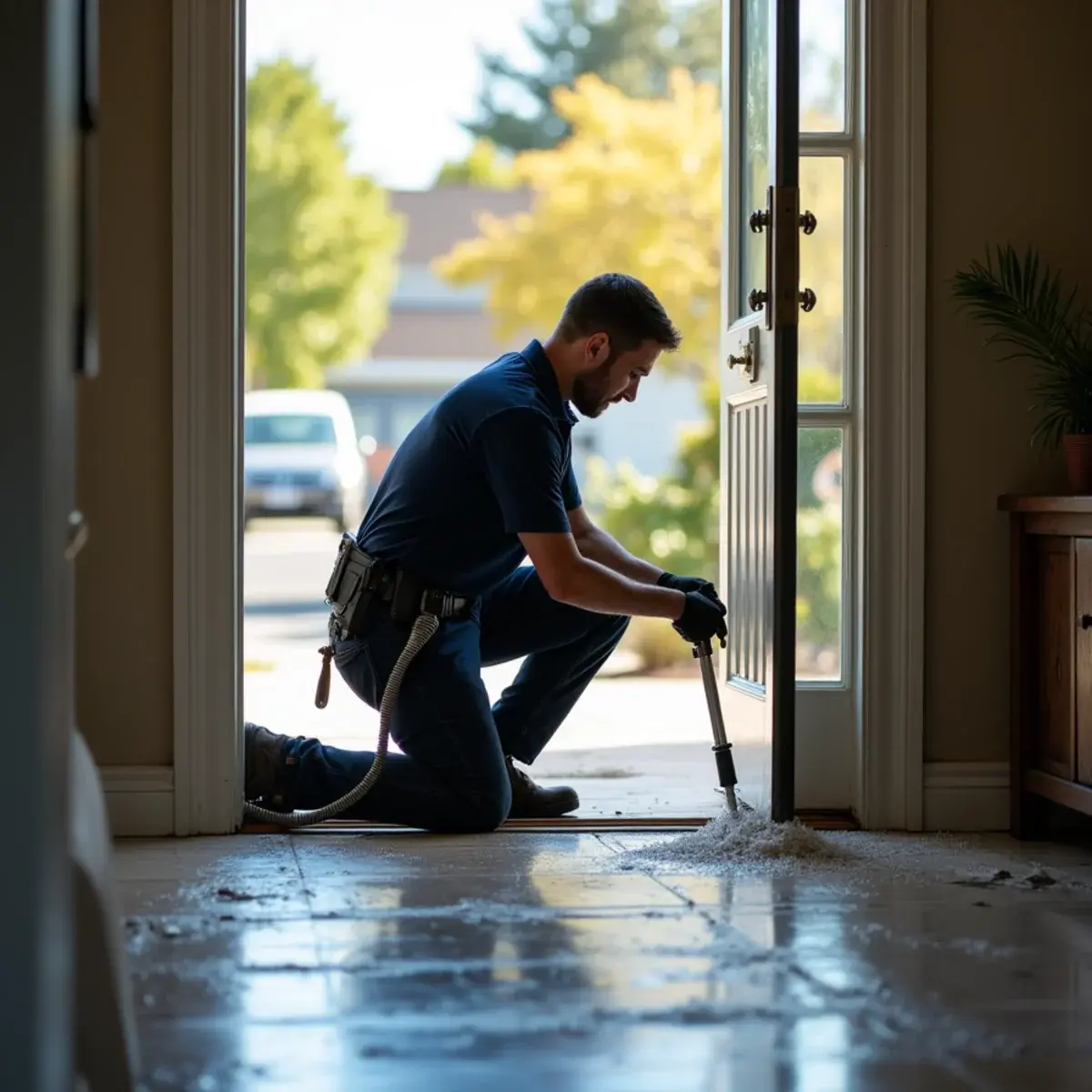
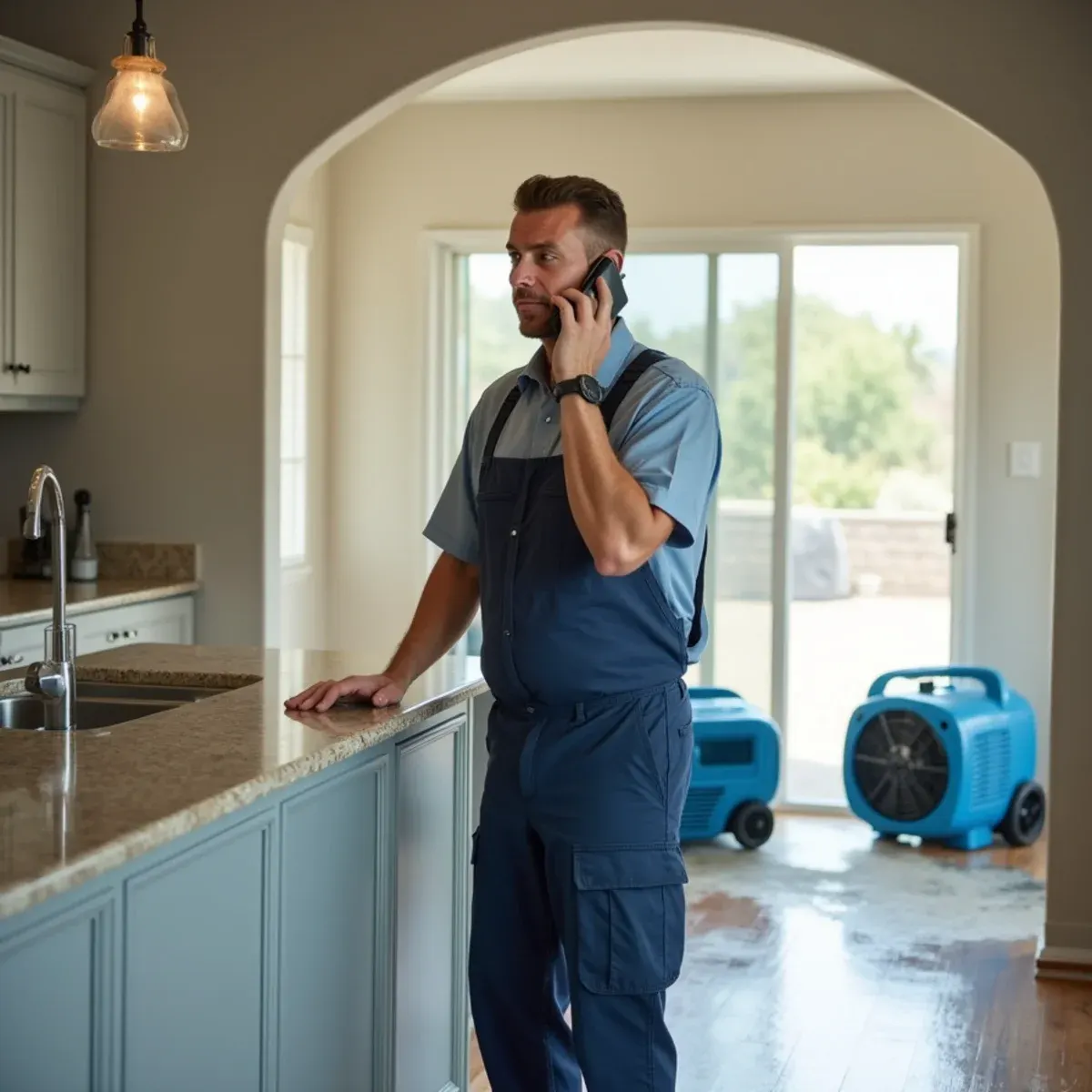
Call a restoration company and get extraction started. Do this before calling your insurer.
Your policy contains a duty to mitigate — an affirmative obligation to prevent further damage. Starting mitigation immediately satisfies it, and no carrier will criticize you for it. What they will do is decline the additional damage that accumulated while you waited.
The mistake: waiting for adjuster approval before starting. Adjusters do not need to approve emergency mitigation and frequently cannot get to you for days. Meanwhile the loss is compounding and the mold clock is running.
Step 3: Report the Claim
Call your carrier's claims line or file through their app, generally within 24 hours.
Have ready: your policy number, the date and time you discovered the damage, what you believe caused it, which rooms are affected, and the name of the restoration company already on site.
Be accurate and be brief. Describe what you observed. Do not speculate about cause — if you do not know whether the pipe failed because of age or because something hit it, say you do not know. A guess recorded in the file can be used to categorize your loss in ways that hurt you.
The mistake: characterizing the loss for them. Saying "it's been leaking a while, I think" when you actually have no idea can convert a covered sudden loss into an excluded gradual one in the file notes.
Step 4: Prepare for the Adjuster Visit

An adjuster will inspect, usually within a few days. Have your documentation organized and ready to hand over.
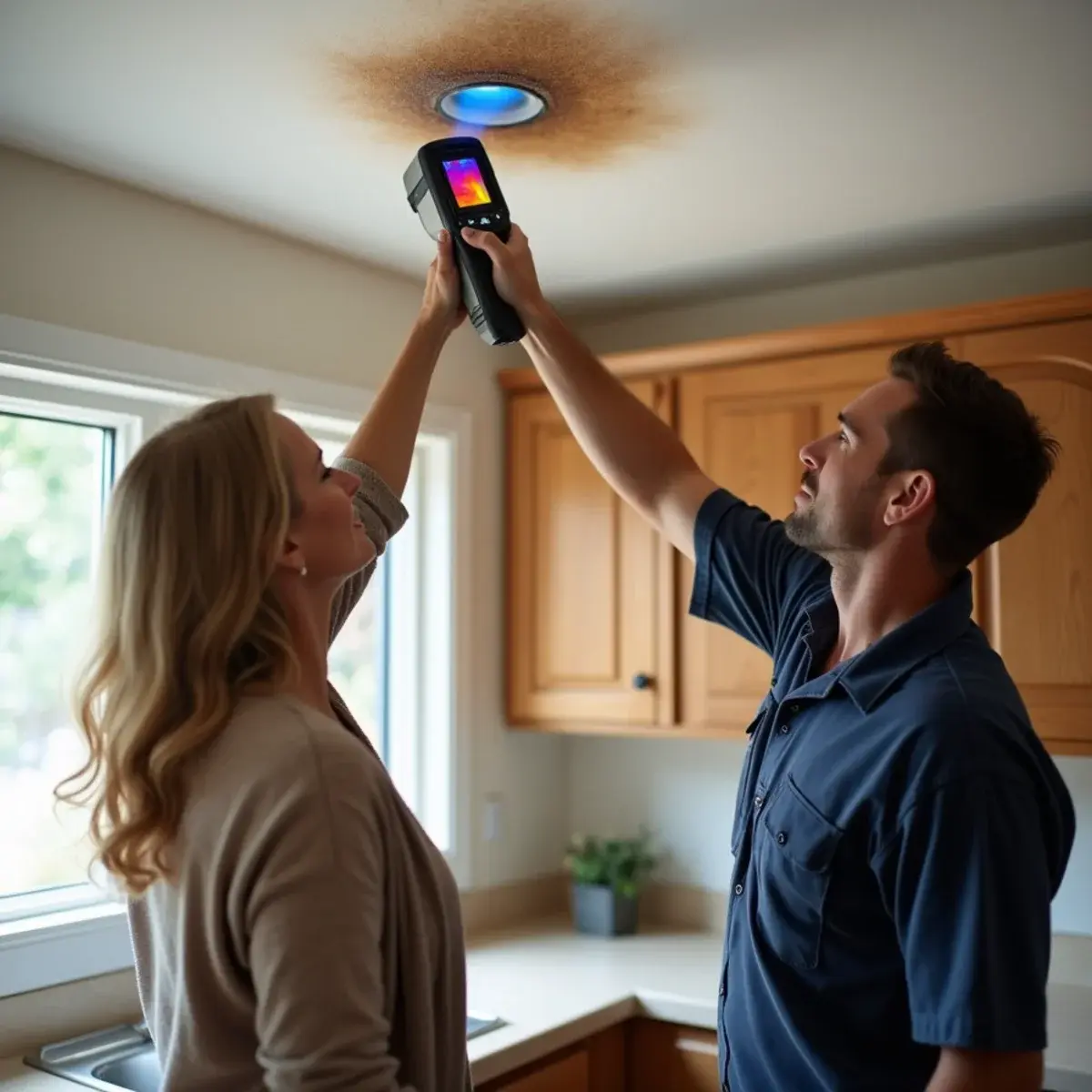
Ideally your restoration company is present for that inspection. They can walk the adjuster through the moisture mapping, explain why materials in a room with no visible damage are wet, and answer scope questions in the technical language the adjuster works in. That conversation resolves in twenty minutes what otherwise becomes three weeks of correspondence.
Ask the adjuster directly: what is my deductible on this loss, what is covered and what is not, and what documentation do you need to release payment. Write down the answers with the date.
Step 5: Review the Estimate Carefully

The carrier will produce a scope and estimate. Read all of it, and compare it line by line against your restoration company's estimate.
The most common gaps we see: only the visibly damaged area is included while adjacent wet materials are missed; drying equipment days are estimated low; the blending question is ignored, meaning a flooring or texture repair is scoped to stop mid-room where it will obviously show; and contents are estimated as a lump sum rather than itemized.
Disagreeing is normal and expected. Adjusters write initial estimates from a walkthrough; supplements are a routine part of the process. What resolves them is documentation — moisture readings, photographs, and product data showing why a partial repair will not match.
The mistake: accepting the first estimate because it seems official. It is an opening position based on limited information, not a final determination.
Step 6: Understand How the Money Arrives

This confuses more people than any other part of the process.
Most policies are replacement cost value, which means the carrier initially pays actual cash value — the replacement cost minus depreciation — and holds back the depreciation until the work is actually completed. Once you submit proof of completion, they release the recoverable depreciation.
So the first check is deliberately less than the estimate total, and that is not an error or a lowball. But you have to submit the completion documentation to get the rest.
The mistake: never claiming the recoverable depreciation. A meaningful number of homeowners finish the work and simply never send in the paperwork, leaving real money with the carrier. Put a reminder in your phone for the week the job finishes.
Step 7: Keep Records Until It Is Fully Closed

Maintain one file — physical or digital — containing everything: your photographs and video, the restoration company's moisture readings and drying logs, every estimate and supplement, a log of every phone call with name and date, all receipts including hotel and meals if you relocated, and every piece of written correspondence.
Keep it for several years after closure. If a mold question arises later, or if you sell the home and have to disclose the loss, those drying logs proving the structure was returned to a documented dry standard are the most valuable document in the file.
When to Get Outside Help
Most claims do not need it. A few do.
Consider a licensed public adjuster — who works for you rather than the carrier, typically for a percentage — when the loss is large, when coverage is denied on grounds you believe are wrong, or when the gap between the carrier's estimate and reality is very wide. For a straightforward covered loss, a good restoration company handling the scope conversation is usually sufficient.
If a claim is denied and you believe the denial is improper, the California Department of Insurance takes consumer complaints and has authority over carrier conduct. That is a real avenue and it is free.
The Documentation Habits That Change Settlements
From our crews in the field
The claims that settle cleanly nearly always share one thing: photographs taken before anything was cleaned up, from wide to close, with something in frame for scale. It is unglamorous and it is worth more than any argument made later. Once a room is dry and tidy, the only remaining evidence of how bad it was is whatever you captured.
The second habit is keeping a contemporaneous log — dates, who you spoke to, what was said. Water claims often involve half a dozen conversations across several weeks, and memory is a poor substitute when there is a disagreement about what was authorised.
Where we set expectations honestly: a restoration contractor is not a public adjuster and cannot negotiate your settlement for you. What we do is provide the scope, moisture data and drying logs that make the work defensible line by line. If a claim is genuinely being handled unfairly, that is when a public adjuster or an attorney is the right call, and we will say so.
- Photograph before cleanup, wide then close, with something for scale
- Keep a dated log of every claim conversation and what was agreed
- Ask for the scope in writing before work starts, not after
- A contractor documents; a public adjuster negotiates — know which you need
Services Mentioned in This Guide
- Emergency Water Damage Restoration in Cypress, CA — A live person answers in three rings and a truck rolls in 30 minutes — any hour, any day, anywhere in Cypress.
- Water Damage Repair & Reconstruction in Cypress, CA — The same team that dried it puts it back — drywall, texture match, flooring, cabinetry and paint, under one contract.
- Contents Restoration & Pack-Out in Cypress, CA — Photographs, furniture, documents and heirlooms inventoried, restored, and stored — not written off by default.
- Water Damage Restoration in Cypress, CA — Predominantly single-story slab-on-grade tract homes built between 1960 and 1980, with a newer band of construction from the 1990s onward on the west side.
- Water Damage Restoration in Garden Grove, CA — One of the county's larger cities at roughly 170,000 people, developed heavily in the 1950s and 1960s with substantial multi-generational occupancy and a dense commercial base.
Frequently Asked Questions
Restoration company first. Your policy requires prompt mitigation, and starting extraction immediately satisfies that obligation. It also means your claim is supported by professional moisture documentation rather than only phone photos.
Yes. Carriers often suggest companies from their preferred vendor program, but in California you are entitled to choose your own contractor. A preferred vendor works within the carrier's program constraints; an independent company works for you. Both can be fine — just know that the choice is yours.
Simple covered losses often settle in two to four weeks. Larger claims with supplements and contents run six to twelve weeks. The recoverable depreciation portion arrives after the work is completed and documentation is submitted, which can be later still.
Request the denial in writing with the specific policy language relied on. Review whether the factual basis is accurate — many denials rest on a characterization of the loss that the evidence does not support. You can supply additional documentation, request reconsideration, engage a public adjuster, or file a complaint with the California Department of Insurance.
Document, Mitigate, Report, Record
Those four things in that order account for nearly every well-handled claim we have been part of. The homeowners who struggle are almost always the ones who cleaned up before photographing, waited for approval before mitigating, or accepted the first estimate without comparison.
We handle the documentation and the carrier conversation as a standard part of every job in Cypress and the surrounding cities, and we bill carriers directly so you are not fronting the cost.
Open 24 hours a day, 7 days a week — including holidays
On-site within 60 minutes of your confirmed emergency call anywhere in Cypress — or we credit $100 off your final invoice.