
It's Thursday, the Pioneer Boulevard dining room is booked, and the waste line under the kitchen has just backed up across the floor. For a chain, that's a memo to a regional manager. For the independent owners who make up most of Little India and the blocks around it, three weeks closed is the difference between a hard year and no restaurant. So reconstruction here is built around staying open wherever it's possible: night work, hard containment between the kitchen and the dining room, and a phased scope that puts the cook line back before the back-of-house finish work is done.
The buildings are why it keeps happening. Most of Artesia's commercial stock went up in the 1950s and was never designed to carry a commercial kitchen. Grease sets on the rough, corroded interior of old cast iron and narrows the line until it stops passing anything, and the damage lands in the floor assembly, the base cabinets and the wall panel above them. Rebuilding it properly means health-department-grade finishes, sealed penetrations, and hydro-jetting the line rather than snaking a channel through the grease and calling it clear.
What Artesia Changes About Repair & Reconstruction
1Phased kitchen rebuilds that keep doors open
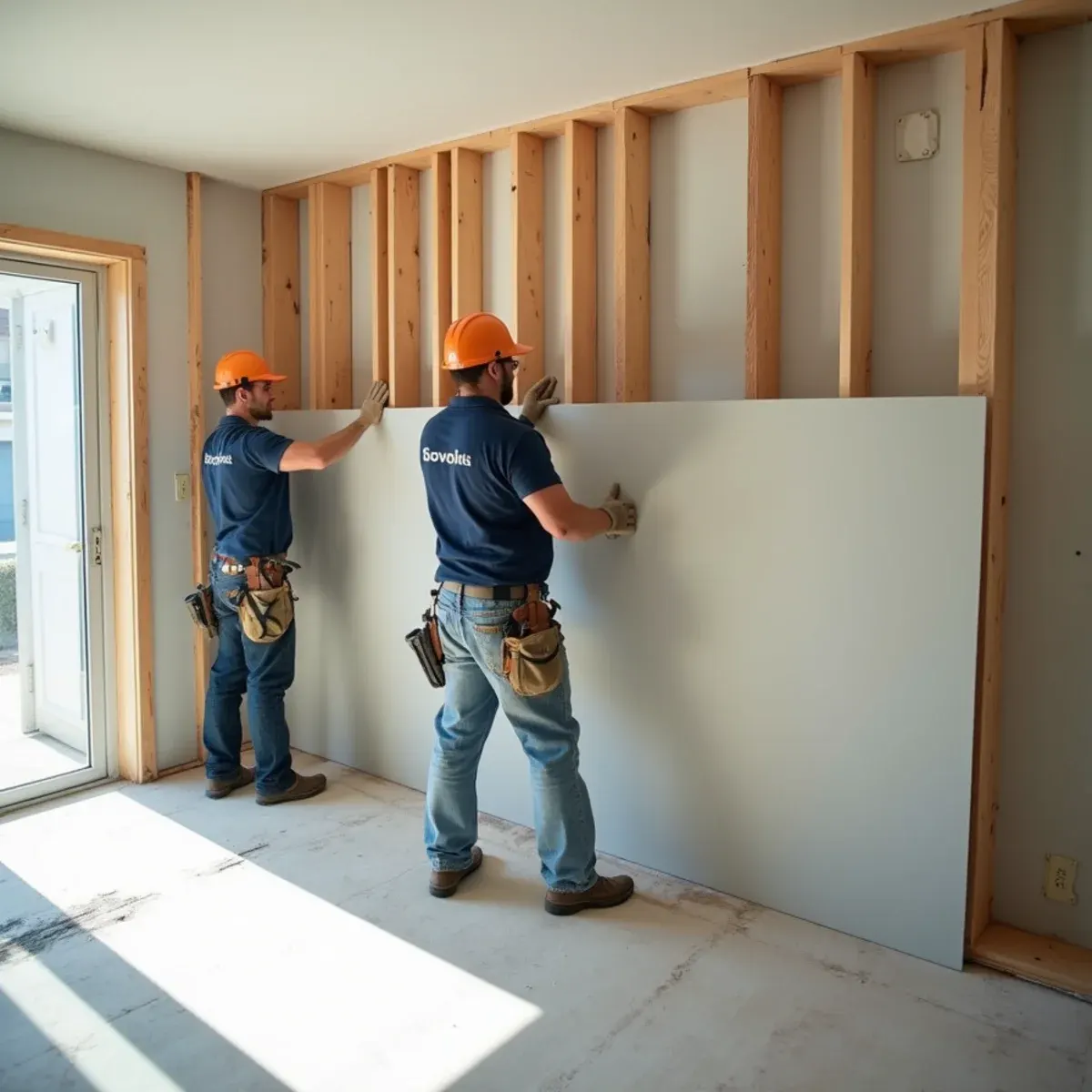
We sequence commercial kitchen reconstruction so the cook line, sinks and ware-washing return to service first, with finish work following behind containment. Where the dining room is undamaged, it stays open with a hard barrier and dedicated air handling. Loud and dusty phases happen after close. It takes more planning than a straight rebuild and it keeps revenue coming in during the work.
2Finishes that pass a health inspection
A restaurant rebuild isn't residential work with a bigger sink. Wall surfaces have to be smooth and washable, base coved, floor and wall penetrations sealed, and materials appropriate for a food-prep area. We build to that standard on the first pass so your reopening isn't delayed by a correction on a finish detail after the reconstruction is already paid for.
3Documentation that supports a business claim
Independent owners here rarely have a risk manager. We photograph and log everything — the cause, the affected area, the daily progress, the dates each space returned to service — so if your policy includes business interruption coverage, the record exists. We don't adjust claims or promise outcomes, but we can make sure the evidence isn't the reason one gets denied.
How the Work Runs
The method is the same one we use on every repair & reconstruction job, documented to the IICRC S500:2025 standard. Here it is in short — the full water damage repair & reconstruction process explains each stage in detail.
- Scope and estimate while mitigation finishes
- Agree the scope with you and the carrier
- Material selection
- Rough work and inspections
- Finishes
- Walkthrough and warranty
The Artesia Background Worth Knowing
A commercial kitchen is one of the hardest things you can ask a building to accommodate. High water use, continuous drainage, grease loading, floor drains, and equipment connections that get added and modified over the years. When that kitchen is in a building from the 1950s with original cast-iron waste lines, the failure is a matter of time.
There is more on the housing stock, drainage and plumbing history of this city on our water damage restoration in Artesia page.
Artesia at a glance
- Dominant construction era
- 1950–1970
- Foundation type
- slab on grade
- Supply piping found here
- galvanized steel, copper
- Drain line materials
- cast iron
- Terrain and water table
- flat, moderate water table
- Most common local failure
- grease-loaded cast-iron waste lines restricting until a commercial kitchen backs up
- Highest-value local prevention
- hydro-jetting the waste line rather than snaking it, so the pipe wall actually gets cleaned
What It Costs in Artesia
We do not quote a number over the phone before seeing the property — anyone who does is guessing. The variables that actually move the price on a repair & reconstruction job are how much came out during mitigation, finish level and material availability, texture and finish matching difficulty, and they are broken down in full on the water damage repair & reconstruction page. The assessment and the written estimate are free anywhere in Artesia, day or night, with no obligation.
Repair & Reconstruction Questions from Artesia Homeowners
It depends on how far the water traveled and what category it was, and a sewage backup means porous materials come out regardless of schedule. What we control is sequence. If the dining room is clean, it often stays open behind containment while the kitchen is rebuilt overnight. If the whole space is affected, expect a closure while sanitation and drying run, then a phased reopening. You get a dated schedule after the first inspection, not a guess on the phone.
Both, under one contract. The same team that documented and dried your loss handles the rebuild — drywall, texture, flooring, cabinetry, trim, and paint — so you are not managing multiple contractors or explaining the scope twice.
A single-room repair is typically one to two weeks after drying finishes. Kitchen or multi-room rebuilds run three to six weeks, and jobs requiring permits and inspections take longer because of the inspection windows. You get a written schedule before work starts.
Yes, and on Pioneer Boulevard that is usually how we schedule it. Overnight crews cost somewhat more in labor and almost always cost dramatically less than lost revenue from closing during operating hours.