
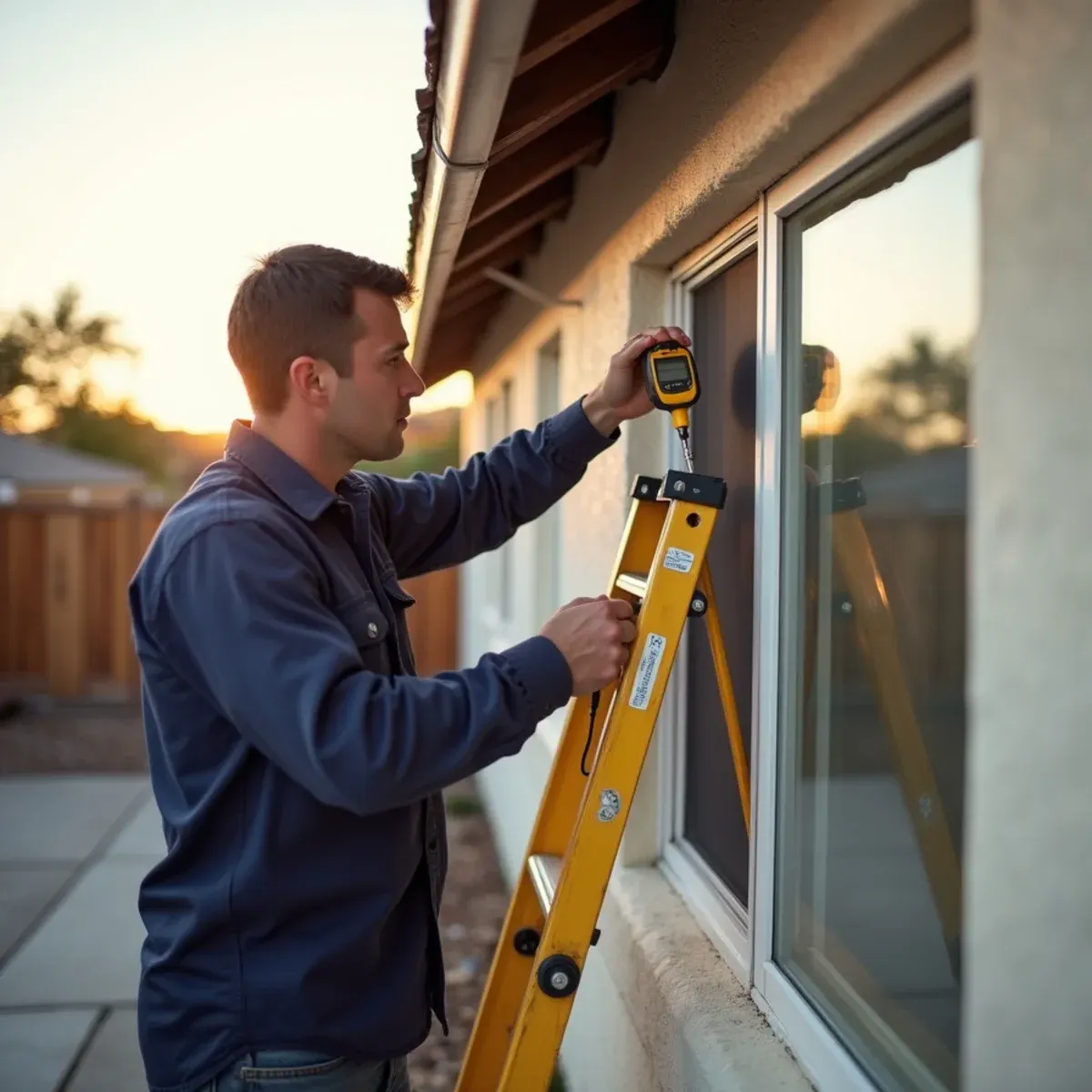
Huntington Beach is the most coastal-exposed city we serve, and everything about water damage here reflects that. Homes closest to the water contend with sustained humidity, salt-driven corrosion of every exterior detail, and wind-driven rain that finds any failed flashing. Homes in Huntington Harbour add direct waterfront exposure and, in many cases, boat docks and seawalls.
Inland Huntington Beach — the tracts around Central Park, Goldenwest, and the 92647 and 92646 areas — behaves more like the rest of north Orange County, with the same 1960s and 1970s slab construction and the same aging plumbing that produces slab leaks and pinholes.
The single most consequential thing about restoration here is drying capacity. Ambient humidity within a mile of the beach is high enough, often enough, that an equipment plan sized for an inland job will simply not get there. We plan coastal jobs with more dehumidification and a longer run from the outset rather than discovering it on day four.
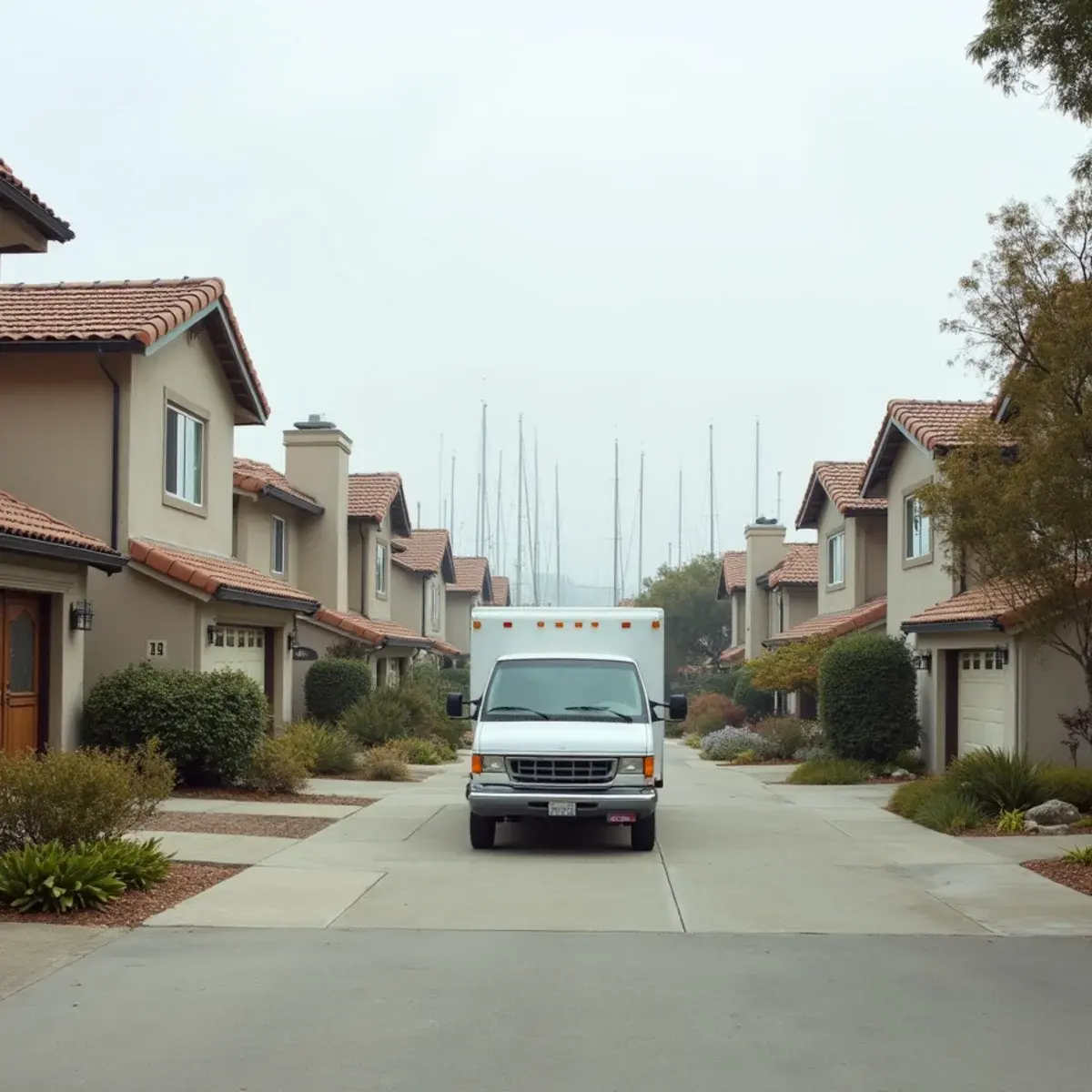
Salt Air Is a Slow Water Damage Cause
Salt does not damage buildings directly. It damages the details that keep water out, and then water does the rest.
In practice that means corroded window and door flashings, degraded roof penetration fasteners, rusted stucco weep screeds, and failed sealant at every exterior joint — all happening measurably faster within about a mile of the water. A house that would go twenty years between exterior sealant maintenance further inland may need it in eight here.
The failures show up as wind-driven rain intrusion, which is why we get more window and wall intrusion calls in Huntington Beach than anywhere else in our area. The prevention is unglamorous and effective: inspect and renew exterior caulking on a genuinely shorter cycle than the manufacturer's inland recommendation, check roof penetration flashings annually, and keep weep screeds clear at the base of the stucco so walls can drain.
Huntington Harbour and Waterfront Properties
Huntington Harbour properties add a layer that no inland home has: direct water exposure at the property line, tidal influence on groundwater, and in many cases structures built partly over or immediately adjacent to the channel.
That produces failure modes we do not see elsewhere — moisture migrating into structures from tidal groundwater, seawall and bulkhead drainage failures, and dock-adjacent structures that stay damp enough for long enough to support growth without any leak at all.
Drying a waterfront property means paying attention to whether moisture is coming from the loss or from the environment, because equipment cannot outrun a continuous source. Establishing that distinction early is what determines whether the job is a drying project or a building envelope project — and we would rather find that out on day one than on day seven.
Neighborhoods and Landmarks We Cover in Huntington Beach
We work throughout Huntington Beach — every neighborhood, every street, residential and commercial. If your address is in the city, we cover it.
Neighborhoods & corridors
- Downtown / Main Street
- Huntington Harbour
- Seacliff
- Goldenwest
- Oak View
- Bolsa Chica area
Landmarks nearby
- Huntington Beach Pier
- Main Street
- Bolsa Chica Ecological Reserve
- Huntington Central Park
- Huntington Harbour
- Pacific City
Why Huntington Beach Residents Call Us First
Any restoration company can put Huntington Beach on a service-area list. What matters at 2 a.m. is how far the truck has to come and whether the crew has opened a wall in a house like yours before.
About 18 minutes southwest
We dispatch from 6122-6182 Katella Ave in Cypress — not from a regional depot and not from a call centre that sells your job to whoever bids for it. That is the whole reason the 60-minute commitment is one we can put in writing.
Salt corrodes flashing and sealant early
Wind-driven rain enters through window flashing and exterior sealant that has aged on a coastal clock, not an inland one. It is an envelope problem, not a plumbing one.
Harbour properties need faster envelope cycles
Renewing caulking and flashing on the schedule inland guidance suggests is how water gets in here.
- 20+ years restoring Orange County homes
- IICRC Certified Firm
- Licensed, Bonded & Insured
- We bill your insurance company directly
- IICRC S500:2025 compliant on every job
- 100% satisfaction guarantee — in writing, on every job
Huntington Beach Water Damage Questions
Ambient humidity near the coast stays high enough for long enough that materials dry slowly on their own, which widens the window in which growth can establish after any moisture event. Combined with salt-accelerated failures of exterior sealants and flashings, coastal homes simply get more moisture intrusion and dry from it more slowly.
Yes. Waterfront properties add tidal groundwater influence and seawall drainage considerations, so part of our assessment there is determining whether moisture is from the loss or from the environment — because drying equipment cannot outrun a continuous source.
Typically longer than an equivalent inland loss, often by a day or two, because high ambient humidity reduces the drying differential. We size coastal jobs with additional dehumidification capacity from the start rather than adding it later.
Usually yes if it is wind-driven rain entering through a failed building envelope, though it depends on your policy wording, and this is a very Huntington Beach problem. Salt air ages window flashing and exterior sealant on a much shorter clock than inland guidance assumes, so joints that would still be sound ten miles east are open here. We document the entry point specifically, because the distinction between envelope failure and surface flooding is what the coverage question turns on.