
Salt is the reason odor comes back in Huntington Beach. Brackish or tidal water leaves chloride residue in framing, drywall and flooring, and chlorides are hygroscopic. They pull humidity straight out of coastal air and rewet the material long after the claim is closed. The wood reads dry on Tuesday and smells again by Friday. Sealing over it fails, because the salt is sitting underneath the sealer doing exactly what it was doing before. Materials have to be cleaned and rinsed of residue before anything gets sealed or treated.
Salt does the same work outside, chewing through flashings and sealants faster than it does inland, which is why so much odor here comes from years of slow wetting rather than one event. A window header or a roof penetration lets in a little water each winter, and by the time anyone smells it the residue is in the top plate. On the Harbour, canal-front lower levels and garages sit right at tidal groundwater. Downtown, narrow lots with no driveway mean long hose and cord runs from the street, and we bring the length.
What Huntington Beach Changes About Odor Removal
1Salt residue keeps rewetting the framing
After tidal or brackish intrusion, drying alone does not finish the job. Chloride salts left in the wood keep drawing moisture out of humid coastal air, so the material never stabilizes and the odor cycles back every damp week. We clean and rinse residue off the framing before any sealing or air treatment, because a sealer applied over salt is a coating with a countdown on it.
2Failed sealants mean years of slow leaks
Salt air degrades exterior sealants and flashings quickly here, so the odor call is often chronic rather than sudden. Water has been entering at a window header or roof penetration a little at a time for several seasons. The smell is accumulated residue in the top plate and header, and it will not respond to treatment until the exterior detail is corrected and the wet framing is opened.
3Downtown lots with no driveway
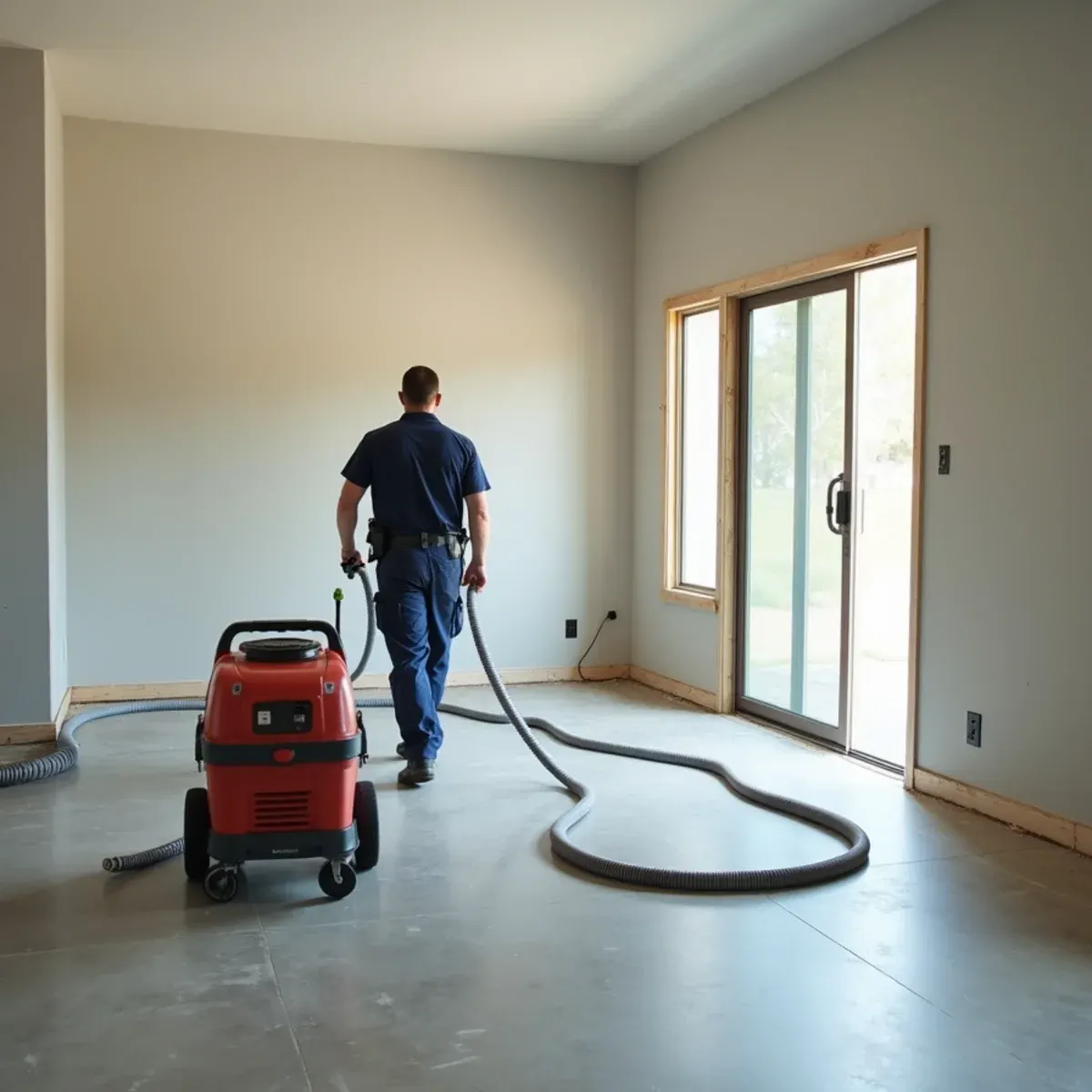
The narrow downtown lots have nowhere to park, so equipment stages on the street and hoses and cords run a long way to reach the back of the house. That affects how many machines can realistically run and where they sit. We plan the setup before the truck is unloaded, and we bring the extra hose length rather than shrinking the drying plan to fit the parking.
How the Work Runs
The method is the same one we use on every odor removal job, documented to the IICRC S500:2025 standard. Here it is in short — the full odor removal & deodorization process explains each stage in detail.
- Locate the residue
- Remove what holds it
- Clean the surfaces that stay
- Filter the air while we work
- Seal only what cannot be cleaned
- Treat the air, then verify
The Huntington Beach Background Worth Knowing
Salt does not damage buildings directly. It damages the details that keep water out, and then water does the rest.
There is more on the housing stock, drainage and plumbing history of this city on our water damage restoration in Huntington Beach page.
Huntington Beach at a glance
- Dominant construction era
- 1960–1990
- Foundation type
- slab on grade
- Supply piping found here
- under-slab copper
- Drain line materials
- cast iron, ABS
- Terrain and water table
- coastal-flat, shallow water table
- Most common local failure
- wind-driven rain entering through salt-corroded window flashing and failed exterior sealant
- Highest-value local prevention
- renewing exterior caulking and flashing on a far shorter cycle than inland guidance suggests
What It Costs in Huntington Beach
We do not quote a number over the phone before seeing the property — anyone who does is guessing. The variables that actually move the price on a odor removal job are how much material comes out, where the residue ended up, the type of odor involved, and they are broken down in full on the odor removal & deodorization page. The assessment and the written estimate are free anywhere in Huntington Beach, day or night, with no obligation.
Odor Removal Questions from Huntington Beach Homeowners
No, and it is a useful clue. Canal-front lower levels and garages sit close to tidal groundwater, so moisture in the slab and lower framing rises and falls with the tide, and any residue present produces more odor when it is damp. We take readings across a tide cycle rather than at one moment, check the affected materials for salt residue, and address the residue and the moisture path instead of just running a machine.
It may mask it for a few weeks. Rental units are usually undersized for a whole structure, and they treat air rather than the material producing the odor. They also should not run with anyone home, and long heavy cycles can degrade rubber seals, leather, and paint sheen. If the residue sits in a wall cavity or under the flooring, no amount of ozone reaches it.
Because residue was left somewhere. That is the answer nearly every time. The usual spots are attic insulation, the inside of flex duct, the wall cavity behind drywall that was replaced but never cleaned, the subfloor under new flooring, and the back of a cabinet run. Drying a structure to standard does not remove residue, so a job dried correctly can still smell if cleaning stopped at visible surfaces.
Ambient humidity near the coast stays high enough for long enough that materials dry slowly on their own, which widens the window in which growth can establish after any moisture event. Combined with salt-accelerated failures of exterior sealants and flashings, coastal homes simply get more moisture intrusion and dry from it more slowly.