Stop all water use in the entire house — every tap, the dishwasher, the washing machine, and above all stop flushing. Then get people and pets out of the affected rooms and leave the cleanup alone until it can be done with containment.
That last instruction is the one people ignore, and it is the one that matters most. Sewage is Category 3 water: it carries bacteria, viruses and parasites, and cleaning it with household products and a mop spreads it rather than removing it.
This is what to do in the first hour, what not to touch, and how to work out whether the blockage is yours or the city's.
The first ten minutes, in order
Water entering the drain system from anywhere in the house pushes more sewage out at the lowest fixture. That is why stopping water use comes before everything else.
- Stop all water use throughout the house — taps, showers, dishwasher, washing machine, and do not flush any toilet
- Get people and pets out of the affected area and keep them out
- If the water is near outlets, appliances or the panel, do not enter the room; shut power to that area from outside it if you can do so safely
- Open windows for ventilation if the weather allows, but do not run the HVAC — it will move contamination through the house
- Photograph everything from the doorway before anything is touched
- Call a restoration company and, if more than one fixture is backing up, a plumber
Why this is not a DIY cleanup
The instinct to deal with it immediately is strong and it is the wrong instinct here. Category 3 water is defined by what it carries, not by how it looks, and the risk is not limited to what you can see.
Household disinfectants do not solve it. Porous materials that have absorbed sewage — carpet, pad, drywall below the water line, particleboard cabinetry — cannot be restored by cleaning the surface, and wiping them spreads contamination to areas that were clean.
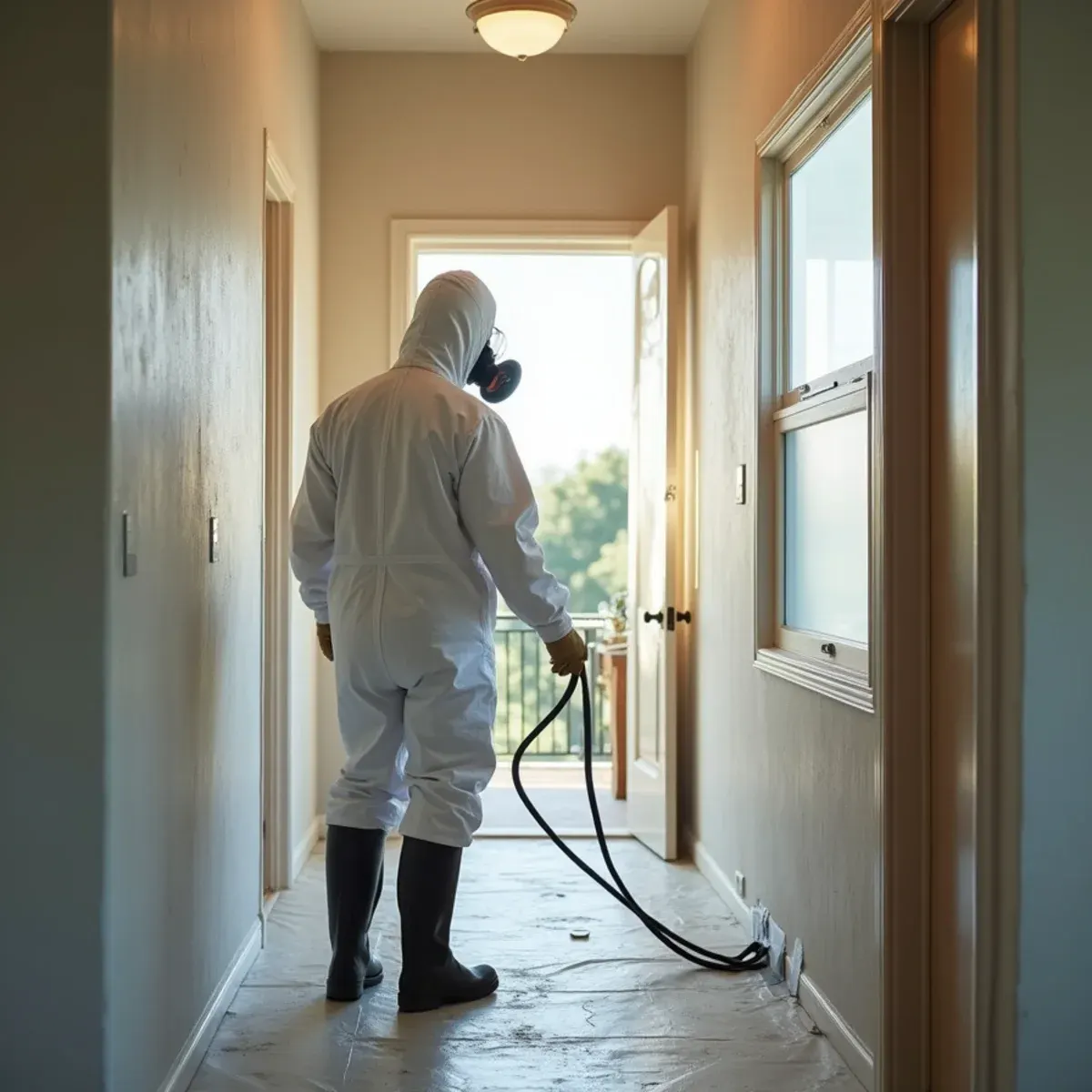
Proper handling means containment and negative air pressure so the affected area stays isolated, HEPA filtration, controlled removal and disposal of porous material, and disinfection of what remains. That is equipment and protective gear, not effort.
Whose responsibility is the blockage?
This determines who pays for the repair, and it is worth establishing early because it affects your claim.
As a general rule the homeowner owns the lateral — the pipe running from the house to the main — and the city owns the main itself. If a single fixture is backing up, the problem is usually local to that branch. If every low fixture in the house is affected at once, the blockage is further down, in the lateral or the main.
Report it to the city either way. If the main is at fault, that record is what supports a claim against them, and municipalities generally require prompt notice.
- One fixture affected — likely a local blockage on that branch
- Multiple low fixtures affected at once — likely the lateral or the main
- Backups during or just after heavy rain — often an overloaded main rather than your line
- Repeated backups in the same place — often roots in a cast-iron or clay lateral
What your insurance probably does and does not cover
Sewer and drain backup is commonly excluded from a standard homeowners policy and sold as a separate endorsement. Many homeowners discover this at exactly the wrong moment.
Check your declarations page for wording about water or sewer backup. If the endorsement is there, it typically has its own limit, often well below the dwelling limit. If it is not there, the cleanup is generally yours to fund even though the damage was not your fault.
Where the city's main is at fault, a claim against the municipality may be available, but those have strict notice deadlines. Report it the same day.
The local cause we see most
Across Cypress and the surrounding cities, the recurring culprit is the original cast-iron and clay sewer lateral. Much of this housing stock went up between the 1950s and 1970s, those laterals have never been replaced, and mature street trees have had sixty years to find the joints.
Roots enter at a joint, catch solids, and the restriction builds until something backs up — usually at the lowest fixture, usually at the worst possible time. A camera inspection of the lateral is the only way to know what condition yours is in, and on a house of that age it has typically never been done.
What We Find When We Arrive
From our crews in the field
The two most common mistakes are both well-intentioned. The first is that somebody has already mopped, which moves contamination into clean areas and destroys the evidence of how far it originally spread. The second is that somebody kept flushing to see whether it would clear, which pushes more sewage out at the low fixture.
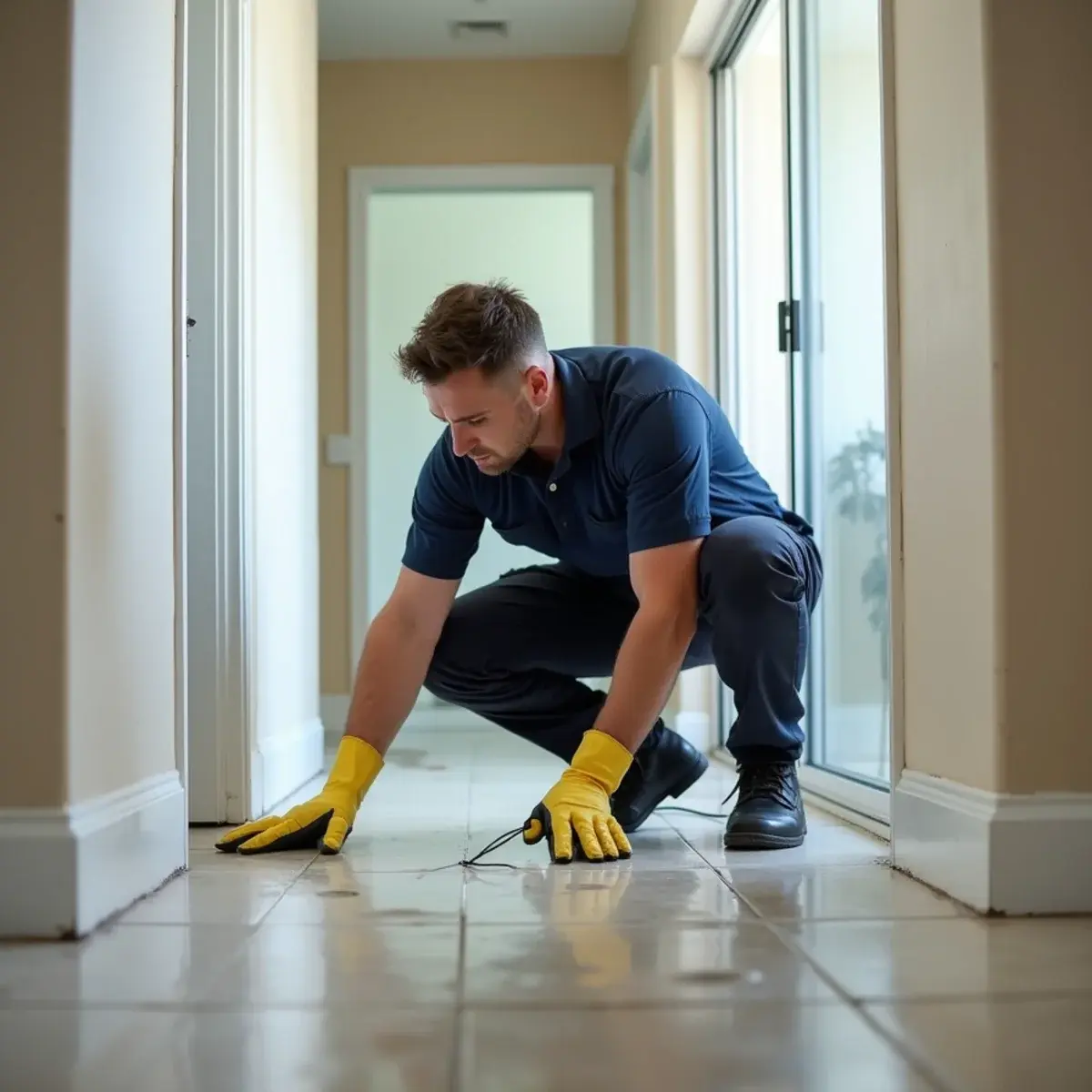
The thing people are most surprised by is how far it travelled. Sewage follows the same paths clean water does — under flooring, along joists, into the wall cavity behind the baseboard. The visible edge on the floor is almost never the actual edge of the loss, which is why the first thing we do is map it rather than start cleaning.
An honest note on scope: we will remove and dispose of affected porous material, decontaminate, dry and rebuild, but we do not clear the blockage itself. That is a plumber's job, and the two have to happen in the right order — clearing the line first, so the cleanup is not undone an hour later. We will coordinate it rather than leave you to project-manage two trades during a sewage backup.
- Stop all water use in the whole house before anything else — do not keep flushing
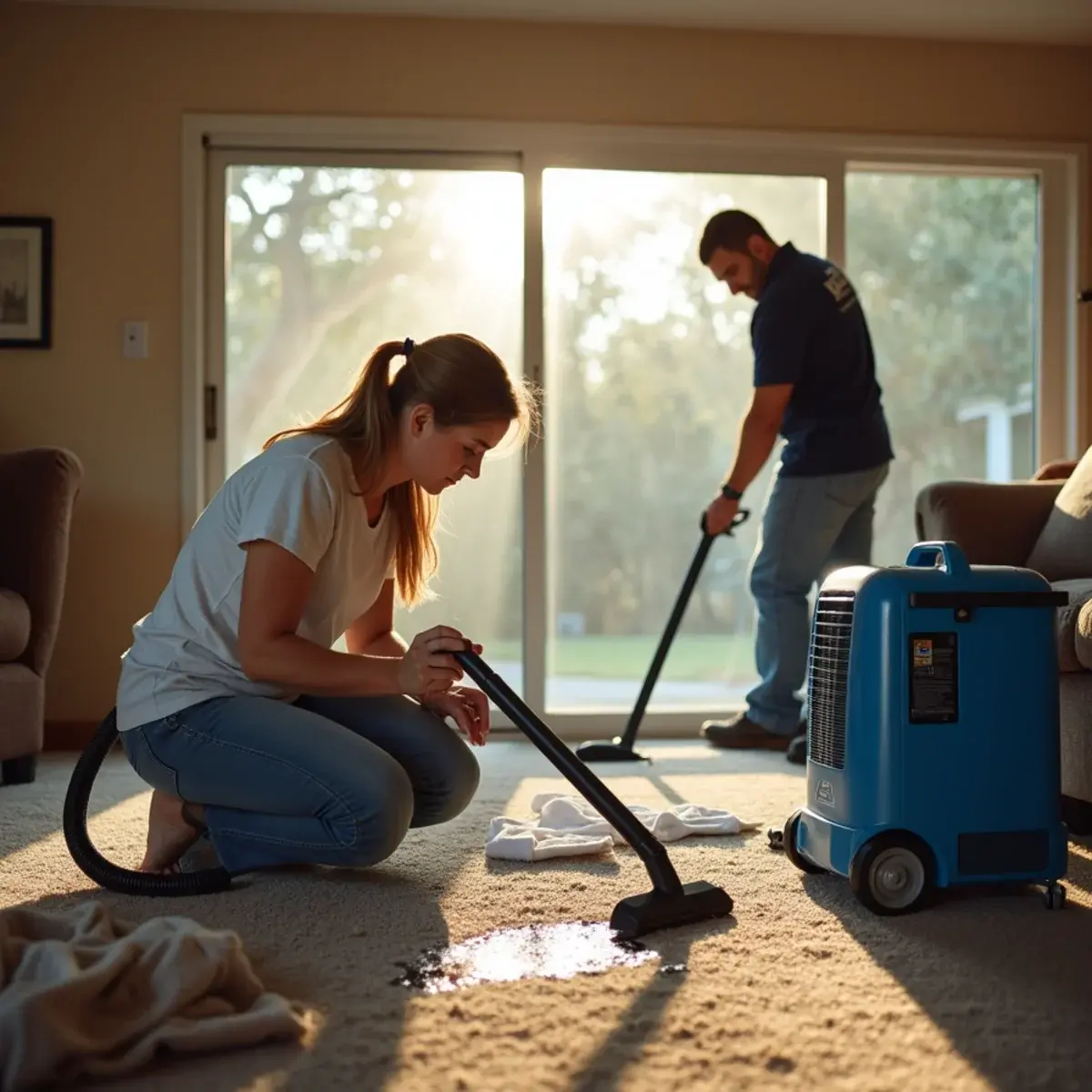
- Do not mop or wipe; it spreads contamination and destroys the record of how far it reached
- Report it to the city the same day if you suspect the main, as claim deadlines are short
- Check whether you actually carry the sewer backup endorsement before you need it
Services Mentioned in This Guide
- Sewage Backup Cleanup in Cypress, CA — Category 3 water handled the way it must be: contained, HEPA-filtered, disinfected, and documented.
- Biohazard & Trauma Scene Cleanup in Cypress, CA — Discreet, fully contained cleanup of blood, unattended death, and hoarding conditions, handled to OSHA standards with unmarked vehicles and verified results.
- Emergency Water Damage Restoration in Cypress, CA — A live person answers in three rings and a truck rolls in 30 minutes — any hour, any day, anywhere in Cypress.
- Water Damage Restoration in Cypress, CA — Predominantly single-story slab-on-grade tract homes built between 1960 and 1980, with a newer band of construction from the 1990s onward on the west side.
- Water Damage Restoration in Bellflower, CA — Compact postwar single-family houses on small lots, built fast between 1945 and 1960 on old dairy and orchard land, mixed with a large amount of newer multi-family, nearly all on slab.
Frequently Asked Questions
It is a genuine hazard. Sewage carries bacteria, viruses and parasites, and the exposure routes are contact, ingestion and aerosols disturbed during cleanup. The practical implication is not panic but distance: keep people and pets out of the area, do not disturb it, and let it be handled with proper protective equipment and containment rather than a mop and household bleach.
Almost never, and this is one of the few places we will not try. Carpet and pad that have absorbed Category 3 water are removed and disposed of under the standard — the contamination is in the material, not on it. Hard flooring, framing and most structural material can usually be cleaned, disinfected and dried in place. We will show you the line and explain what stays.
Often yes. Rain-driven backups frequently indicate an overloaded municipal main rather than a blockage in your lateral, which can shift responsibility and may open a claim against the city. It also tends to mean neighbours are affected at the same time. Report it promptly and note the weather conditions, because that detail supports the distinction later.
For a contained single-room backup caught quickly, typically a few days of drying after the removal and decontamination, then reconstruction. Larger losses, or ones that sat before anyone called, run longer because more porous material has to come out. We will give you a realistic timeline after the assessment rather than an optimistic one on the phone.
Stop the water, clear the room, leave the cleanup
Nearly everything that goes wrong in the first hour of a sewage backup comes from acting on the instinct to clean it up. Stopping water use everywhere in the house and keeping people out of the room does more good than any amount of immediate effort.
If sewage is backing up right now, call and describe what you are seeing — specifically, how many fixtures are affected. That one answer tells us whether you also need a plumber, and what goes on the truck before we leave.
Open 24 hours a day, 7 days a week — including holidays
On-site within 60 minutes of your confirmed emergency call anywhere in Cypress — or we credit $100 off your final invoice.