Every water loss gets classified into one of three categories under the IICRC S500 standard, and that classification drives essentially every decision that follows — what protective equipment the crew wears, whether the area needs containment, which materials can be dried and which have to be removed, and whether it is safe for you to be in the room.
It also drives cost. Category 3 work can run several times what an equivalent Category 1 loss costs, entirely because of the containment, disposal, and disinfection requirements.
Here is what each category means in practice, and the thing most people do not know: they escalate over time.
Category 1: Clean Water
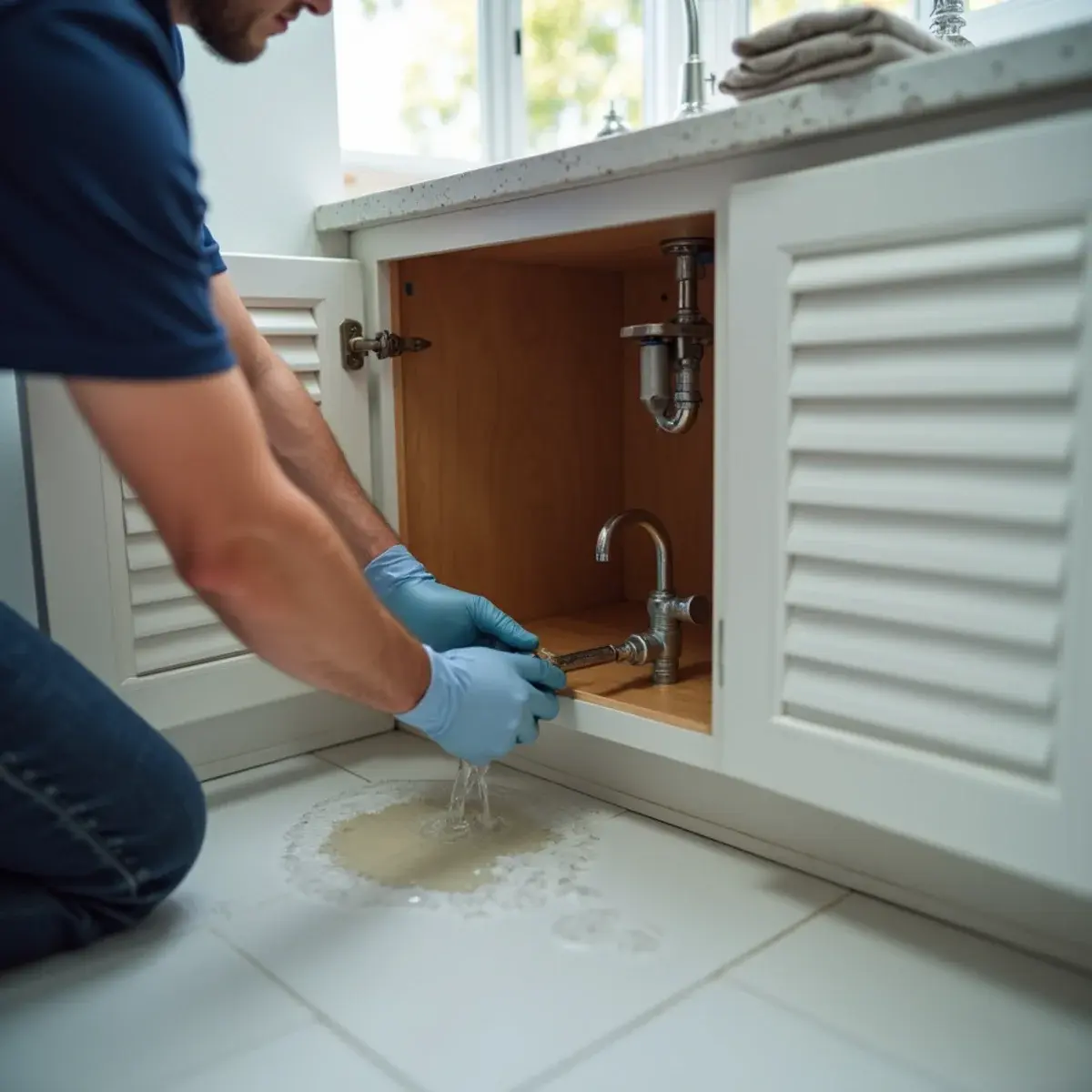
Category 1 is water from a sanitary source that poses no substantial health risk on contact.
Typical sources: a broken supply line, a supply connection at a fixture, an overflowing bathtub or sink with no added contaminants, a failed water heater tank, or rainwater entering through a roof without crossing contaminated material.
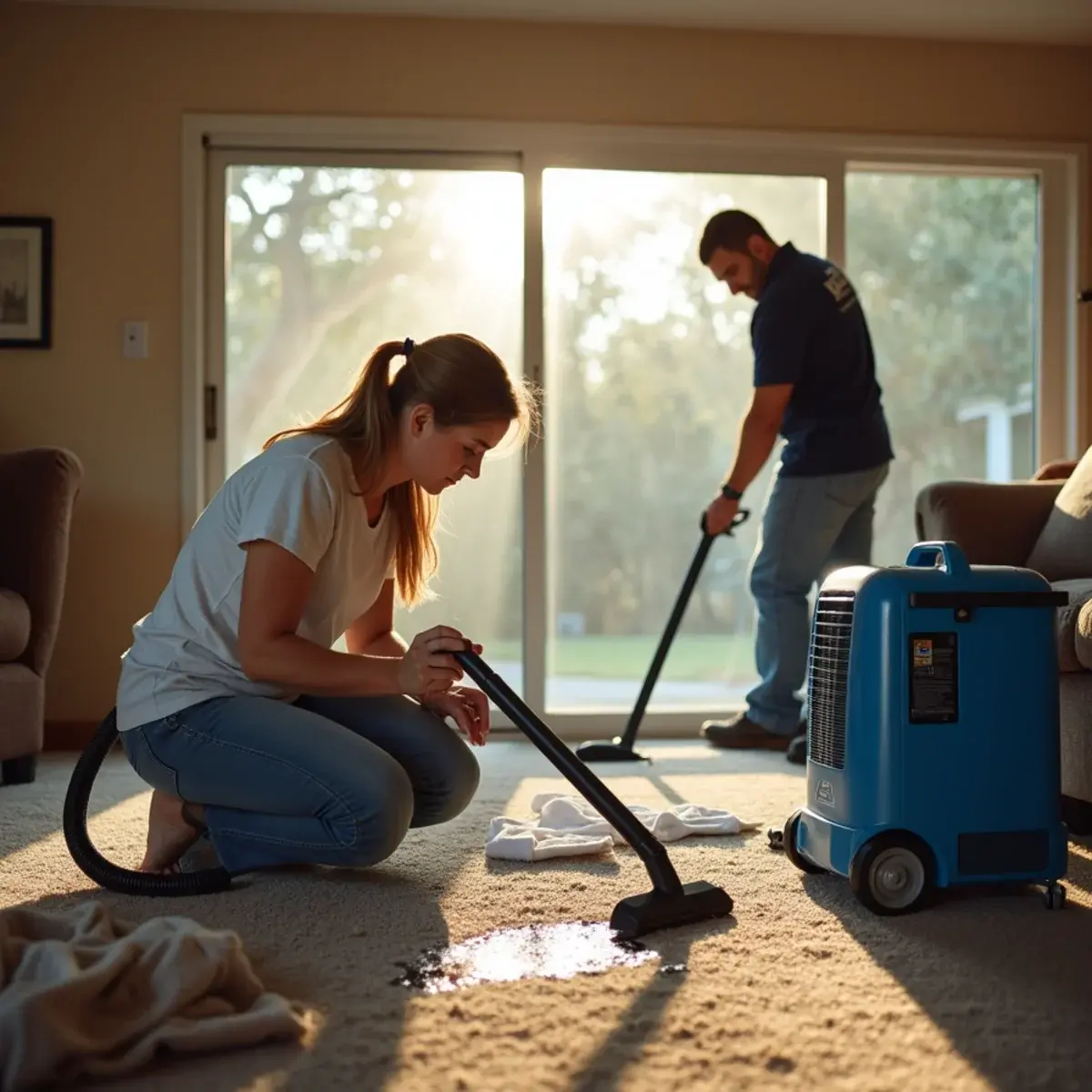
This is the best case. Most materials can be saved if drying starts quickly — carpet is often salvageable with only pad replacement, drywall can frequently be dried in place with cavity ventilation, and hardwood is a genuine candidate for mat drying rather than replacement.
- Health risk: low
- PPE: standard
- Containment: usually not required
- Carpet: often salvageable, pad usually replaced
- Drywall: usually dried in place
Category 2: Gray Water
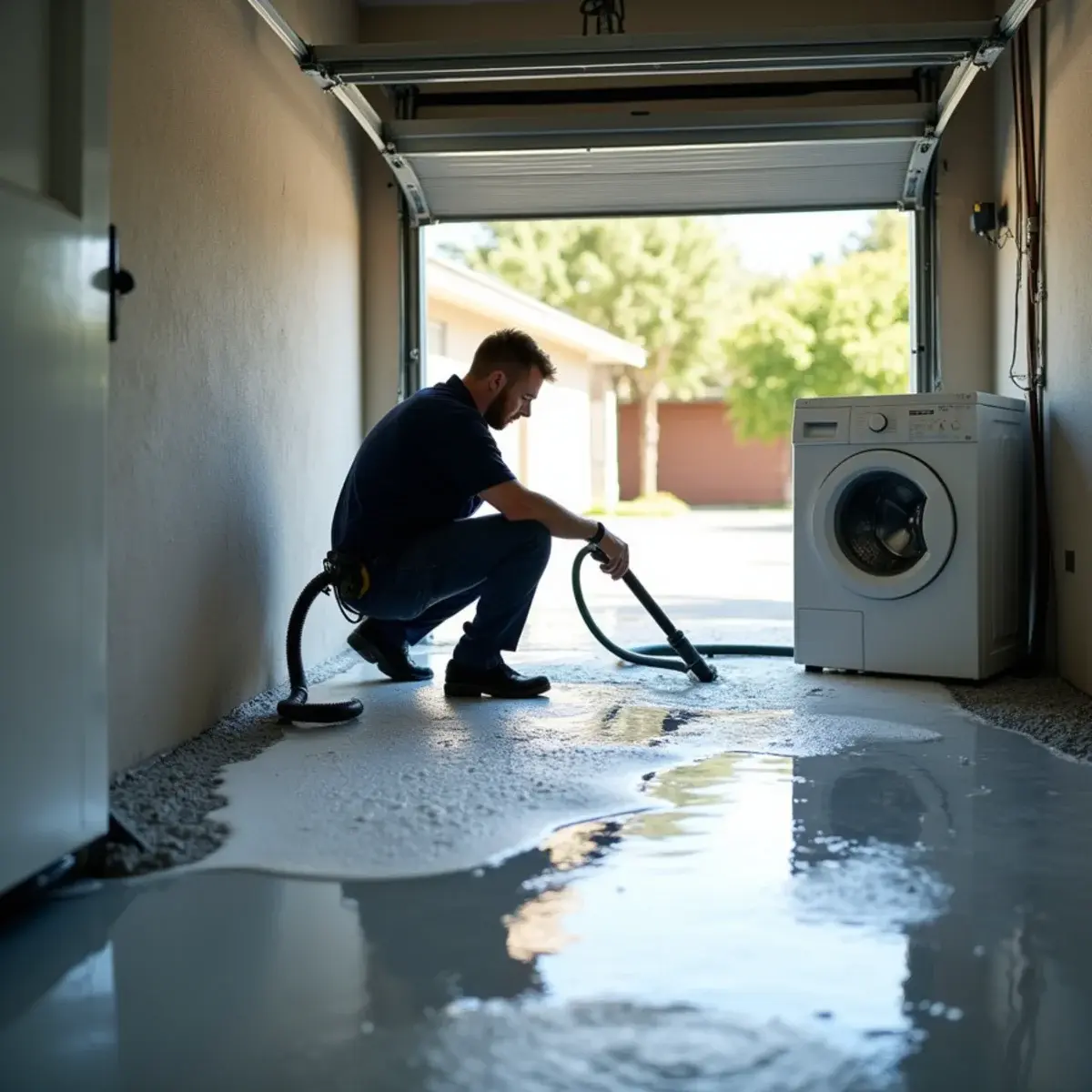
Category 2 is water containing significant contamination that has the potential to cause discomfort or illness on contact or ingestion.
Typical sources: washing machine or dishwasher discharge, a toilet overflow containing urine but no solid waste, a failed sump pump, or water from a waterbed or aquarium. It also includes any Category 1 water that has picked up contaminants by traveling across a dirty surface.
The handling changes meaningfully. Porous materials that absorbed gray water — carpet pad especially, and often carpet itself depending on how long it sat — generally come out rather than being dried. All remaining surfaces need cleaning and disinfection, not just drying.
- Health risk: moderate — can cause illness on contact or ingestion
- PPE: gloves and eye protection at minimum
- Containment: recommended
- Carpet pad: removed
- Carpet: usually removed if it sat more than a few hours
Category 3: Black Water
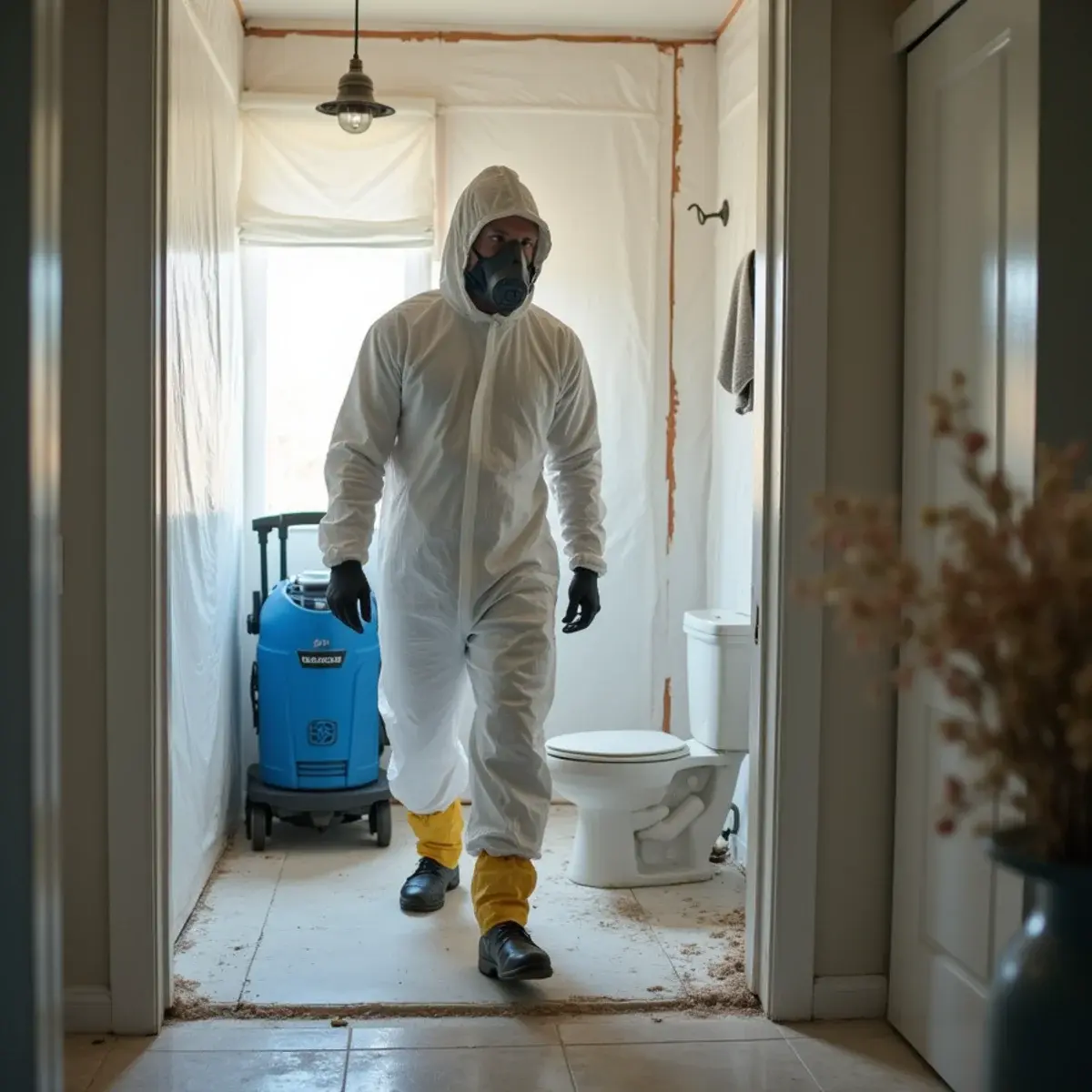
Category 3 is grossly contaminated water containing pathogenic, toxigenic, or otherwise harmful agents. This is a biohazard, not a cleaning problem.
Typical sources: any sewage backup, a toilet overflow containing solid waste, floodwater that crossed the ground, water from a river or channel, water containing agricultural or industrial runoff, and — importantly — any Category 1 or 2 water that has been standing long enough to support significant microbial growth.
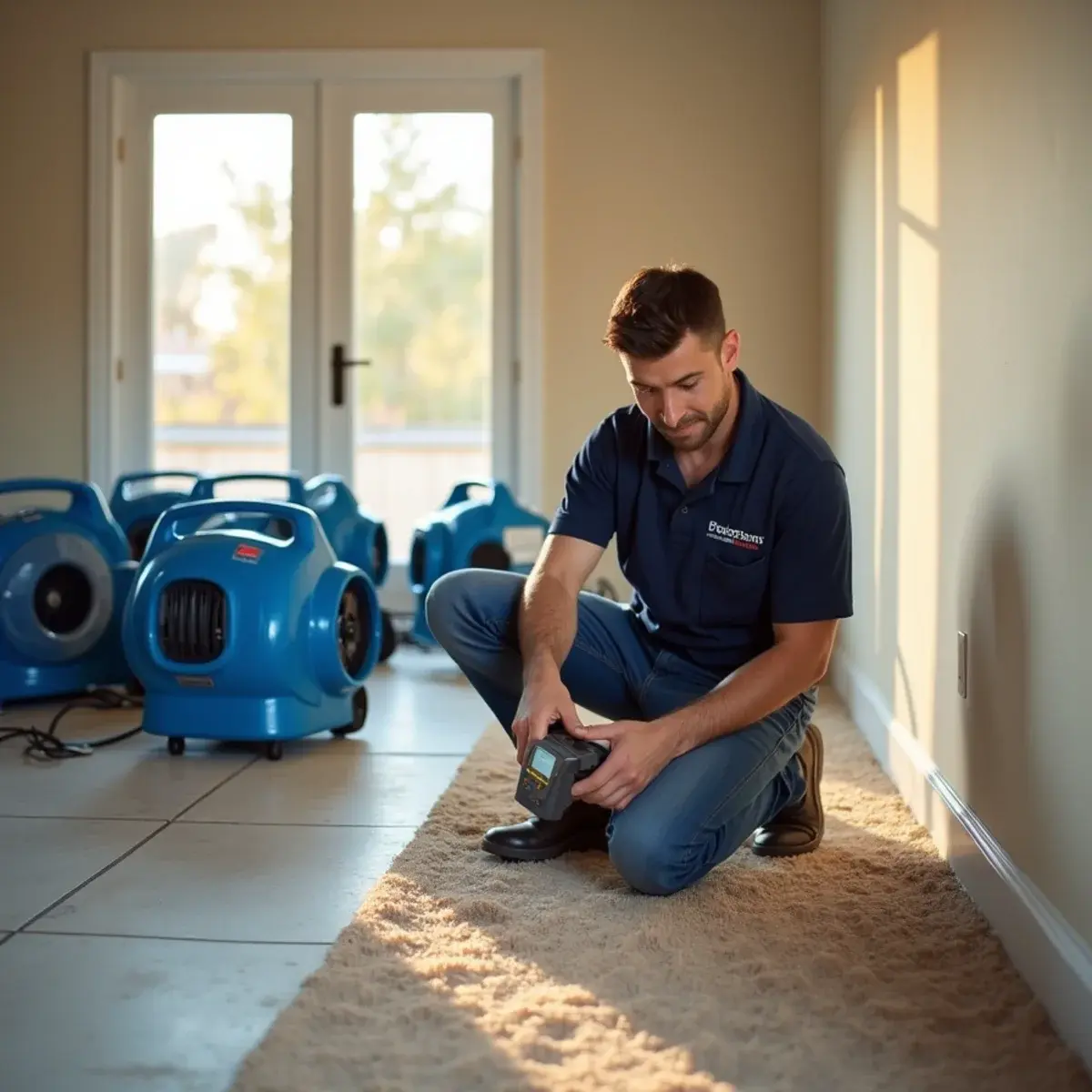
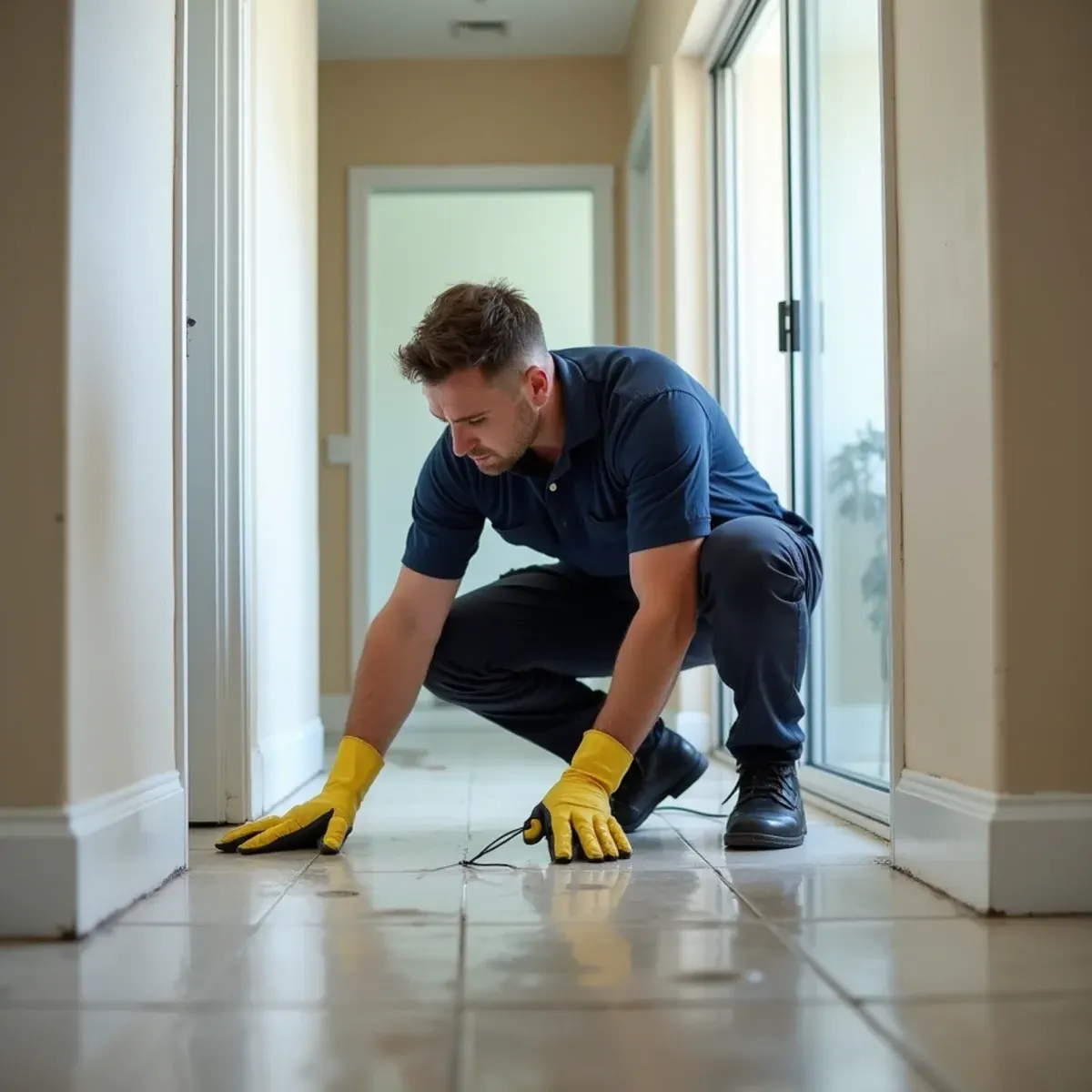
Handling is strict for good reason. Full PPE meeting OSHA standards, physical containment with HEPA-filtered negative air so aerosols cannot migrate, removal and disposal of essentially all porous materials contacted, cleaning of all remaining surfaces followed by EPA-registered antimicrobial treatment, and verification before the space is released.
- Health risk: high — contains pathogens causing serious illness
- PPE: full protective equipment required
- Containment: mandatory, with negative air
- Carpet, pad, and upholstery: removed and disposed of
- Drywall: removed to at least 12 inches above the wick line
- Insulation: removed and disposed of
The Part Most People Do Not Know: Categories Escalate
A category is not a permanent property of the water. It is a description of the water right now, and it gets worse over time.
Clean Category 1 water standing on a floor picks up contaminants from the carpet, the flooring adhesive, the dust in the room, and the air. Within roughly 48 hours it is functionally Category 2. Given warmth and more time, microbial amplification pushes it toward Category 3 — and in the mild indoor temperatures typical of Southern California, that clock runs steadily year-round.
This is the practical reason speed matters so much. A supply line break addressed in hour two is a straightforward Category 1 dry-out where almost everything is saved. The same break discovered on day three is a Category 2 or 3 loss with removal, disposal, disinfection, and a bill several times larger. Nothing about the water changed except how long it sat.
How to Tell Which One You Have
Start with the source, because that is the most reliable indicator. If you know the water came from a supply line, a water heater, or a clean fixture overflow, it started as Category 1. If it came from a washing machine, dishwasher, or a toilet with urine only, it is Category 2. If it came from a sewer line, a toilet with solid waste, or across the ground from outside, it is Category 3.
Then adjust for time. Anything that has been standing more than about 48 hours should be treated as at least one category worse than its source suggests.
Do not rely on appearance. Category 3 water is frequently clear. Floodwater that looks like rainwater carries everything it crossed on the way in, and sewage-contaminated water that has been diluted can look almost clean. Source and elapsed time are what matter.
Category Is a Moving Target, and That Surprises People
From our crews in the field
The category is not a permanent property of the water. It is an assessment of what that water is carrying right now. Clean water from a supply line sitting against drywall, dust and a warm floor picks up nutrients and organisms, and inside roughly 48 hours it is reasonably assessed as Category 2. The same loss, same source, different day, different answer.
This matters because it changes what can be saved. Carpet pad in a Category 1 loss caught quickly is often dried in place. The identical pad in the identical house, found three days later, comes out. Homeowners sometimes read that as an upsell. It is not — it is the same standard applied to a situation that changed while nobody was looking at it.
Where we push back on our own trade: not every job with a whiff of contamination needs full Category 3 containment. Scoping honestly means telling you when a toilet overflow was clean supply water on the bathroom side of the trap rather than treating every bathroom loss as sewage.
- Clean water degrades to Category 2 in roughly 48 hours against building materials
- Category decides what is salvageable more than volume does
- A toilet overflow can be Category 1, 2 or 3 depending on which side of the trap it came from
- Ask any contractor to explain in one sentence why they assigned the category they did
Services Mentioned in This Guide
- Sewage Backup Cleanup in Cypress, CA — Category 3 water handled the way it must be: contained, HEPA-filtered, disinfected, and documented.
- Emergency Water Damage Restoration in Cypress, CA — A live person answers in three rings and a truck rolls in 30 minutes — any hour, any day, anywhere in Cypress.
- Flood Damage Cleanup in Cypress, CA — Floodwater is contaminated water. We handle it with containment, disinfection, and full documentation for your claim.
- Water Damage Restoration in Cypress, CA — Predominantly single-story slab-on-grade tract homes built between 1960 and 1980, with a newer band of construction from the 1990s onward on the west side.
- Water Damage Restoration in Stanton, CA — A dense, compact city with a high proportion of apartments, older multi-family buildings, and mobile home communities alongside its single-family tracts.
Frequently Asked Questions
No. Bleach does not penetrate porous materials, does not reliably inactivate every pathogen present in sewage, and produces dangerous gas when it contacts the ammonia compounds present in it. Category 3 requires removal of porous materials and EPA-registered antimicrobials applied after cleaning, not disinfectant sprayed over contamination.
Functionally Category 2 at minimum, and possibly Category 3 depending on temperature and what it was sitting on. Category is a description of the water's current condition, not its origin, and it escalates steadily once water stops moving.
It affects the cost significantly, and coverage depends more on the source than the category. A sudden supply line failure is typically covered regardless of what the water became. A sewer backup usually requires a separate water backup endorsement, and ground-source flooding requires flood insurance. Documenting the source precisely is what determines which policy responds.
The Category Is a Clock, Not a Label
The most useful thing to take from this is that the category of your water loss is partly within your control. Not the source — that already happened. But how long it sits determines whether you are dealing with the version of this problem that dries out in four days or the version that requires demolition and disposal.
If you have standing water in your home right now anywhere in Cypress or the surrounding cities, the clock is running. Call us — the assessment is free and we answer 24 hours a day.
Open 24 hours a day, 7 days a week — including holidays
On-site within 60 minutes of your confirmed emergency call anywhere in Cypress — or we credit $100 off your final invoice.