
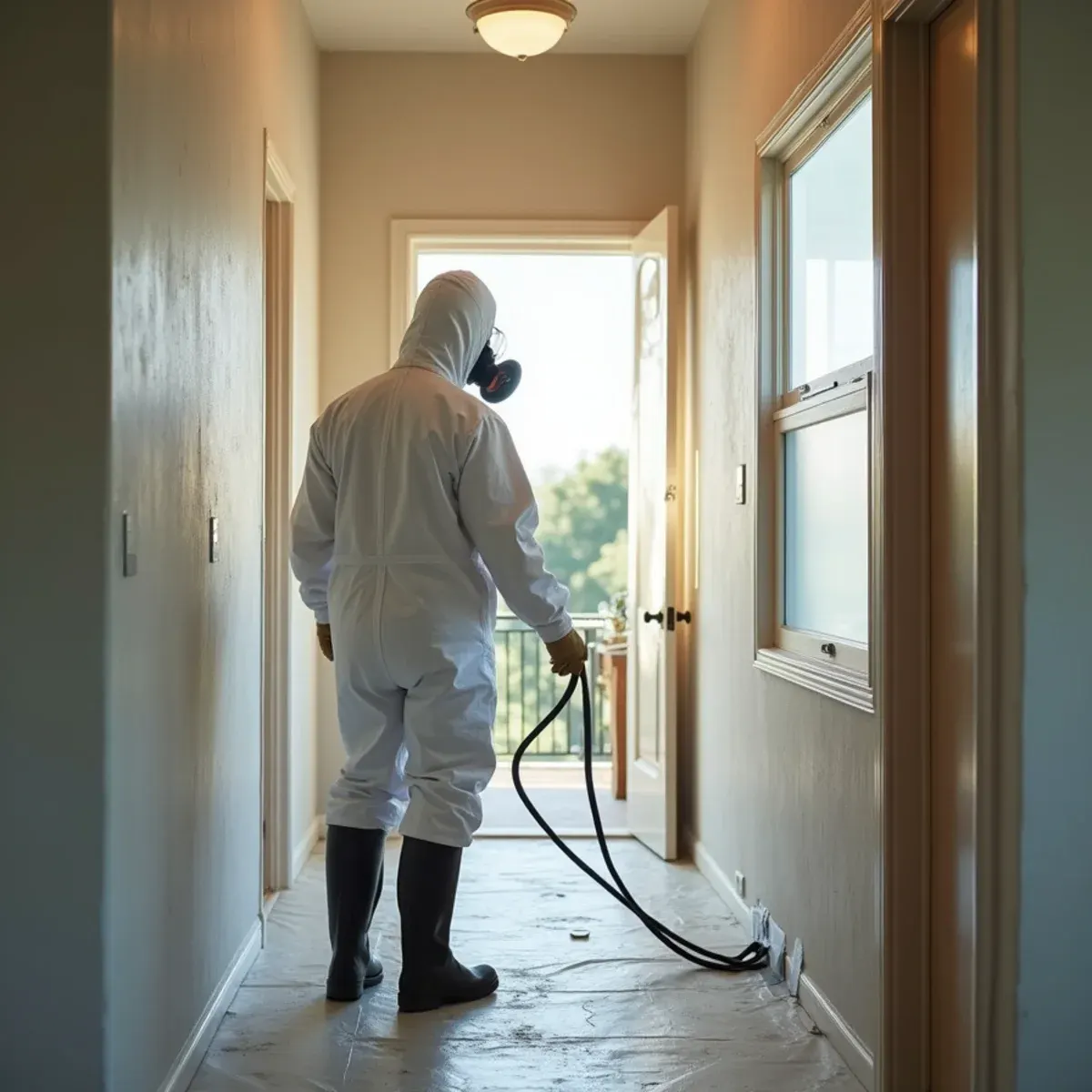
Brea started as an oil town and grew uphill, and a sewage backup here still reflects that. The small houses around downtown date to the 1920s and 1930s, when the Brea Olinda field was running hard and the housing went in fast and modest. Under those streets are clay and early cast iron laterals with mortared joints, ninety-odd years of root pressure on them, and no camera ever put down most of them. When one lets go, waste comes up at the lowest fixture in a small house with very little floor area to work in.
Ten minutes north, Olinda Ranch and the tracts toward Carbon Canyon are a different century. Bigger homes on engineered slopes, ABS drain lines, long private runs dropping downhill to the main. Nothing there is failing from age. What fails is capacity and grade — a lateral laid at a steep pitch can leave solids behind while liquid runs on ahead, and the blockage builds where the grade flattens out. Same city, same phone call, two jobs that share almost nothing but the containment we set.
What Brea Changes About Sewage Cleanup
1Small downtown houses, no spare room
A 1,100-square-foot house from the oil-town years has one bathroom, one hallway and no second floor. Sealing a Category 3 zone in it usually takes the whole living area out of service, and there's no wing to retreat to. We tell people that on the first walkthrough so they can make lodging decisions in daylight rather than at ten at night.
2Storm runoff and backups arrive together
Concentrated canyon storms load the drainage system on the Carbon Canyon side hard and fast, and that's when we get calls where it isn't obvious whether the water in the house came up through a fixture or in from outside. The distinction changes the category, the scope and the claim. We establish the source before we decide the cleaning standard.
3Repiped supply, original drainage below
Downtown-area homes have often been repiped in supply but never in drainage, which means shiny copper above and original clay below. Owners reasonably assume the plumbing was dealt with. It wasn't. Waste lines are the expensive half and the half that causes Category 3 losses, so we check what's actually in the ground rather than what's visible under the sink.
How the Work Runs
The method is the same one we use on every sewage cleanup job, documented to the IICRC S500:2025 standard. Here it is in short — the full sewage backup cleanup process explains each stage in detail.
- Secure the area and set containment
- Full PPE and safe extraction
- Remove contaminated porous materials
- Clean and disinfect all remaining surfaces
- Deodorize at the source
- Dry, verify, and clear
The Brea Background Worth Knowing
Brea's hillside tracts were designed to handle rain. Terrace drains catch runoff partway up a slope, v-ditches carry it around the toe, area drains take the flat yard, and everything ties into a system that moves water past the house rather than through it. The design works. What fails is maintenance. Over a dry summer those inlets fill with eucalyptus leaf litter, decomposed granite, and whatever the wind brought down the canyon, and nobody looks at them because they sit on a slope behind a fence. The first hard storm of the season finds every one that is blocked.
There is more on the housing stock, drainage and plumbing history of this city on our water damage restoration in Brea page.
Brea at a glance
- Dominant construction era
- 1920–2005
- Foundation type
- mixed on grade
- Supply piping found here
- galvanized steel, under-slab copper, PEX in newer hillside tracts
- Drain line materials
- cast iron, clay, ABS
- Terrain and water table
- hillside-mixed, deep water table
- Most common local failure
- canyon and hillside runoff overwhelming slope drainage during concentrated storms
- Highest-value local prevention
- keeping Carbon Canyon-side slope drains, v-ditches and downspout extensions genuinely clear
What It Costs in Brea
We do not quote a number over the phone before seeing the property — anyone who does is guessing. The variables that actually move the price on a sewage cleanup job are affected square footage, volume of porous material removed, contents in the affected area, and they are broken down in full on the sewage backup cleanup page. The assessment and the written estimate are free anywhere in Brea, day or night, with no obligation.
Sewage Cleanup Questions from Brea Homeowners
Yes, and we see it. Newer ABS doesn't corrode or grow roots through mortared joints the way clay does, so age isn't the driver up there. Grade and use are. Long laterals dropping down an engineered slope can leave solids stranded where the pitch flattens, and wipes marketed as flushable finish the job. The pipe is fine. What's in it isn't moving. A scope after cleanup usually shows exactly where it stalled.
It depends on the source. A toilet that overflows with clean bowl water because of a stuck fill valve is Category 1 or 2 and is far less serious. A toilet that backs up from the main line is carrying waste from the whole system, and that is Category 3 — it needs the full protocol.
No. Standard practice for Category 3 water is removal and disposal of carpet and pad that were contacted. Porous materials cannot be reliably disinfected all the way through, and the health risk of leaving them is not worth the savings.
Usually not under a standard homeowners policy. Water that runs across the ground and enters a building is surface water, and that is an excluded cause on nearly every form, whether it came off a Carbon Canyon slope or out of the street. Separate flood coverage handles it. Damage from a covered failure is a different story, so let us document the entry point and cause before anything gets cleaned up.