
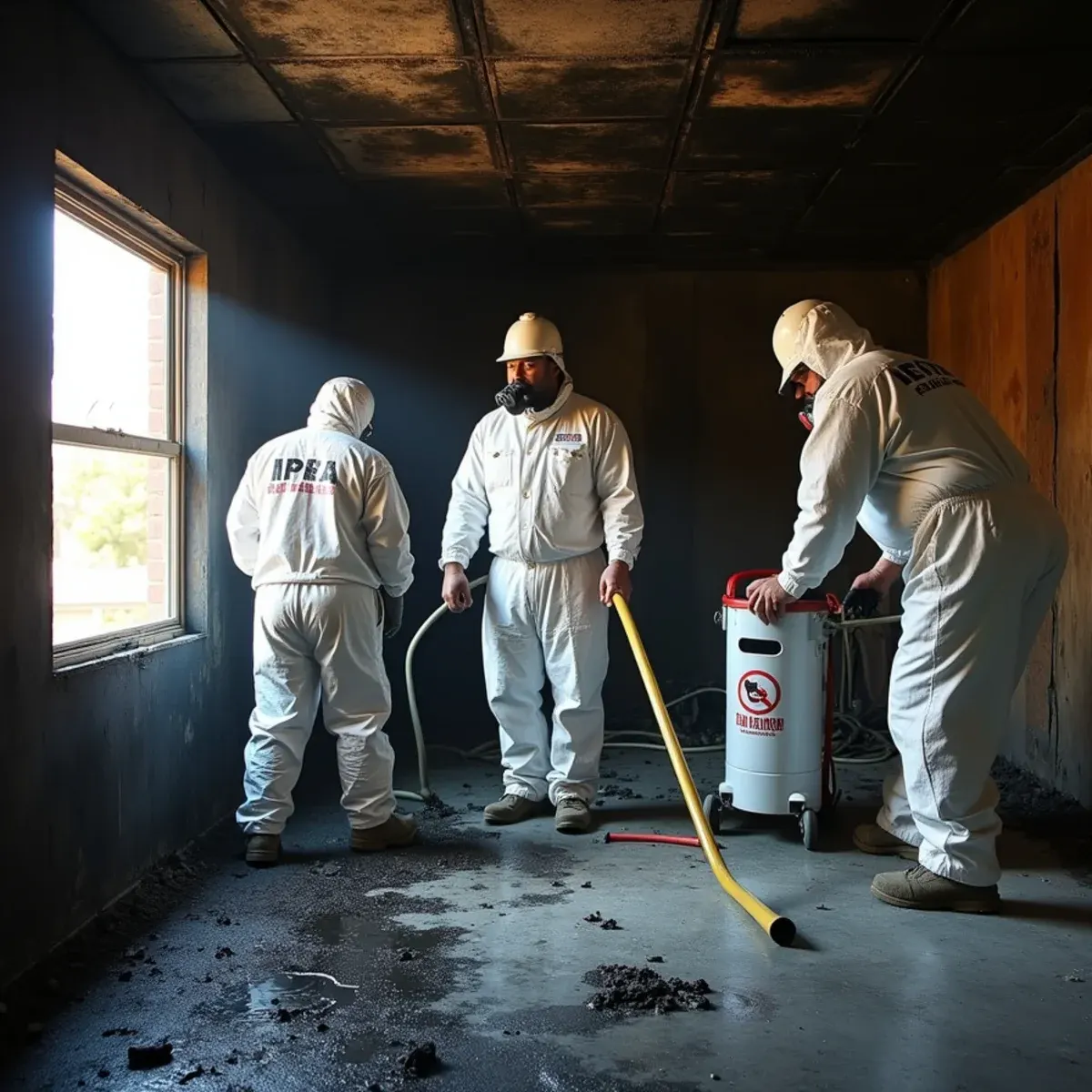
Knowing a fire is in Anaheim tells us almost nothing about how to handle it. The city spans a full century of construction. In the Colony Historic District, walls are lath and plaster over old-growth studs, smoke drives into the gaps behind the lath, and suppression water loads the plaster to several times what drywall would hold — the wet keys soften and the plaster starts letting go of the lath. That's a race against the clock, and it is a completely different first hour than a West Anaheim tract house with drywall.
Up in Anaheim Hills, homes are two and three levels on engineered slopes, and fire behaves vertically — heat and smoke run up the stairwell and load the top floor and attic hardest, while suppression water works its way down through three floor assemblies before it exits at the garage. Down by the Resort District, the work is hotels, restaurants and convention-adjacent commercial, where every hour closed costs money and the fire authority, the owner and the carrier all want different things documented. We plan for whichever Anaheim you're in.
What Anaheim Changes About Fire & Smoke Damage
1Colony plaster is a same-day problem
Wet lath and plaster holds several times the water drywall does and gives it up far more slowly, and the keys gripping the lath soften while it stays wet. Sections start releasing under their own weight within days. On a Colony District loss we get desiccant dehumidification running the same day, because plaster dried fast is plaster you get to keep.
2Hillside homes burn up and drain down
In Anaheim Hills, two- and three-level homes take the worst smoke loading at the top floor and in the attic, while suppression water works down through every floor assembly beneath it and often exits at the garage. Both ends need attention on day one. The middle level is where damage gets missed, because it looks fine from either direction.
3Resort District commercial runs on a clock
Hotels, restaurants and convention-adjacent businesses near Disneyland lose money by the hour, and the fire authority, the owner and the carrier all want different things recorded before anything gets cleaned. We sequence for reopening where the loss allows it, document to each party's requirements, and say so honestly when a phase can't be compressed.
How the Work Runs
The method is the same one we use on every fire & smoke damage job, documented to the IICRC S500:2025 standard. Here it is in short — the full fire & smoke damage restoration process explains each stage in detail.
- Secure the structure
- Water extraction and drying first
- Assess residue type room by room
- Remove non-salvageable material and clean the rest
- Deodorize at the source
- Contents restoration and rebuild
The Anaheim Background Worth Knowing
The Anaheim Colony Historic District and the older streets around downtown contain homes built from the early 1900s through the 1930s, and they are constructed differently in ways that matter enormously during a water loss.
There is more on the housing stock, drainage and plumbing history of this city on our water damage restoration in Anaheim page.
Anaheim at a glance
- Dominant construction era
- 1900–2000
- Foundation type
- mixed on grade
- Supply piping found here
- galvanized steel, under-slab copper, original early-century piping in the Colony
- Drain line materials
- cast iron, clay
- Terrain and water table
- hillside-mixed, moderate water table
- Most common local failure
- lath-and-plaster assemblies that hold several times the water drywall does and release it far more slowly
- Highest-value local prevention
- acting immediately on any plaster-wall loss, because wet plaster keys soften and release from the lath
What It Costs in Anaheim
We do not quote a number over the phone before seeing the property — anyone who does is guessing. The variables that actually move the price on a fire & smoke damage job are extent of structural burn, how far the smoke traveled, residue type, and they are broken down in full on the fire & smoke damage restoration page. The assessment and the written estimate are free anywhere in Anaheim, day or night, with no obligation.
Fire & Smoke Damage Questions from Anaheim Homeowners
Often yes, and it's worth fighting for, because preservation review applies here and modern replacements rarely satisfy it. The deciding factor is speed. Wet plaster stays heavy for a long time, and the keys gripping the lath soften while it's wet — once they release, that wall is gone. We get desiccant dehumidification running the same day and dry hard. Original windows and old-growth trim usually clean up better than they look under soot.
Fire suppression uses enormous volumes of water in a short time — often thousands of gallons. That water saturates ceilings, insulation, walls, and floors well beyond the burned area, and it has to be extracted and dried like any other water loss, on top of the fire work.
Yes, when the residue is removed completely — including inside wall cavities, ductwork, attic insulation, and behind cabinetry. Odor that returns later always means residue was left somewhere. Masking agents and ozone alone do not solve it.
Yes, and we approach them differently. Lath and plaster holds much more water than drywall and dries far more slowly, so it needs more equipment and considerably more patience — but it can usually be saved in place, and original plaster is not something a repair can replace.