
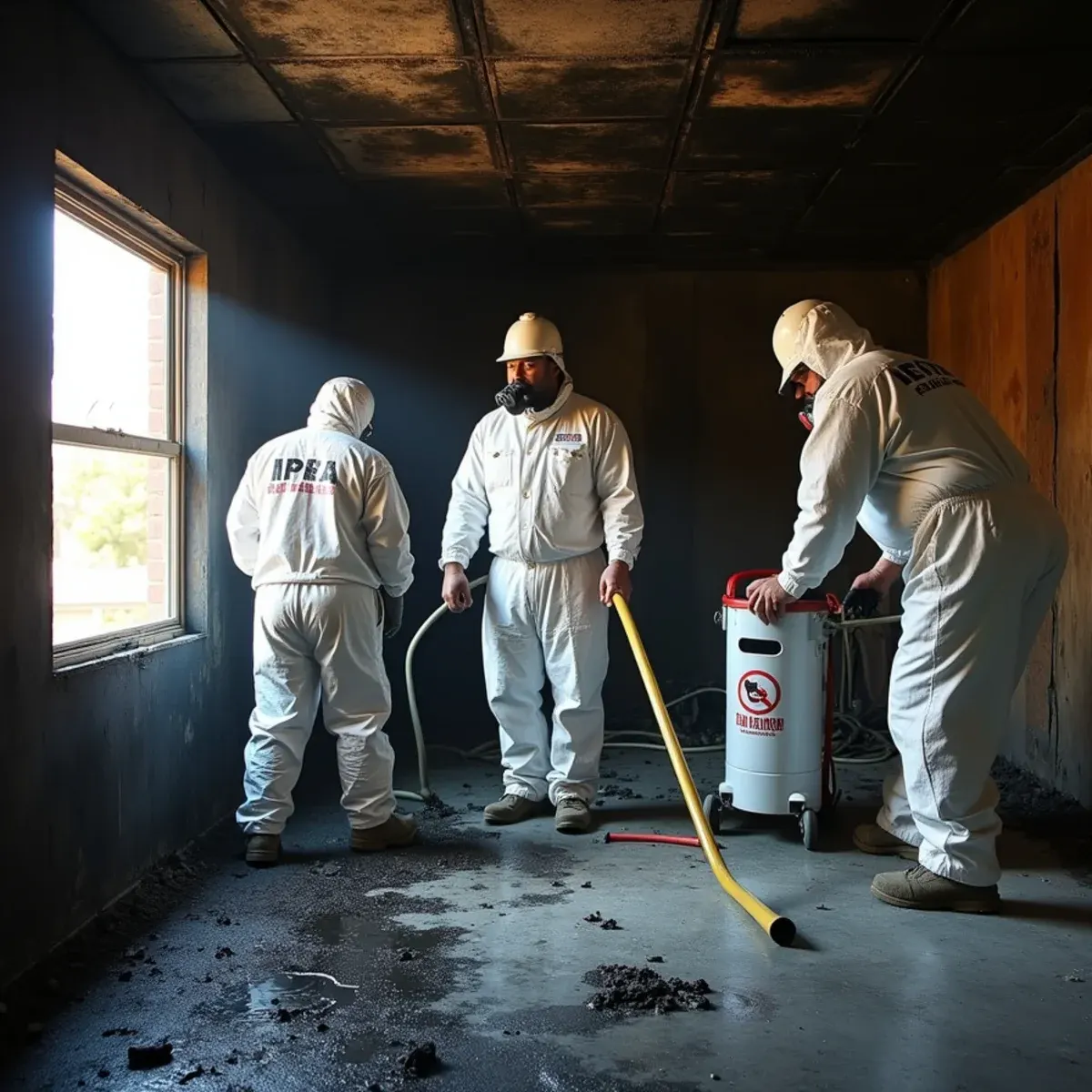
Downtown Brea and the hillside tracts toward Carbon Canyon are two different jobs sharing one city name. The small houses around the old oil-town core date to the 1920s, with wood siding, tight lot lines, original wall cavities and neighbors close enough that a fire in one house is a heat exposure for two more. Up in Olinda Ranch, Blackstone and along the Carbon Canyon edge, you get 1990s and 2000s stucco and tile construction on engineered pads, where the threat comes from outside and moves fast on a wind day.
Canyon access shapes what we can honestly promise. Carbon Canyon Road is the way in and out of much of that hillside, and during an active incident it may be closed or held one-way. We dispatch as fast as conditions allow and we will tell you when we are waiting on access instead of pretending we are around the corner. The upside of newer hillside construction is non-combustible roofing and a sealed attic. The downside is that a tight house holds odor once smoke does find a way in.
What Brea Changes About Fire & Smoke Damage
1Ash and retardant on hillside exteriors
Homes near the canyon often come through a fire coated rather than burned. Fire retardant and ash sit on stucco, tile, window glass and hardscape, and both get harder to remove the longer they bake in the sun. Exterior cleaning is not cosmetic here, since residue tracks indoors on shoes and gets pulled through the HVAC intake for weeks afterward if it is left in place.
2Downtown houses sit close together
The 1920s stock near downtown was platted on narrow lots, so heat from a neighbor's fire warps siding, blisters paint, scorches eaves and cracks glazing without a single flame touching your building. That is your loss and your claim. We photograph and document exposure damage separately, including smoke pulled into the attic through gable and soffit vents on the exposed side.
3Restaurant smoke in shared retail space
The retail and restaurant concentration around Brea Mall and downtown produces a specific problem: a kitchen fire in one tenant space vents greasy protein residue into a shared HVAC system and into neighboring suites. Those neighbors usually have no visible damage and a serious odor complaint. Cleaning has to include the shared mechanical equipment or the smell simply cycles back through every morning.
How the Work Runs
The method is the same one we use on every fire & smoke damage job, documented to the IICRC S500:2025 standard. Here it is in short — the full fire & smoke damage restoration process explains each stage in detail.
- Secure the structure
- Water extraction and drying first
- Assess residue type room by room
- Remove non-salvageable material and clean the rest
- Deodorize at the source
- Contents restoration and rebuild
The Brea Background Worth Knowing
Brea's hillside tracts were designed to handle rain. Terrace drains catch runoff partway up a slope, v-ditches carry it around the toe, area drains take the flat yard, and everything ties into a system that moves water past the house rather than through it. The design works. What fails is maintenance. Over a dry summer those inlets fill with eucalyptus leaf litter, decomposed granite, and whatever the wind brought down the canyon, and nobody looks at them because they sit on a slope behind a fence. The first hard storm of the season finds every one that is blocked.
There is more on the housing stock, drainage and plumbing history of this city on our water damage restoration in Brea page.
Brea at a glance
- Dominant construction era
- 1920–2005
- Foundation type
- mixed on grade
- Supply piping found here
- galvanized steel, under-slab copper, PEX in newer hillside tracts
- Drain line materials
- cast iron, clay, ABS
- Terrain and water table
- hillside-mixed, deep water table
- Most common local failure
- canyon and hillside runoff overwhelming slope drainage during concentrated storms
- Highest-value local prevention
- keeping Carbon Canyon-side slope drains, v-ditches and downspout extensions genuinely clear
What It Costs in Brea
We do not quote a number over the phone before seeing the property — anyone who does is guessing. The variables that actually move the price on a fire & smoke damage job are extent of structural burn, how far the smoke traveled, residue type, and they are broken down in full on the fire & smoke damage restoration page. The assessment and the written estimate are free anywhere in Brea, day or night, with no obligation.
Fire & Smoke Damage Questions from Brea Homeowners
With the mechanical system and the building envelope, not the furniture. On hillside homes the ash usually arrives through attic vents and the HVAC outside air intake, so we check filters, plenums, duct runs and attic insulation first. Then we work on soft contents, which hold odor longer than hard surfaces. We also wash the exterior, because ash left on stucco and hardscape keeps coming back inside every time someone opens a door.
Fire suppression uses enormous volumes of water in a short time — often thousands of gallons. That water saturates ceilings, insulation, walls, and floors well beyond the burned area, and it has to be extracted and dried like any other water loss, on top of the fire work.
Yes, when the residue is removed completely — including inside wall cavities, ductwork, attic insulation, and behind cabinetry. Odor that returns later always means residue was left somewhere. Masking agents and ozone alone do not solve it.
Usually not under a standard homeowners policy. Water that runs across the ground and enters a building is surface water, and that is an excluded cause on nearly every form, whether it came off a Carbon Canyon slope or out of the street. Separate flood coverage handles it. Damage from a covered failure is a different story, so let us document the entry point and cause before anything gets cleaned up.