
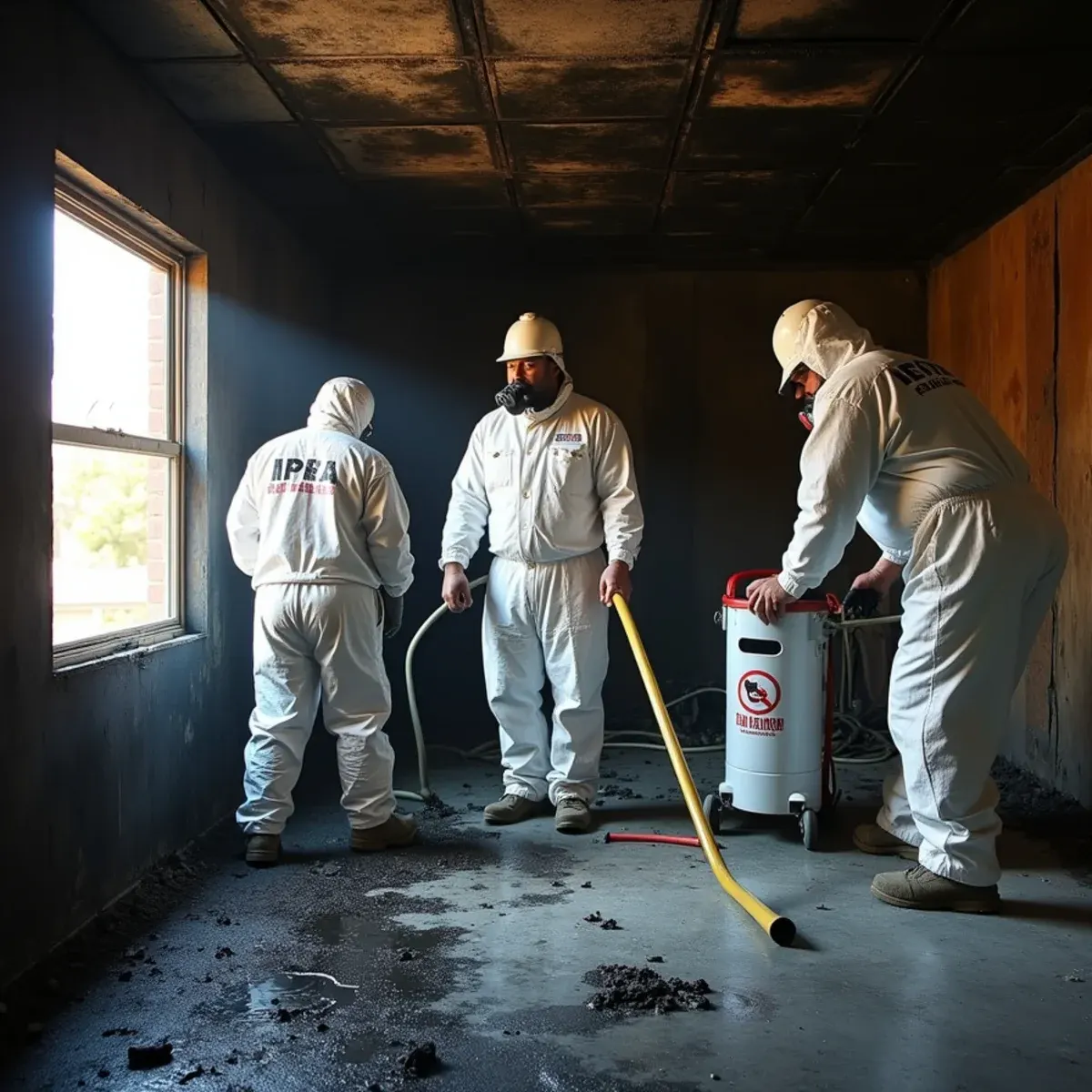
Protein residue is the hardest kind of smoke damage to explain to a homeowner, because you often can't see it. A stove fire or a scorched pot doesn't leave black soot — it leaves a thin, greasy, almost invisible film on every surface in the house, along with an odor that gets stronger on warm days. Garden Grove gets more of these than anywhere else we serve. Kitchens here run hard: many homes hold two or three generations, or two families, and the stove may be going from morning until late at night.
The houses themselves are 1950s and 60s slab tracts, built for a much smaller household than the one living there now. That means more people to relocate, more contents in the same square footage, and a real cost to being out of the house — so we work in stages and get the sleeping rooms back first where the loss allows it. Many of the households we work with here are Vietnamese or Korean-speaking, and we'll slow down, put things in writing and make sure someone in the family follows the insurance side, because a fire claim is confusing enough in your first language.
What Garden Grove Changes About Fire & Smoke Damage
1Protein residue needs chemistry, not sponges
The film from a cooking fire is nearly invisible and it does not come off with the dry sponges used on dry soot — those just smear it. It takes alkaline degreasers, agitation and rinsing, surface by surface, including the tops of cabinets and the door casings nobody looks at. Miss those and the odor stays no matter how much the house gets aired out.
2Full households, more contents, harder displacement
A 1955 tract house holding two or three generations has far more contents in it than the plan ever anticipated, and far more people to relocate. That changes the job. We work in stages where the loss allows, get sleeping rooms cleaned and cleared first, and pack out in a way that keeps each household's belongings separately identified and returned to the right people.
3Old range hoods and grease-loaded ducts
Many kitchens in these houses still run short or recirculating hood vents installed decades ago, already carrying years of cooking grease. A stove fire loads them further and turns them into an odor reservoir that releases every time the kitchen warms up. The hood, the duct run and the stretch of attic it passes through all have to be cleaned, not just the room.
How the Work Runs
The method is the same one we use on every fire & smoke damage job, documented to the IICRC S500:2025 standard. Here it is in short — the full fire & smoke damage restoration process explains each stage in detail.
- Secure the structure
- Water extraction and drying first
- Assess residue type room by room
- Remove non-salvageable material and clean the rest
- Deodorize at the source
- Contents restoration and rebuild
The Garden Grove Background Worth Knowing
A 1958 tract home was plumbed for a family of four with one bathroom in regular use, one washing machine, and a single water heater sized to match. Many Garden Grove homes today support considerably more than that, and the plumbing feels it.
There is more on the housing stock, drainage and plumbing history of this city on our water damage restoration in Garden Grove page.
Garden Grove at a glance
- Dominant construction era
- 1950–1970
- Foundation type
- slab on grade
- Supply piping found here
- galvanized steel, under-slab copper
- Drain line materials
- cast iron, clay
- Terrain and water table
- flat, moderate water table
- Most common local failure
- accelerated wear on angle stops, supply risers and washing machine hoses from far higher fixture cycle counts
- Highest-value local prevention
- shorter replacement intervals on every wear item — hoses at five years without exception
What It Costs in Garden Grove
We do not quote a number over the phone before seeing the property — anyone who does is guessing. The variables that actually move the price on a fire & smoke damage job are extent of structural burn, how far the smoke traveled, residue type, and they are broken down in full on the fire & smoke damage restoration page. The assessment and the written estimate are free anywhere in Garden Grove, day or night, with no obligation.
Fire & Smoke Damage Questions from Garden Grove Homeowners
That's protein residue. Burned cooking oil and food leave a thin, greasy, nearly invisible film that spreads through the whole house and clings to walls, cabinet tops, door casings and ceilings. You can't see it, so nobody cleans it, and it keeps releasing odor — worse on warm days. It doesn't respond to dry sponges or air fresheners. It comes off with alkaline degreasers, surface by surface, along with the hood and duct run that carried it.
Fire suppression uses enormous volumes of water in a short time — often thousands of gallons. That water saturates ceilings, insulation, walls, and floors well beyond the burned area, and it has to be extracted and dried like any other water loss, on top of the fire work.
Yes, when the residue is removed completely — including inside wall cavities, ductwork, attic insulation, and behind cabinetry. Odor that returns later always means residue was left somewhere. Masking agents and ozone alone do not solve it.
Yes, all five ZIP codes — 92840, 92841, 92843, 92844, and 92845 — for both residential and commercial properties. Response time runs about twenty-five to thirty-five minutes depending on where in the city.