
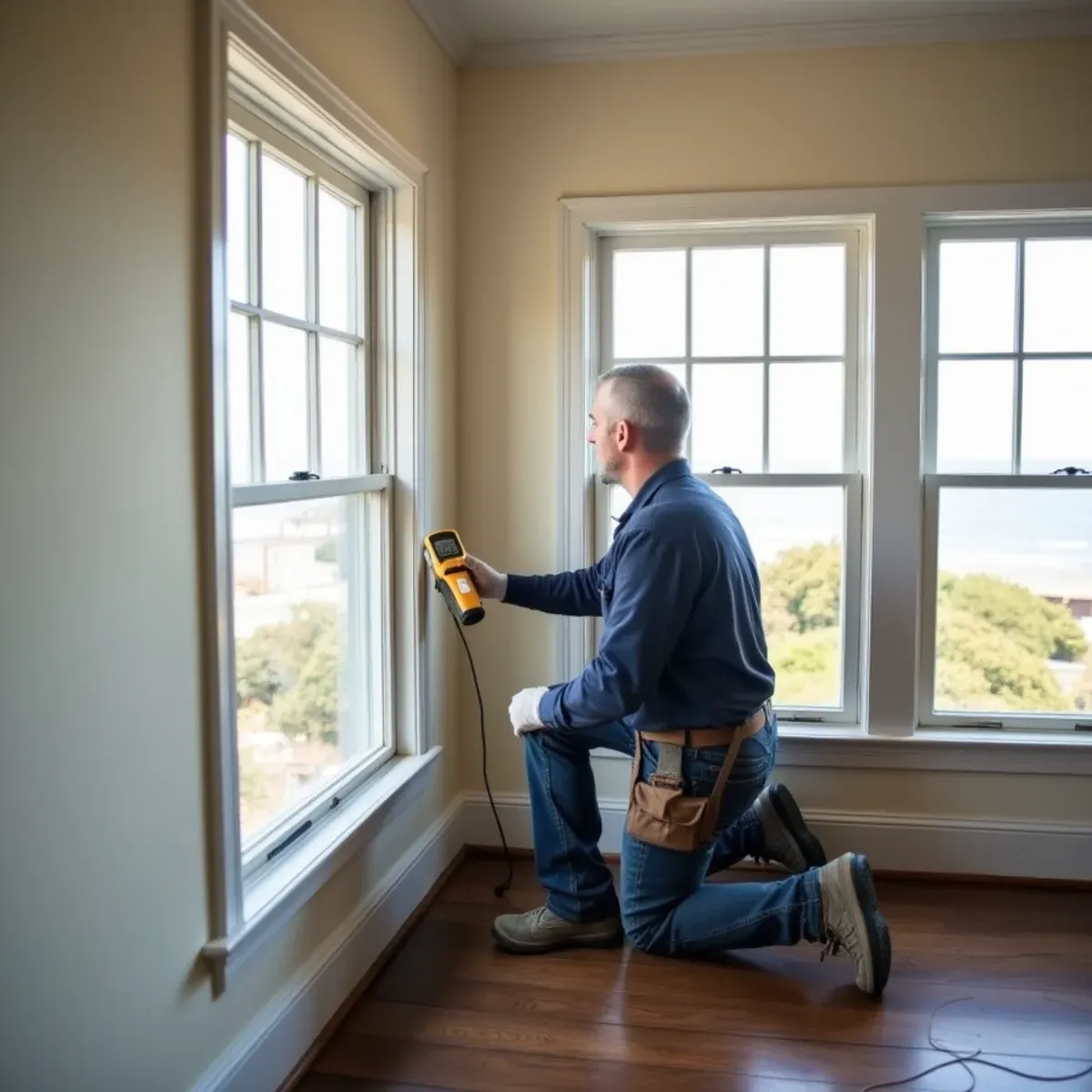
Long Beach covers more construction history than anywhere else in our service area. Bluff Park and California Heights have 1920s Craftsman and Spanish Revival homes with lath and plaster. Naples Island has canal-front properties with their own water-table considerations. Belmont Shore is dense and coastal. East Long Beach around El Dorado Park and Los Altos is postwar tract housing that behaves much like Cypress.
We focus most heavily on East Long Beach, which is closest to us and shares both a construction era and a watershed with our home city. The 1950s tracts around El Dorado Park and Los Altos have the same aging galvanized and under-slab copper we deal with daily in Cypress and Lakewood.
That said, we work the whole city, and the approach genuinely changes by neighborhood. A 1926 Bluff Park plaster wall and a 1955 Los Altos drywall wall are different restoration problems requiring different equipment and different timelines, and treating them the same is how homes get damaged during the repair.

East Long Beach: Familiar Ground
The postwar tracts around El Dorado Park, Los Altos, and the neighborhoods near the Cypress border were built in the same era and largely the same way as the housing in our home city. Single-story slab construction, plumbing routed under the concrete, and a fifty-to-seventy-year age on the supply lines.
That means the same failure pattern: pinhole leaks in under-slab copper, galvanized lines reaching end of life, and cast-iron sewer laterals with root intrusion under mature street trees. Slab leaks in particular are common here and, as everywhere, chronically under-diagnosed — homeowners call about a musty smell or a warm spot on the tile rather than about water.
The area is also low and flat with proximity to the San Gabriel River channel, so storm drainage behaves similarly to Cypress. Garage-door intrusion during heavy rain is a recurring call, and the same cheap prevention applies: clear the yard drains before the season, extend the downspouts, and seal the garage threshold.
Coastal and Canal-Front Properties
Belmont Shore, Naples, and the properties along the canals and marina add conditions that inland Long Beach does not have. Tidal groundwater influence, salt-accelerated corrosion of exterior details, dense lots that limit equipment access, and sustained marine humidity that slows every drying job.
Naples in particular sits on filled land between canals with a very high water table, and homes there can experience moisture migration through slabs and lower levels that has nothing to do with any leak. Distinguishing an environmental condition from an actual loss is the first thing we establish, because drying equipment cannot outrun a continuous source.
Access matters more than people expect. Belmont Shore lots are narrow with limited street parking and frequently no driveway, so truck-mounted extraction with long hose runs and careful equipment staging is part of the plan rather than an afterthought. It is worth asking any company you call how they intend to get equipment to your property, because on these streets that is a real question.
Historic Homes in Bluff Park and California Heights
The 1920s and 1930s homes in Bluff Park, California Heights, and around Rose Park need the slower, more careful approach that all pre-war construction does. Lath and plaster holds far more water than drywall and gives it up much more slowly, which means longer runs, more capacity, and often desiccant dehumidification rather than refrigerant units.
The risk to manage is plaster key failure — the plaster that squeezed through the lath and holds the wall to the framing softens if it stays wet, and once the keys let go the wall comes off. Fast, aggressive early drying is what prevents that, which is why a plaster loss is genuinely more urgent than a drywall one even though it looks less dramatic.
The reward is that this material is worth saving. Original plaster, old-growth fir framing, and hundred-year-old hardwood floors have no modern equivalent, and a wall dried in place is a wall that stays original. We would rather run equipment for two weeks than hand someone a drywall patch where their plaster used to be.
Neighborhoods and Landmarks We Cover in Long Beach
We work throughout Long Beach — every neighborhood, every street, residential and commercial. If your address is in the city, we cover it.
Neighborhoods & corridors
- El Dorado Park Estates
- Los Altos
- Belmont Shore
- Naples Island
- Bixby Knolls
- Bluff Park
- California Heights
Landmarks nearby
- Queen Mary
- Belmont Shore
- Naples Island
- El Dorado Regional Park
- Cal State Long Beach
- Long Beach Airport
- Bixby Knolls
Why Long Beach Residents Call Us First
Any restoration company can put Long Beach on a service-area list. What matters at 2 a.m. is how far the truck has to come and whether the crew has opened a wall in a house like yours before.
About 15 minutes southwest to East Long Beach
We dispatch from 6122-6182 Katella Ave in Cypress — not from a regional depot and not from a call centre that sells your job to whoever bids for it. That is the whole reason the 60-minute commitment is one we can put in writing.
The neighbourhood decides the method
A 1926 Belmont Shore plaster wall and a 1955 Los Altos drywall wall are different restoration problems. We identify construction type before anyone starts cutting.
Fifteen minutes to East Long Beach
El Dorado Park Estates and Los Altos are a straight run for us, not a cross-town dispatch.
- 20+ years restoring Orange County homes
- IICRC Certified Firm
- Licensed, Bonded & Insured
- We bill your insurance company directly
- IICRC S500:2025 compliant on every job
- 100% satisfaction guarantee — in writing, on every job
Long Beach Water Damage Questions
All of it, with the fastest response to East Long Beach — El Dorado Park Estates, Los Altos, and the neighborhoods near the Cypress border, which are typically twenty to twenty-five minutes. Coastal and downtown areas run a little longer, and we will give you a realistic ETA when you call.
Yes, and they need a different approach. Lath and plaster holds much more water than drywall and dries far more slowly, so we plan for longer runs with higher-capacity equipment — often desiccant dehumidification. The goal is always drying in place, because original plaster cannot be replaced with anything equivalent.
Yes. Dense coastal lots with limited access are a normal part of working this area — long hose runs from a truck-mounted unit, careful equipment staging, and planning the approach before we arrive rather than discovering the problem on site.
Very. The postwar tracts around El Dorado Park and Los Altos were built the same era and the same way as the Cypress and Lakewood housing, with copper routed under the slab. Those systems are now well into their failure window. The annual meter test is the best free diagnostic there is.