
Long Beach is the one city on our map where we won't guess before we hear the cross street. The construction spans more eras than anywhere nearby, and odor work changes completely between them. Bluff Park and California Heights are 1920s lath and plaster with deep cavities. Naples sits on filled land along the canals with a shallow water table. Belmont Shore is narrow lots packed shoulder to shoulder with no driveways. East Long Beach is postwar slab that behaves almost exactly like Cypress.
Those aren't cosmetic differences. In a 1920s house the residue is behind lath and in the crawl space, and the source removal is careful and slow. In Naples the ground stays damp, so a floor assembly that got wet dries reluctantly and musty odor returns unless the subfloor is properly opened. In Belmont Shore the constraint is access, since equipment comes in on foot and there's nowhere to park a truck. In El Dorado Park Estates or Los Altos we're back to slab-edge wicking and wall base residue, familiar ground.
What Long Beach Changes About Odor Removal
1Naples fill holds moisture underneath
The canal-front lots were made by filling, and the water table sits close to the surface. Under-floor areas stay humid year round, so residue that would dry out elsewhere stays biologically active here. Odor that returns every summer in a Naples house usually means the crawl space or subfloor was never actually cleared, only dried at the surface.
2Belmont Shore access limits equipment
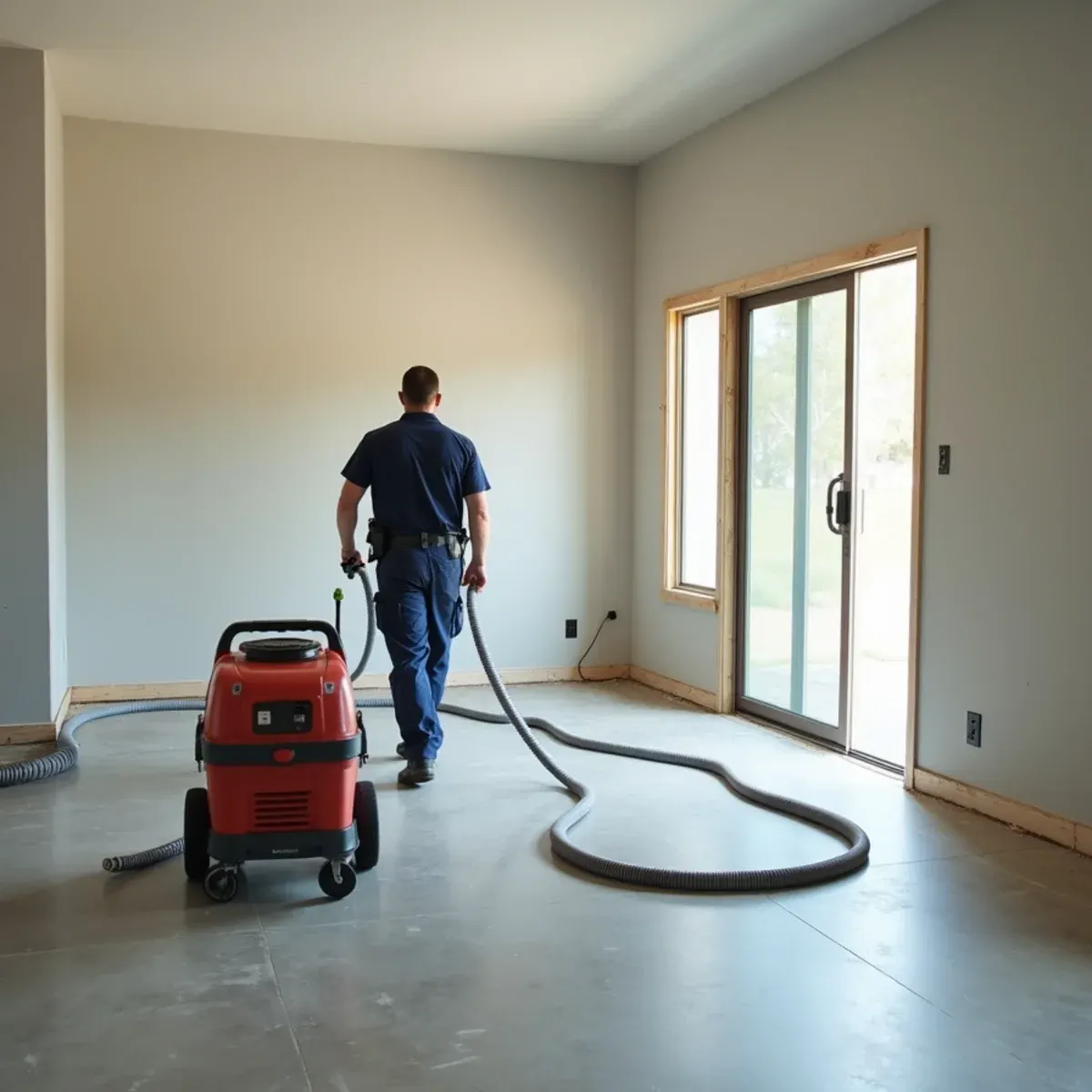
Narrow lots, alley parking, no driveways, and neighbors a few feet away. Hydroxyl generators, air scrubbers and hoses all come in by hand, sometimes through a shared walkway. It affects staging and duration more than method. We tell you up front how long equipment will be running and where it will sit, because on those blocks it matters to everyone.
3Prewar cavities versus postwar slabs
In California Heights or Bluff Park the odor lives behind plaster and under a raised floor, and we open small sections to reach it. Ten minutes east in Los Altos, the same smell is at the slab edge and in the bottom of the drywall. Same service, different execution, and we quote them differently because the labor is genuinely different.
How the Work Runs
The method is the same one we use on every odor removal job, documented to the IICRC S500:2025 standard. Here it is in short — the full odor removal & deodorization process explains each stage in detail.
- Locate the residue
- Remove what holds it
- Clean the surfaces that stay
- Filter the air while we work
- Seal only what cannot be cleaned
- Treat the air, then verify
The Long Beach Background Worth Knowing
The postwar tracts around El Dorado Park, Los Altos, and the neighborhoods near the Cypress border were built in the same era and largely the same way as the housing in our home city. Single-story slab construction, plumbing routed under the concrete, and a fifty-to-seventy-year age on the supply lines.
There is more on the housing stock, drainage and plumbing history of this city on our water damage restoration in Long Beach page.
Long Beach at a glance
- Dominant construction era
- 1920–1980
- Foundation type
- mixed on grade
- Supply piping found here
- original 1920s piping, galvanized steel, under-slab copper
- Drain line materials
- cast iron, clay
- Terrain and water table
- coastal-flat, shallow water table
- Most common local failure
- the approach changing entirely by neighborhood — a 1926 plaster wall and a 1955 drywall wall are different restoration problems
- Highest-value local prevention
- identifying the construction type before anyone starts cutting
What It Costs in Long Beach
We do not quote a number over the phone before seeing the property — anyone who does is guessing. The variables that actually move the price on a odor removal job are how much material comes out, where the residue ended up, the type of odor involved, and they are broken down in full on the odor removal & deodorization page. The assessment and the written estimate are free anywhere in Long Beach, day or night, with no obligation.
Odor Removal Questions from Long Beach Homeowners
Usually because they scoped different amounts of removal. In this city the same smell can mean opening plaster and a crawl space in a 1920s house, or cutting eighteen inches of drywall in a postwar East Long Beach home. One is several days of careful work, the other is a day. Ask both to show you where the source is and what they're removing. If a quote is only air treatment, the odor comes back.
It may mask it for a few weeks. Rental units are usually undersized for a whole structure, and they treat air rather than the material producing the odor. They also should not run with anyone home, and long heavy cycles can degrade rubber seals, leather, and paint sheen. If the residue sits in a wall cavity or under the flooring, no amount of ozone reaches it.
Because residue was left somewhere. That is the answer nearly every time. The usual spots are attic insulation, the inside of flex duct, the wall cavity behind drywall that was replaced but never cleaned, the subfloor under new flooring, and the back of a cabinet run. Drying a structure to standard does not remove residue, so a job dried correctly can still smell if cleaning stopped at visible surfaces.
All of it, with the fastest response to East Long Beach — El Dorado Park Estates, Los Altos, and the neighborhoods near the Cypress border, which are typically twenty to twenty-five minutes. Coastal and downtown areas run a little longer, and we will give you a realistic ETA when you call.