
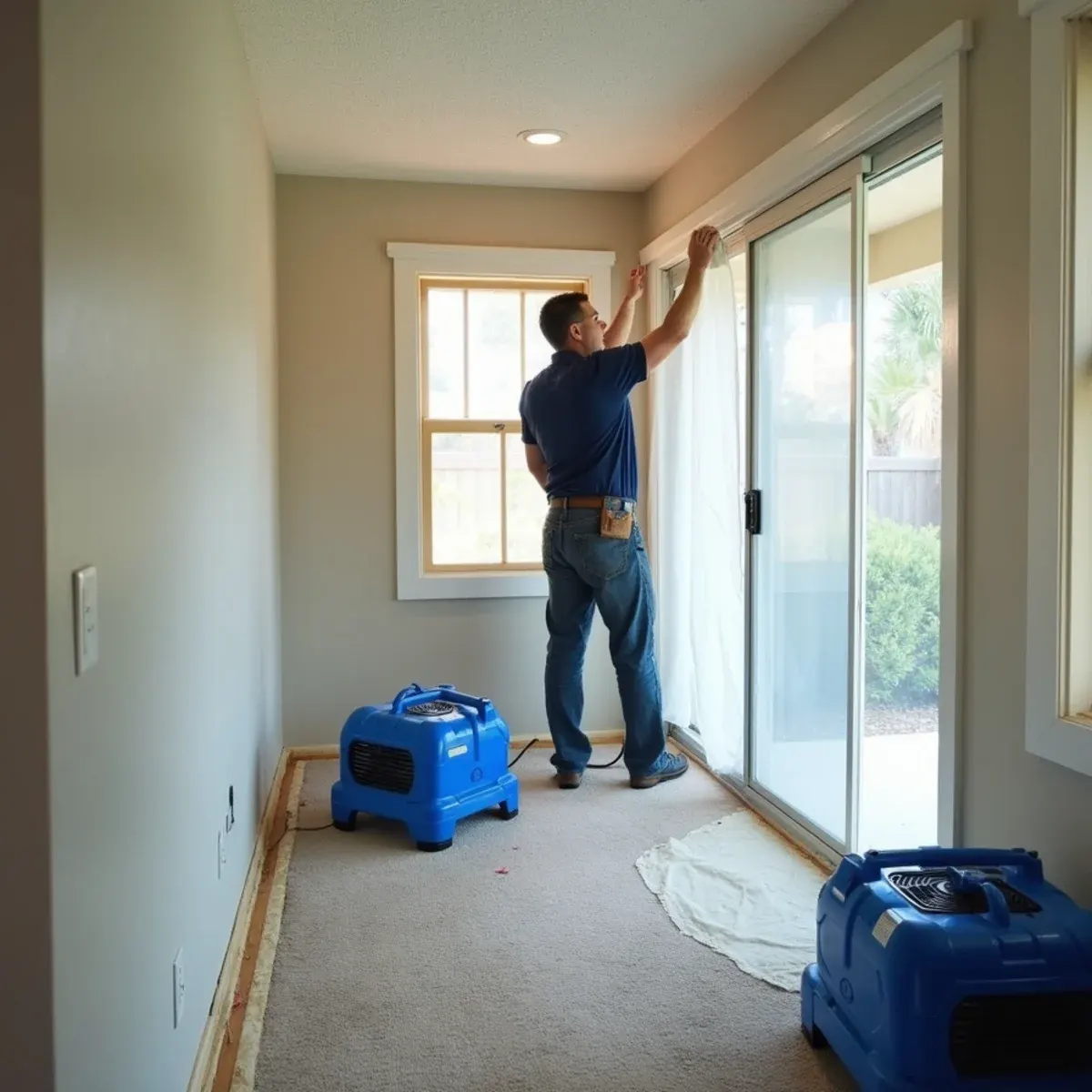
Seal Beach is three different service areas wearing one city name, and the approach changes considerably depending on which one we are called to.
Old Town is coastal — small lots, older construction, some homes only a few blocks from the sand, and an environment where salt air and humidity work on a building continuously. Leisure World is a 9,000-unit community built in the early 1960s, with shared walls, common-area plumbing, and a resident population for whom a water loss is a genuine hardship rather than an inconvenience. College Park East and West are inland tract neighborhoods that behave much more like Cypress.
What ties them together is moisture. Coastal Seal Beach sits in the marine layer more consistently than anywhere else we serve, which means ambient humidity is high enough for long enough that materials dry more slowly and mold has a wider window. Drying here takes longer and needs more dehumidification than the same loss five miles inland, and any restoration plan that ignores that is going to fall short.
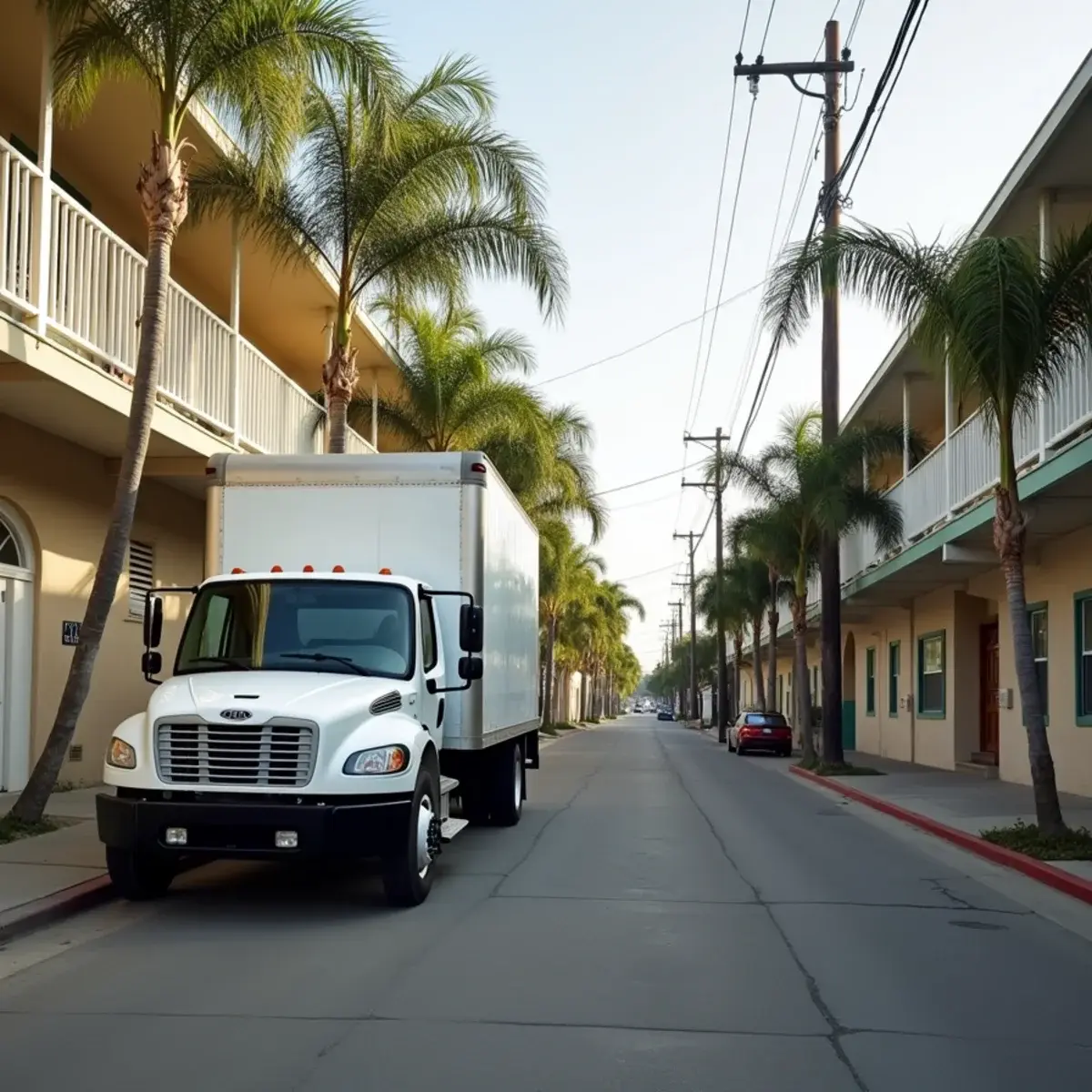
Why Coastal Drying Takes Longer
Structural drying works by creating a vapor pressure differential — dry air pulls moisture out of wet materials. When the surrounding air is already carrying a heavy moisture load, that differential shrinks and everything slows down.
In Old Town and Surfside, marine layer conditions push relative humidity into the eighties for extended periods through much of the year, and it rarely drops as low overnight as it does inland. The practical effect is that opening windows for ventilation, which helps in a dry inland environment, actively works against you here for a good part of the day.
So coastal jobs get sealed chambers and more dehumidification capacity than the square footage alone would suggest, and we plan for a longer equipment run. It is also why salt-air corrosion shows up in these homes — window and door flashings, exterior penetrations, and fasteners all degrade faster within a mile of the water, and those failures become the entry points for wind-driven rain.
Leisure World: Shared Walls and Older Residents
Leisure World is one of the largest single communities in our entire service area — around 9,000 units built in the early 1960s, which means the plumbing is now more than sixty years old and shared across attached units.
Two things follow. First, a leak rarely stays in one unit. Shared walls and common plumbing mean water moves between units, and resolving it involves the mutual, the management company, and often several residents' policies. Documenting each unit separately is essential rather than optional.
Second, and more importantly, this is a senior community. A water loss for an eighty-year-old resident living alone is not the same event it is for a working family with somewhere else to go. We handle those calls with that in mind: we explain things carefully and more than once if needed, we are direct about what things cost before we start, we keep equipment noise and disruption as contained as the job allows, and we are happy to walk an adult child through the scope by phone. High-pressure tactics against seniors during an emergency are one of the ugliest things in this industry, and if anyone tries that on you or a family member, get a second opinion.
Neighborhoods and Landmarks We Cover in Seal Beach
We work throughout Seal Beach — every neighborhood, every street, residential and commercial. If your address is in the city, we cover it.
Neighborhoods & corridors
- Old Town
- Leisure World
- College Park East
- College Park West
- The Hill
- Surfside Colony
Landmarks nearby
- Seal Beach Pier
- Main Street
- Leisure World Seal Beach
- Naval Weapons Station Seal Beach
- Seal Beach National Wildlife Refuge
- Eisenhower Park
Why Seal Beach Residents Call Us First
Any restoration company can put Seal Beach on a service-area list. What matters at 2 a.m. is how far the truck has to come and whether the crew has opened a wall in a house like yours before.
About 12 minutes southwest
We dispatch from 6122-6182 Katella Ave in Cypress — not from a regional depot and not from a call centre that sells your job to whoever bids for it. That is the whole reason the 60-minute commitment is one we can put in writing.
Shared walls mean several policies at once
In Old Town and Leisure World a loss crosses into attached units and a mutual. Each unit is documented separately from the first hour.
Coastal envelope, coastal timetable
Salt air ages flashing and sealant faster than inland guidance assumes.
- 20+ years restoring Orange County homes
- IICRC Certified Firm
- Licensed, Bonded & Insured
- We bill your insurance company directly
- IICRC S500:2025 compliant on every job
- 100% satisfaction guarantee — in writing, on every job
Seal Beach Water Damage Questions
Coastal marine layer conditions keep ambient humidity high for extended periods, which reduces the vapor pressure differential that drives drying. Jobs near the water need sealed chambers and more dehumidification capacity than an equivalent loss inland, and the equipment stays on longer.
Yes, regularly. We coordinate with the mutual and the management company, document each affected unit separately, and keep disruption contained. We are also glad to keep out-of-area family informed by phone throughout the job.
Yes. Within about a mile of the water, salt accelerates corrosion of fasteners, flashings, and exterior penetrations. Those degraded details become the entry points for wind-driven rain, which is why coastal homes here see more storm-related intrusion than their inland equivalents.
Usually several parties at once, which is why the documentation has to be right from hour one. In Old Town and Leisure World a loss crosses into attached units and typically involves your policy, your neighbour's, and the mutual or association's. We photograph, map and scope each affected unit separately rather than producing one combined report, so every party can file against a record that covers their own space specifically.