Cypress incorporated in 1956 as Dairy City and filled in with tract housing over roughly the next twenty-five years. That compressed build-out is why the city looks so coherent, and it is also why we take the calls we take.
When an entire city's plumbing goes in within one construction generation, it reaches the end of its service life within one generation too. A homeowner whose neighbor just had a slab leak is not observing a coincidence.
Here is what specifically fails in pre-1980 Cypress homes, roughly in order of how often we see it, and what is worth doing about each one.
1. Under-Slab Copper and Pinhole Leaks
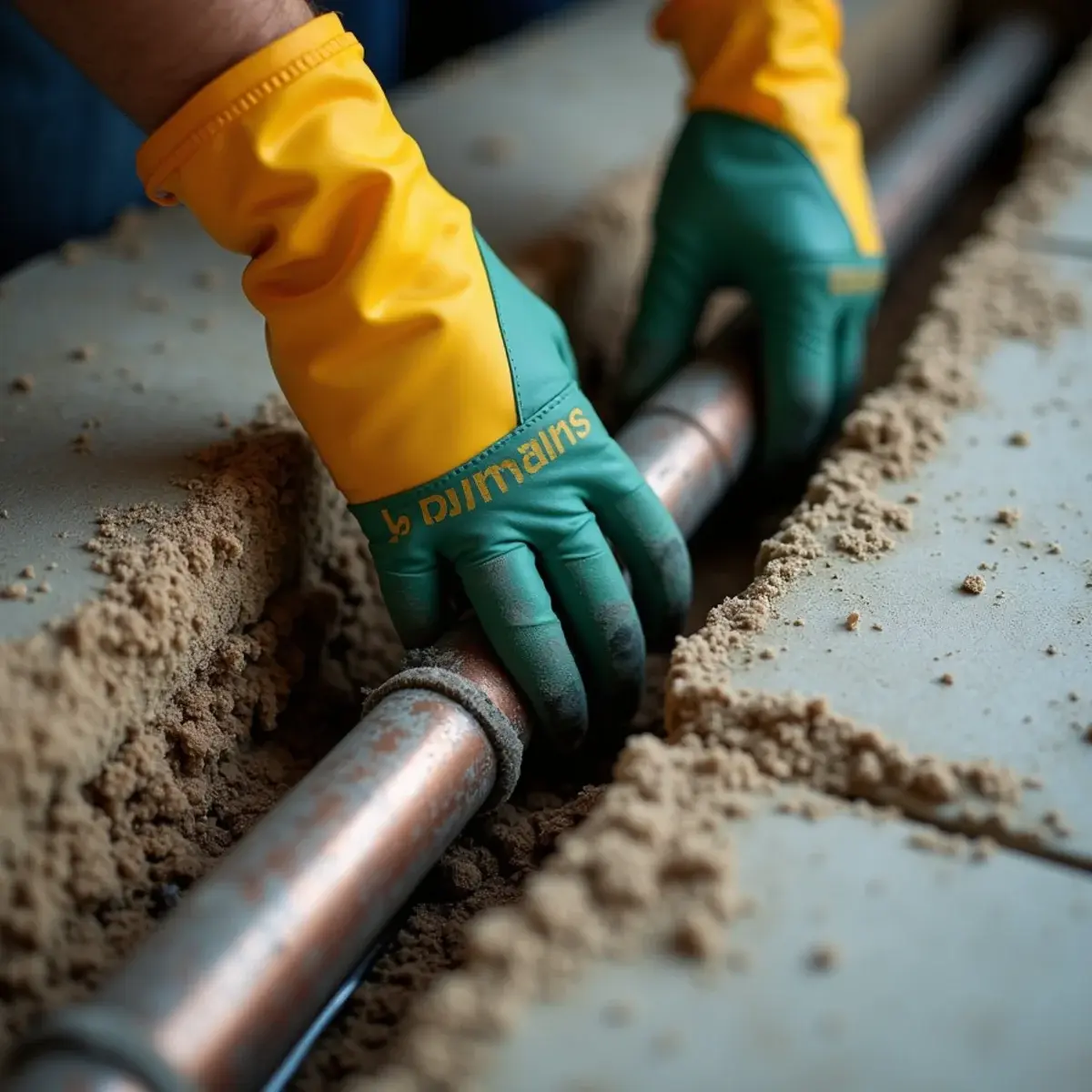
This is the most common serious failure in this city, and the most under-diagnosed.
Homes built here from the 1960s onward are slab-on-grade with copper supply lines routed through or beneath the concrete. Copper is good pipe, but after five decades in contact with soil, two things happen: external pitting from mildly aggressive soil chemistry, and internal erosion-corrosion from decades of water moving through undersized lines — worst at elbows and on hot recirculating loops.
Eventually a wall thins through and a pinhole opens. Because it is under concrete, nothing appears in the house. The water goes into the sub-slab soil, and the leak runs for months.
What to do: run the water meter test annually. Shut off every fixture, watch the meter's low-flow indicator for fifteen minutes. Any movement means water is escaping. It costs nothing and it is the only early-warning system there is for this failure mode.
2. Galvanized Steel Supply Lines
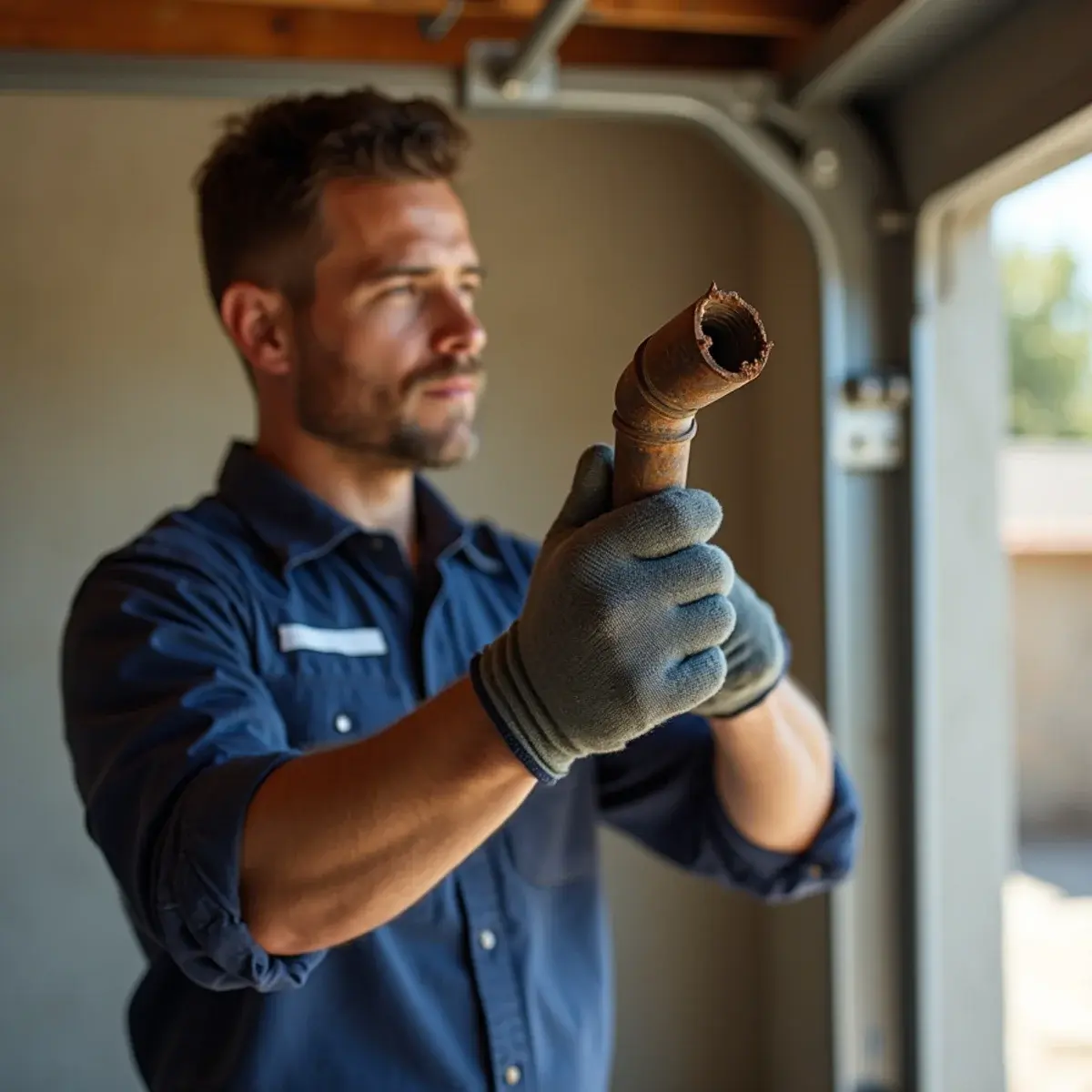
The oldest Cypress neighborhoods — around the Lincoln Avenue corridor and near Cypress High School — frequently still have original galvanized steel in at least part of the system.
Galvanized fails predictably. The protective zinc coating wears through from the inside, the steel corrodes, and scale builds up on the interior wall, narrowing the pipe over decades. As the diameter shrinks, velocity and turbulence increase, accelerating erosion at fittings until something lets go.
The signs are the ones people adapt to instead of acting on: water pressure that has gradually declined over the years, rust-colored water from a tap that has not run overnight, and hot-side pressure noticeably worse than cold.
What to do: if a home still has original galvanized, the question is when rather than whether. Repiping a single-story Cypress house is a well-understood job, and it costs far less than the cumulative expense of three separate water losses and three separate restorations.
3. Cast-Iron Sewer Laterals and Tree Roots
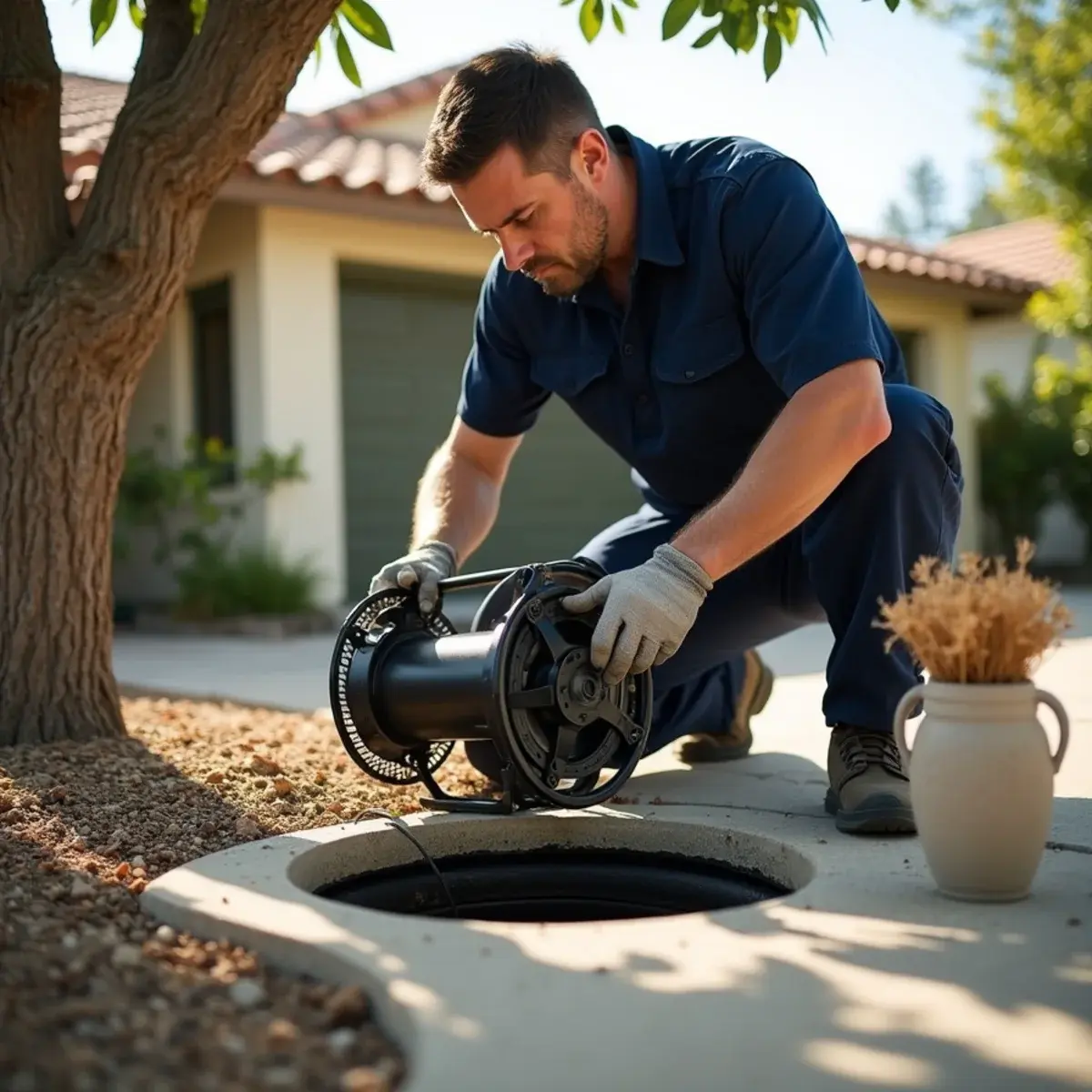
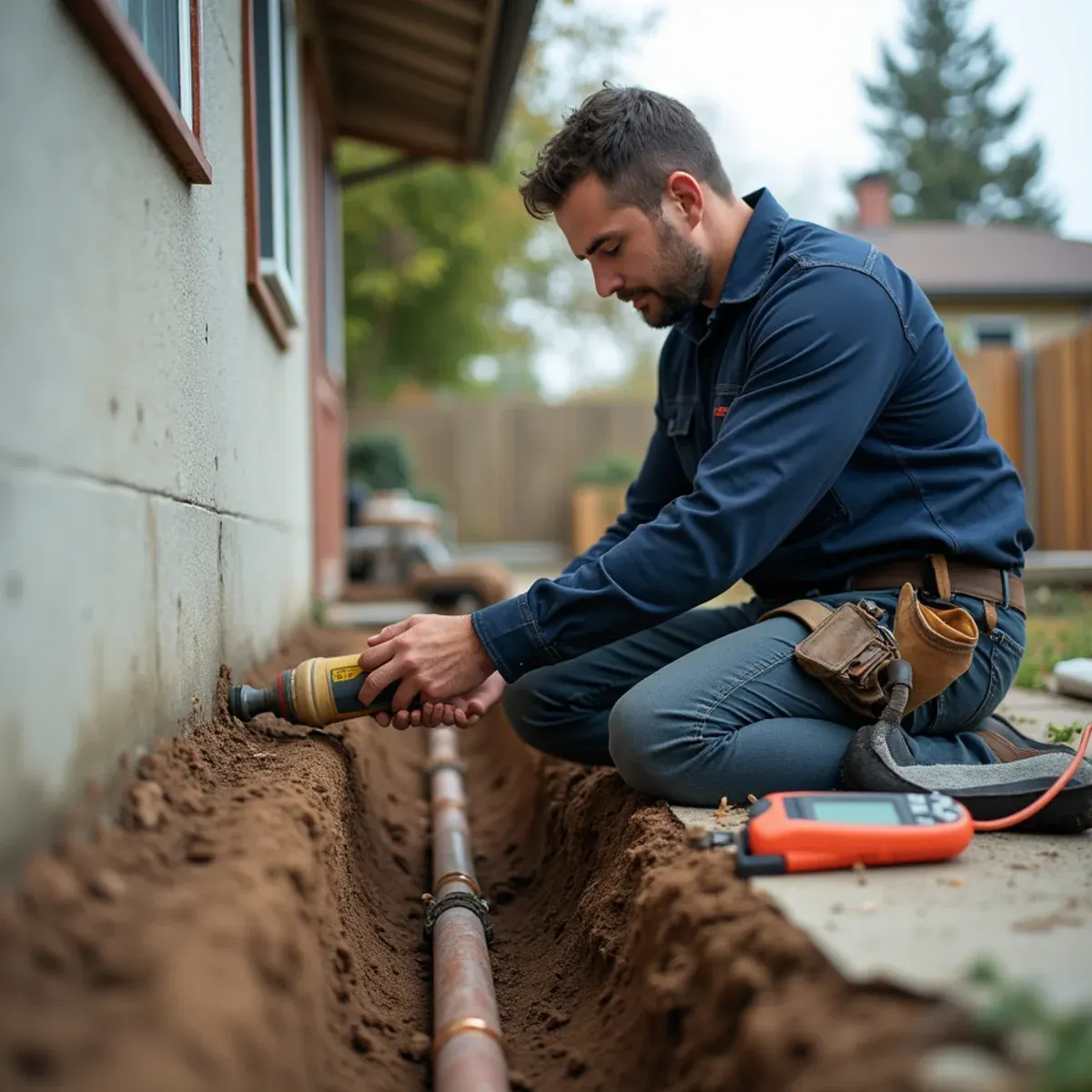
The sewer lateral running from your house to the street is cast iron or clay in most pre-1980 Cypress homes, and it has been in the ground for fifty to sixty years.
Cast iron corrodes from the inside and channels out along the bottom. Clay joints separate as soil moves. Either way the line develops openings, and the mature ficus, liquidambar, and pepper trees that shade so many streets here send roots into them — because a leaking sewer line is precisely the moisture and nutrient source they are seeking.
The warnings are consistent: several drains slowing at the same time, a toilet gurgling when the washer drains, or water rising in a shower when a toilet flushes. Any of those means the main line is restricted and a backup is coming.
What to do: get the lateral camera-inspected. On a fifty-year-old line that has never been scoped, it very often finds something, and it costs a small fraction of a Category 3 sewage remediation.
4. Water Heaters Past Their Service Life
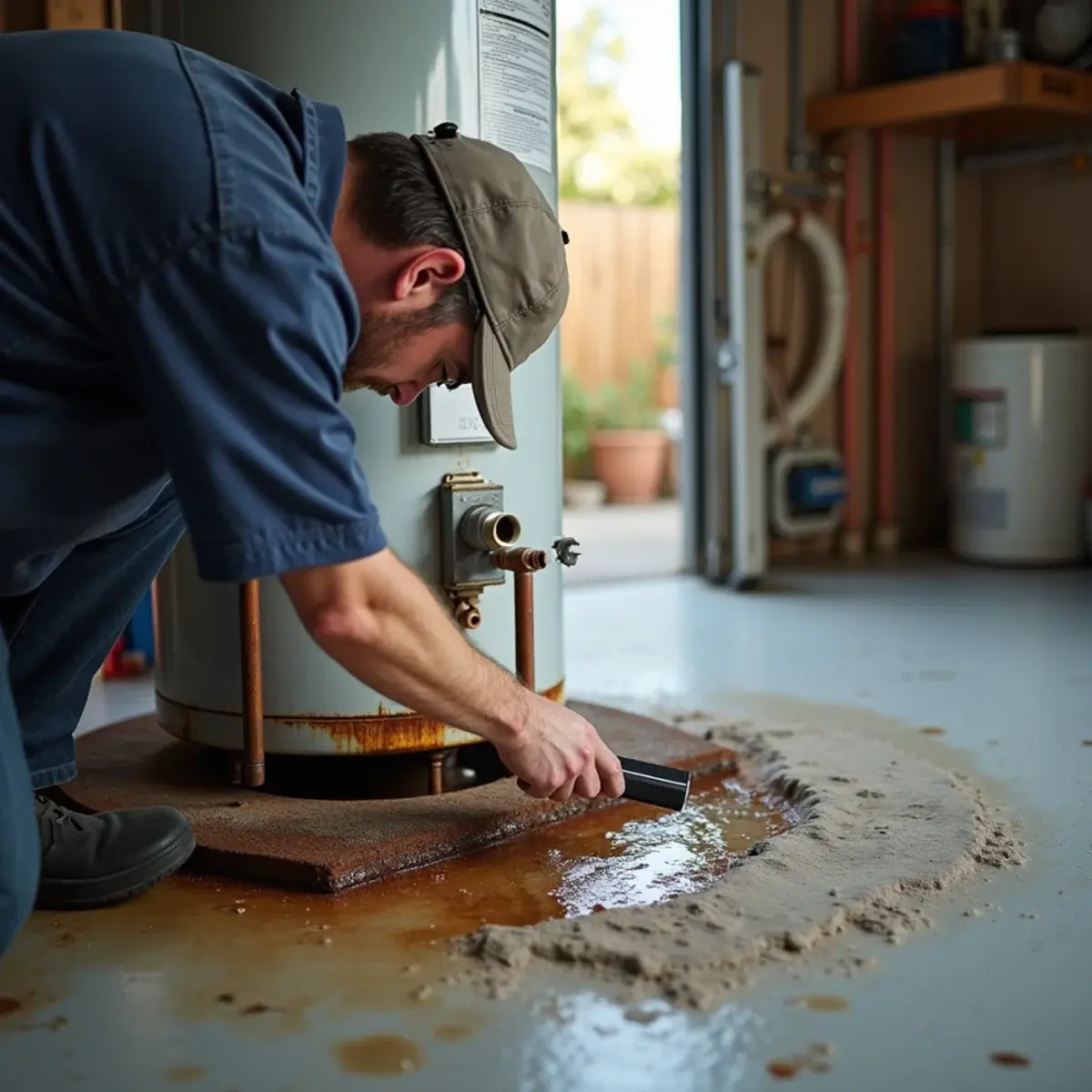
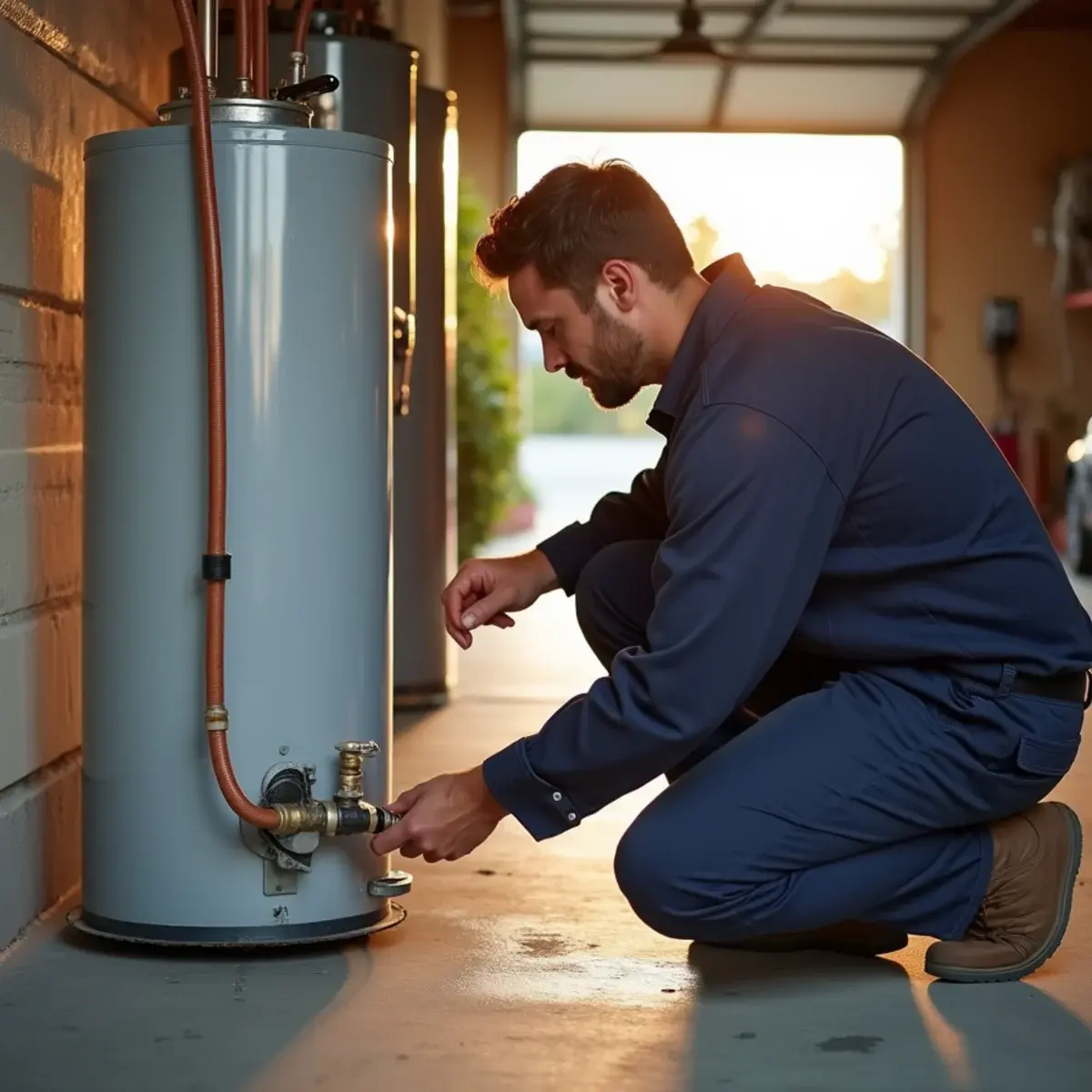
Water heaters last eight to twelve years in this area. We routinely find units well past twenty in Cypress homes, still working, on borrowed time.
In most homes here the heater is in the garage, which is the best place for it — a failure dumps forty to eighty gallons onto a slab that drains toward a door rather than into a hallway. But the garage almost always shares a framed wall with the living space, and water pooling against that wall wicks into the bottom plate and up into the interior drywall.
What to do: replace on your schedule rather than its own if yours is past ten years. Install a drain pan plumbed to the exterior — it is inexpensive and turns a catastrophe into a puddle in the driveway. And get stored boxes off the garage slab, because they are the most commonly destroyed property in a garage water loss.
5. Drainage That Has Changed Since 1970
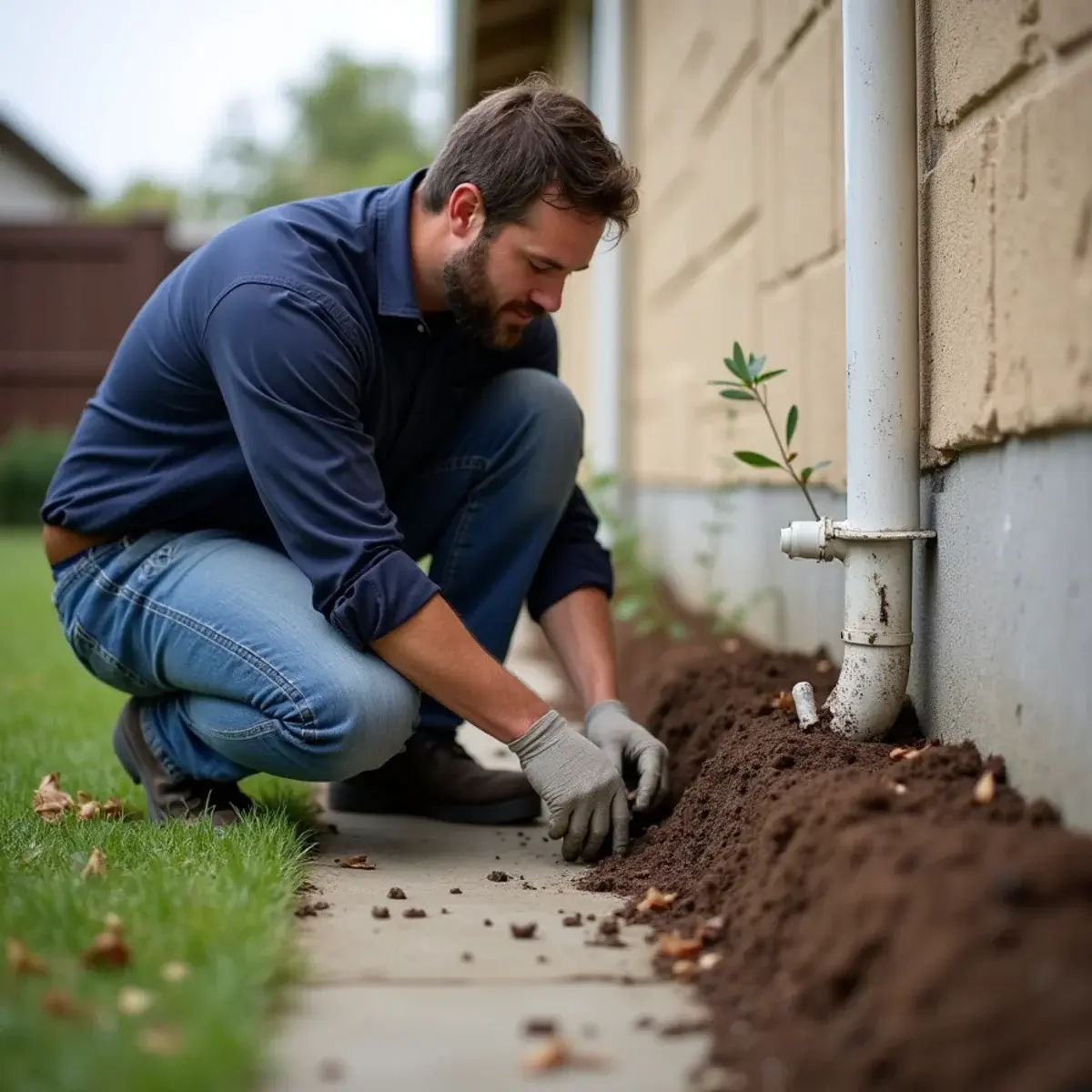
The lots in older Cypress tracts were originally graded to drain away from the house. Fifty years of added patios, raised planters, extended driveways, landscaping, and settled hardscape have re-graded a great many of them so they now drain toward it.
Cypress is flat and low, sitting between the Coyote Creek and Carbon Creek channels with a high water table. During an atmospheric river the ground saturates quickly, and once it does, everything moves across the surface toward the lowest opening — which in this housing stock is the garage door or a settled patio slab at a slider.
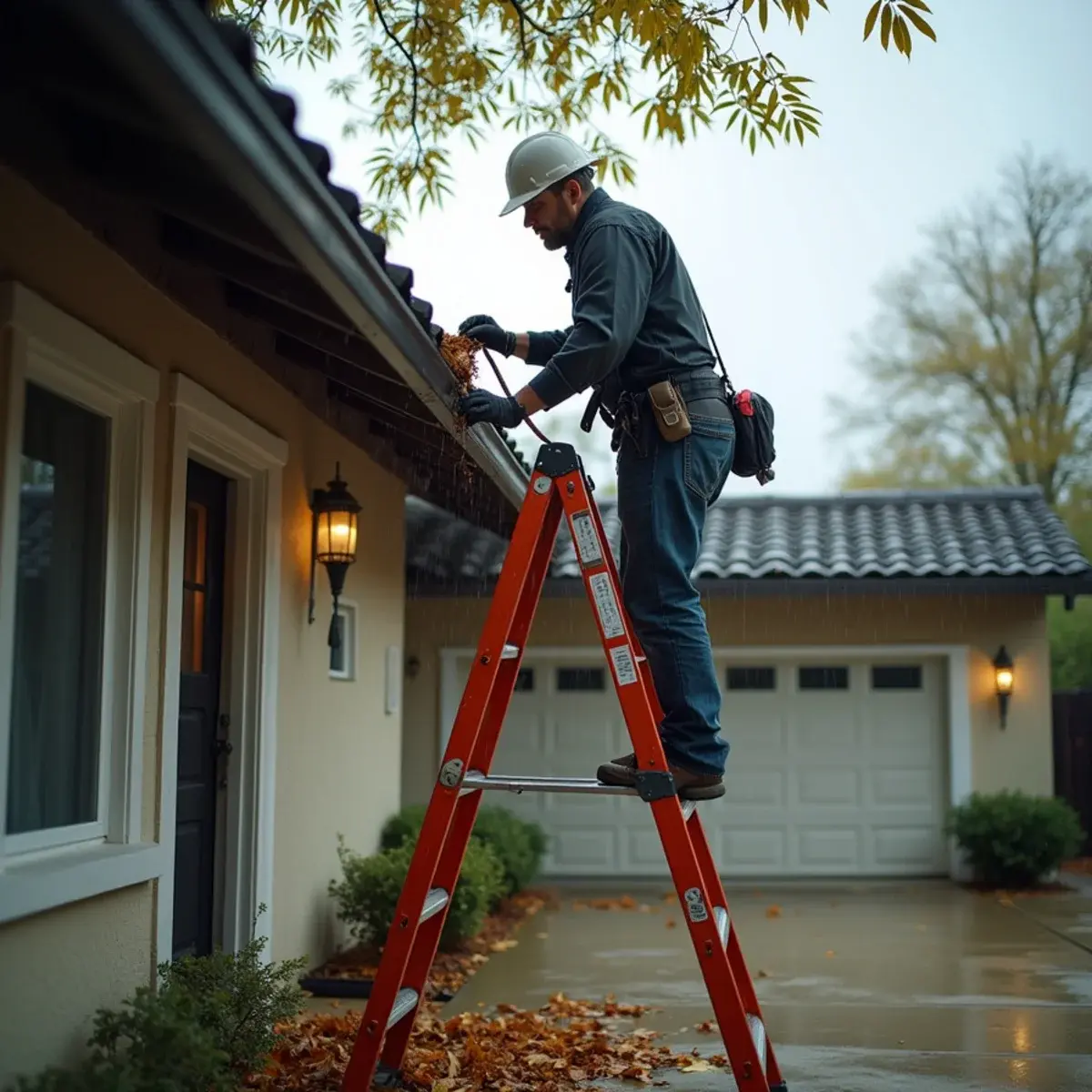
What to do: stand outside during the first real rain of the season and watch where water actually goes. It takes ten minutes and it will show you the problem. Then clear the yard and area drains, which silt up completely over a dry summer; extend the downspouts; add a threshold seal at the garage; and re-grade anything that ponds against a wall.
6. Original Bathroom Fans and Chronic Humidity
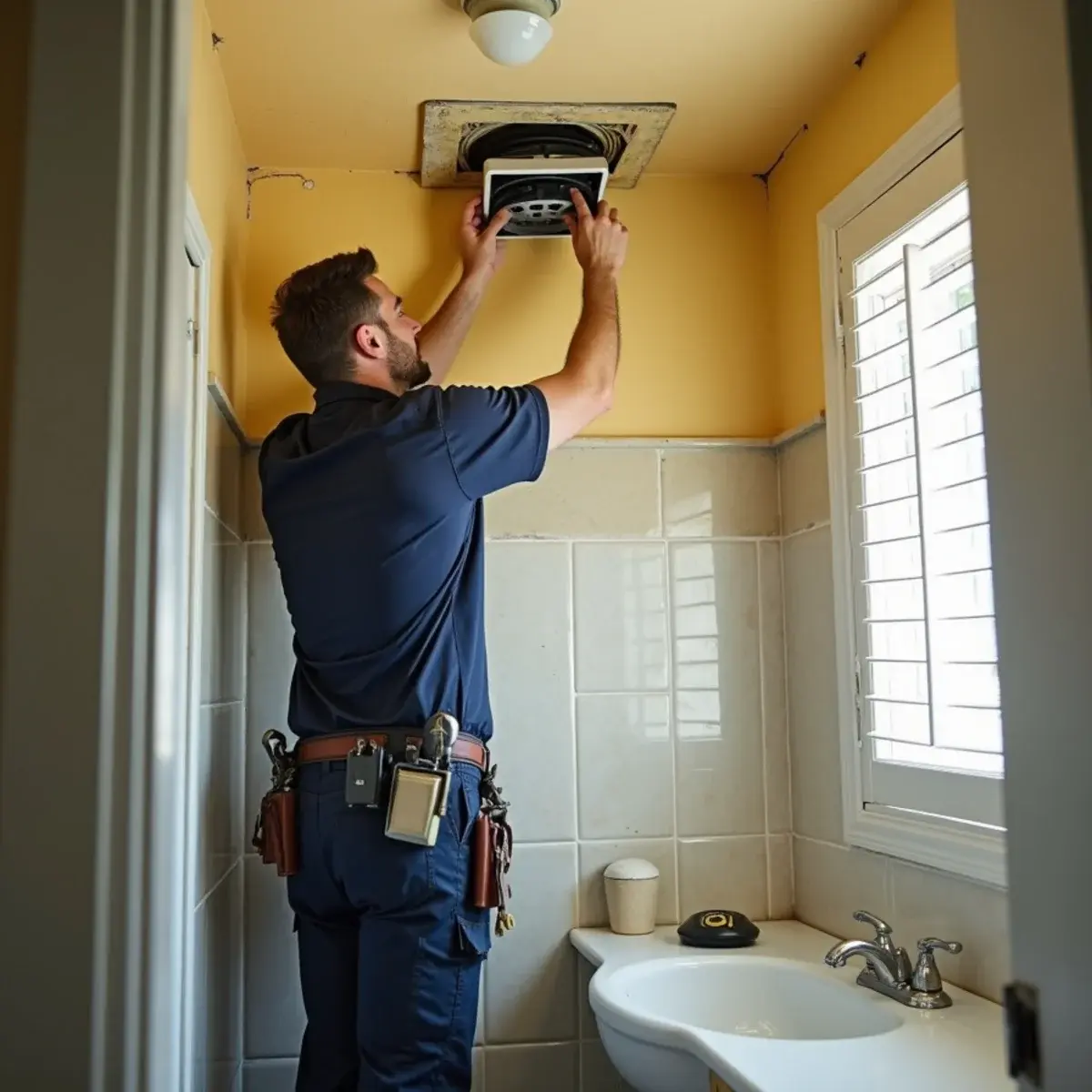
Bathrooms in homes from this era were frequently built with undersized exhaust fans, fans that vent into the attic rather than outside, or no fan at all.
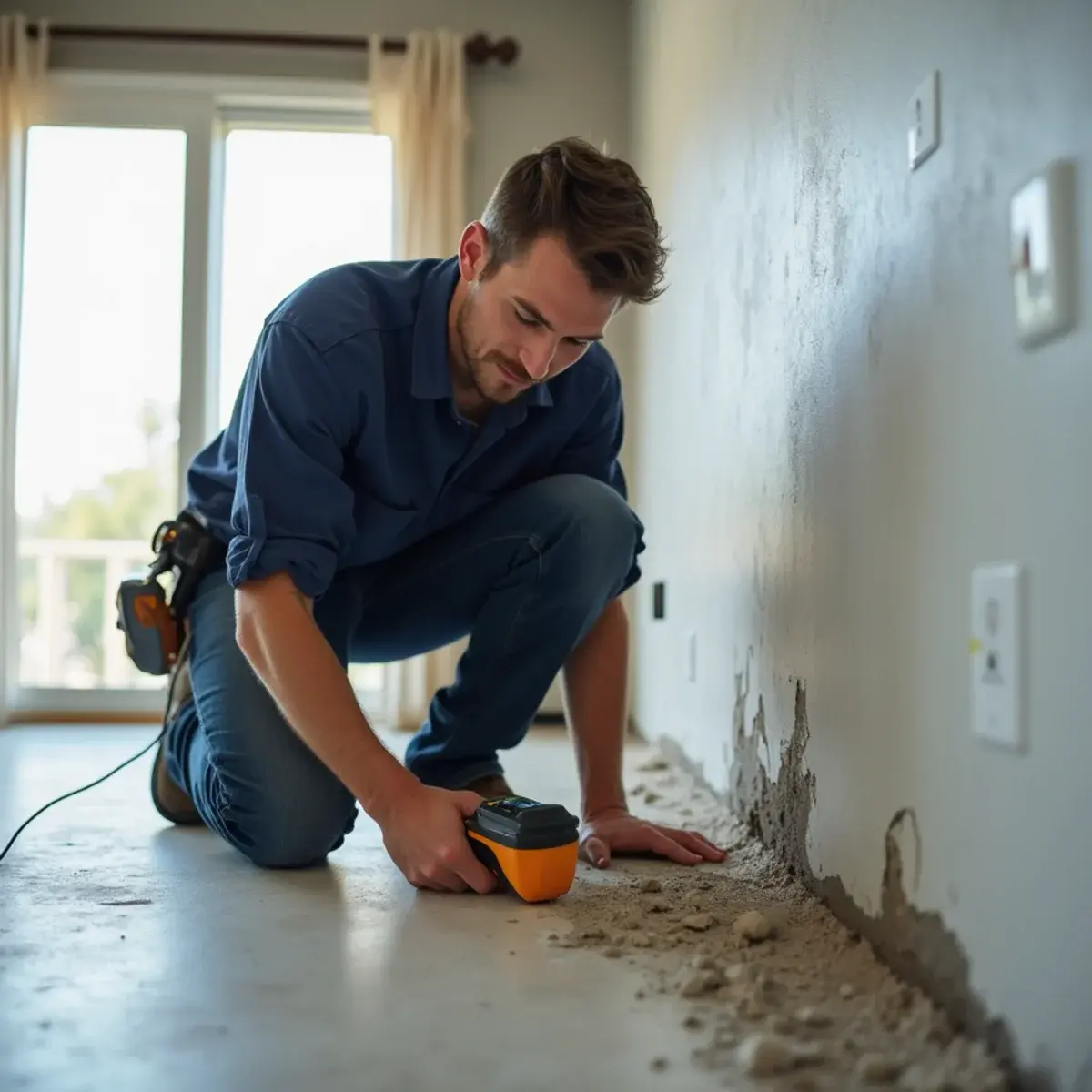
In coastal Orange County that matters more than it would elsewhere. Our marine layer keeps overnight relative humidity high for much of the year, so a bathroom without effective ventilation simply does not dry out between uses. That sustained dampness is why bathroom and adjacent-closet mold is so common in this housing stock — no leak required.
What to do: an upgraded, properly ducted exhaust fan on a humidity-sensing switch solves more mold problems in Cypress homes than any product you can spray on a wall. Confirm it actually vents to the exterior, because a surprising number discharge into the attic, which relocates the problem rather than fixing it.
The Practical Priority List
If you own a pre-1980 Cypress home and want to spend the least money to remove the most risk, this is the order:
- Run the water meter test — free, fifteen minutes, once a year
- Locate your main shutoff and confirm it turns — free, five minutes
- Replace washing machine hoses with braided stainless — inexpensive, every five years
- Clear yard and area drains before storm season — free if you do it yourself
- Camera-inspect the sewer lateral — modest cost, once, high information value
- Replace a water heater past ten years and add a drain pan
- Install smart leak detectors at the heater, under sinks, and behind the washer
- Price a repipe if you have had more than one leak
What Twenty-Five Years of Build-Out Means for Your House
From our crews in the field
Cypress is unusual in how compressed its construction history is. A city that grew gradually over a century has plumbing from every era mixed together street by street. Cypress went from farmland to substantially built out in about twenty-five years, which means the supply lines, drain laterals and water heaters in a given tract are effectively the same age.
The practical consequence is that failures cluster. When we get a slab leak call on a street, we are not surprised to get another one nearby within the year — not because anything spreads, but because the same copper went into the same soil at the same time. A neighbour's failure is genuinely useful information about your own house.
The tradeoff worth naming: none of this means a pre-1980 Cypress home is a bad house. These are well-built single-story slab homes and most will outlast their owners. It means the plumbing inside them is at an age where inspection is worth doing and a repipe is worth pricing — not that anything is wrong with the house.
- Galvanized supply and cast-iron laterals both reach end of life around the same decade
- Under-slab copper pinholes are the signature local failure and give no warning
- Treat a neighbour's slab leak as information about your own street
- Price a repipe while walls are open for another repair, not as a separate project
Services Mentioned in This Guide
- Slab Leak Water Damage Repair in Cypress, CA — Orange County's slab-on-grade homes hide leaks under concrete for months. We find them, dry the slab, and restore the floor.
- Burst Pipe Water Damage Repair in Cypress, CA — From the wall cavity outward — we dry what the pipe soaked, not just the puddle you found.
- Water Damage Inspection & Leak Detection in Cypress, CA — Thermal imaging and moisture meters that find what a visual inspection cannot — free, and with no obligation.
- Water Damage Restoration in Cypress, CA — Predominantly single-story slab-on-grade tract homes built between 1960 and 1980, with a newer band of construction from the 1990s onward on the west side.
- Water Damage Restoration in Rossmoor, CA — An unincorporated community of roughly 3,500 homes built in a single burst between 1957 and 1961 — meaning nearly identical plumbing, all reaching end of life together.
Frequently Asked Questions
Look under a sink or at the water heater connections — galvanized is dull gray and magnetic, copper is obvious. That only tells you about what is visible, though. For what is inside the walls or under the slab, a plumber can identify it during any service call, or a moisture inspection will surface the issue if anything is currently leaking.
Safer, not immune. Homes in Sorrento and Cypress Village were built to modern drainage standards with better materials, but appliance supply lines, water heaters, and washing machine hoses fail on the same schedule regardless of the home's age — and those account for a large share of residential water losses nationally.
If you still have original galvanized, or you have had more than one leak in a few years, yes. If you have had none and the meter test comes back clean, monitoring annually is reasonable. The strongest argument for repiping is timing: doing it while walls are already open for another repair is dramatically cheaper than as a standalone project.
The Age of the House Is Information, Not a Verdict
None of this means a 1968 Cypress home is a bad house. These are well-built homes on good lots in a city that has aged gracefully. It means the systems inside them have a service life, most of them are at the end of it, and knowing which ones lets you spend money on your schedule rather than at 2 a.m.
If you want to know where your home actually stands, our moisture inspection is free and takes about half an hour. Plenty of them come back clean — and that is worth knowing too.
Open 24 hours a day, 7 days a week — including holidays
On-site within 60 minutes of your confirmed emergency call anywhere in Cypress — or we credit $100 off your final invoice.