We have a slightly unusual perspective on home maintenance, because we only ever see the houses where it did not happen. And the pattern is remarkably consistent: the great majority of the water losses we respond to were preventable, usually for a trivial amount of money, usually by something that takes twenty minutes.
This is that list. It is organized by room and then by season, and everything on it is either free or inexpensive. Nothing here requires a contractor.
The Four Things That Matter Most
If you only do four things, make it these. Between them they address the majority of what we get called out for.
- Know where your main water shutoff is and confirm it turns. Do it today. A valve that has not moved in twenty years frequently will not, and finding that out during an emergency is the worst possible time.
- Replace washing machine hoses with braided stainless steel every five years. Rubber hoses fail while nobody is home, and a failure at 60 psi runs for hours. About twenty dollars a pair.
- Run the water meter test annually. Every fixture off, watch the low-flow indicator for fifteen minutes. It is the only early warning available for a slab or in-wall leak.
- Clear yard and area drains before the rainy season. They silt up completely over a dry summer, and in a flat city a blocked drain means water ponds against your house.
Laundry Room
Washing machines cause more residential water losses than any other appliance, and the failure mode is almost always the supply hose.
- Braided stainless supply hoses, replaced every five years
- Leave a few inches of clearance behind the machine so hoses are not kinked against the wall
- Check the drain hose is secured in the standpipe and cannot vibrate loose
- Turn off the supply valves if you leave for more than a few days
- A leak detector on the floor behind the machine — inexpensive and it will alert your phone
Kitchen
Kitchen leaks are usually slow, which makes them more destructive rather than less. Cabinet bases are particleboard and they do not survive sustained moisture.
- Check under the sink every few months — look for staining, warping, or a musty smell in the cabinet
- Replace stiff or corroded angle stops and supply risers before they weep
- Pull the refrigerator annually and inspect the ice maker line; replace old plastic lines with braided
- Watch for warping or delamination on the cabinet toe-kick beside the dishwasher — that is the earliest sign of a dishwasher leak
- A leak detector in the sink base cabinet
Bathrooms
Bathrooms combine constant water use with enclosed spaces and, in older Southern California homes, frequently inadequate ventilation.
- Re-caulk the tub and shower perimeter when it cracks or pulls away — annually in a heavily used bathroom
- Check grout for cracks, especially at corners and the floor-wall junction
- Replace toilet supply lines every five years and check that the shutoff turns
- Confirm the exhaust fan actually vents outside, not into the attic — a surprising number do not
- Upgrade to a properly sized fan on a humidity-sensing switch; it solves more mold problems here than anything else
- Watch the ceiling of the room below an upstairs bathroom for any staining
Water Heater
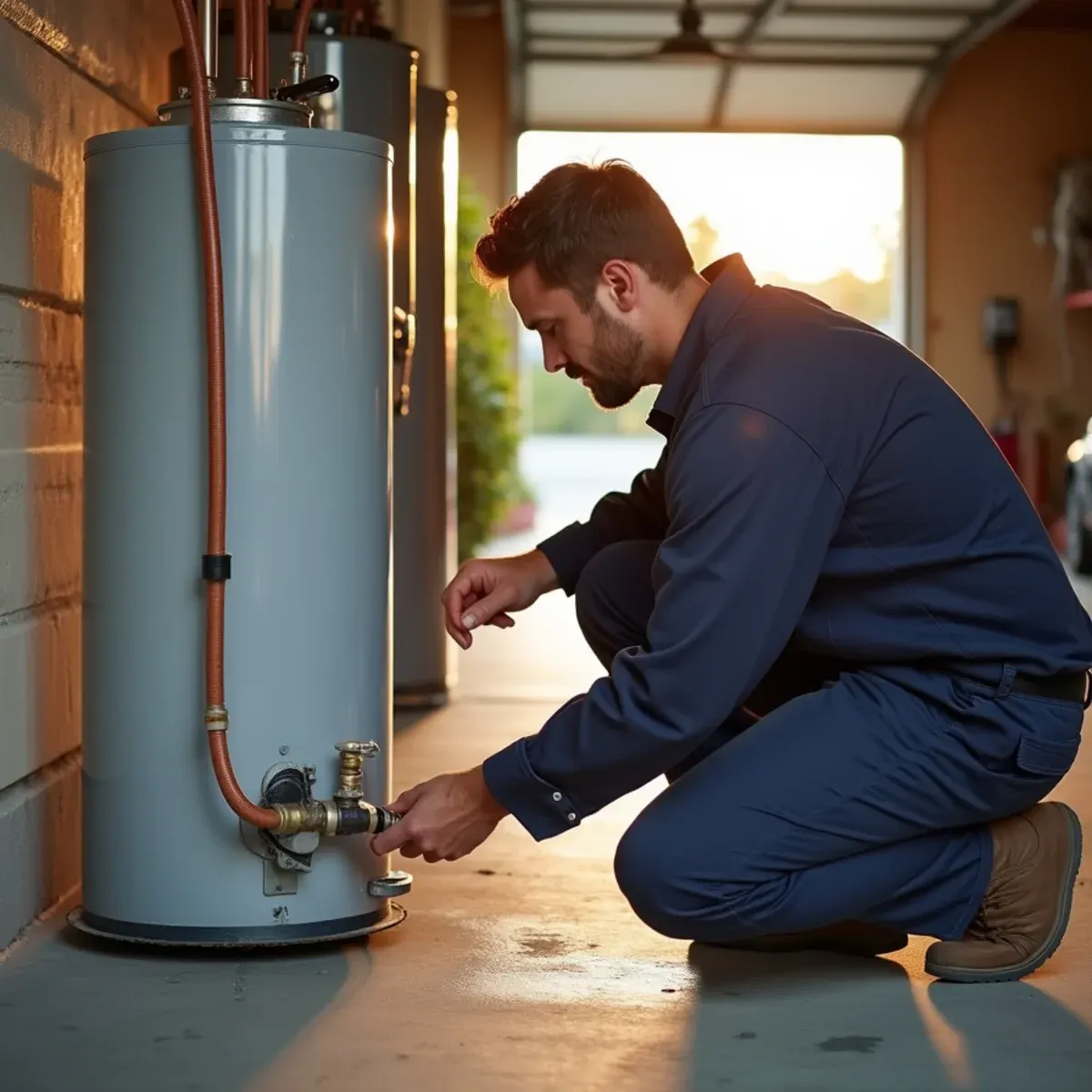
A tank failure is one of the highest-volume losses a home can experience, and it is one of the most predictable.
- Know its age; replace on your schedule if it is past ten years
- Install a drain pan plumbed to the exterior — inexpensive and it converts a disaster into a puddle
- Look for rust streaking on the tank or a mineral ring in the pan
- Flush the tank annually to reduce sediment, which accelerates corrosion
- Confirm the temperature and pressure relief valve discharge line runs to a safe location
- Get stored belongings off the garage slab and onto shelving
- A leak detector at the base of the unit
Exterior and Drainage
In flat coastal cities this is where the storm losses come from, and it is the least glamorous and most effective part of the list.
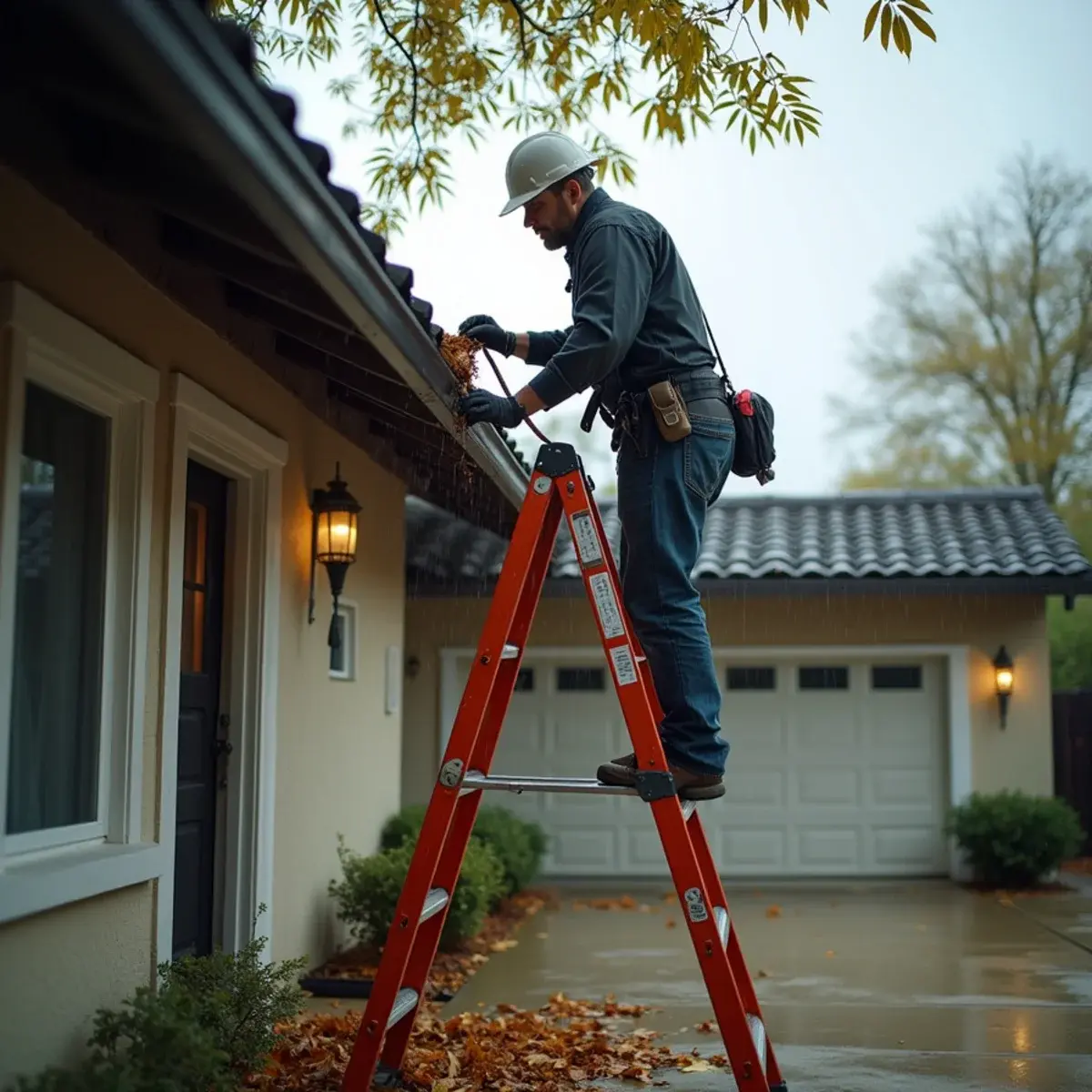
- Clear gutters and confirm they drain rather than pond
- Extend downspouts so discharge lands well away from the foundation
- Clear yard and area drains and hose-test each one
- Re-caulk around windows and doors when sealant cracks — sooner near the coast
- Replace cracked rubber pipe boots on roof vent penetrations
- Add a threshold seal at the garage door
- Re-grade any hardscape that ponds water against a wall
- Trim limbs overhanging the roof
The Seasonal Calendar
Spreading it across the year makes it manageable:
Fall (before the rain)
- Clear gutters, downspouts, and all yard and area drains
- Inspect roof penetrations and replace cracked pipe boots
- Re-caulk windows and doors as needed
- Trim overhanging limbs
- Confirm the garage threshold seal is intact
Winter (during storm season)
- Walk the property during the first real rain and watch where water goes
- Check the attic after any major storm for wet insulation
- Keep drains clear between storms
Spring
- Run the annual water meter test
- Check under every sink and behind the washer and fridge
- Flush the water heater and inspect for rust
Summer
- Replace washing machine hoses if they are at five years
- Re-caulk tubs and showers
- Verify bathroom fans vent outside and are moving air
- Test every smart leak detector
Smart Leak Detectors Are Worth It
This is the one product recommendation on the list, and it is the highest-return dollar in home water protection.
A basic wireless leak detector costs about the price of a restaurant meal and sends an alert to your phone the moment its sensor gets wet. Put them behind the washing machine, at the base of the water heater, in the sink base cabinets, and behind the refrigerator.
The value is entirely about timing. Nearly every catastrophic residential water loss involves a failure that ran for hours while nobody was home. A detector converts that into a fifteen-minute problem, and the difference between fifteen minutes and eight hours is usually the difference between a mop and a reconstruction.
Whole-home automatic shutoff systems are the next step up. They monitor flow at the main and close a valve when they detect a pattern consistent with a leak. Considerably more expensive, and worth it for a property that sits empty for stretches or for anyone who has already been through this once.
The Two Items on This List That Actually Pay
From our crews in the field
If a homeowner only ever does two things from a list like this, they should be the appliance hoses and the shut-off valve. Braided stainless lines on the washer and dishwasher eliminate one of the most common causes of interior water damage we respond to, and the cost is trivial. Rubber hoses fail without warning, usually while nobody is home.
The shut-off valve item is not just knowing where it is — it is confirming it still turns. Valves that have not moved in twenty years seize, and discovering that during an emergency is the worst possible time. Turn it, turn it back, and label it so anyone in the house can find it.
An honest note on leak detectors: the cheap standalone alarms are nearly useless if nobody is home to hear them, which is when most failures happen. The ones worth buying send a notification to your phone. Some go further and close the supply automatically, which is genuinely the best protection available for an unoccupied house.
- Braided stainless appliance hoses, replaced every five years
- Find the main shut-off, confirm it turns, and label it
- Choose leak detectors that notify your phone, not ones that only beep
- In our climate the annual risk window is the first heavy rain, not winter freeze
Services Mentioned in This Guide
- Appliance Leak Water Damage Cleanup in Cypress, CA — The cabinet toe-kick, the subfloor, and the wall behind the appliance — the places appliance leaks actually hide.
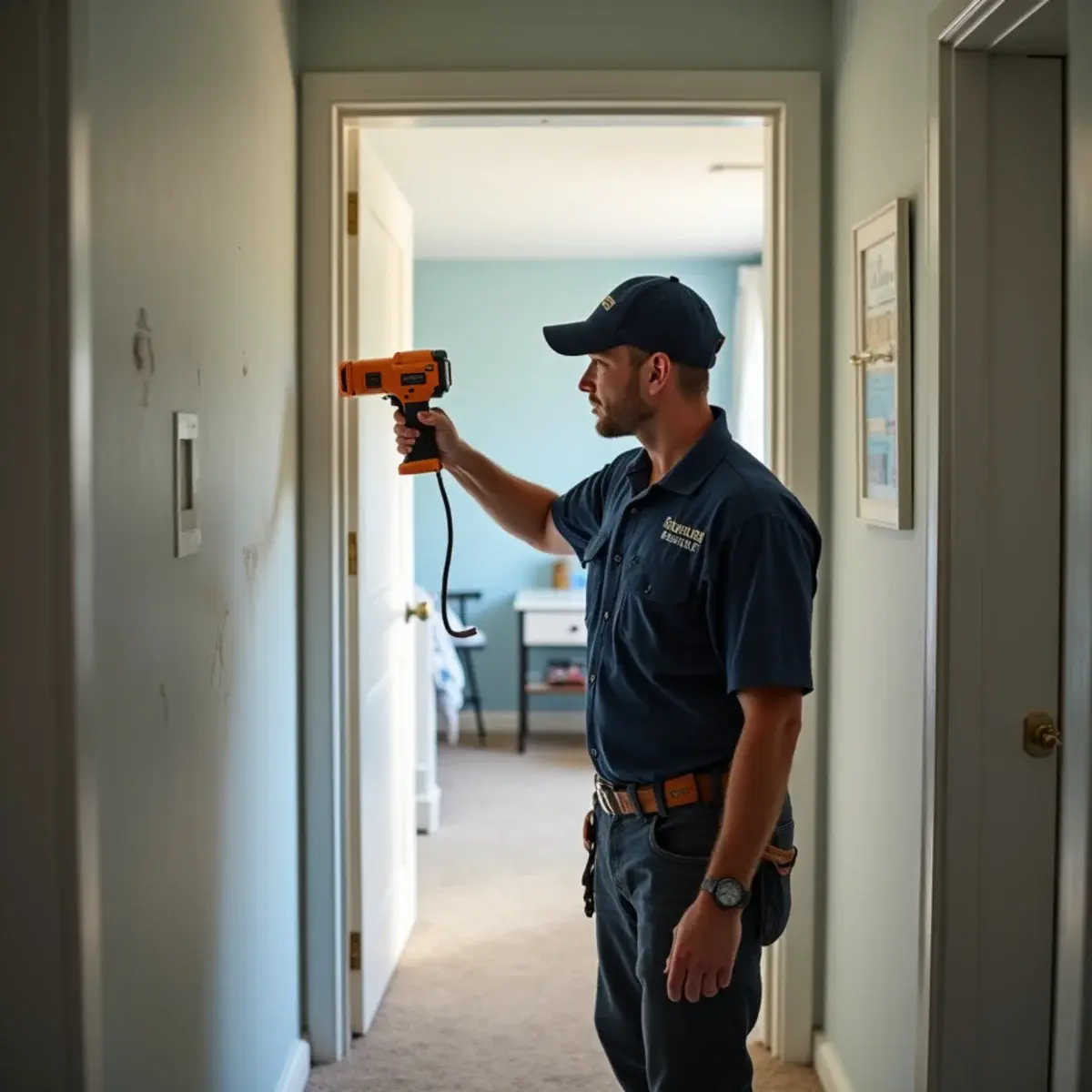
- Water Damage Inspection & Leak Detection in Cypress, CA — Thermal imaging and moisture meters that find what a visual inspection cannot — free, and with no obligation.
- Burst Pipe Water Damage Repair in Cypress, CA — From the wall cavity outward — we dry what the pipe soaked, not just the puddle you found.
- Water Damage Restoration in Cypress, CA — Predominantly single-story slab-on-grade tract homes built between 1960 and 1980, with a newer band of construction from the 1990s onward on the west side.
- Water Damage Restoration in La Palma, CA — Orange County's smallest city by area at under two square miles, built out almost entirely between 1960 and 1980 with well-maintained single-family tracts.
Frequently Asked Questions
Knowing where your main shutoff is and confirming it turns. Everything else is prevention; that one is what limits the damage when prevention fails. It costs nothing and takes five minutes.
They are the best value in this entire list. Most catastrophic losses involve a failure that ran unattended for hours. A detector that alerts your phone converts that into a fifteen-minute problem, and it costs less than one hour of a running supply line.
Every five years, and use braided stainless rather than rubber. Rubber hoses degrade internally with no visible warning, and they fail under constant pressure — usually on a weekday when the house is empty.
Shorten the exterior maintenance intervals. Salt accelerates corrosion of sealants, flashings, and fasteners, so window and door caulking that would last a decade inland may need attention in half that near the water.
An Afternoon a Year
Everything on this list adds up to maybe one afternoon a year and a couple hundred dollars in parts. The losses it prevents routinely run into five figures.
That is not a sales argument — we would genuinely rather you never needed us. But if something does go wrong, we are 24/7 across Cypress and the surrounding cities, and the assessment is always free.
Open 24 hours a day, 7 days a week — including holidays
On-site within 60 minutes of your confirmed emergency call anywhere in Cypress — or we credit $100 off your final invoice.