
It's 2am, a driver on the night shift finds water across forty thousand square feet, and nobody on site knows where the roof drains discharge or which valve isolates the affected bay. That's the call we get most often in Santa Fe Springs. This is one of the most industrial cities in this part of Los Angeles County — warehousing, manufacturing and distribution dwarf the residential footprint — so storm work here gets measured in acres of low-slope roof and hours of downtime, not in bedrooms and hallways.
Low-slope commercial roofs drain internally, through drains and scuppers sized for a design rainfall and clogged by whatever has blown up there since the last inspection. During an atmospheric river, ponding builds fast on a large deck, then finds a seam, a skylight curb or a penetration. Older buildings around the Telegraph Road corridor and Los Nietos carry decades of added rooftop equipment, each one a curb and a flashing. The residential pockets are ordinary 1950s-to-1970s slab tract and get handled like any house.
What Santa Fe Springs Changes About Storm Damage
1Roof drains sized for design rainfall
A warehouse roof is a shallow basin. Its drains and overflow scuppers were engineered for a specific storm intensity, and one ball of debris in a single drain removes a large share of that capacity. Pre-season roof drain clearing on a distribution building is the highest-return maintenance in this city. We'd rather you spend that money there than spend it with us in January.
2Access and shutoff information on file
The reason after-hours commercial losses get expensive is that nobody can get in. We keep current gate codes, key-holder contacts, alarm procedures and shutoff locations on file for the facilities we serve, updated when your staff changes. When a call comes in at 2am during a regional event, that file is the difference between starting extraction immediately and waiting three hours for someone to drive in.
3Drying around operations, not instead of them
Shutting a distribution floor down completely is often more expensive than the water damage itself. We zone the building, contain the wet area, run extraction and desiccant drying on that section, and keep the rest of the floor working where it's safe to. Documentation is per zone, so your carrier sees affected square footage and product contact clearly, and so does your landlord on a tenant improvement.
How the Work Runs
The method is the same one we use on every storm damage job, documented to the IICRC S500:2025 standard. Here it is in short — the full storm damage restoration process explains each stage in detail.
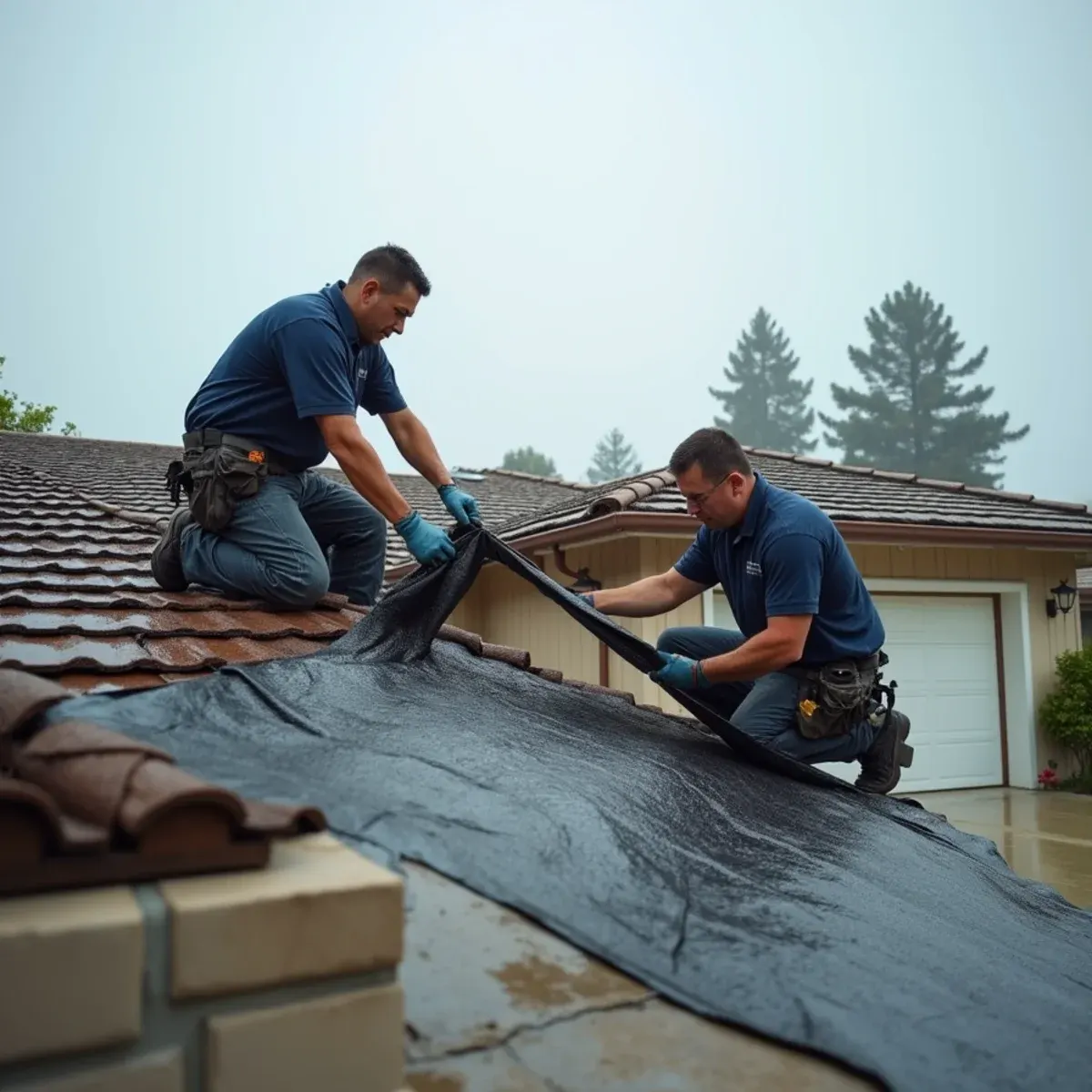
- Emergency tarping and board-up
- Water diversion and extraction
- Full damage documentation
- Interior mitigation
- Structural drying to standard
- Permanent repairs
The Santa Fe Springs Background Worth Knowing
The water sitting in a wet-pipe sprinkler system has been there for years. It is stagnant, it has been in contact with black steel and scale that whole time, and some systems carry corrosion inhibitors or antifreeze as well. When a head discharges, that is what lands on your floor and soaks into your product. Under IICRC S500:2025 water gets categorized on the evidence in front of us, and sprinkler discharge that has run across a warehouse floor almost never stays in Category 1. That decision drives what we dry in place, what comes out, and how the crew works.
There is more on the housing stock, drainage and plumbing history of this city on our water damage restoration in Santa Fe Springs page.
Santa Fe Springs at a glance
- Dominant construction era
- 1950–1975
- Foundation type
- slab on grade
- Supply piping found here
- galvanized steel, copper, commercial-grade systems
- Drain line materials
- cast iron, commercial waste lines
- Terrain and water table
- flat, moderate water table
- Most common local failure
- fire-sprinkler discharge and commercial supply failures across large open-plan warehouse and manufacturing floors
- Highest-value local prevention
- keeping current building access and shutoff information on file before an after-hours failure
What It Costs in Santa Fe Springs
We do not quote a number over the phone before seeing the property — anyone who does is guessing. The variables that actually move the price on a storm damage job are size of the opening and duration of intrusion, emergency mitigation scope, how many rooms the water reached, and they are broken down in full on the storm damage restoration page. The assessment and the written estimate are free anywhere in Santa Fe Springs, day or night, with no obligation.
Storm Damage Questions from Santa Fe Springs Homeowners
It depends on the cause, and that's worth establishing before anyone signs anything. Impact and freeze-related sprinkler discharge get treated differently than a corroded head letting go on its own. We document water depth, the affected racking and product, and the condition at the discharge point, then get extraction started. Sprinkler water is generally clean at the source but picks up category quickly across a warehouse floor, so drying can't wait on the coverage question.
During. Emergency tarping and board-up happen in the rain — that is the entire point of them. We triage by severity, so active intrusion into occupied living space goes to the front of the queue.
Sudden wind and rain damage is generally covered, including the resulting interior water damage. What gets excluded is damage from a roof that had already failed or from deferred maintenance, and flooding from water that came across the ground, which needs separate flood insurance.
No. Water that has sat in a wet-pipe system for years picks up scale, rust and whatever inhibitors are in the system, and once it runs across a warehouse floor it collects everything on that floor too. We categorize on the evidence per IICRC S500:2025, and sprinkler discharge almost always lands past Category 1. That affects what gets dried in place, what gets removed, and what protective equipment the crew works in.