
The San Gabriel River channel along Norwalk's western edge carries a very large share of the region's runoff, and the neighborhoods near it saturate quickly once the ground is full. That matters more here than in most cities because the lots are small. These 1945-to-1960 homes were built fast and economically with little ground between the sidewalk and the front wall, so there's barely any soil left to absorb anything. Water that would soak away on a bigger lot arrives at the slab instead.
Inside, most of these houses are still running original galvanized supply lines and cast-iron drains, seventy years on. A storm week doesn't cause that failure but it exposes it — a roof leak opens a wall and the pipe behind it turns out to be scaled nearly shut. There's also substantial apartment stock across the city, where one roof or riser failure reaches several households before anyone finds the shutoff. Near Norwalk Park and around Cerritos College, both patterns show up in the same storm.
What Norwalk Changes About Storm Damage
1Small lots depend on clear drains
With so little permeable ground, the yard and area drains do nearly all the work here, and a single blocked grate means water standing against the foundation within minutes of heavy rain. Pull the grates and confirm the lines actually discharge before the season. On a lot this size that ten-minute job is the difference between a wet planter and a wet living room.
2Saturated ground near the channel
During a run of storms, soils close to the San Gabriel River channel stop accepting water entirely. The second and third systems land on ground that's already full, which is why the third storm of a wet stretch causes more losses than the first one did. If you're on the west side of the city, plan for the whole sequence rather than the individual forecast.
3Storm repairs expose old galvanized
When we open a wall to dry storm damage in these houses, the original galvanized supply is usually right there, scaled and eroded at the fittings. That's the cheapest chance you'll ever get to replace that run. We don't upsell it — we point at it, show you the inside of the pipe, and let you decide while the wall is already open.
How the Work Runs
The method is the same one we use on every storm damage job, documented to the IICRC S500:2025 standard. Here it is in short — the full storm damage restoration process explains each stage in detail.
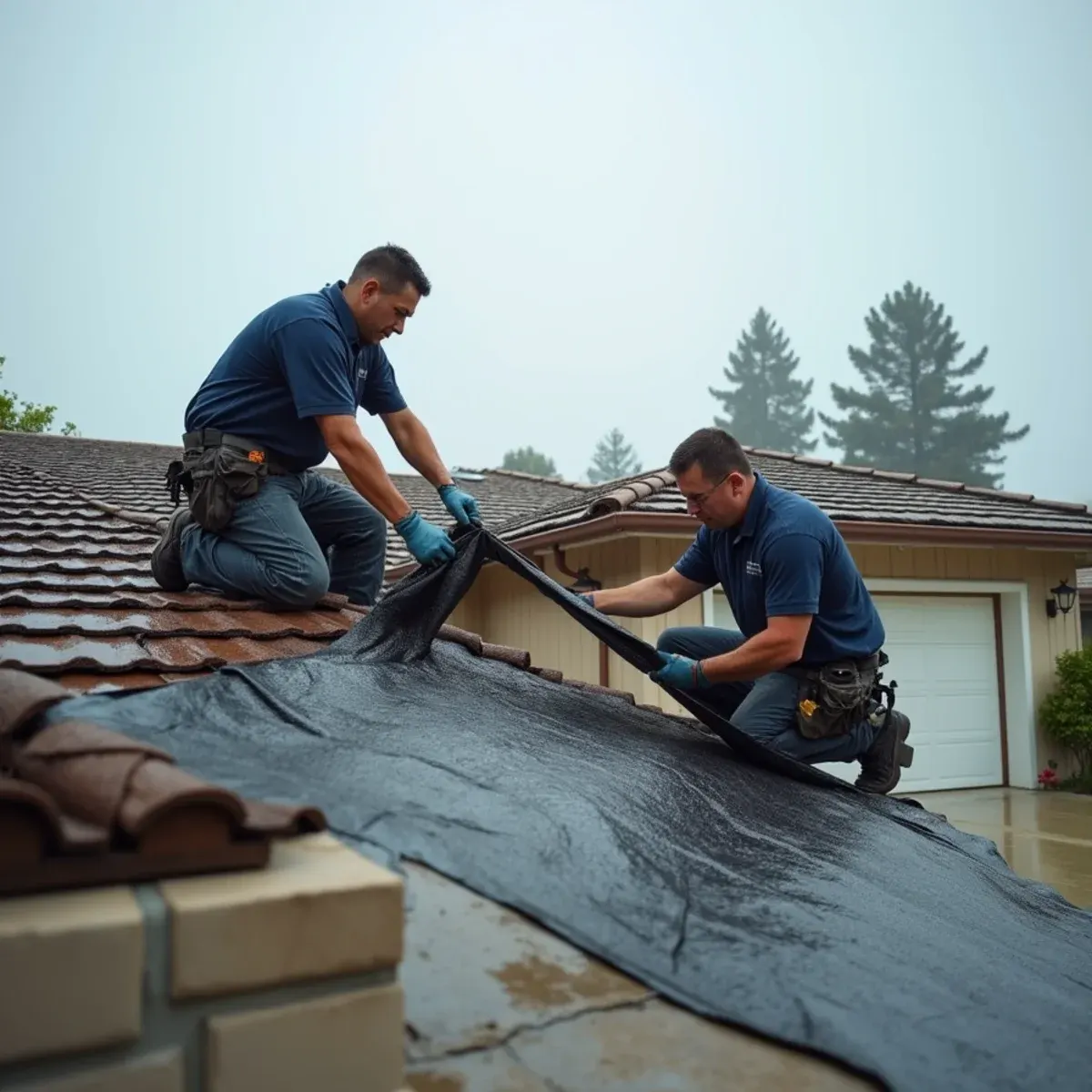
- Emergency tarping and board-up
- Water diversion and extraction
- Full damage documentation
- Interior mitigation
- Structural drying to standard
- Permanent repairs
The Norwalk Background Worth Knowing
The homes built in Norwalk during the postwar surge were built to be affordable and built fast, which was exactly the right priority at the time. Seventy years later, some of those choices have consequences.
There is more on the housing stock, drainage and plumbing history of this city on our water damage restoration in Norwalk page.
Norwalk at a glance
- Dominant construction era
- 1945–1960
- Foundation type
- slab on grade
- Supply piping found here
- original galvanized steel
- Drain line materials
- cast iron
- Terrain and water table
- flat, moderate water table
- Most common local failure
- original galvanized supply lines failing after decades of internal scaling and erosion at fittings
- Highest-value local prevention
- clearing yard and area drains before the season, since small lots leave little ground between the street and the house
What It Costs in Norwalk
We do not quote a number over the phone before seeing the property — anyone who does is guessing. The variables that actually move the price on a storm damage job are size of the opening and duration of intrusion, emergency mitigation scope, how many rooms the water reached, and they are broken down in full on the storm damage restoration page. The assessment and the written estimate are free anywhere in Norwalk, day or night, with no obligation.
Storm Damage Questions from Norwalk Homeowners
Not flooding from the channel necessarily, but the ground around you fills faster than most of the county and stays full through a run of storms. That's what causes losses here: standing water with nowhere to go, backing up at a low threshold or a garage slab. Keeping yard drains clear and making sure downspouts discharge away from the house handles most of it. If water does get in, call early — on a wet week every crew commits fast.
During. Emergency tarping and board-up happen in the rain — that is the entire point of them. We triage by severity, so active intrusion into occupied living space goes to the front of the queue.
Sudden wind and rain damage is generally covered, including the resulting interior water damage. What gets excluded is damage from a roof that had already failed or from deferred maintenance, and flooding from water that came across the ground, which needs separate flood insurance.
If it is original galvanized from the postwar build-out, it has exceeded any reasonable service life. If you have had one failure, a second is a matter of when. The cheapest moment to repipe is while walls are already open for a repair — the demolition and patching are already in the scope.