
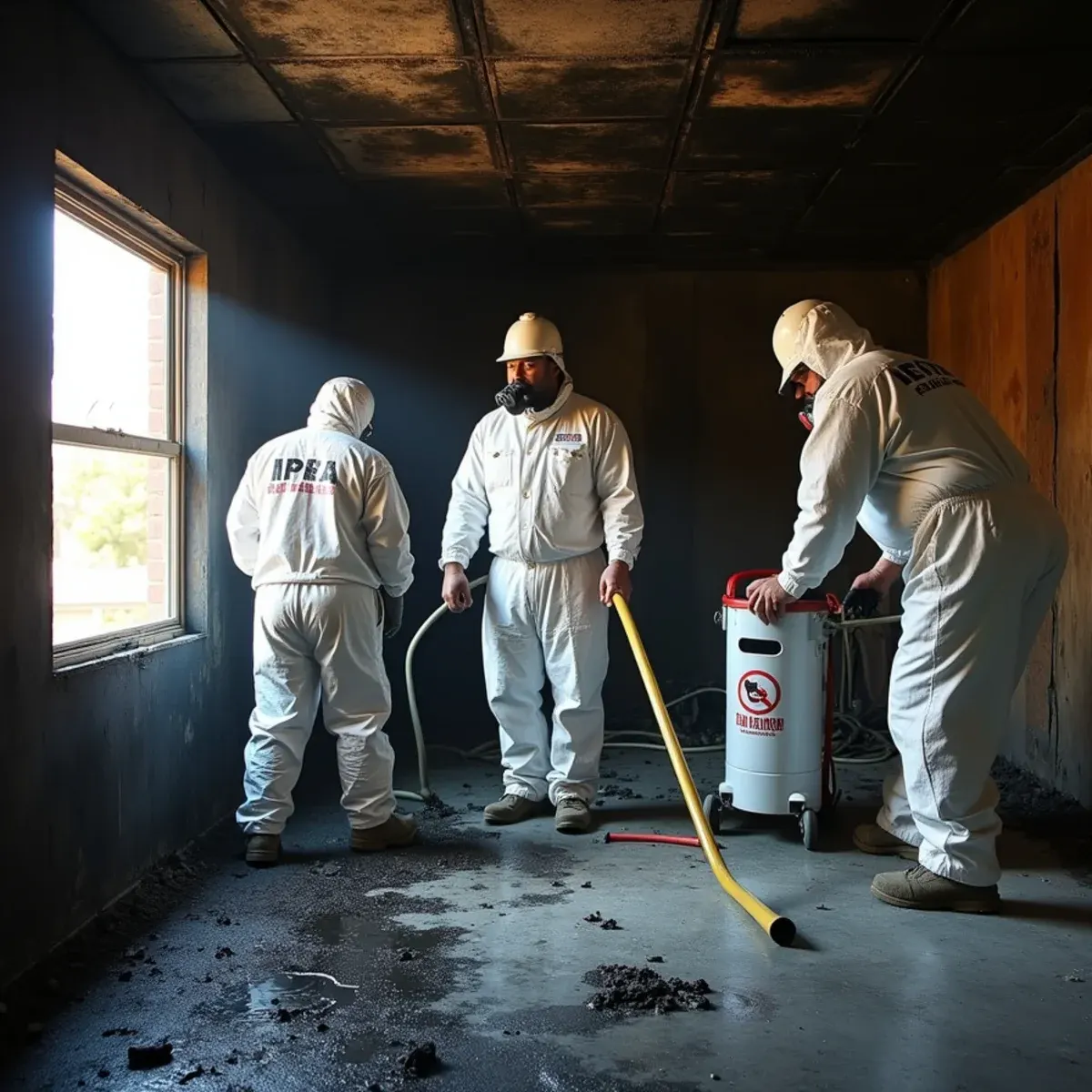
The person who calls us is usually not the person whose unit burned. Hawaiian Gardens is under a square mile and one of the most densely populated places in Los Angeles County, and a large share of the housing is 1960s and 70s apartments built around shared vertical plumbing stacks and chases. Smoke uses those chases like a chimney. A kitchen fire on the ground floor puts odor and residue into units two and three floors up, and suppression water goes the other direction into every unit below it.
Most residents here rent, which changes the practical advice. Your contents are yours and your landlord's policy doesn't cover them, so photograph everything before anything gets moved, and put your notice to management in writing with a time on it. In a stacked building the delay does more damage than the fire — every extra hour of odor sitting in soft goods and cabinet interiors is another hour it takes to get back out. We can work unit by unit and give management and each tenant separate documentation.
What Hawaiian Gardens Changes About Fire & Smoke Damage
1Shared stacks carry smoke between floors
Buildings here were built around vertical plumbing stacks and chases that run floor to floor. Smoke travels up them, and residue settles in units two or three levels away from the fire, inside cabinets, closets and soft goods. We treat according to where the smoke actually went, which usually means units that nobody put on the original list.
2Renters' contents need separate documentation
The building's policy covers the building. Your furniture, clothing and electronics are yours, and if they aren't documented before anything is moved, they're very hard to claim later. Photograph rooms wide and then close, note what smells, and keep your own copy. We provide unit-specific documentation rather than one report addressed only to management.
3Density limits where equipment can go
Under a square mile with some of the highest population per acre in the county means tight parking, exterior stairs and shared walkways. Hoses and cords have to run somewhere, and access gets negotiated with management before anything is staged. It's a real constraint on the schedule, and we'd rather say so up front than discover it at two in the morning.
How the Work Runs
The method is the same one we use on every fire & smoke damage job, documented to the IICRC S500:2025 standard. Here it is in short — the full fire & smoke damage restoration process explains each stage in detail.
- Secure the structure
- Water extraction and drying first
- Assess residue type room by room
- Remove non-salvageable material and clean the rest
- Deodorize at the source
- Contents restoration and rebuild
The Hawaiian Gardens Background Worth Knowing
In a multi-story apartment building, plumbing runs vertically through shared chases connecting stacked units. When a supply line or drain fails in that chase, water follows it downward through every unit below — and it does not stop politely at unit boundaries.
There is more on the housing stock, drainage and plumbing history of this city on our water damage restoration in Hawaiian Gardens page.
Hawaiian Gardens at a glance
- Dominant construction era
- 1950–1975
- Foundation type
- slab on grade
- Supply piping found here
- galvanized steel, copper, shared vertical stacks
- Drain line materials
- cast iron
- Terrain and water table
- flat, moderate water table
- Most common local failure
- stack failures that travel down through every unit below, expanding by one unit for roughly every extra hour of delay
- Highest-value local prevention
- immediate written notice to management, because in a stacked building the clock does more damage than the water
What It Costs in Hawaiian Gardens
We do not quote a number over the phone before seeing the property — anyone who does is guessing. The variables that actually move the price on a fire & smoke damage job are extent of structural burn, how far the smoke traveled, residue type, and they are broken down in full on the fire & smoke damage restoration page. The assessment and the written estimate are free anywhere in Hawaiian Gardens, day or night, with no obligation.
Fire & Smoke Damage Questions from Hawaiian Gardens Homeowners
First, document. Photograph every room wide, then close on the things that matter, before anything gets moved or thrown out. Your landlord's policy covers the building, not your belongings. Second, put your notice to management in writing with a date and time on it — in a stacked building the delay does more damage than the fire, because odor keeps setting into soft goods and cabinet interiors every hour. Then get your unit scoped as its own loss.
Fire suppression uses enormous volumes of water in a short time — often thousands of gallons. That water saturates ceilings, insulation, walls, and floors well beyond the burned area, and it has to be extracted and dried like any other water loss, on top of the fire work.
Yes, when the residue is removed completely — including inside wall cavities, ductwork, attic insulation, and behind cabinetry. Odor that returns later always means residue was left somewhere. Masking agents and ozone alone do not solve it.
Photograph and video everything before moving anything, notify your property manager in writing immediately, and move belongings out of the affected area if it is safe to do so. Do not wait for the neighbor upstairs to act — the damage compounds every hour and the written timeline protects you.